










Issue · Education

Education

Every education bill, vote, and legislator stance in United States, automatically classified by Maddy, our AI policy reader.

Total bills
2
119th Congress
Top supporter
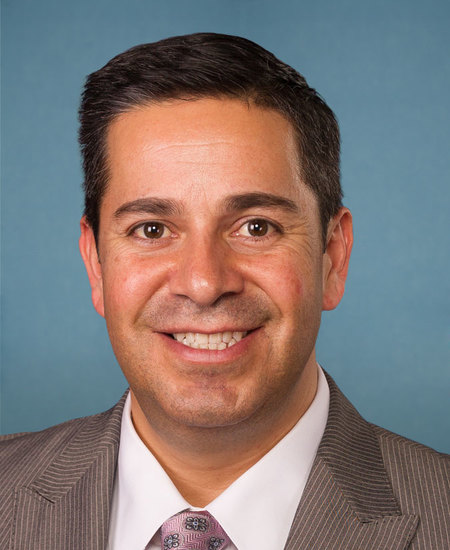
Ben Ray Luján
92% support rate
Top opponent
Thomas Massie
12% support rate
Ranked legislators
10
5 support · 5 oppose
Key legislators

Who's moving education in United States

Legislators moving education in United States
Legislator Party Stance Support rate Decisive votes
Ben Ray Luján
Ben Ray Luján Senate
D
Strong +
92% 12
Elissa Slotkin
Elissa Slotkin Senate
D
Strong +
92% 12
Gary C. Peters
Gary C. Peters Senate
D
Strong +
92% 12
John W. Hickenlooper
John W. Hickenlooper Senate
D
Strong +
92% 12
Maria Cantwell
Maria Cantwell Senate
D
Strong +
92% 12
Thomas Massie
Thomas Massie House · District 4
R
Strong −
12% 8
Tom McClintock
Tom McClintock House · District 5
R
Strong −
12% 8
Chip Roy
Chip Roy House · District 21
R
Strong −
14% 7
Rand Paul
Rand Paul Senate
R
Strong −
17% 12
Andy Harris
Andy Harris House · District 1
R
Strong −
20% 10
Showing 2 of 2 bills

All education bills

signed · United States · House Sep 18, 2026

HR 5334: Lindsey O. Graham Sanctioning Russia and Iran Act of 2026

HR 5334, the SEED Act of 2025, expands the existing educator expense deduction under federal tax law to explicitly include early childhood educators. It revises the Internal Revenue Code to cover expenses for "early childhood educators" and broadens the educational levels affected to include "pre-kindergarten through grade 12." This change allows early childhood educators (such as preschool teachers) to deduct work-related expenses like classroom supplies and professional development costs, which they previously could not claim under the existing deduction for "kindergarten through grade 12" teachers. The amendment applies to expenses incurred in taxable years beginning after December 31, 2024.
passed · United States · Senate May 9, 2025

SJRES 7: A joint resolution providing for congressional disapproval under chapter 8 of title 5, United States Code, of the rule submitted by the Federal Communications Commission relating to "Addressing the Homework Gap Through the E-Rate Program".

This joint resolution seeks to block a Federal Communications Commission (FCC) rule that aimed to expand internet access for schools through the E-Rate program, specifically addressing the "homework gap" by increasing funding for student connectivity. The rule, published in the Federal Register on August 20, 2024, would have modified how schools and libraries access broadband under the E-Rate program. If passed, the resolution would cancel this rule, preventing it from taking effect under federal disapproval procedures. This is a procedural action targeting a specific FCC regulatory change, not a new policy.