Issue · Criminal Justice

Criminal Justice (Courts)

Every criminal justice bill, vote, and legislator stance in United States, automatically classified by Maddy, our AI policy reader.

Total bills
27
119th Congress
Top supporter
Adam B. Schiff
100% support rate
Top opponent
Amy Klobuchar
0% support rate
Ranked legislators
10
5 support · 5 oppose
Key legislators

Who's moving courts in United States

Legislators moving courts in United States
Legislator Party Stance Support rate Votes
Adam B. Schiff
Adam B. Schiff Senate
D
Strong +
100% 3
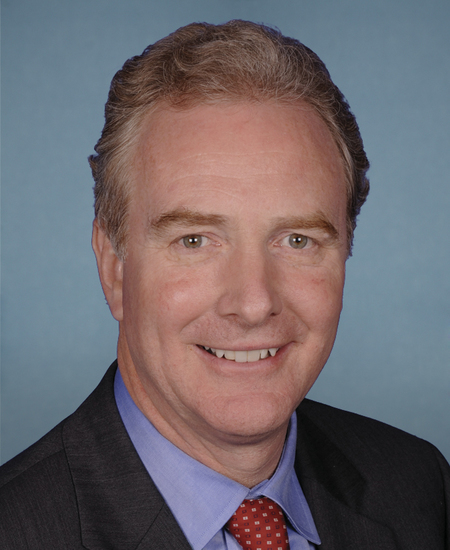
Chris Van Hollen
Chris Van Hollen Senate
D
Strong +
100% 3
Christopher Murphy
Christopher Murphy Senate
D
Strong +
100% 3
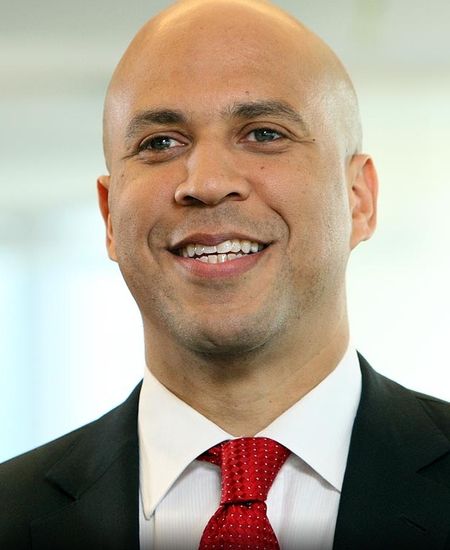
Cory A. Booker
Cory A. Booker Senate
D
Strong +
100% 3
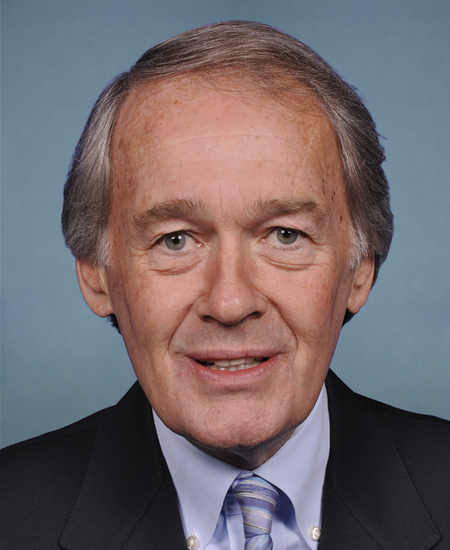
Edward J. Markey
Edward J. Markey Senate
D
Strong +
100% 3
Amy Klobuchar
Amy Klobuchar Senate
D
Strong −
0% 3
Andy Kim
Andy Kim Senate
D
Strong −
0% 3
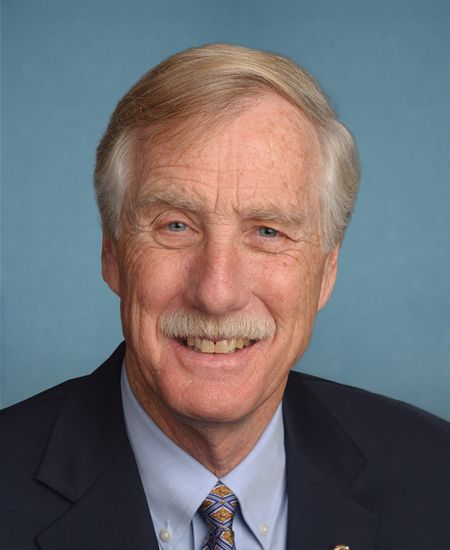
Angus S. King, Jr.
Angus S. King, Jr. Senate
I
Strong −
0% 3
Ashley Moody
Ashley Moody Senate
R
Strong −
0% 3
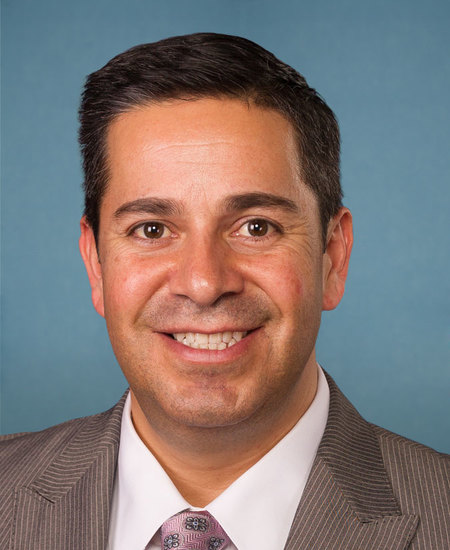
Ben Ray Luján
Ben Ray Luján Senate
D
Strong −
0% 3
Showing 1–10 of 27 bills

All criminal justice bills

in committee · United States · House Feb 4, 2025

HR 923: Stop Arming Cartels Act of 2025

The Stop Arming Cartels Act of 2025 prohibits civilian possession, sale, or transfer of rifles capable of firing .50 caliber ammunition, with exceptions for government use and rifles lawfully owned before the bill's enactment. It requires owners of such rifles to register them with the federal government within 12 months, without fees, and adds these rifles to the National Firearms Act registry. The bill also creates new federal firearm restrictions for significant foreign narcotics traffickers identified under the Foreign Narcotics Kingpin Designation Act and expands reporting requirements for rifle sales to include all rifles. This directly affects civilian rifle owners, sellers, and individuals designated as foreign narcotics traffickers.
in committee · United States · Senate Jun 11, 2026

S 4775: Stopping Harmful and Outrageous Torts Act

The Stopping Harmful and Outrageous Torts Act expands legal protections for firearm manufacturers and sellers by immediately dismissing any lawsuits currently pending against them that allege harm caused by the criminal or unlawful misuse of their products. The bill defines these protected cases as those where the injury resulted from a third party's illegal actions rather than a defect in the product itself, while explicitly excluding claims involving negligent entrustment, specific federal violations, or design defects. To enforce these protections, the law allows defendants to remove such cases from state courts to federal court and grants them the right to appeal dismissal orders immediately. Additionally, the legislation preempts state and local laws that attempt to hold these companies liable for product misuse and provides for attorney's fees for defendants who successfully assert their immunity.
Sub-Topics Courts Firearms
in committee · United States · House Jun 11, 2026

HR 9298: Stopping Harmful and Outrageous Torts Act

This bill, known as the Stopping Harmful and Outrageous Torts Act, expands legal protections for firearm manufacturers and sellers by strengthening their immunity from civil lawsuits. It requires courts to immediately dismiss any pending cases against these companies that are based on the criminal or unlawful misuse of a gun by a third party, while also clarifying that sellers are not liable for negligence in entrusting products to others. The legislation further restricts who can file such suits by prohibiting foreign governments from bringing these claims and adding a specific exception for victims under the age of 17, though it maintains immunity for cases involving design or manufacturing defects. Additionally, the bill allows companies to move these cases to federal court and grants them the right to appeal dismissal orders immediately, along with the ability to recover legal fees if they win. Finally, it preempts state and local laws that attempt to impose liability on these entities for the same types of misuse-related harms.
Sub-Topics Courts Firearms
in committee · United States · Senate Apr 16, 2026

S 4316: Sanctuary City Elimination Act

The Sanctuary City Elimination Act defines "sanctuary jurisdictions" as states or local areas that restrict cooperation with federal immigration authorities, such as refusing to share immigration data or honor detention requests. If a jurisdiction is classified as a sanctuary, the bill prohibits it from receiving various federal grants, including funding for education, environmental protection, economic development, and community housing projects. The legislation also provides a legal mechanism allowing state attorneys general to sue in federal court to recover these funds if a sanctuary jurisdiction releases an immigrant who subsequently commits a crime in another state. Additionally, the bill grants local law enforcement the authority to act as federal agents when complying with immigration detainers and offers them immunity from liability in lawsuits related to those actions.
in committee · United States · Senate Feb 27, 2025

S 771: End FEMA Benefits for Illegal Immigrants Act

This bill prohibits the Federal Emergency Management Agency (FEMA) from funding sheltering or facility improvements for U.S. Customs and Border Protection (CBP) short-term holding facilities. It also cancels unobligated funds previously allocated to FEMA for these purposes under two 2023-2024 appropriations acts. The bill directly affects FEMA's budget authority and CBP's operational funding for facilities holding individuals in immigration custody. It does not create new restrictions but terminates existing funding for specific CBP-related sheltering activities. The measure focuses solely on rescinding existing appropriations, not on altering immigration law or eligibility.
Sub-Topics Courts Border Security Enforcement Sanctuary Policies Tags Emergency Management
passed · United States · House Feb 10, 2025

HR 29: Laken Riley Act

The Laken Riley Act expands mandatory detention for immigrants convicted of certain property crimes like burglary, theft, or shoplifting by adding these offenses to existing immigration detention criteria. It requires the federal government to issue detainers for such individuals and take custody if not detained by local authorities. The bill also grants state attorneys general standing to sue federal officials in federal court if they believe immigration enforcement actions (like releasing detained immigrants) cause the state financial harm exceeding $100. This creates new legal pathways for states to challenge federal immigration decisions through expedited lawsuits.
in committee · United States · House Jan 7, 2025

HR 223: Preventing Unjust Red Flag Laws Act of 2025

This bill (HR 223) prohibits federal funding for implementing or enforcing "red flag laws," which allow courts to temporarily remove firearms from individuals without proper court review. It blocks all federal money from being used by any federal agency or to assist state/local governments in carrying out these laws. The bill does not ban red flag laws themselves but prevents federal financial support for their enforcement.
in committee · United States · House Jan 28, 2025

HR 780: Alexandra’s Law Act of 2025

HR 780, the Alexandra’s Law Act of 2025, amends the Controlled Substances Act to require courts to advise defendants convicted of drug-related offenses involving synthetic opioids (like fentanyl analogues) that caused death about the lethal risks of illicit drugs. It creates new evidence rules: prior convictions for similar drug offenses involving death can be used to prove a defendant knew the substance contained fentanyl analogues, and court advisements from state cases may be admitted in federal courts. The law directly affects individuals convicted of drug sales or distribution linked to overdose deaths involving these substances. It excludes minors from these evidentiary provisions, focusing on holding accountable those who knowingly distribute dangerous synthetic drugs.
Sub-Topics Courts Drug Policy
passed · United States · House Feb 10, 2025

HR 27: HALT Fentanyl Act

The HALT Fentanyl Act (HR 27) creates a new category of Schedule I controlled substances for "fentanyl-related substances" defined by specific chemical modifications to fentanyl. This law directly affects researchers, medical professionals, and law enforcement by expanding the legal definition of fentanyl-related substances to include many structurally similar compounds. Key provisions include streamlined registration processes for research on these substances, allowing researchers to conduct studies with expedited procedures if related to FDA-approved drug development or government-funded research. The bill requires the Attorney General to issue implementing rules within six months and includes penalties for violations involving these substances.
passed · United States · House Mar 2, 2026

HR 6719: James T. Woods Act

James T. Woods Act This bill expands the federal framework for combating the online exploitation of children. Among its provisions, the bill establishes new criminal offenses, expands reporting requirements, and facilitates the prosecution and sentencing of offenders.   TITLE I—SAFE ACT Sentencing Accountability For Exploitation Act or the SAFE Act This title directs the U.S. Sentencing Commission to review and amend its guidelines and policy statements applicable to federal criminal offenses involving the production, receipt, transport, shipment, or distribution of child sexual abuse material to (1) account for the actual and potential harm from the offense and changes since the last amendments with respect to the typical offense behavior and modern technologies, and (2) better reflect the spectrum of offender culpability. TITLE II—ENDING COERCION OF CHILDREN AND HARM ONLINE Ending Coercion of Children and Harm Online Act or the ECCHO Act This title establishes a federal framework to combat the online coercion of minors to commit harm. The title creates new criminal offenses, expands reporting of instances involving the online coercion of minors, facilitates the prosecution of offenders, and expands protections for minors who testify in court.   TITLE III—STOP SEXTORTION Stop Sextortion Act This title criminalizes threats to distribute child sexual abuse material to intimidate, coerce, extort, or cause substantial emotional distress. This practice is commonly referred to as sextortion . The title also increases criminal penalties for related offenses that involve the use of child sexual abuse material to intimidate, coerce, extort, or cause substantial emotional distress.
Showing 1 to 10 of 27 bills
1 2 3 Next