Issue · Criminal Justice

Criminal Justice

Every criminal justice bill, vote, and legislator stance in United States, automatically classified by Maddy, our AI policy reader.

Total bills
956
119th Congress
Top supporter
Alan Armstrong
86% support rate
Top opponent
Amy Klobuchar
13% support rate
Ranked legislators
10
5 support · 5 oppose
Key legislators

Who's moving criminal justice in United States

Legislators moving criminal justice in United States
Legislator Party Stance Support rate Votes
AA
Alan Armstrong Senate
R
Strong +
86% 44
Mitch McConnell
Mitch McConnell Senate
R
Strong +
84% 160
Kevin Cramer
Kevin Cramer Senate
R
Strong +
80% 169
Cynthia M. Lummis
Cynthia M. Lummis Senate
R
Strong +
80% 167
Mike Lee
Mike Lee Senate
R
Support
77% 170
Amy Klobuchar
Amy Klobuchar Senate
D
Strong −
13% 169
Margaret Wood Hassan
Margaret Wood Hassan Senate
D
Strong −
13% 169
Catherine Cortez Masto
Catherine Cortez Masto Senate
D
Strong −
13% 162
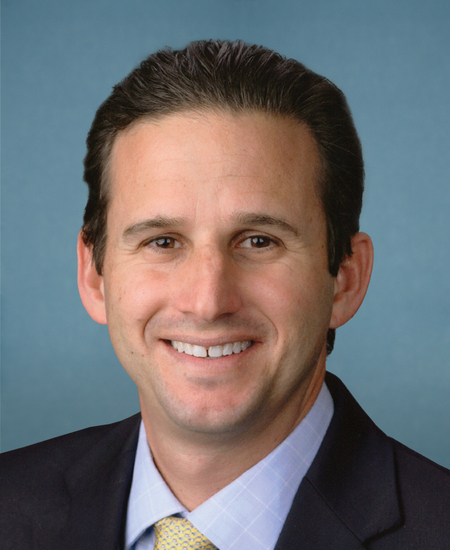
Brian Schatz
Brian Schatz Senate
D
Strong −
16% 171
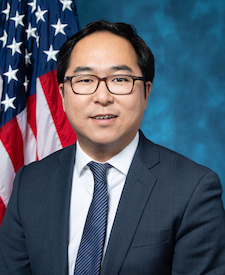
Andy Kim
Andy Kim Senate
D
Strong −
16% 171
Showing 941–950 of 956 bills

All criminal justice bills

in committee · United States · House Oct 31, 2025

HR 5883: Safer Supervision Act of 2025

The Safer Supervision Act of 2025 reforms federal supervised release by requiring courts to assess each defendant’s individual needs before imposing supervision, rather than automatically applying it. It establishes clear pathways for early termination after defendants serve 50% of their term (or 66.6% for certain drug/firearm offenses), provided they demonstrate good conduct, comply with conditions, and pose no public safety risk. The bill also mandates courts to document their supervision decisions and expands access to legal counsel for defendants seeking early release. These changes aim to reduce caseloads for probation officers, encourage rehabilitation, and improve public safety by tailoring supervision to actual risk.
in committee · United States · House Dec 5, 2025

HRES 933: Expressing the sense of the House of Representatives regarding the critical role of victim service providers in the response to domestic violence, dating violence, sexual assault, and stalking, by supporting victims through the physical, mental, emotional, financial, and legal challenges they may face in the aftermath of violence.

HRES 933 is a non-binding House resolution expressing support for victim service providers who assist survivors of domestic violence, dating violence, sexual assault, and stalking. It acknowledges these providers - such as shelters, nonprofits, and community organizations - help survivors navigate legal, medical, and emotional challenges, including safety planning and connecting to resources. The resolution highlights their critical but often underfunded role and calls for meaningful investment to sustain their lifesaving work. (Note: As a resolution, it does not create new laws or funding but formally recognizes the need for support.)
in committee · United States · House Sep 26, 2025

HR 5594: Protect Your PIN Act of 2025

This bill amends the Violence Against Women Act Reauthorization Act of 2022 to clarify and expand law enforcement support for identity theft cases. It defines "identity theft" as criminal acts involving unauthorized use of another person's identifying details (like Social Security numbers or bank info), and adds "identity theft" to existing federal grant programs for local police to investigate cybercrimes. These grants will now fund investigations into identity theft alongside other cybercrimes. The bill directly affects local law enforcement agencies receiving these grants and victims of identity theft by improving enforcement resources. (Note: The title "Protect Your PIN" is misleading; the bill focuses on identity theft definitions and funding, not PIN security.)
in committee · United States · House Sep 16, 2025

HR 5403: Enhancing COPS Hiring Program Grants for Local Law Enforcement Act

HR 5403, the Enhancing COPS Hiring Program Grants for Local Law Enforcement Act, amends federal law to allow local law enforcement agencies facing officer recruitment shortages or high turnover to use COPS Program grants for recruitment and retention bonuses. The bill specifically adds a new provision (25) to the grant program, enabling agencies to fund bonuses for hiring or keeping officers when they experience declining recruitment or elevated retirements/resignations. This change directly affects eligible local police departments seeking to address staffing challenges through existing federal funding. The key mechanism expands the permitted uses of COPS grants to include performance-based bonuses, without creating new funding streams. The bill focuses on practical tools for agencies struggling to maintain staffing levels.
passed · United States · Senate Aug 10, 2026

S 3897: Officer John Barnes and Chief Michael Ansbro Public Safety Officers' Benefit Program Expansion Act of 2026

This bill amends the Public Safety Officers' Benefit Program to improve processing of claims for officers injured or killed in the line of duty. It establishes clear timelines for the Bureau to notify claimants about missing information (90 days) and make determinations (270 days), with automatic interim benefits issued if deadlines aren't met. The bill requires regular outreach to public safety officers and underserved agencies, mandates annual audits of backlogged claims, and strengthens subpoena authority to obtain necessary information. It also creates a pathway for expedited processing when claims are approved by the 9/11 Victim Compensation Fund or World Trade Center Health Program. The bill does not change benefit amounts but aims to make the claims process more efficient and transparent for public safety officers and their families.
Sub-Topics Victims' Rights
in committee · United States · House Sep 11, 2025

HR 5312: JAIL Act

The JAIL Act would allow victims or their immediate family members to sue judges or government entities in federal court if a repeat violent offender - defined as someone previously convicted of a violent crime - is released on bail and then harms another person during that release. It removes judicial immunity as a defense in such lawsuits, making judges personally liable for bail decisions that lead to harm. The bill defines "crime of violence" using existing federal law (18 U.S.C. §16) and applies to both federal and state judges. This policy directly affects judges and bail authorities who release repeat violent offenders pending trial.
in committee · United States · House Sep 15, 2025

HR 5361: George Floyd Justice in Policing Act of 2025

The George Floyd Justice in Policing Act of 2025 would establish a National Police Misconduct Registry to track officer complaints, disciplinary actions, and misconduct records across all law enforcement agencies. It would require law enforcement agencies to implement body-worn camera programs with specific recording and retention policies, ban chokeholds and no-knock warrants in drug cases, and reform qualified immunity to make it easier to hold officers accountable for misconduct. The bill mandates comprehensive data collection on use of force incidents, requiring agencies to report detailed information about stops, searches, and force used, disaggregated by race, ethnicity, gender, and other demographics. These provisions would directly affect all Federal, State, and local law enforcement agencies that receive federal grant funding, with requirements for policy changes, training, and data reporting.
in committee · United States · House Mar 24, 2025

HR 2305: Corrections Officer Blake Schwarz Suicide Prevention Act of 2025

HR 2305 establishes a federal grant program to fund mental health screenings for corrections officers in all federal, state, and local detention facilities. The bill requires participating facilities to administer anonymous, confidential surveys (5-10 questions) to identify severe mental health conditions like depression or bipolar disorder, followed by referrals to mental health providers through designated outreach teams. It directly affects corrections officers - defined as those working in prisons, jails, or detention centers - and mandates that grant funds cover survey development, staff training, outreach teams, and technology. The program, funded with $50-$70 million annually through 2030, aims to improve access to care by connecting officers with local mental health services while maintaining confidentiality.
in committee · United States · House Jul 23, 2025

HR 4724: Corporate Crime Database Act of 2025

The Corporate Crime Database Act of 2025 requires the Bureau of Justice Statistics to create a public database tracking federal enforcement actions related to corporate crimes. Federal agencies must submit data on corporate offenses - such as violations committed by businesses or employees acting in their job roles - and include details like the business involved, the offense type, relevant laws, enforcement agency, and outcome. The database will be searchable online, updated annually, and include historical and future enforcement actions. This affects federal agencies that handle enforcement and makes corporate crime data accessible to the public for transparency.
Tags Data Reporting
in committee · United States · House May 7, 2025

HRES 395: Establishing a "Bill of Rights" to support United States law enforcement personnel nationwide in their work to protect our communities.

HRES 395 is a non-binding resolution (not a law) that establishes a symbolic "Bill of Rights" for U.S. law enforcement officers during internal investigations into alleged misconduct. It outlines specific procedural protections, including the right to have legal counsel present during interviews, the right to know investigation details in advance, protection from offensive language or threats during questioning, and the right to not face discipline for invoking the Fifth Amendment. The resolution aims to support officers by ensuring fair investigation processes while condemning calls to defund or dismantle police departments. It does not create new legal rights or change existing laws but encourages states to adopt similar protections for officers.
Showing 941 to 950 of 956 bills