Issue · Criminal Justice

Criminal Justice (Sentencing)

Every criminal justice bill, vote, and legislator stance in United States, automatically classified by Maddy, our AI policy reader.

Total bills
103
119th Congress
Top supporter
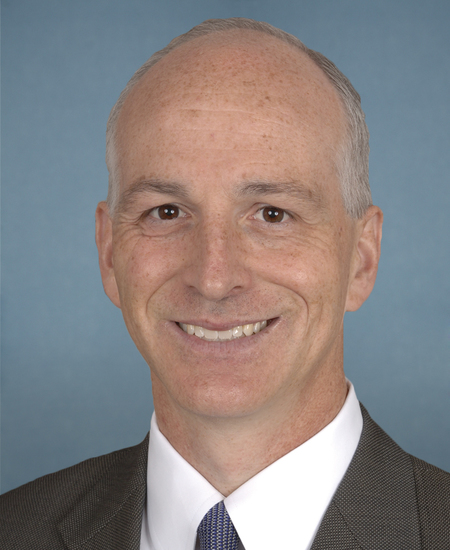
Adam Smith
100% support rate
Top opponent
Aaron Bean
0% support rate
Ranked legislators
10
5 support · 5 oppose
Key legislators

Who's moving sentencing in United States

Legislators moving sentencing in United States
Legislator Party Stance Support rate Votes
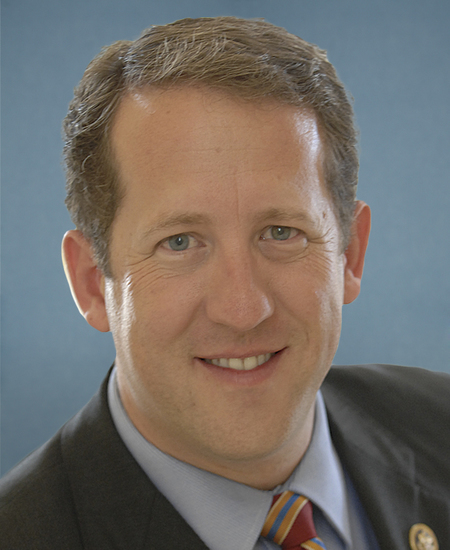
Adam Smith
Adam Smith House · District 9
D
Strong +
100% 3
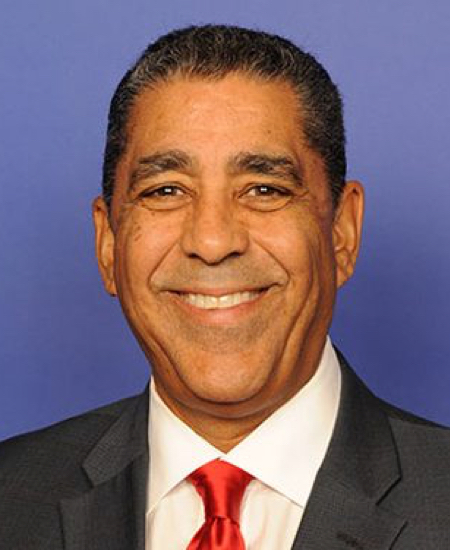
Adriano Espaillat
Adriano Espaillat House · District 13
D
Strong +
100% 3
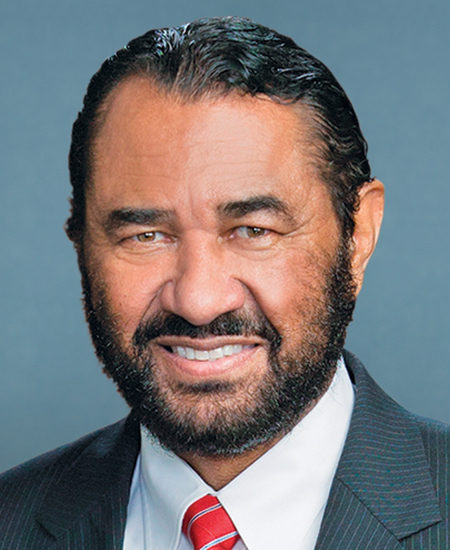
Al Green
Al Green House · District 9
D
Strong +
100% 3
Alexandria Ocasio-Cortez
Alexandria Ocasio-Cortez House · District 14
D
Strong +
100% 3
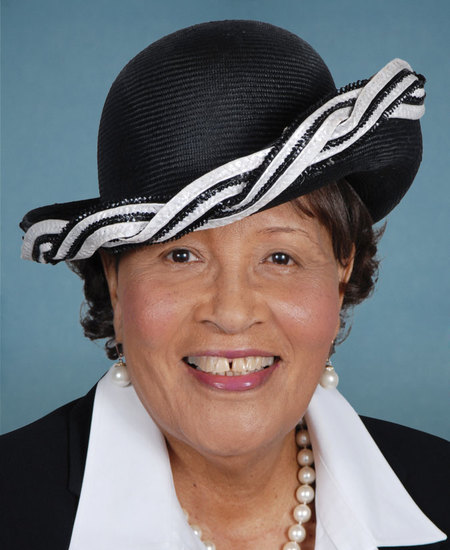
Alma S. Adams
Alma S. Adams House · District 12
D
Strong +
100% 3
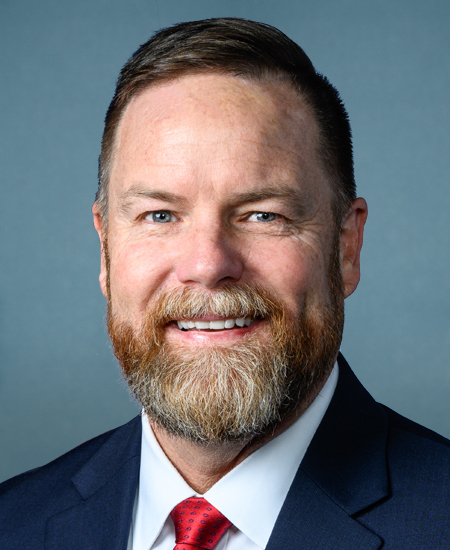
Aaron Bean
Aaron Bean House · District 4
R
Strong −
0% 3
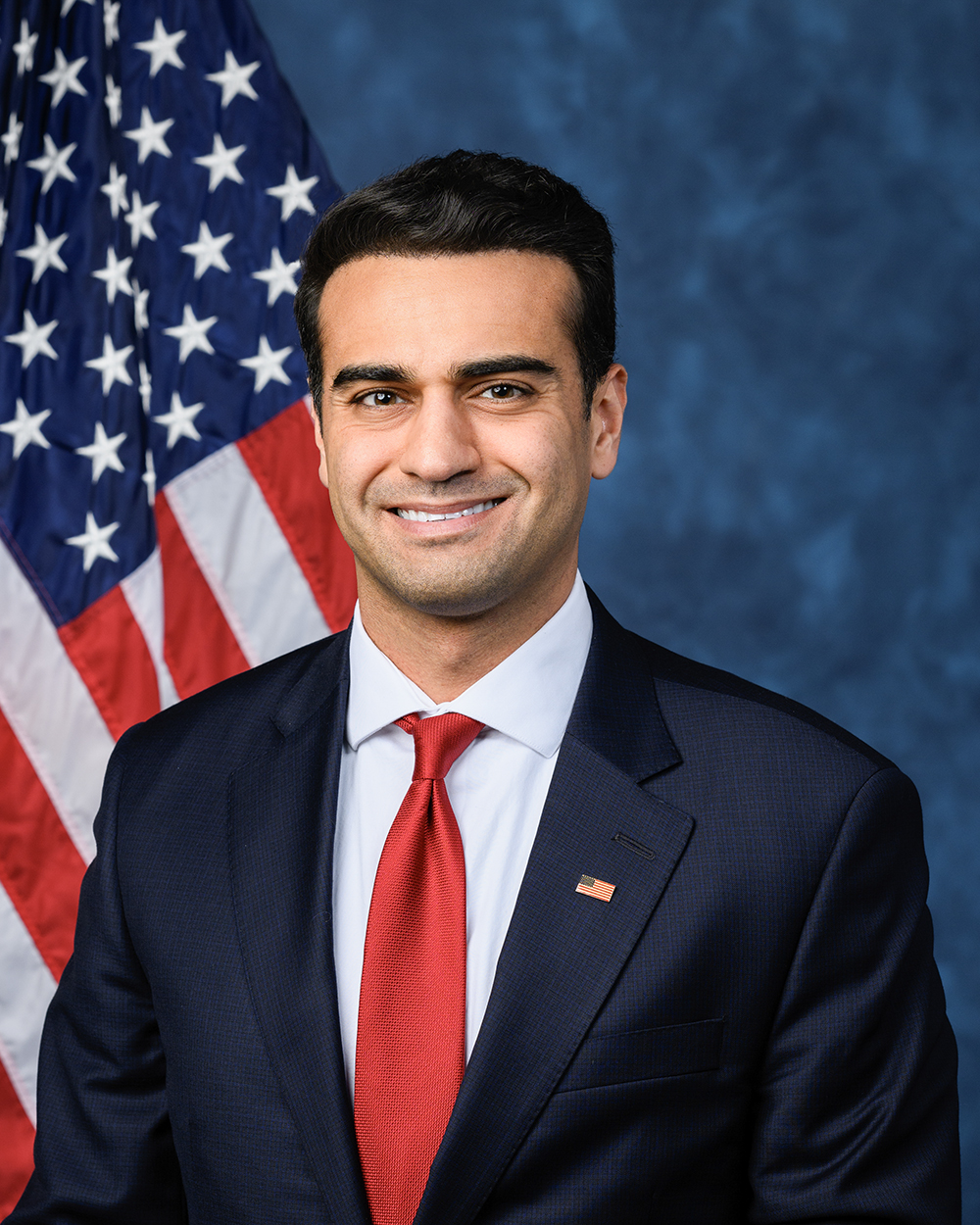
Abraham J. Hamadeh
Abraham J. Hamadeh House · District 8
R
Strong −
0% 3
Adrian Smith
Adrian Smith House · District 3
R
Strong −
0% 3
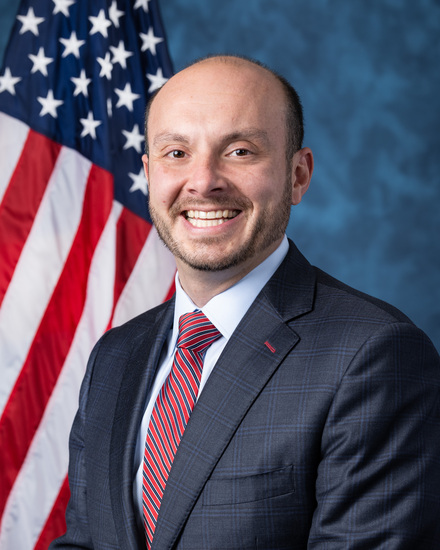
Andrew Ogles
Andrew Ogles House · District 5
R
Strong −
0% 3
Andrew R. Garbarino
Andrew R. Garbarino House · District 2
R
Strong −
0% 3
Showing 81–90 of 103 bills

All criminal justice bills

in committee · United States · House Aug 22, 2025

HR 5023: Fentanyl Kills Act

HR 5023, the Fentanyl Kills Act, redefines "trafficked fentanyl" to broadly cover activities like producing, distributing, financing, or transporting illicit fentanyl, its precursors, or related substances - both domestically and internationally with intent to distribute in the U.S. It directly affects individuals involved in fentanyl trafficking by automatically classifying such offenses as "attempted murder" under existing federal law. The bill adds specific definitions for trafficking activities (including manufacturing, distributing, or possessing intent) and mandates that convicted traffickers face penalties under murder statutes. This changes sentencing by treating fentanyl trafficking as an attempted homicide, increasing penalties for those involved in the supply chain.
in committee · United States · House Jan 28, 2025

HR 749: Stop Illegal Reentry Act

This bill increases criminal penalties for individuals who re-enter the U.S. after being deported, removed, or excluded. It sets a maximum 5-year prison sentence for most cases, but adds up to 10 years for those with prior drug/crime convictions or multiple prior removals. For serious cases - such as aggravated felonies or two prior reentry convictions - it mandates a 5-20 year prison term. The law directly affects people who return without authorization after formal immigration removal proceedings.
in committee · United States · House Sep 18, 2025

HR 5506: Courtney Wild Reinforcing Crime Victims’ Rights Act

This bill strengthens rights for crime victims in federal cases by requiring the government to inform victims about their rights, including details about plea bargains, agreements, and legal assistance options. It creates a new process for victims to file complaints about rights violations with a Department of Justice Administrative Authority, which must issue decisions within 180 days. The bill also mandates trauma-informed training for DOJ staff, requires the DOJ to report on implementation, and allows victims to seek attorney's fees if they successfully assert their rights. These changes apply to all federal criminal cases where a victim has been directly harmed by an offense.
in committee · United States · Senate May 11, 2026

S 1572: Federal Carjacking Enforcement Act

This bill amends federal carjacking law to change how the offense is defined and prosecuted. It removes the requirement that a carjacking must involve "intent to cause death or serious bodily harm" for it to be considered a federal offense (now only requiring the act to be done "knowingly"). For cases where death occurs, it now requires prosecutors to prove both the intent to cause death *and* that death actually resulted, rather than just showing death occurred. This directly affects federal prosecutors, carjacking defendants, and the legal standards used in such cases.
Sub-Topics Sentencing
in committee · United States · House Jan 14, 2025

HR 378: Thin Blue Line Act

HR 378, the Thin Blue Line Act, adds a new aggravating factor for the death penalty in federal cases where a defendant kills or targets a law enforcement officer, firefighter, or other first responder. It specifically applies when the victim was killed or targeted while performing official duties, because of those duties, or due to their status as a public official. This amendment to federal death penalty law would make the death penalty a potential sentencing option for such crimes, as the killing would be considered an aggravating factor. The bill directly affects defendants convicted of homicides meeting these specific circumstances involving public safety personnel.
Sub-Topics Law Enforcement Sentencing Tags Public Safety
in committee · United States · Senate Oct 30, 2025

S 3077: Safer Supervision Act of 2025

Senate Bill 3077, the Safer Supervision Act of 2025, would reform federal supervised release by requiring courts to make individualized assessments about whether to impose supervision and for how long, rather than automatically applying it. The bill establishes a presumption for early termination of supervised release after defendants serve 50% of their term (or 66.6% for certain offenses), provided they've demonstrated good conduct, compliance, and early termination won't jeopardize public safety. It also modifies probation officer compensation to match criminal investigators' pay, expands opportunities for prisoners not sentenced to supervised release to earn early release through time credits, and requires a GAO study on federal post-release supervision and reentry services. These changes aim to reduce probation officer caseloads, encourage rehabilitation, and better align supervision with public safety needs.
in committee · United States · Senate Nov 5, 2025

S 3104: Ideologically Motivated Violence Accountability Act

This bill amends federal law to add a new "ideological motive" factor for applying the death penalty in certain violent crimes. It defines violence targeting individuals due to their political or religious beliefs, affiliations, or expressions as grounds for capital punishment eligibility under existing federal statutes. The bill requires the U.S. Sentencing Commission to update guidelines to reflect this change. It directly affects federal defendants convicted of violent crimes meeting this specific definition, not state-level cases or non-violent offenses.
Sub-Topics Sentencing
in committee · United States · Senate Jan 14, 2025

S 83: Thin Blue Line Act

S 83, the "Thin Blue Line Act," amends federal law to add a new aggravating factor for death penalty cases when someone kills or targets public safety officers. It directly affects law enforcement officers, prosecutors, firefighters, and other first responders who are killed or targeted while performing their duties or because of their role. The bill inserts a new provision (paragraph 17) into sentencing guidelines, specifying that killing an officer engaged in official duties, targeted due to those duties, or because of their status as a public safety employee qualifies as an aggravating factor for the death penalty. This change would allow federal courts to consider these killings as a specific reason to impose the death penalty under existing sentencing rules. The bill does not create new offenses but modifies sentencing considerations for existing murder charges involving public safety officers.
in committee · United States · House Jan 14, 2025

HR 395: Justice for Rape Survivors Act

HR 395, the Justice for Rape Survivors Act, mandates a minimum 30-year prison sentence for individuals convicted of aggravated sexual abuse or sexual abuse under federal law. It directly affects those found guilty of these specific crimes by replacing current sentencing language with a fixed 30-year minimum term. The bill amends Title 18, United States Code, sections 2241 (aggravated sexual abuse) and 2242 (sexual abuse), requiring courts to impose at least 30 years in prison or life imprisonment for these offenses. This policy change increases the minimum sentence for these crimes without altering the definitions of the offenses themselves.
in committee · United States · Senate Sep 11, 2025

S 2768: No Bail Post-Jail Act

S 2768, the "No Bail Post-Jail Act," would automatically deny pretrial release (bail) to certain individuals charged with felony offenses. It directly affects adults or juveniles charged as adults who face felony charges and have a prior felony conviction for a crime of violence that resulted in at least 30 days in a state or federal prison (excluding pretrial detention). The bill adds a specific provision requiring judicial officers to find such individuals "pose a danger to the safety of the community" and deny bail if all three conditions are met: (1) charged with a felony, (2) adult or juvenile charged as adult, and (3) prior violent felony conviction with 30+ days incarceration. This changes the standard for pretrial release eligibility for this specific group.
Showing 81 to 90 of 103 bills
Previous 1 8 9 10 11 Next