Issue · Criminal Justice

Criminal Justice (Firearms)

Every criminal justice bill, vote, and legislator stance in United States, automatically classified by Maddy, our AI policy reader.

Total bills
140
119th Congress
Top supporter
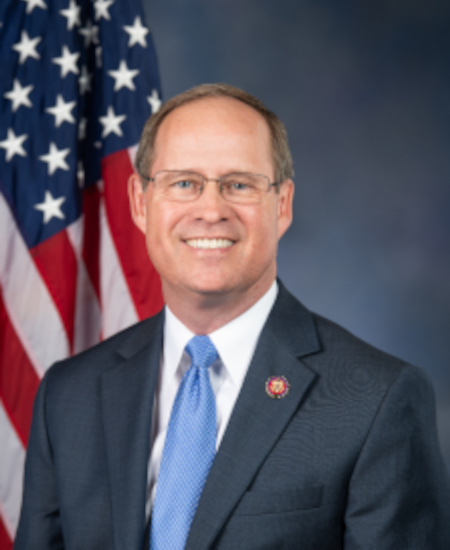
Gregory F. Murphy
75% support rate
Top opponent
Bennie G. Thompson
20% support rate
Ranked legislators
10
5 support · 5 oppose
Key legislators

Who's moving firearms in United States

Legislators moving firearms in United States
Legislator Party Stance Support rate Votes
Gregory F. Murphy
Gregory F. Murphy House · District 3
R
Support
75% 4
Mike Johnson
Mike Johnson House · District 4
R
Support
75% 4
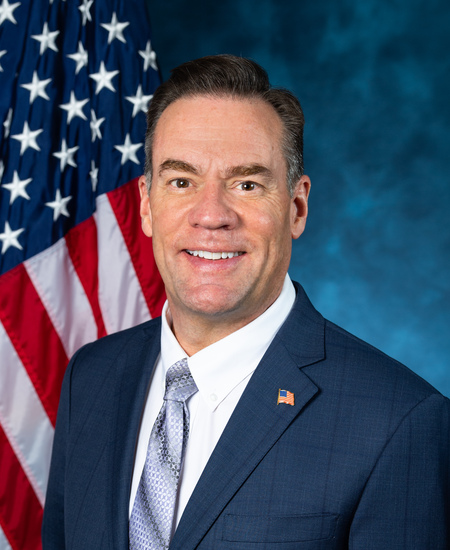
Russ Fulcher
Russ Fulcher House · District 1
R
Support
75% 4
Wesley Hunt
Wesley Hunt House · District 38
R
Support
75% 4
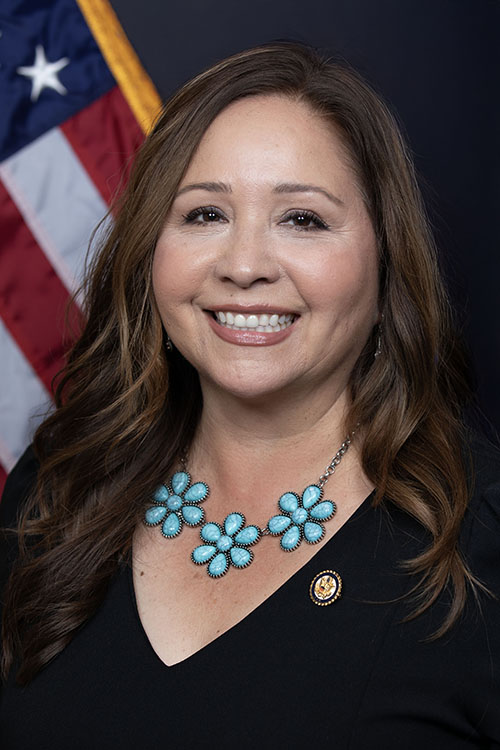
Adelita S. Grijalva
Adelita S. Grijalva House · District 7
D
Support
67% 3
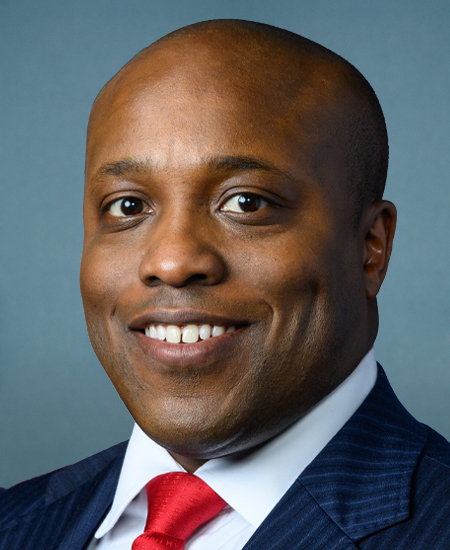
Bennie G. Thompson
Bennie G. Thompson House · District 2
D
Strong −
20% 5
Brendan F. Boyle
Brendan F. Boyle House · District 2
D
Strong −
20% 5
Derek Tran
Derek Tran House · District 45
D
Strong −
20% 5
Eugene Simon Vindman
Eugene Simon Vindman House · District 7
D
Strong −
20% 5
Greg Landsman
Greg Landsman House · District 1
D
Strong −
20% 5
Showing 81–90 of 140 bills

All criminal justice bills

in committee · United States · House Nov 20, 2025

HR 6223: Crime Gun Tracing Modernization Act of 2025

This bill requires the Bureau of Alcohol, Tobacco, Firearms and Explosives (ATF) to create electronic, searchable databases for firearm transaction records held by licensed dealers. It directly affects licensed firearms dealers (who must provide electronic access to their records) and law enforcement agencies (which can query the databases for investigations or foreign intelligence purposes). Key provisions mandate that databases be searchable by firearm details (like serial number or model) but not by personal identifiers, and allow dealers to permanently relinquish paper records after 10 years. The ATF must establish these systems within three years, with annual audits to ensure compliance.
in committee · United States · House Aug 29, 2025

HR 5066: Safe Students Act

This bill repeals the Gun-Free School Zones Act of 1990 and makes technical amendments to Title 18 of the U.S. Code, specifically removing references to school zones in firearm offense provisions. It revises sections governing firearm restrictions (Section 922), definitions (Section 921), and penalties (Section 924) by renumbering and deleting specific paragraphs related to the repealed law. The bill directly affects federal firearm law enforcement and legal interpretations concerning school zones, but does not create new restrictions or protections. As a procedural repeal, it removes outdated language without altering current firearm regulations.
in committee · United States · Senate Nov 20, 2025

S 3256: Disarm Hate Act

The Disarm Hate Act (S 3256) adds new restrictions to federal firearm law, prohibiting individuals convicted of a misdemeanor hate crime or who received an enhanced sentence for such a crime from buying, possessing, or transporting firearms. It directly affects people convicted under state, federal, or tribal law for misdemeanor offenses motivated by bias against race, religion, gender, sexual orientation, gender identity, or disability, where the crime involved physical force, a weapon threat, or credible threat to safety. The bill amends existing federal laws (18 U.S.C. §§ 922(d) and 922(g)) to explicitly include these individuals in prohibited categories, while excluding cases where convictions were expunged, pardoned, or where civil rights were restored without firearm restrictions. This is a concrete policy change to expand firearm prohibitions based on specific hate-motivated misdemeanor convictions.
in committee · United States · Senate Apr 3, 2025

S 1294: Federal Firearm Licensee Act

The Federal Firearm Licensee Act (S 1294) requires federally licensed firearm dealers to implement stronger security measures for their premises and firearms inventory. The bill mandates annual security certifications, physical inventory checks, and electronic recordkeeping for all firearms transactions, while repealing restrictions that previously limited the ATF's ability to share crime gun trace data with law enforcement. It also increases licensing fees for dealers and establishes new requirements for online marketplaces facilitating firearm sales. These changes aim to improve accountability and reduce firearms diversion to criminals.
in committee · United States · House Jun 27, 2025

HR 4223: Gun Records Restoration and Preservation Act

HR 4223, the Gun Records Restoration and Preservation Act, repeals restrictions in the Tiahrt Amendments that currently require federal agencies to destroy most background check records within 24 hours and bar inventory audits of gun shops. The bill removes these barriers, allowing law enforcement to retain background check data longer and access firearm trace records for investigations and research. It also eliminates prohibitions on processing Freedom of Information Act requests about firearm traces and centralizing records at the Department of Justice. This change directly affects law enforcement agencies and researchers by providing greater access to data on gun trafficking patterns and illegal firearm use.
in committee · United States · House Apr 28, 2025

HR 3039: PROSPER Act of 2025

The PROSPER Act of 2025 authorizes $25 million annually (2026-2030) from juvenile justice funds to award grants for youth gun violence prevention programs. It directly affects at-risk youth by requiring grantees to implement evidence-based strategies focused on trauma healing, youth empowerment, mental health connections, community engagement, and gun safety education. Key provisions mandate that programs must be culturally competent, trauma-informed, and inclusive of youth with past exposure to violence or the justice system. Eligible recipients include community organizations, tribes, colleges, and nonprofits - not law enforcement agencies.
in committee · United States · Senate Mar 6, 2025

S 889: Extreme Risk Protection Order Expansion Act of 2025

This bill establishes a federal grant program to help states and tribes implement Extreme Risk Protection Orders (ERPOs), which temporarily restrict firearm access for individuals deemed to pose a danger to themselves or others. To qualify for grants, states and tribes must enact legislation meeting specific requirements, including petition processes, notice and hearing procedures, and standards for issuing ERPOs. The bill requires states to notify federal authorities about ERPOs and update the National Instant Criminal Background Check System, ensuring ERPOs are recognized across state lines. It also mandates training for law enforcement on the safe, impartial use of ERPOs and includes provisions for reporting demographic data on petitioners and respondents. The legislation directly affects states, tribes, law enforcement officers, and individuals subject to ERPOs.
in committee · United States · House Apr 30, 2025

HR 3114: Clean Slate Act of 2025

The Clean Slate Act of 2025 automatically seals federal criminal records for individuals convicted of nonviolent marijuana offenses (under 21 U.S.C. 844) or arrested without conviction, after they complete all sentence requirements. It also creates a petition process for individuals convicted of other nonviolent federal offenses who have completed their sentences, requiring courts to balance public safety concerns against the individual's rehabilitation when deciding whether to seal records. Sealed records cannot be accessed for most background checks, employment, or housing applications, with limited exceptions for law enforcement, national security positions, or firearm-related employment. The bill directly affects individuals with certain nonviolent federal convictions or arrests who have completed their sentences, excluding those with violent offenses, sex offenses, or national security convictions.
in committee · United States · House Jan 16, 2025

HR 545: To direct the Attorney General to conduct a study on the efficacy of extreme risk protection orders on reducing gun violence, and for other purposes.

HR 545 requires the Attorney General to study how effectively extreme risk protection orders (ERPOs) reduce gun violence. The study must be completed within one year of the bill's enactment and conducted by the Bureau of Justice Assistance. This bill does not change existing laws or impose new requirements on individuals; it only directs a federal study on ERPOs, which are court-ordered temporary firearm removals for high-risk individuals. The summary focuses solely on the bill's procedural mandate, not on policy outcomes.
in committee · United States · House Nov 21, 2025

HR 6258: Disarm Hate Act

This bill, the Disarm Hate Act (HR 6258), bars individuals convicted of a hate-motivated misdemeanor crime or who received an enhanced sentence for such a crime from purchasing, possessing, shipping, or transporting firearms under federal law. It directly affects people convicted in any court of a misdemeanor that involved hate or bias (based on race, religion, sexual orientation, gender identity, or disability) and included physical force, threats, or credible safety threats. The bill amends existing federal gun laws (Section 922(d) and 922(g)) to add these new prohibitions, preventing gun sales to and possession by these individuals. It does not apply to expunged convictions, pardons, or cases where legal rights were properly waived.
Showing 81 to 90 of 140 bills
Previous 1 8 9 10 14 Next