Issue · Criminal Justice

Criminal Justice (Policing)

Every criminal justice bill, vote, and legislator stance in United States, automatically classified by Maddy, our AI policy reader.

Total bills
98
119th Congress
Top supporter
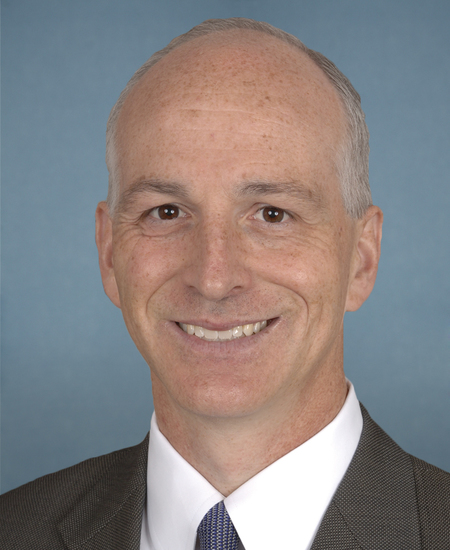
Adam Smith
100% support rate
Top opponent
Dave Min
0% support rate
Ranked legislators
10
5 support · 5 oppose
Key legislators

Who's moving policing in United States

Legislators moving policing in United States
Legislator Party Stance Support rate Decisive votes
Adam Smith
Adam Smith House · District 9
D
Strong +
100% 3
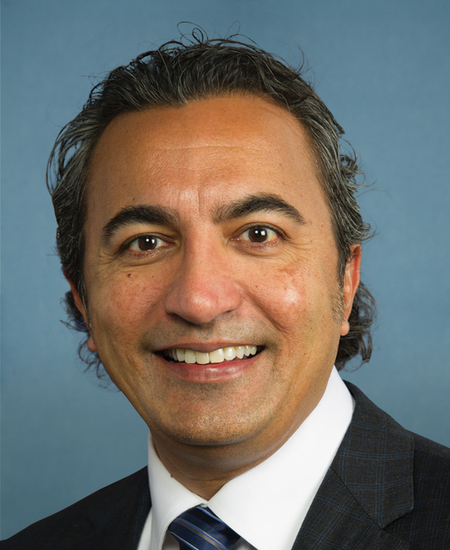
Ami Bera
Ami Bera House · District 6
D
Strong +
100% 3
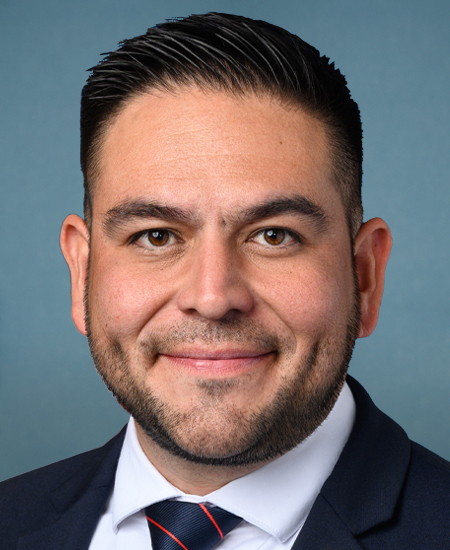
Gabe Vasquez
Gabe Vasquez House · District 2
D
Strong +
100% 3
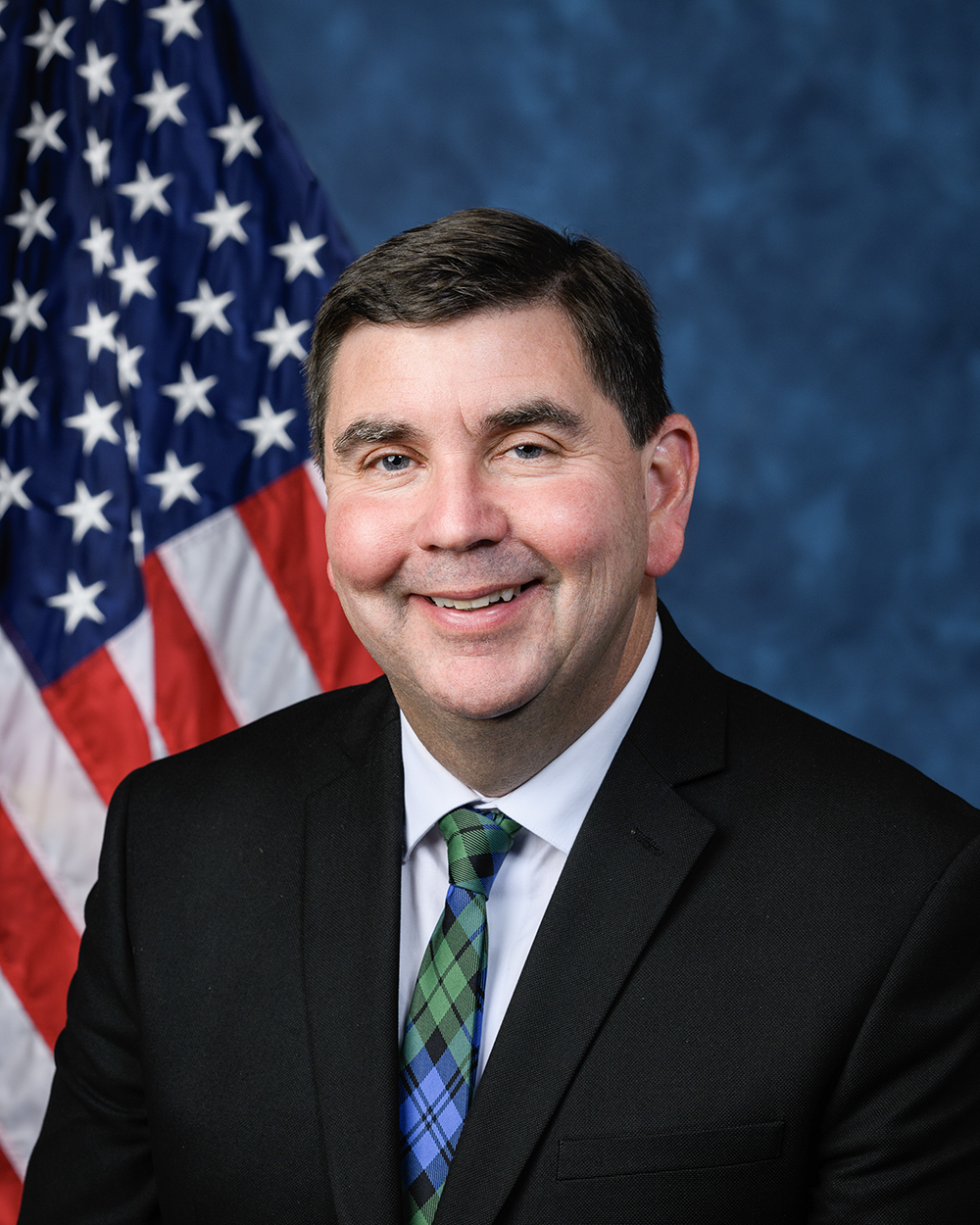
John W. Mannion
John W. Mannion House · District 22
D
Strong +
100% 3
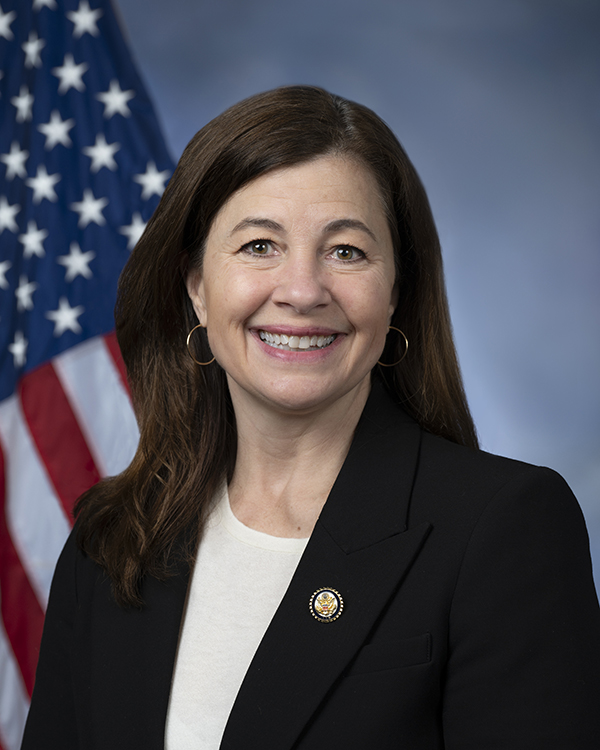
Kristen McDonald Rivet
Kristen McDonald Rivet House · District 8
D
Strong +
100% 3
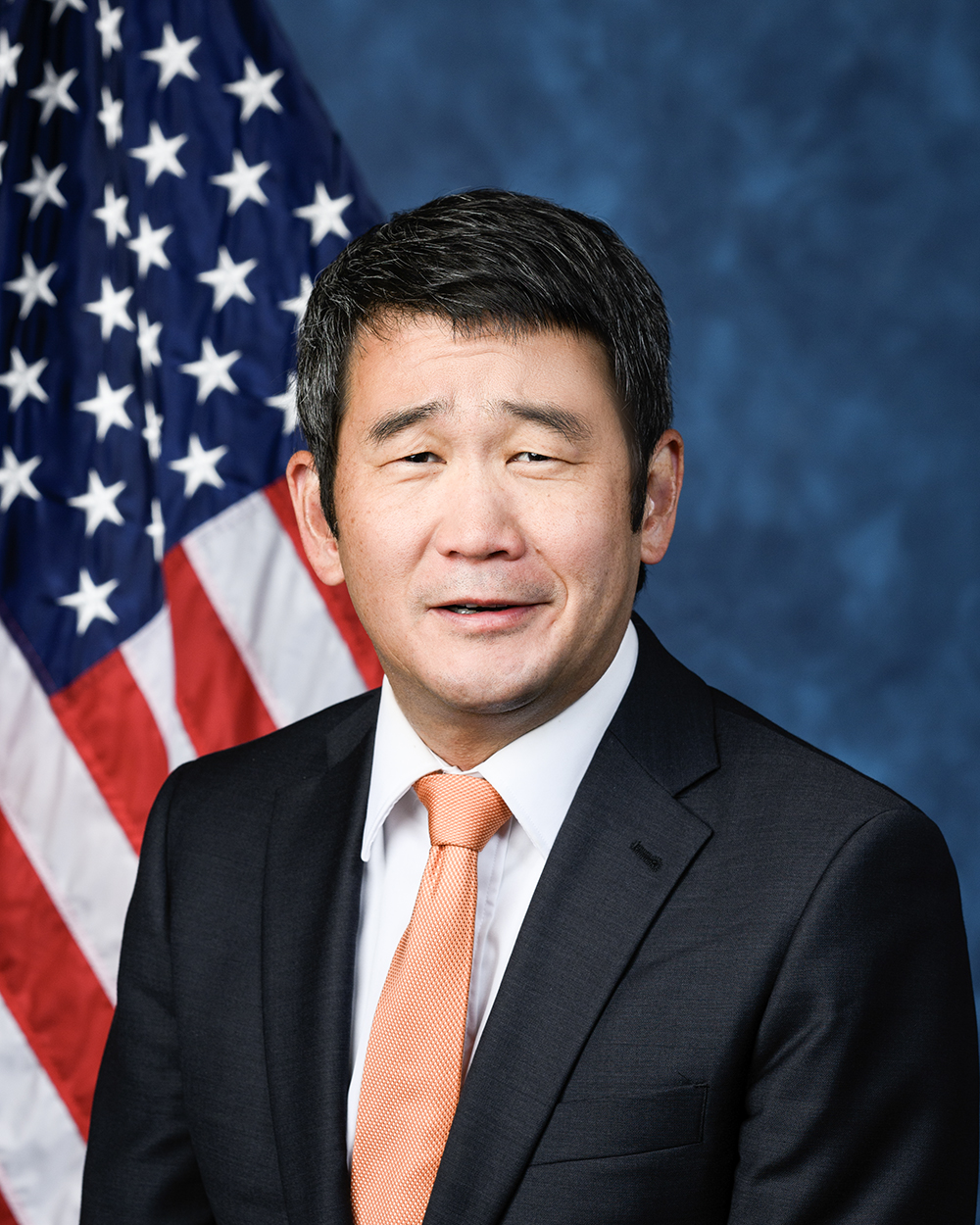
Dave Min
Dave Min House · District 47
D
Strong −
0% 3
Aaron Bean
Aaron Bean House · District 4
R
Oppose
33% 3
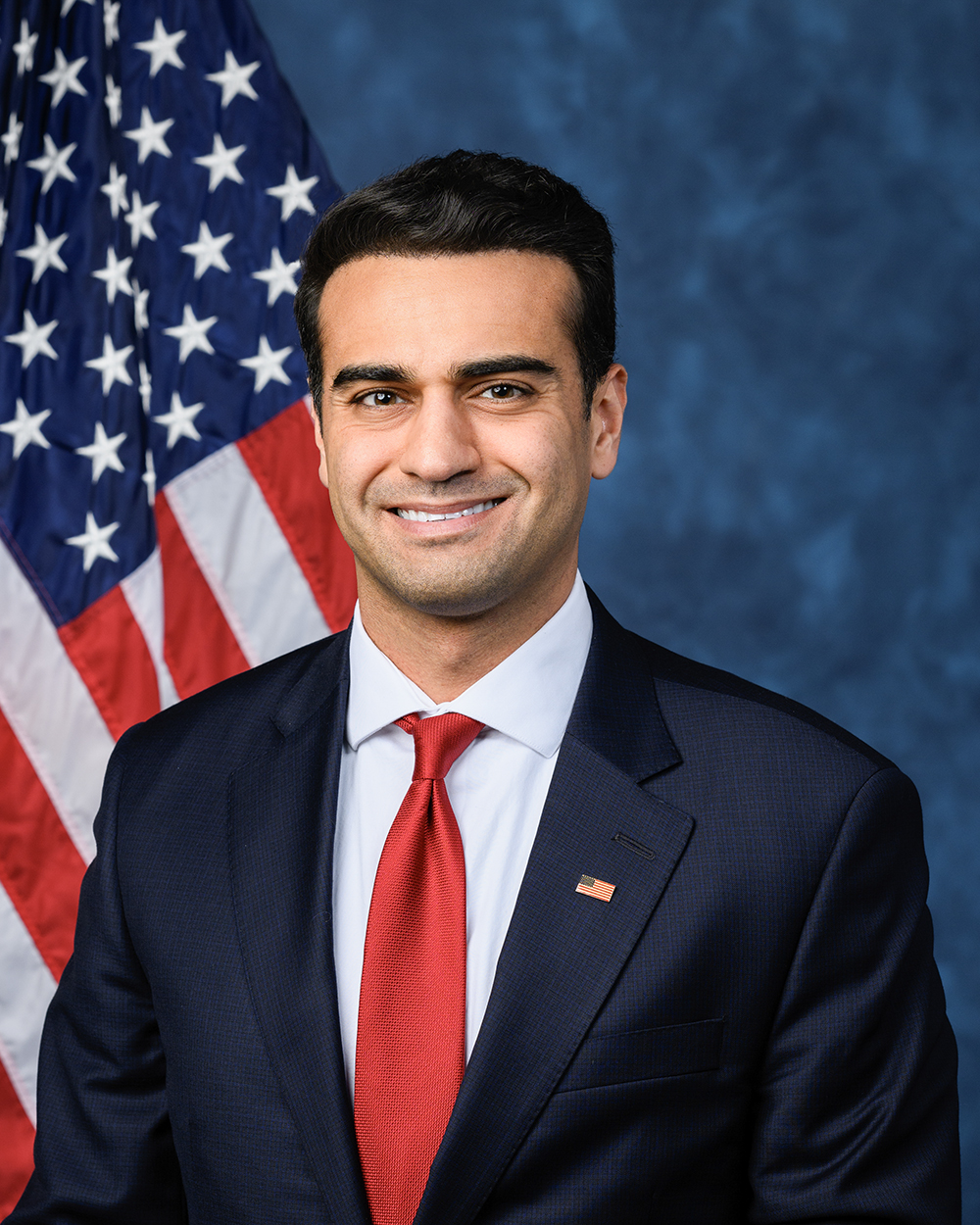
Abraham J. Hamadeh
Abraham J. Hamadeh House · District 8
R
Oppose
33% 3
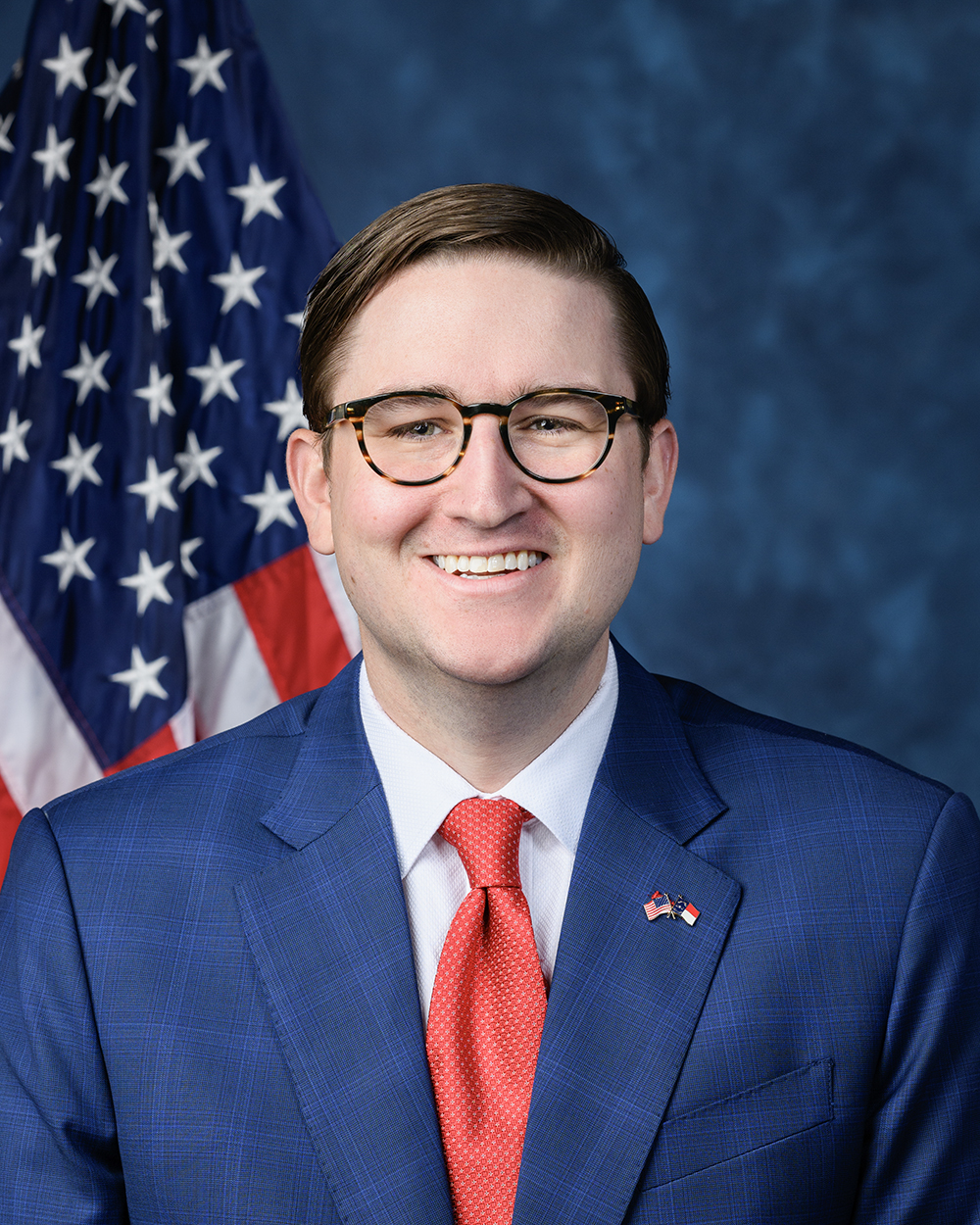
Addison P. McDowell
Addison P. McDowell House · District 6
R
Oppose
33% 3
Andrew Ogles
Andrew Ogles House · District 5
R
Oppose
33% 3
Showing 81–90 of 98 bills

All criminal justice bills

in committee · United States · Senate Jan 29, 2026

S 3731: Cost of Police Misconduct Act of 2026

This bill requires federal, state, and local law enforcement agencies receiving Byrne JAG funding to collect and report detailed data on settlements and judgments related to officer misconduct. Agencies must track specifics like the type of misconduct (e.g., use of force, racial profiling), demographics of involved officers and civilians, settlement amounts, funding sources, and personnel actions. The Attorney General will compile this data into a public, searchable database and issue annual reports with recommendations for reducing misconduct. Non-compliant state/local agencies face up to a 10% reduction in Byrne JAG funding. The bill mandates a GAO study after two years of data collection to analyze trends and costs.
in committee · United States · House May 15, 2025

HR 3372: Law Enforcement Scenario-Based Training for Safety and De-Escalation Act of 2025

This bill directs the Justice Department to create a scenario-based training curriculum focused on de-escalation, officer safety, and crisis response for law enforcement. It authorizes grants to states, local governments, and tribal entities to provide this training to police officers, using existing DOJ funds without new appropriations. The curriculum must cover topics like community relations, use-of-force decisions, and stress management through realistic role-playing exercises. Grantees must report on training access and effectiveness, with annual summaries sent to Congress on implementation progress.
in committee · United States · Senate Jan 9, 2025

S 38: Preserving Safe Communities by Ending Swatting Act of 2025

S 38, the "Preserving Safe Communities by Ending Swatting Act of 2025," makes it a federal crime to intentionally send false information that would reasonably cause emergency responses (like police or SWAT deployments). It targets individuals who falsely report crimes or dangers to trigger such responses, with penalties including up to 20 years in prison if serious injury occurs, or life imprisonment if death results. The bill also allows victims to sue for costs incurred from false emergency responses, such as police overtime or property damage. This law directly affects anyone who makes deceptive reports to emergency services, aiming to deter "swatting" incidents that endanger public safety.
Sub-Topics Corrections Policing
in committee · United States · House Jul 14, 2025

HRES 578: Honoring the memory of the victims of the 1967 Newark riots and acknowledging the enduring impact on the Newark community.

HRES 578 is a non-binding House resolution honoring the victims of the 1967 Newark riots, which resulted in 26 deaths and widespread community harm due to systemic racism and police brutality. It acknowledges the riots' lasting impact on Newark's Black residents and the broader national conversation on racial justice. The resolution commits the House to supporting existing initiatives addressing racial disparities, equitable policing, and community-driven solutions - without creating new laws or funding. As a commemorative measure, it focuses on historical recognition rather than policy changes.
Sub-Topics Policing
in committee · United States · House Oct 10, 2025

HR 5727: ERRPA

The End Racial and Religious Profiling Act of 2025 (ERRPA) prohibits law enforcement agencies from using race, ethnicity, national origin, religion, gender, or sexual orientation in deciding which individuals to stop or investigate. The bill requires federal, state, local, and tribal law enforcement agencies to implement policies eliminating racial profiling, including mandatory training, data collection on stops and searches disaggregated by protected characteristics, and complaint procedures. Agencies must track "hit rates" (percentage of stops resulting in finding contraband) to identify potential disparities in enforcement practices. The Attorney General will issue regulations for data collection and analysis, and must submit annual reports to Congress on racial profiling practices.
in committee · United States · House Feb 5, 2025

HRES 116: Condemning the pardons for individuals who were found guilty of assaulting Capitol Police Officers.

HRES 116 is a non-binding House resolution condemning pardons granted to individuals convicted of assaulting Capitol Police officers. It expresses the House's disapproval of such pardons but does not alter any laws or affect legal proceedings. The resolution has no legal force and serves only as a formal statement of disapproval by the sponsoring lawmakers. It directly addresses the pardons of specific individuals found guilty in criminal cases related to the January 6, 2021, Capitol breach.
Sub-Topics Policing
in committee · United States · Senate Feb 9, 2026

S 3804: Under Color of Law Accountability Act

This bill would create new federal criminal offenses for law enforcement officers and government officials who use excessive force, steal property, or obstruct investigations into misconduct. It prohibits intentionally causing bodily injury through excessive force (with penalties up to 30 years for serious cases), stealing money or property valued over $25, and destroying evidence related to misconduct (with penalties up to 20 years). The legislation defines "excessive force" as objectively unreasonable force and establishes a 7-year statute of limitations for most offenses, except for those resulting in death, which have no time limit. This directly affects government officials acting under color of law by creating new accountability mechanisms for misconduct.
in committee · United States · Senate May 12, 2025

S 1712: Criminal History Access Act of 2025

S 1712, the Criminal History Access Act of 2025, amends federal law to allow state "peace officer standards and training agencies" (agencies that set hiring and training standards for police officers) to access criminal history records for background checks. The bill adds these agencies to the list of entities authorized under Title 28 of U.S. Code to obtain such records. It requires the Attorney General to update federal regulations within 180 days of enactment to implement this change. This procedural amendment directly affects state law enforcement certification bodies by expanding their access to federal criminal history data.
in committee · United States · House Jan 30, 2026

HR 7278: Cost of Police Misconduct Act of 2026

HR 7278, the Cost of Police Misconduct Act of 2026, requires federal, state, and local law enforcement agencies receiving Byrne JAG program funds to collect and report detailed data on misconduct settlements and judgments. Agencies must track information like the type of allegation (e.g., use of force, racial profiling), costs paid, officer demographics, and funding sources, then submit annual reports to the Attorney General. Non-compliant states or localities face up to a 10% reduction in Byrne JAG or Cops on the Beat program funding. The Attorney General will create a public, searchable database of this aggregated data (excluding personal identifiers) and issue annual reports with recommendations for reducing misconduct. The bill mandates a GAO study after two years of data collection to analyze trends and costs across agencies.
in committee · United States · House May 15, 2025

HR 3439: Defund Cities that Defund the Police Act of 2025

HR 3439, the "Defund Cities that Defund the Police Act of 2025," blocks certain federal grants from going to states or cities that significantly reduce police funding without a revenue shortfall. It defines a "defunding locality" as an urban city that disbands its police department or cuts its budget substantially (without prior revenue loss), and a "defunding state" similarly for state law enforcement agencies. The bill specifically denies eligibility for Economic Development Administration grants (like public works and planning funds) and Community Development Block Grants to these jurisdictions. If a recipient becomes a "defunding jurisdiction" during a grant period, it must return all funds received for that period.
Sub-Topics Revenue Law Enforcement Policing Tags Economic Development Public Safety
Showing 81 to 90 of 98 bills