Issue · Criminal Justice

Criminal Justice

Every criminal justice bill, vote, and legislator stance in United States, automatically classified by Maddy, our AI policy reader.

Total bills
985
119th Congress
Top supporter
Alan Armstrong
86% support rate
Top opponent
Amy Klobuchar
13% support rate
Ranked legislators
10
5 support · 5 oppose
Key legislators

Who's moving criminal justice in United States

Legislators moving criminal justice in United States
Legislator Party Stance Support rate Decisive votes
AA
Alan Armstrong Senate
R
Strong +
86% 28
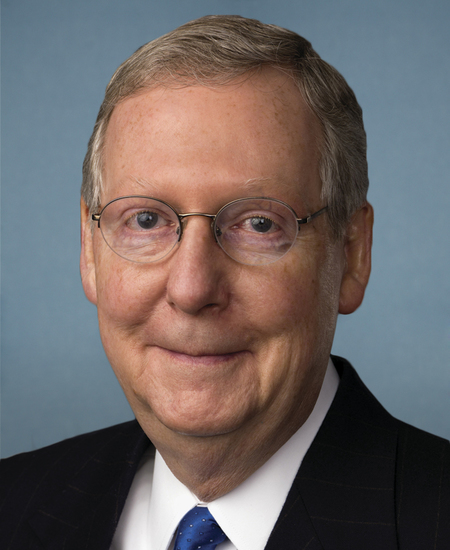
Mitch McConnell
Mitch McConnell Senate
R
Strong +
84% 31
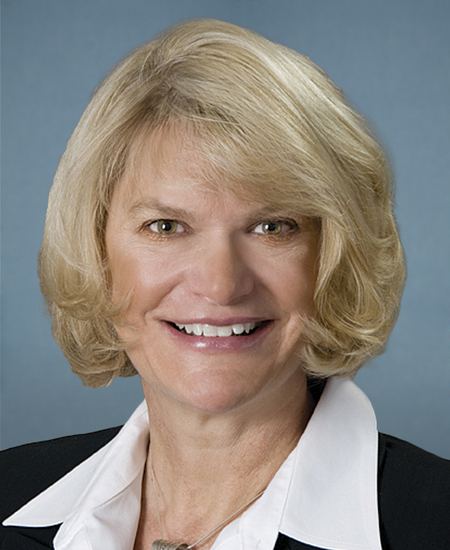
Cynthia M. Lummis
Cynthia M. Lummis Senate
R
Strong +
80% 30
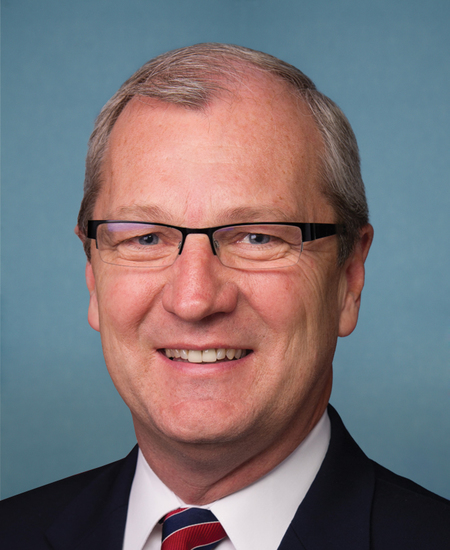
Kevin Cramer
Kevin Cramer Senate
R
Strong +
80% 30
Bernie Moreno
Bernie Moreno Senate
R
Support
77% 31
Amy Klobuchar
Amy Klobuchar Senate
D
Strong −
13% 31
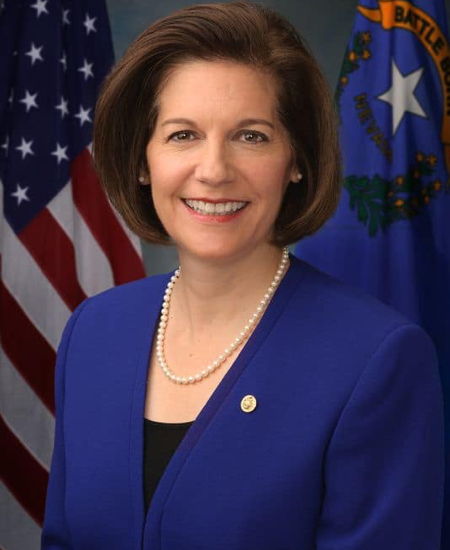
Catherine Cortez Masto
Catherine Cortez Masto Senate
D
Strong −
13% 31
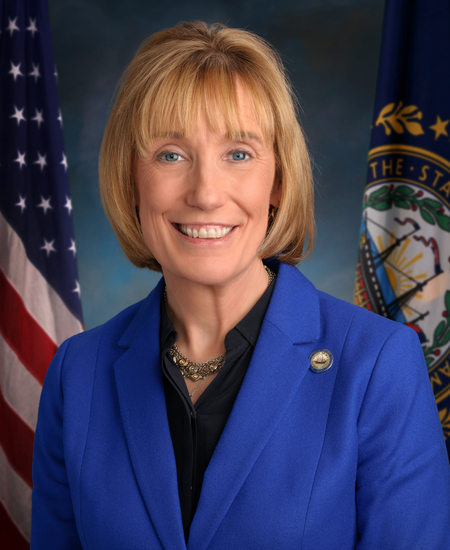
Margaret Wood Hassan
Margaret Wood Hassan Senate
D
Strong −
13% 31
Andy Kim
Andy Kim Senate
D
Strong −
16% 31
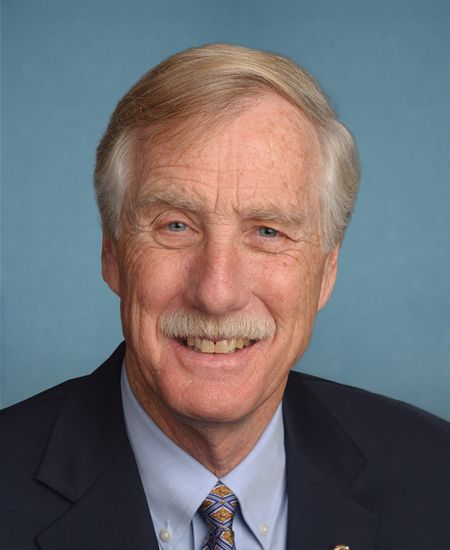
Angus S. King, Jr.
Angus S. King, Jr. Senate
I
Strong −
16% 31
Showing 861–870 of 985 bills

All criminal justice bills

in committee · United States · House May 13, 2025

HCONRES 31: Expressing support for America's law enforcement professionals.

HCONRES 31 is a symbolic resolution expressing congressional support for U.S. law enforcement officers. It acknowledges the risks they face - including over 79,000 assaults on officers in 2023 and a 54% higher suicide rate among officers - while highlighting their service and sacrifices. The resolution calls for honoring fallen officers and advocates for increased safety measures, training, equipment, and mental health resources, though it does not create new laws or allocate funding. It directly affects law enforcement professionals by affirming their value and safety needs, but remains a non-binding expression of support.
Sub-Topics Law Enforcement
in committee · United States · Senate Jan 14, 2026

S 3631: PUBLIC SAFETY Act

This bill, S 3631 (PUBLIC SAFETY Act), increases federal funding for local law enforcement programs. It amends the COPS Hiring Program to redirect funds from U.S. Immigration and Customs Enforcement to the Attorney General, extends grant deadlines to 2030, and waives certain requirements for small local governments (under 175 officers) and tribal governments. It also allocates $45 billion for fiscal year 2025 to the Edward Byrne Memorial Justice Assistance Grant (Byrne JAG) Program, which supports state and local crime prevention and justice initiatives. These changes directly affect cities, counties, townships, and tribal governments seeking federal funding to hire officers and support public safety programs.
Sub-Topics Law Enforcement Tags Public Safety
in committee · United States · Senate Sep 18, 2025

S 2870: Fight Illicit Pill Presses Act

S 2870, the "Fight Illicit Pill Presses Act," requires manufacturers, distributors, and sellers of tableting machines (used to make pills) and their key components (like punches and dies) to permanently affix serial numbers to these items. It mandates that regulated businesses report these serial numbers to the Attorney General and prohibits removing, altering, or trafficking in machines or parts with tampered serial numbers. This law directly affects businesses involved in producing, selling, or distributing pill-making equipment, aiming to improve tracking of machines potentially used for illicit drug manufacturing. The bill amends the Controlled Substances Act to create new recordkeeping and reporting requirements for these specific machines and parts.
Sub-Topics Drug Policy
in committee · United States · Senate Jan 25, 2025

S 256: Pardon Transparency and Accountability Act of 2025

This bill requires the President to publish written reasons for any pardon or clemency in the Federal Register and on the official White House website. It mandates the Pardon Attorney to prepare a "Justice Impact Statement" before a pardon is granted, including victim input (from crimes committed by the recipient) and law enforcement views on ongoing cases. The bill also adds new disclosure requirements for lobbyists who contact officials about potential pardons, requiring them to register and report such activities within two days. These changes aim to increase transparency around presidential clemency decisions and the influence surrounding them.
Sub-Topics Law Enforcement
in committee · United States · House Jan 13, 2026

HR 7046: Qualified Immunity Abolition Act of 2026

HR 7046, the Qualified Immunity Abolition Act of 2026, removes qualified immunity as a defense in civil rights lawsuits against law enforcement officers. It directly affects federal, state, and local law enforcement officers by eliminating their ability to avoid liability in cases where they allegedly violated constitutional rights. The bill amends Section 1983 of federal law to prohibit using four specific defenses: claiming good faith, believing conduct was lawful, arguing rights weren't clearly established, or asserting the law was unclear at the time. This change means officers can no longer dismiss lawsuits based on these arguments after the bill's enactment. The law applies to all civil actions pending or filed after the effective date.
Sub-Topics Civil Rights Law Enforcement Tags Civil Liberties
in committee · United States · House Feb 25, 2026

HRES 1084: HIV is Not a Crime Day Resolution

HRES 1084 designates February 28 as "HIV is Not a Crime Awareness Day" to address the criminalization of people living with HIV. The resolution calls for ending state laws that impose harsh penalties or criminalize consensual acts based solely on HIV status - regardless of transmission risk, intent, or disclosure - and notes these laws disproportionately impact Black and brown communities, Black women, and transgender women. It urges education for law enforcement and communities, removal of outdated HIV criminalization laws, and increased support for HIV prevention, testing, treatment, and care programs. The resolution does not create new laws but advocates for policy changes to align with current medical understanding and reduce stigma.
Sub-Topics Law Enforcement
in committee · United States · Senate Dec 15, 2025

S 3483: A bill to amend title 18, United States Code, to prohibit the consideration of acquitted conduct at sentencing.

This bill (S 3483) prevents federal courts from using conduct for which a defendant was found not guilty (acquitted) as a basis for imposing a harsher sentence. It directly affects federal criminal defendants who were acquitted of specific charges at trial or had charges dismissed after a motion for acquittal. The key change amends sentencing rules to prohibit courts from considering acquitted conduct - defined as acts where the defendant was acquitted or charges were dismissed - except when reducing a sentence. The law applies only to cases where sentencing occurs after the bill becomes law.
Sub-Topics Sentencing
in committee · United States · Senate Oct 30, 2025

S 3087: Stop Pills That Kill Act

This bill targets counterfeit pills containing fentanyl or methamphetamine that mimic legitimate medications. It defines "counterfeit fentanyl or methamphetamine substances" as pills falsely bearing another brand's label while containing those dangerous drugs. The bill requires the DEA to create a comprehensive plan within 180 days, including enhanced law enforcement strategies, youth-focused prevention efforts, and audits of existing campaigns like "One Pill Can Kill." It also mandates annual reports to Congress detailing seizure data, prosecutions, convictions, and prevention measures specifically related to counterfeit pill forms. The legislation directly affects federal law enforcement agencies, public health campaigns, and individuals manufacturing or distributing these deceptive pills.
in committee · United States · House Sep 16, 2025

HR 5391: Bipartisan Bulletproof Vest Partnership Program Expansion Act

The Bipartisan Bulletproof Vest Partnership Program Expansion Act increases federal funding for law enforcement bulletproof vests by raising the grant share from 50% to 60% for state and local agencies. It also authorizes $60 million annually for the program from fiscal years 2026 through 2030. This change reduces the cost burden on participating agencies, requiring them to cover only 40% of vest costs instead of 50%. The bill directly affects state and local law enforcement agencies that apply for these grants to purchase protective gear.
Sub-Topics Law Enforcement
in committee · United States · House May 23, 2025

HR 3602: Ending Qualified Immunity Act

This bill amends federal law (Section 1983) to eliminate qualified immunity as a defense in civil rights lawsuits. It would prevent government officials from avoiding liability by claiming they acted in good faith, believed their actions were lawful, or didn't know a right was clearly established at the time. This directly affects individuals who sue police, law enforcement, or other officials for violating constitutional rights. The change would apply to lawsuits filed after the bill's enactment, requiring officials to face liability under the original standard of Section 1983.
Sub-Topics Civil Rights Law Enforcement Policing Tags Civil Liberties
Showing 861 to 870 of 985 bills
Previous 1 … 86 87 88 … 99 Next