Issue · Criminal Justice

Criminal Justice (Sentencing)

Every criminal justice bill, vote, and legislator stance in United States, automatically classified by Maddy, our AI policy reader.

Total bills
103
119th Congress
Top supporter
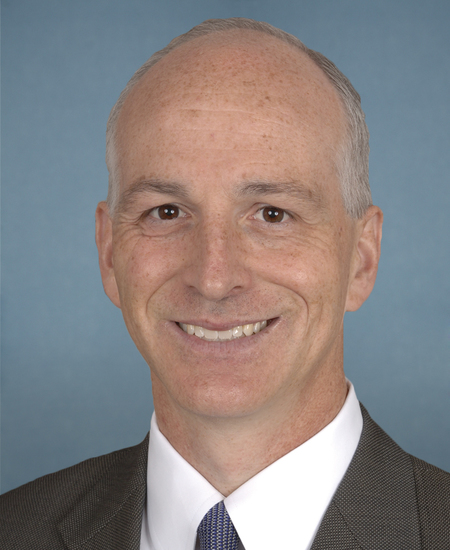
Adam Smith
100% support rate
Top opponent
Aaron Bean
0% support rate
Ranked legislators
10
5 support · 5 oppose
Key legislators

Who's moving sentencing in United States

Legislators moving sentencing in United States
Legislator Party Stance Support rate Votes
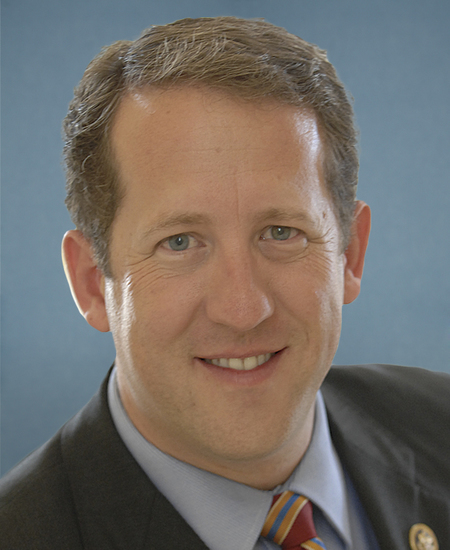
Adam Smith
Adam Smith House · District 9
D
Strong +
100% 3
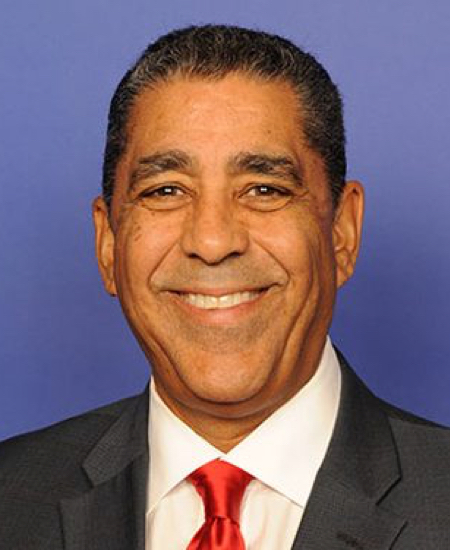
Adriano Espaillat
Adriano Espaillat House · District 13
D
Strong +
100% 3
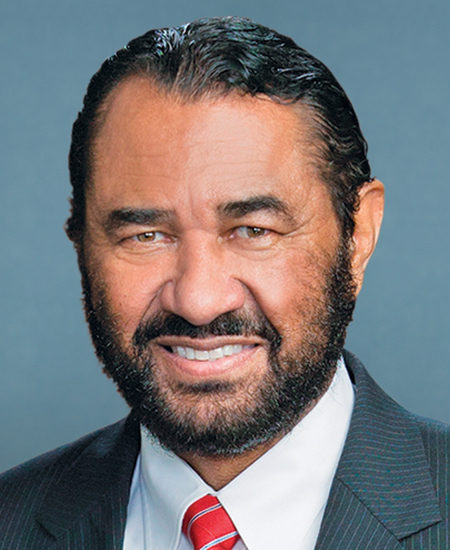
Al Green
Al Green House · District 9
D
Strong +
100% 3
Alexandria Ocasio-Cortez
Alexandria Ocasio-Cortez House · District 14
D
Strong +
100% 3
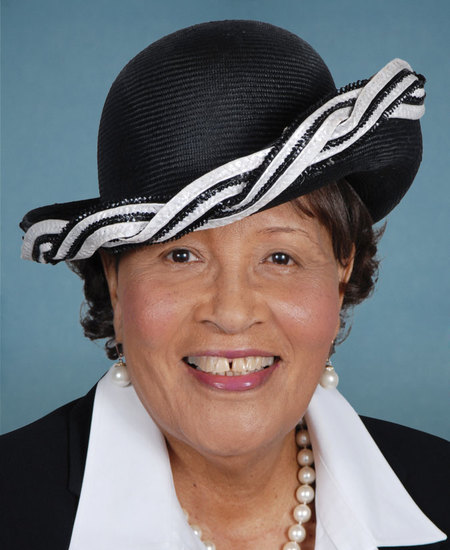
Alma S. Adams
Alma S. Adams House · District 12
D
Strong +
100% 3
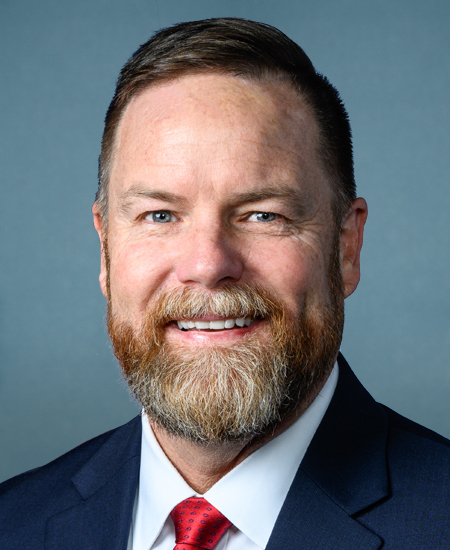
Aaron Bean
Aaron Bean House · District 4
R
Strong −
0% 3
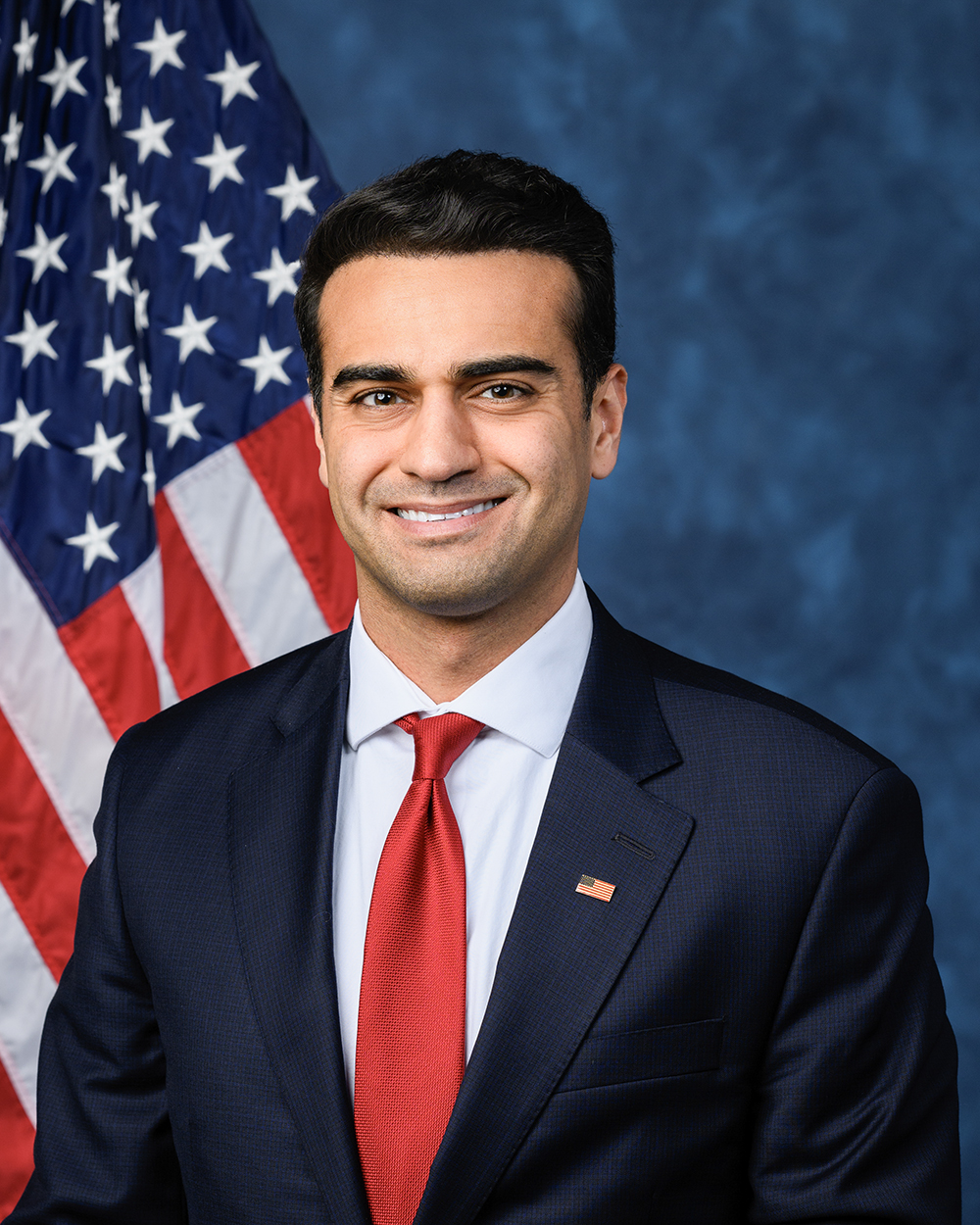
Abraham J. Hamadeh
Abraham J. Hamadeh House · District 8
R
Strong −
0% 3
Adrian Smith
Adrian Smith House · District 3
R
Strong −
0% 3
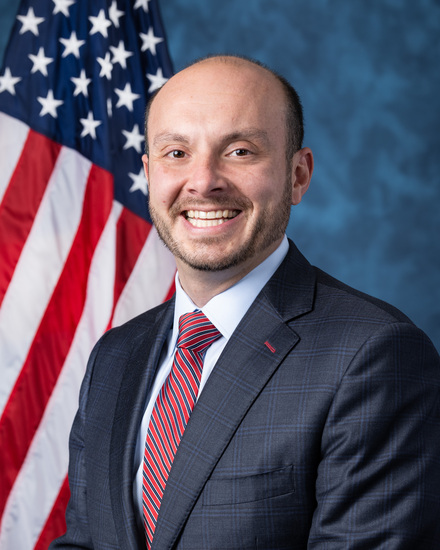
Andrew Ogles
Andrew Ogles House · District 5
R
Strong −
0% 3
Andrew R. Garbarino
Andrew R. Garbarino House · District 2
R
Strong −
0% 3
Showing 71–80 of 103 bills

All criminal justice bills

in committee · United States · Senate Jan 21, 2025

S 166: Justice for Fallen Law Enforcement Act

This bill increases penalties for crimes against law enforcement officers. It adds a minimum 20-year prison sentence for serious injury to any federal, state, or local officer when the attack involves a weapon crossing state lines or uses interstate commerce. It also creates a new provision requiring life sentences for murder of officers under similar interstate circumstances. The bill directly affects officers (federal, state, local) and those who attack them, with the government required to report on prosecutions within three years of enactment.
in committee · United States · Senate Jul 23, 2025

S 2413: Justice for Victims of Illegal Alien Murders Act

S 2413 would amend federal law to impose mandatory death or life imprisonment for first-degree murder and life imprisonment for second-degree murder committed by certain aliens. It directly affects non-citizens classified as "inadmissible" (e.g., due to past crimes) or "deportable" under specific immigration laws (sections 212(a)(6)(A), 212(a)(7), or 237(a)(1)(B)/(C)(i) of the Immigration and Nationality Act). The bill adds new sentencing provisions to Title 18, requiring the harshest penalties for these specific murder cases regardless of the location within U.S. jurisdiction. This changes federal criminal sentencing for a defined group of aliens convicted of murder, without altering immigration enforcement procedures.
Sub-Topics Sentencing Enforcement
in committee · United States · House Feb 6, 2025

HR 1065: Protect Our Letter Carriers Act of 2025

Protect Our Letter Carriers Act of 2025 This bill requires or authorizes certain actions related to the U.S. Postal Service (USPS). The bill requires the Department of Justice to appoint an assistant U.S. attorney in each judicial district to coordinate and supervise the investigation and prosecution of various crimes related to postal services (for example, assault on a postal service employee, breaking into a post office, or obstruction of mails). The bill also requires the U.S. Sentencing Commission to amend sentencing guidelines to provide that the assault or robbery of a postal employee shall be treated the same as the assault of a law enforcement officer. Additionally, the bill authorizes appropriations for the USPS to install high security collection boxes and replace older versions of the universal mailbox key with electronic versions.
in committee · United States · Senate Jan 28, 2025

S 271: Stop Illegal Reentry Act

S 271, the "Stop Illegal Reentry Act," increases penalties for immigrants who re-enter the U.S. after being denied entry, deported, or removed without authorization. It directly affects individuals previously removed or excluded from the U.S. who return without prior consent from the Secretary of Homeland Security. Key provisions include raising maximum prison terms to 10 years for re-entry after prior removals linked to drug crimes, violent offenses, or multiple removals, and mandating a minimum 5-year sentence for those convicted twice of re-entry or of serious crimes before removal. The bill also clarifies that "removal" includes agreements made during criminal trials, expanding the scope of affected individuals.
in committee · United States · Senate Dec 15, 2025

S 3483: A bill to amend title 18, United States Code, to prohibit the consideration of acquitted conduct at sentencing.

This bill (S 3483) prevents federal courts from using conduct for which a defendant was found not guilty (acquitted) as a basis for imposing a harsher sentence. It directly affects federal criminal defendants who were acquitted of specific charges at trial or had charges dismissed after a motion for acquittal. The key change amends sentencing rules to prohibit courts from considering acquitted conduct - defined as acts where the defendant was acquitted or charges were dismissed - except when reducing a sentence. The law applies only to cases where sentencing occurs after the bill becomes law.
Sub-Topics Sentencing
in committee · United States · House May 7, 2025

HR 3242: Punishing Illegal Immigrant Felons Act of 2025

This bill increases mandatory prison sentences for non-citizens convicted of certain crimes after entering the U.S. without authorization or being deported. It raises the minimum sentence from 2 to 5 years for those who improperly enter the U.S. and later commit a crime punishable by over one year in prison. For non-citizens previously deported who commit crimes, it increases the minimum sentence from 2 to 10 years and mandates at least 10 years for offenses including aggravated felonies, state/federal felonies, or crimes punishable by over one year. These changes apply to all non-citizens convicted under these circumstances, regardless of jurisdiction.
in committee · United States · House Feb 13, 2026

HR 7569: Punishing Health Care Fraudsters Act

This bill increases penalties for healthcare fraud involving federal programs like Medicare and Medicaid. It raises maximum prison sentences under federal law from 10 to 25 years and 20 to 30 years, and increases fines from $100,000 to $250,000 for violations of the Social Security Act. The law directly affects individuals or entities committing fraud against federal health programs, such as billing for unnecessary services or stealing patient data. Key provisions amend existing criminal penalties and require the U.S. Sentencing Commission to update guidelines to better reflect the severity of these offenses.
in committee · United States · House Oct 3, 2025

HR 5172: Strong Sentences for Safer D.C. Streets Act of 2025

This bill increases mandatory minimum prison sentences for several serious crimes in the District of Columbia. It mandates life imprisonment without parole for first-degree murder, raises the minimum sentence for rape to 25 years (30 years if the offender has a prior violent crime conviction), and sets new minimums of 10 years for second-degree murder, kidnapping, and burglary. Carjacking without a weapon now requires a minimum of 10 years, while armed carjacking requires 20 years. These changes apply to individuals charged on or after the bill's enactment date and affect all D.C. criminal cases involving these offenses.
in committee · United States · Senate Dec 9, 2025

S 3394: SAFE Act

Sentencing Accountability For Exploitation Act or the SAFE Act This bill directs the U.S. Sentencing Commission to review and amend its guidelines and policy statements applicable to federal criminal offenses involving the production, receipt, transport, shipment, or distribution of child sexual abuse material to (1) account for the actual and potential harm from the offense and changes since the last amendments with respect to the typical offense behavior and modern technologies, and (2) better reflect the spectrum of offender culpability.
in committee · United States · House Sep 30, 2025

HR 5649: Judicial Accountability for Public Safety Act of 2025

HR 5649, the Judicial Accountability for Public Safety Act of 2025, allows individuals injured by a judicial officer's actions to sue for civil damages. It specifically targets cases where a judge intentionally ignored public safety risks or acted with gross negligence during bond or sentencing decisions in criminal cases. Victims must prove their injury with clear and convincing evidence, and courts may award compensatory or punitive damages. This bill removes legal immunity for such judges in these specific circumstances, applying to both federal and state judges handling criminal cases, but does not apply to actions taken in good faith or within normal judicial discretion.
Showing 71 to 80 of 103 bills
Previous 1 7 8 9 11 Next