Issue · Criminal Justice

Criminal Justice (Courts)

Every criminal justice bill, vote, and legislator stance in United States, automatically classified by Maddy, our AI policy reader.

Total bills
146
119th Congress
Top supporter
Adam B. Schiff
100% support rate
Top opponent
Amy Klobuchar
0% support rate
Ranked legislators
10
5 support · 5 oppose
Key legislators

Who's moving courts in United States

Legislators moving courts in United States
Legislator Party Stance Support rate Votes
Adam B. Schiff
Adam B. Schiff Senate
D
Strong +
100% 3
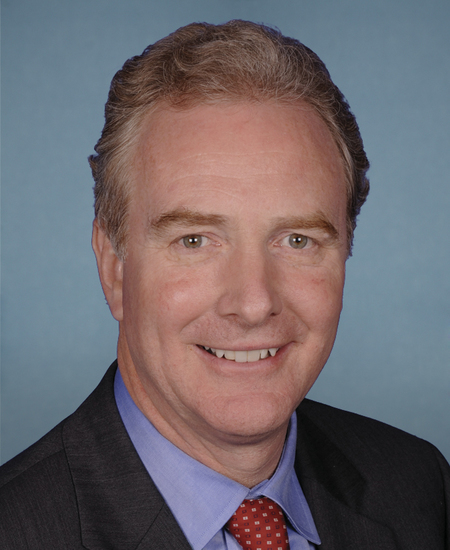
Chris Van Hollen
Chris Van Hollen Senate
D
Strong +
100% 3
Christopher Murphy
Christopher Murphy Senate
D
Strong +
100% 3
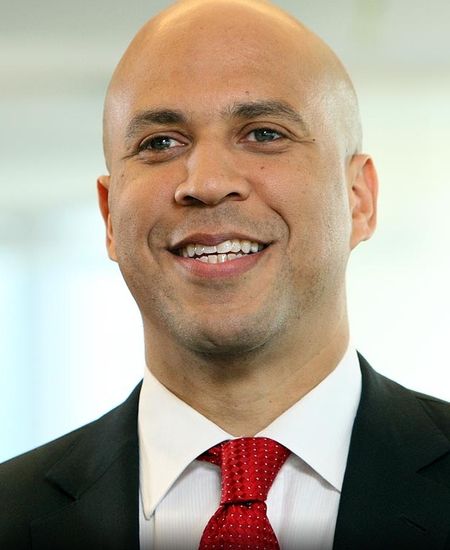
Cory A. Booker
Cory A. Booker Senate
D
Strong +
100% 3
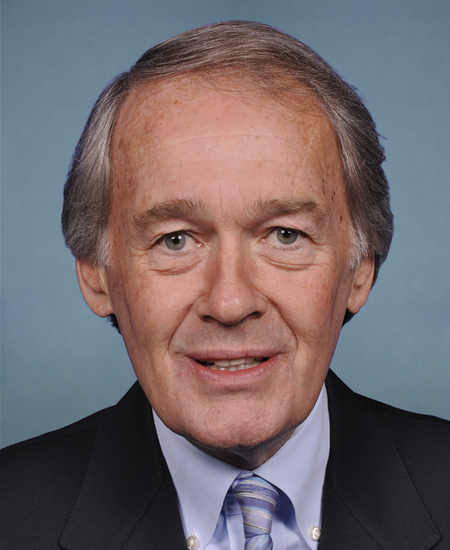
Edward J. Markey
Edward J. Markey Senate
D
Strong +
100% 3
Amy Klobuchar
Amy Klobuchar Senate
D
Strong −
0% 3
Andy Kim
Andy Kim Senate
D
Strong −
0% 3
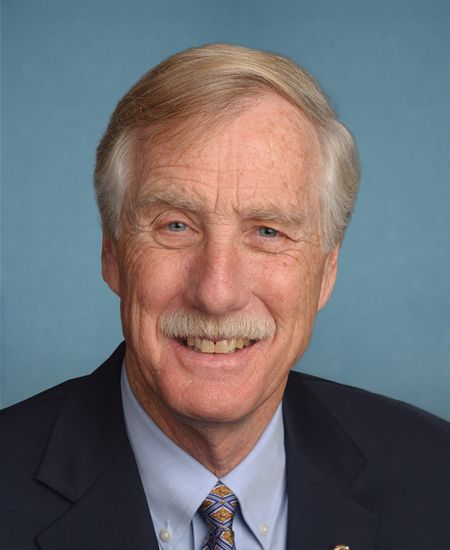
Angus S. King, Jr.
Angus S. King, Jr. Senate
I
Strong −
0% 3
Ashley Moody
Ashley Moody Senate
R
Strong −
0% 3
Ben Ray Luján
Ben Ray Luján Senate
D
Strong −
0% 3
Showing 71–80 of 146 bills

All criminal justice bills

passed · United States · House Feb 10, 2025

HR 27: HALT Fentanyl Act

The HALT Fentanyl Act (HR 27) creates a new category of Schedule I controlled substances for "fentanyl-related substances" defined by specific chemical modifications to fentanyl. This law directly affects researchers, medical professionals, and law enforcement by expanding the legal definition of fentanyl-related substances to include many structurally similar compounds. Key provisions include streamlined registration processes for research on these substances, allowing researchers to conduct studies with expedited procedures if related to FDA-approved drug development or government-funded research. The bill requires the Attorney General to issue implementing rules within six months and includes penalties for violations involving these substances.
in committee · United States · House May 26, 2025

HR 3615: SAFE Act

HR 3615, the SAFE Act, prohibits the use of federal funds to pay foreign governments or organizations for detaining individuals when a U.S. court has determined such detention violates U.S. law. It blocks federal money from being spent - directly or indirectly - to cover costs related to these detentions, including through third parties. The law specifically applies when a U.S. court has ruled the detention unlawful under U.S. legal standards, affecting federal agencies that might fund such arrangements and foreign entities receiving those funds.
Sub-Topics Courts
in committee · United States · Senate Mar 6, 2025

S 889: Extreme Risk Protection Order Expansion Act of 2025

This bill establishes a federal grant program to help states and tribes implement Extreme Risk Protection Orders (ERPOs), which temporarily restrict firearm access for individuals deemed to pose a danger to themselves or others. To qualify for grants, states and tribes must enact legislation meeting specific requirements, including petition processes, notice and hearing procedures, and standards for issuing ERPOs. The bill requires states to notify federal authorities about ERPOs and update the National Instant Criminal Background Check System, ensuring ERPOs are recognized across state lines. It also mandates training for law enforcement on the safe, impartial use of ERPOs and includes provisions for reporting demographic data on petitioners and respondents. The legislation directly affects states, tribes, law enforcement officers, and individuals subject to ERPOs.
in committee · United States · House Jan 16, 2025

HR 545: To direct the Attorney General to conduct a study on the efficacy of extreme risk protection orders on reducing gun violence, and for other purposes.

HR 545 requires the Attorney General to study how effectively extreme risk protection orders (ERPOs) reduce gun violence. The study must be completed within one year of the bill's enactment and conducted by the Bureau of Justice Assistance. This bill does not change existing laws or impose new requirements on individuals; it only directs a federal study on ERPOs, which are court-ordered temporary firearm removals for high-risk individuals. The summary focuses solely on the bill's procedural mandate, not on policy outcomes.
in committee · United States · House Feb 11, 2026

HR 7491: Effective Assistance of Counsel in the Digital Era Act

HR 7491, the Effective Assistance of Counsel in the Digital Era Act, protects attorney-client communications for incarcerated people by prohibiting government monitoring of their electronic messages with lawyers. The bill requires the Attorney General to create or modify a secure system within 180 days that excludes privileged communications from monitoring, while allowing retention of these messages until the person’s release. It mandates strict safeguards: law enforcement can only access retained communications with a court-issued warrant (requiring U.S. Attorney approval), and a U.S. Attorney must review messages first to ensure privileged content isn’t accessed; they’re also barred from participating in related legal cases. This directly affects incarcerated individuals communicating digitally with their attorneys or legal representatives, including through systems like the Trust Fund Limited Inmate Computer System.
in committee · United States · House Nov 21, 2025

HR 6258: Disarm Hate Act

This bill, the Disarm Hate Act (HR 6258), bars individuals convicted of a hate-motivated misdemeanor crime or who received an enhanced sentence for such a crime from purchasing, possessing, shipping, or transporting firearms under federal law. It directly affects people convicted in any court of a misdemeanor that involved hate or bias (based on race, religion, sexual orientation, gender identity, or disability) and included physical force, threats, or credible safety threats. The bill amends existing federal gun laws (Section 922(d) and 922(g)) to add these new prohibitions, preventing gun sales to and possession by these individuals. It does not apply to expunged convictions, pardons, or cases where legal rights were properly waived.
in committee · United States · Senate Jun 27, 2025

S 2201: LGBTQ+ Panic Defense Prohibition Act of 2025

This bill prohibits defendants in federal criminal cases from using a victim's LGBTQ+ sexual orientation, gender identity, or expression as a legal excuse for violent crimes like assault or murder. It directly affects defendants who attempt to justify violence by claiming the victim's identity provoked them, and it protects LGBTQ+ victims by preventing their identities from being used to reduce sentences. The law bans such defenses entirely, except when evidence of the defendant's past trauma is admitted under standard federal evidence rules. It also requires the Attorney General to annually report on federal prosecutions involving violence against LGBTQ+ individuals motivated by bias. This is a concrete policy change to end the use of discriminatory defenses in federal court.
Sub-Topics Courts Violent Crime
in committee · United States · House Aug 1, 2025

HR 4846: ROAD Act

HR 4846, the ROAD Act, creates a new legal defense for drivers involved in vehicle-related injuries or property damage during riots. It allows defendants to claim this defense if they were convicted of rioting under 18 U.S.C. § 2101 or if the court finds rioting occurred by a preponderance of evidence. The bill requires courts to pause civil cases during related criminal trials unless a conviction wouldn't support the defense. This applies specifically to cases involving motor vehicle incidents stemming from riots, directly affecting defendants with prior riot convictions. The law amends Title 18 to add Section 40B as a procedural change.
Sub-Topics Courts
in committee · United States · House Feb 17, 2026

HR 7599: Federal Extreme Risk Protection Order Act of 2026

HR 7599 creates a federal framework for extreme risk protection orders (ERPOs), allowing family members or law enforcement to petition courts to temporarily prohibit individuals from possessing firearms when they pose a risk of harm to themselves or others. The bill establishes a process for issuing ex parte orders (up to 14 days) followed by a hearing within 72 hours to determine if a longer-term order (up to 180 days) should be issued, requiring respondents to surrender firearms to U.S. Marshals or designated law enforcement. Courts must consider specific factors like recent threats, violence, substance abuse, or cruelty to animals before issuing orders, with no fees for petitioners. The law requires law enforcement training to address bias, includes annual reporting requirements, and ensures firearms are returned once the order expires and the individual is eligible to own firearms under federal law.
passed · United States · House Mar 2, 2026

HR 6719: James T. Woods Act

James T. Woods Act This bill expands the federal framework for combating the online exploitation of children. Among its provisions, the bill establishes new criminal offenses, expands reporting requirements, and facilitates the prosecution and sentencing of offenders.   TITLE I—SAFE ACT Sentencing Accountability For Exploitation Act or the SAFE Act This title directs the U.S. Sentencing Commission to review and amend its guidelines and policy statements applicable to federal criminal offenses involving the production, receipt, transport, shipment, or distribution of child sexual abuse material to (1) account for the actual and potential harm from the offense and changes since the last amendments with respect to the typical offense behavior and modern technologies, and (2) better reflect the spectrum of offender culpability. TITLE II—ENDING COERCION OF CHILDREN AND HARM ONLINE Ending Coercion of Children and Harm Online Act or the ECCHO Act This title establishes a federal framework to combat the online coercion of minors to commit harm. The title creates new criminal offenses, expands reporting of instances involving the online coercion of minors, facilitates the prosecution of offenders, and expands protections for minors who testify in court.   TITLE III—STOP SEXTORTION Stop Sextortion Act This title criminalizes threats to distribute child sexual abuse material to intimidate, coerce, extort, or cause substantial emotional distress. This practice is commonly referred to as sextortion . The title also increases criminal penalties for related offenses that involve the use of child sexual abuse material to intimidate, coerce, extort, or cause substantial emotional distress.
Showing 71 to 80 of 146 bills
Previous 1 7 8 9 15 Next