Issue · Criminal Justice

Criminal Justice (Drug Policy)

Every criminal justice bill, vote, and legislator stance in United States, automatically classified by Maddy, our AI policy reader.

Total bills
85
119th Congress
Top supporter
Adam B. Schiff
100% support rate
Top opponent
Amy Klobuchar
0% support rate
Ranked legislators
10
5 support · 5 oppose
Key legislators

Who's moving drug policy in United States

Legislators moving drug policy in United States
Legislator Party Stance Support rate Decisive votes
Adam B. Schiff
Adam B. Schiff Senate
D
Strong +
100% 3
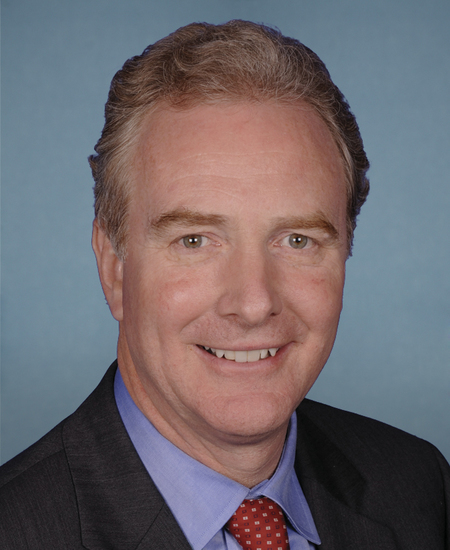
Chris Van Hollen
Chris Van Hollen Senate
D
Strong +
100% 3
Christopher Murphy
Christopher Murphy Senate
D
Strong +
100% 3
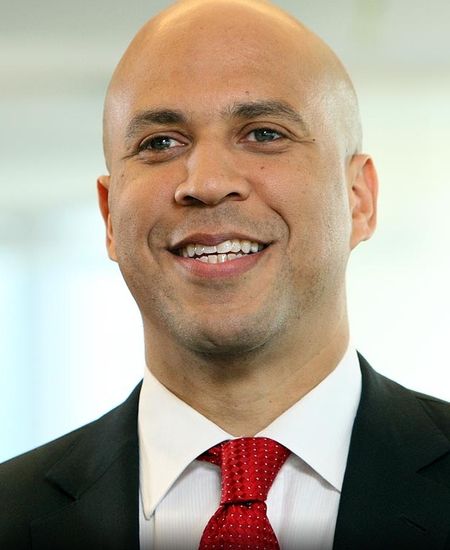
Cory A. Booker
Cory A. Booker Senate
D
Strong +
100% 3
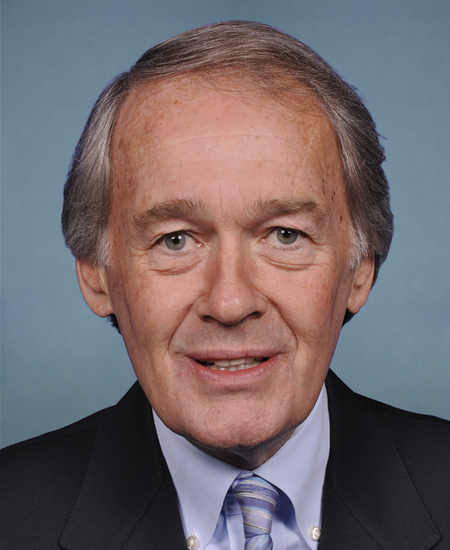
Edward J. Markey
Edward J. Markey Senate
D
Strong +
100% 3
Amy Klobuchar
Amy Klobuchar Senate
D
Strong −
0% 3
Andrea Salinas
Andrea Salinas House · District 6
D
Strong −
0% 3
Andy Kim
Andy Kim Senate
D
Strong −
0% 3
Angus S. King, Jr.
Angus S. King, Jr. Senate
I
Strong −
0% 3
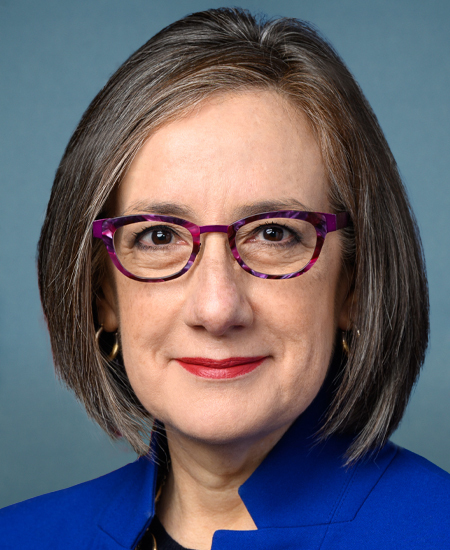
April McClain Delaney
April McClain Delaney House · District 6
D
Strong −
0% 3
Showing 71–80 of 85 bills

All criminal justice bills

in committee · United States · House Apr 17, 2025

HR 2964: Fight Fentanyl Act

The Fight Fentanyl Act increases annual funding for fentanyl-related law enforcement efforts to $333 million from 2025 through 2030. It requires the Office of National Drug Control Policy to report annually on how HIDTA (High Intensity Drug Trafficking Area) funds target fentanyl trafficking, including seizure data and threat assessments. The bill also mandates the Attorney General to prioritize fentanyl prosecutions by temporarily reassigning U.S. attorneys to these cases. These provisions directly affect federal, state, local, and tribal law enforcement agencies working on fentanyl interdiction and prosecution.
in committee · United States · Senate Dec 11, 2025

S 3430: PURE Act

This bill removes the requirement to test methamphetamine purity for sentencing under federal law. It amends the Controlled Substances Act to eliminate purity thresholds in sentencing guidelines for methamphetamine offenses, as current methamphetamine is consistently over 80% pure (95.1% in 2024), making purity testing unnecessary. The bill directs the U.S. Sentencing Commission to review and update sentencing guidelines for methamphetamine cases to maintain deterrent severity while focusing on factors like victim impact or weapon use. It directly affects federal prosecutors, courts, and defendants in methamphetamine trafficking cases by streamlining prosecutions and reducing laboratory burdens.
Sub-Topics Drug Policy Sentencing
in committee · United States · House Sep 26, 2025

HR 5573: Combatting Fentanyl Poisonings Act of 2025

HR 5573, the Combatting Fentanyl Poisonings Act of 2025, creates three federal grant programs to address fentanyl-related harms. It funds state/local law enforcement to target illegal social media sales of controlled substances (including fentanyl-laced counterfeit pills) and provides education for schools and parents about fentanyl risks. Nonprofits receive grants up to $50,000 to run public awareness campaigns, produce educational materials, and offer counseling for families affected by fentanyl deaths - though funds cannot cover most harm reduction supplies (only naloxone is permitted). The bill allocates $10 million for law enforcement programs, $3 million for awareness grants, and $2 million for officer safety equipment like fentanyl test strips and naloxone training.
in committee · United States · Senate Jun 26, 2025

S 2186: Preventing Pretrial Gun Purchases Act

This bill amends federal gun law to prevent individuals under certain court-ordered pretrial restrictions from purchasing firearms. It adds a new definition of "pretrial release order" (a court order restricting release pending trial) and modifies Section 922(d) to explicitly prohibit firearm purchases or possession by anyone subject to such an order. The law directly affects arrested individuals awaiting trial who have a court order banning firearm possession, including those in federal, state, tribal, or local courts. The key change clarifies that firearm transfers to these individuals would violate federal law, strengthening background checks during the pretrial phase.
in committee · United States · Senate Sep 18, 2025

S 2870: Fight Illicit Pill Presses Act

S 2870, the "Fight Illicit Pill Presses Act," requires manufacturers, distributors, and sellers of tableting machines (used to make pills) and their key components (like punches and dies) to permanently affix serial numbers to these items. It mandates that regulated businesses report these serial numbers to the Attorney General and prohibits removing, altering, or trafficking in machines or parts with tampered serial numbers. This law directly affects businesses involved in producing, selling, or distributing pill-making equipment, aiming to improve tracking of machines potentially used for illicit drug manufacturing. The bill amends the Controlled Substances Act to create new recordkeeping and reporting requirements for these specific machines and parts.
Sub-Topics Drug Policy
in committee · United States · Senate Oct 30, 2025

S 3087: Stop Pills That Kill Act

This bill targets counterfeit pills containing fentanyl or methamphetamine that mimic legitimate medications. It defines "counterfeit fentanyl or methamphetamine substances" as pills falsely bearing another brand's label while containing those dangerous drugs. The bill requires the DEA to create a comprehensive plan within 180 days, including enhanced law enforcement strategies, youth-focused prevention efforts, and audits of existing campaigns like "One Pill Can Kill." It also mandates annual reports to Congress detailing seizure data, prosecutions, convictions, and prevention measures specifically related to counterfeit pill forms. The legislation directly affects federal law enforcement agencies, public health campaigns, and individuals manufacturing or distributing these deceptive pills.
in committee · United States · House Dec 17, 2025

HR 6789: Federal Prisons Naloxone Access Act of 2025

HR 6789, the Federal Prisons Naloxone Access Act of 2025, requires federal prisons to maintain naloxone kits in all correctional facilities, including medical units, staff areas, and common spaces where incarcerated people gather. The bill mandates annual training for staff and incarcerated individuals on opioid overdose recognition and kit use, ensures proper storage and expiration checks, and requires detailed documentation of each kit administration. It also prohibits holding incarcerated people liable for good-faith naloxone use during an overdose and requires annual reports to Congress on kit availability, overdose incidents, training, and expired kits. The law authorizes $6 million for 2026 and $2 million annually through 2028 for implementation, including kit purchases and training.
in committee · United States · Senate Jun 5, 2025

S 1975: Dark Web Interdiction Act of 2025

The Dark Web Interdiction Act of 2025 creates a new federal task force within the FBI to target drug trafficking and illegal marketplaces operating on the dark web. It directly affects law enforcement agencies (including the FBI, DEA, and Homeland Security) by requiring them to investigate, disrupt, and dismantle dark web marketplaces selling drugs, weapons, and stolen data. Key provisions include establishing the Joint Criminal Opioid and Darknet Enforcement Task Force, mandating specialized training for investigators on dark web evidence collection, and requiring annual reports on task force activities and virtual currency use in illicit transactions. The bill amends the Controlled Substances Act to explicitly prohibit distributing controlled substances via the dark web, with enhanced penalties for violations.
in committee · United States · Senate Feb 4, 2026

S 3779: ICE Out of Our Faces Act

The ICE Out of Our Faces Act prohibits U.S. Immigration and Customs Enforcement (ICE) and U.S. Customs and Border Protection (CBP) officers from using facial recognition, voice recognition, or other biometric surveillance technology for immigration enforcement. It directly affects ICE, CBP, and 287(g) deputized officers by banning their acquisition, possession, or use of such technology in the U.S. The bill requires immediate deletion of all existing biometric data collected by these officers within 30 days and makes evidence obtained in violation inadmissible in court. Violations could lead to lawsuits by affected individuals or state attorneys general, with possible damages, penalties, or injunctive relief.
in committee · United States · Senate May 1, 2025

S 1580: Clean Slate Act of 2025

The Clean Slate Act of 2025 provides two pathways to seal certain criminal records. It automatically seals records of individuals arrested but not convicted for federal offenses after 180 days, and seals records of those convicted of specific marijuana offenses after completing their sentences. For other nonviolent offenses, individuals can petition courts for record sealing after completing sentences, with courts weighing rehabilitation against public safety concerns. Sealed records cannot be used in most background checks, though law enforcement and security positions may access them, and employers hiring individuals with sealed records are protected from liability for related misconduct.
Showing 71 to 80 of 85 bills
Previous 1 … 7 8 9 Next