Issue · Criminal Justice

Criminal Justice

Every criminal justice bill, vote, and legislator stance in United States, automatically classified by Maddy, our AI policy reader.

Total bills
985
119th Congress
Top supporter
Alan Armstrong
86% support rate
Top opponent
Amy Klobuchar
13% support rate
Ranked legislators
10
5 support · 5 oppose
Key legislators

Who's moving criminal justice in United States

Legislators moving criminal justice in United States
Legislator Party Stance Support rate Decisive votes
AA
Alan Armstrong Senate
R
Strong +
86% 28
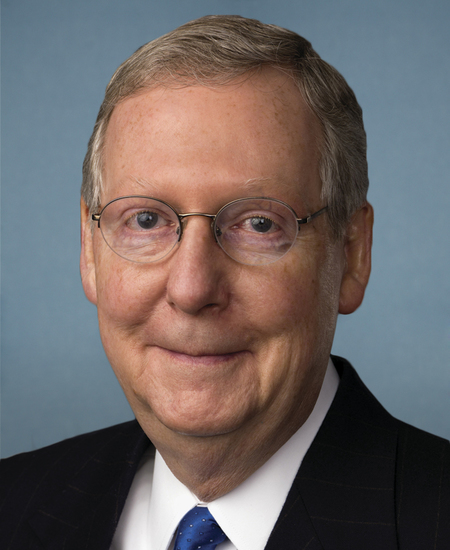
Mitch McConnell
Mitch McConnell Senate
R
Strong +
84% 31
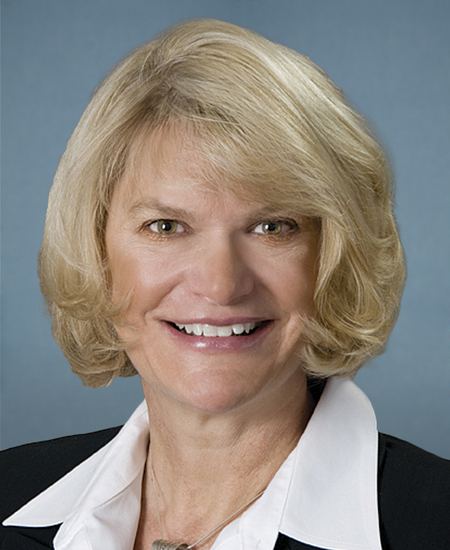
Cynthia M. Lummis
Cynthia M. Lummis Senate
R
Strong +
80% 30
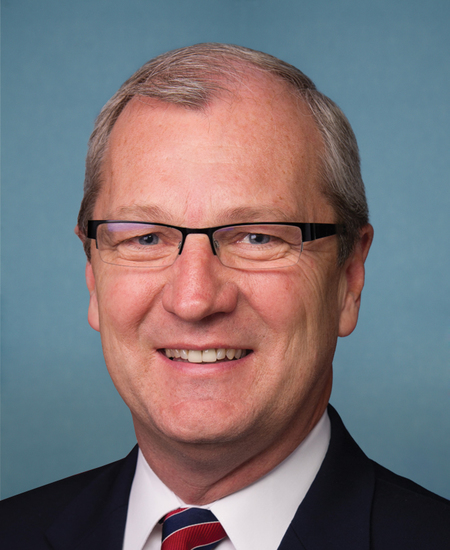
Kevin Cramer
Kevin Cramer Senate
R
Strong +
80% 30
Bernie Moreno
Bernie Moreno Senate
R
Support
77% 31
Amy Klobuchar
Amy Klobuchar Senate
D
Strong −
13% 31
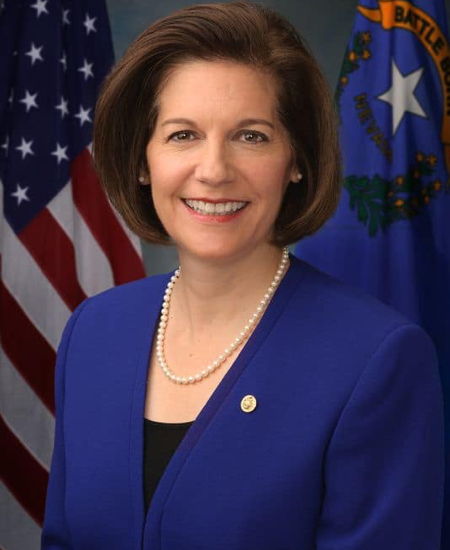
Catherine Cortez Masto
Catherine Cortez Masto Senate
D
Strong −
13% 31
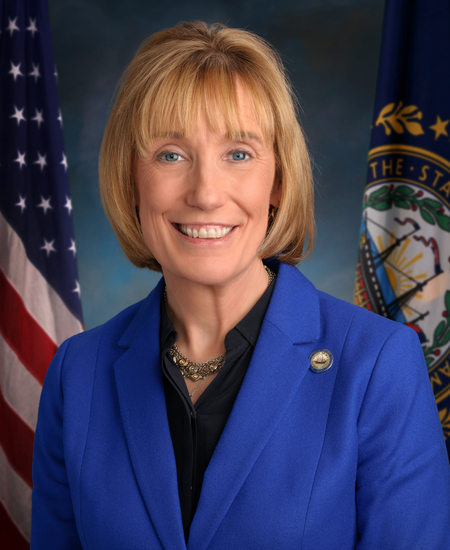
Margaret Wood Hassan
Margaret Wood Hassan Senate
D
Strong −
13% 31
Andy Kim
Andy Kim Senate
D
Strong −
16% 31
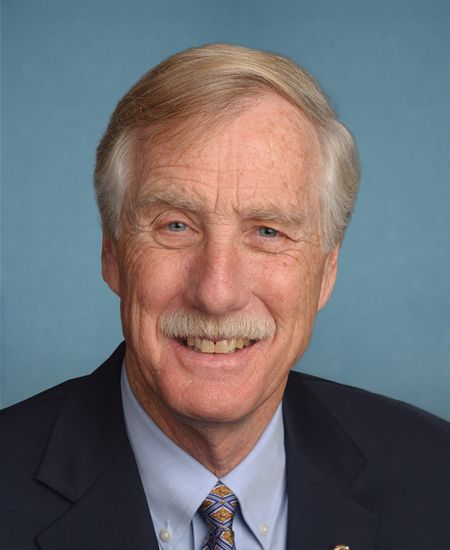
Angus S. King, Jr.
Angus S. King, Jr. Senate
I
Strong −
16% 31
Showing 771–780 of 985 bills

All criminal justice bills

in committee · United States · Senate May 1, 2025

S 1574: Tribal Access to Electronic Evidence Act

S 1574, the Tribal Access to Electronic Evidence Act, allows tribal courts to legally request electronic evidence from service providers under the same rules as state courts. It directly affects tribal courts and tribal governments by adding "Tribal court" to the definition of "court of competent jurisdiction" in the Stored Communications Act. Key provisions require warrants for electronic evidence to follow specific tribal court procedures outlined in the Indian Civil Rights Act (25 U.S.C. 1302(a)(2)), rather than solely federal or state rules. This change ensures tribal courts can independently seek warrants for digital evidence stored for 180 days or less, aligning their authority with state courts. The bill makes no changes to the actual content of warrants but formalizes tribal courts' standing in electronic evidence requests.
Sub-Topics Civil Rights Courts Tags Tribal Nations
in committee · United States · House Apr 1, 2025

HR 2586: Reentry Act of 2025

HR 2586, the Reentry Act of 2025, amends Medicaid rules to allow incarcerated individuals to receive Medicaid coverage during the 30 days immediately before their release from prison or jail. This directly affects people leaving correctional facilities, ensuring they can access health care as they transition back into communities. The bill requires a report within 18 months analyzing current health care standards in prisons, the number of people who would gain coverage, and current discharge practices to improve Medicaid enrollment for newly released individuals. The report will also assess how to better connect people with community health services and addiction treatment after release.
in committee · United States · House May 21, 2026

HR 1010: BADGES for Native Communities Act

Bridging Agency Data Gaps and Ensuring Safety for Native Communities Act or the BADGES for Native Communities Act This bill revises federal policies and procedures related to information sharing, reporting, and investigating cases of missing, unidentified, or murdered Indians. Among other elements, the bill requires the Department of Justice to (1) establish a grant program for specified entities (e.g., tribes) to implement changes to enhance their responses to missing person cases and death investigations of interest to tribes, and (2) work with the Department of Health and Human Services to ensure that federal training resources and culturally appropriate mental health and wellness programs are available to tribal and Bureau of Indian Affairs (BIA) law enforcement officers. The Department of the Interior must establish a five-year demonstration program for the purpose of conducting or adjudicating personnel background investigations for applicants for law enforcement positions in the BIA. The bill also requires the Government Accountability Office to conduct specified studies, including a study on the evidence collection, handling, response times, and processing procedures and practices of federal law enforcement agencies.
Sub-Topics Law Enforcement
in committee · United States · House Jun 26, 2025

HR 4173: Preventing Pretrial Gun Purchases Act

The Preventing Pretrial Gun Purchases Act would prohibit firearm sales to individuals subject to a court order (released before trial) that specifically bans them from possessing or purchasing guns. It amends federal gun law to add such court orders as a new reason for barring firearm transfers, updating background check systems to require states to report these orders to the national database. The bill allocates $25 million annually from 2026 to 2030 to help states and tribes report these orders, ensuring gun dealers can check eligibility during background checks. This directly affects people under such court orders and gun dealers processing transfers.
Sub-Topics Courts Firearms
in committee · United States · Senate Jun 26, 2025

S 2198: Military in Law Enforcement Accountability Act

This bill requires the President to submit written justification to Congress before the military can assist civilian law enforcement during six specific emergencies: humanitarian crises, natural disasters, public health emergencies, critical infrastructure attacks, nuclear/military attacks, or major terrorist incidents. It limits military support to 14 days without congressional approval via a special joint resolution, which must include a description of the emergency's impact. The bill also prohibits military personnel from holding civilian law enforcement positions simultaneously (with limited reserve component exceptions) and removes references to "civil disturbances" from military support guidelines. These changes aim to establish clearer congressional oversight for military involvement in domestic law enforcement operations.
Sub-Topics Law Enforcement
in committee · United States · House Nov 18, 2025

HR 6103: LAB Personnel Act of 2025

HR 6103, the LAB Personnel Act of 2025, protects the Drug Enforcement Administration's (DEA) forensic laboratory workforce from reductions due to budget cuts or funding shifts. It specifically exempts forensic chemists, fingerprint specialists, digital forensic examiners, and other roles relocating to new DEA forensic labs from hiring freezes or workforce cuts. The bill does not affect the Attorney General's authority to address misconduct or poor performance under existing procedures. This law directly affects DEA forensic lab personnel by guaranteeing their positions remain secure during budget adjustments.
passed · United States · Senate May 4, 2026

S 1199: SBA Fraud Enforcement Extension Act

This bill extends the statute of limitations for fraud enforcement related to two specific Small Business Administration (SBA) grant programs. It adds a 10-year time limit for criminal prosecutions or civil enforcement actions targeting violations of federal fraud, identity theft, or false claims laws (e.g., 18 U.S.C. §§ 371, 1028A, 1344, 1956) involving grants for shuttered venue operators (under the 2021 Consolidated Appropriations Act) and restaurant revitalization (under the American Rescue Plan Act). The bill directly affects recipients of these SBA grants by setting a clear 10-year window for legal action against alleged fraud. It does not change the grant programs themselves, only the timeframe for enforcing fraud-related penalties.
Tags Small Business
in committee · United States · Senate Jun 26, 2025

S 2192: Clean Hands Firearm Procurement Act

This bill prohibits federal agencies from entering contracts with firearm dealers who have been linked to crime through gun tracing. Specifically, dealers with 25 or more firearms traced to crimes within 2 of the last 3 years (as tracked by the ATF) are listed annually and barred from federal contracts for three years. Federal agencies must avoid such contracts, though the Defense or Homeland Security secretaries may request limited national security waivers, which require immediate congressional notification. The law aims to restrict federal spending with dealers frequently involved in crime-linked firearms, without altering gun ownership laws.
Sub-Topics Firearms
in committee · United States · Senate Mar 25, 2025

S 1101: SHARE Act of 2025

The SHARE Act of 2025 updates federal rules for sharing criminal background check data used in professional licensing. It requires the FBI to provide criminal history record information to state licensing authorities for background checks when states are part of an interstate compact. States must use this data solely for licensing decisions and cannot share the full records with other states, commissions, or the public. Instead, they may only share a binary result (e.g., "satisfactory" or "unsatisfactory") regarding the background check. This directly affects state licensing boards and professionals seeking licenses across participating states.
Sub-Topics Firearms Tags Licensing
in committee · United States · House Feb 11, 2026

HR 7490: Tribal Warrant Fairness Act

The Tribal Warrant Fairness Act updates federal law to ensure Indian tribes have equal standing with local and state governments in specific law enforcement contexts. It amends the U.S. Marshals Service statute to explicitly include "Tribal fugitive matters" when requested by an Indian Tribe, and revises the Presidential Threat Protection Act to add "Indian Tribes" and "Tribal law" to relevant provisions. These changes directly affect tribal governments by requiring federal agencies to recognize tribal requests and jurisdiction in warrant-related matters and threat protection. The bill makes no new policy but clarifies existing federal procedures to include tribal authorities on par with local and state entities.
Sub-Topics Law Enforcement Tags Tribal Nations
Showing 771 to 780 of 985 bills
Previous 1 … 77 78 79 … 99 Next