Issue · Criminal Justice

Criminal Justice

Every criminal justice bill, vote, and legislator stance in United States, automatically classified by Maddy, our AI policy reader.

Total bills
985
119th Congress
Top supporter
Alan Armstrong
86% support rate
Top opponent
Amy Klobuchar
13% support rate
Ranked legislators
10
5 support · 5 oppose
Key legislators

Who's moving criminal justice in United States

Legislators moving criminal justice in United States
Legislator Party Stance Support rate Decisive votes
AA
Alan Armstrong Senate
R
Strong +
86% 28
Mitch McConnell
Mitch McConnell Senate
R
Strong +
84% 31
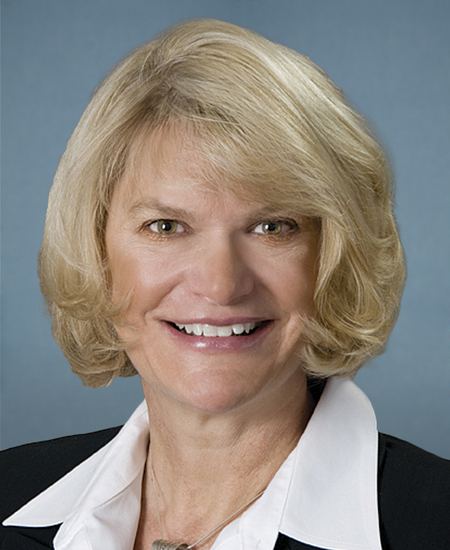
Cynthia M. Lummis
Cynthia M. Lummis Senate
R
Strong +
80% 30
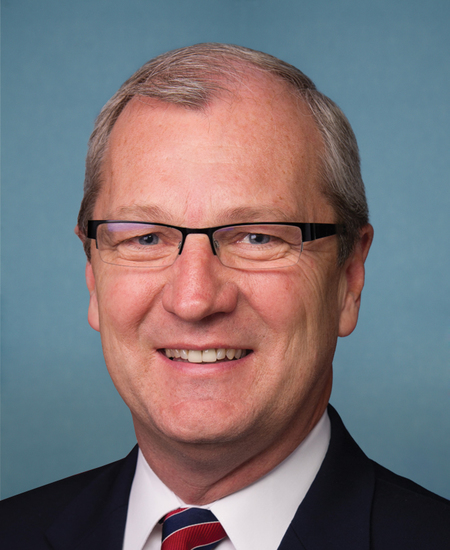
Kevin Cramer
Kevin Cramer Senate
R
Strong +
80% 30
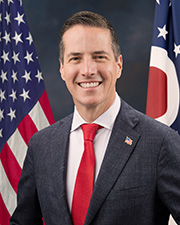
Bernie Moreno
Bernie Moreno Senate
R
Support
77% 31
Amy Klobuchar
Amy Klobuchar Senate
D
Strong −
13% 31
Catherine Cortez Masto
Catherine Cortez Masto Senate
D
Strong −
13% 31
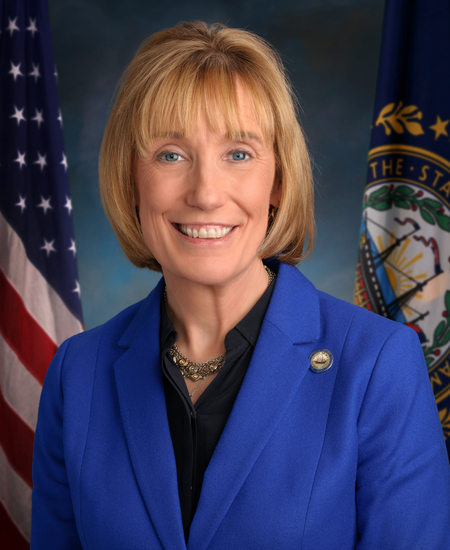
Margaret Wood Hassan
Margaret Wood Hassan Senate
D
Strong −
13% 31
Andy Kim
Andy Kim Senate
D
Strong −
16% 31
Angus S. King, Jr.
Angus S. King, Jr. Senate
I
Strong −
16% 31
Showing 691–700 of 985 bills

All criminal justice bills

in committee · United States · Senate Jan 15, 2026

S 3664: Correctional Facility Disaster Preparedness Act of 2026

S 3664, the Correctional Facility Disaster Preparedness Act of 2026, requires federal prisons and contracted facilities to submit annual reports after major disasters (like natural events or public health emergencies) detailing impacts on inmates and staff. The reports must include specific data on injuries, access to medical care, food, water, early release decisions, visitation rights, disability accommodations, and facility repair costs. The Bureau of Prisons must also develop a corrective action plan with a timeline to improve emergency preparedness and provide legislative recommendations to Congress. Additionally, the bill amends the National Institute of Corrections to add new expertise requirements for its board members and mandates public hearings on integrating disaster planning into facility operations.
Sub-Topics Corrections Tags Emergency Management
passed · United States · Senate Aug 1, 2025

S 911: Chief Herbert D. Proffitt Act of 2025

This bill amends the Public Safety Officers' Death Benefits Program to include retired law enforcement officers who die or become permanently disabled due to targeted attacks related to their past service. It adds a new eligibility provision (Section 1201(p)) defining "retired law enforcement officer" and covering injuries from attacks specifically motivated by their former role. The law applies retroactively to pending claims and new filings after enactment, with exceptions for cases occurring before 2012. It directly affects retired officers whose service led to targeted violence, expanding their access to death and disability benefits under existing federal law.
Sub-Topics Law Enforcement Tags Public Safety
in committee · United States · House Jan 13, 2025

HR 350: Prosecutors Need to Prosecute Act

HR 350, the "Prosecutors Need to Prosecute Act," requires district attorneys in jurisdictions with 380,000 or more residents that receive federal Byrne grant funds to submit annual reports to the Attorney General. The reports must detail how many cases involving serious crimes - like murder, robbery, aggravated assault, and gun offenses - they referred for prosecution, declined, or resolved via plea deals, including data on repeat offenders and bail decisions. The Attorney General will establish uniform reporting standards and share the collected data with Congress and the public via a website. This bill directly affects large prosecutor offices receiving federal crime-fighting funds, aiming to increase transparency in prosecution practices for specific violent and property crimes.
in committee · United States · House Dec 4, 2025

HR 6426: STOP Scams Against Seniors Act

The STOP Scams Against Seniors Act directs federal Byrne funds to create elder justice task forces focused on preventing and investigating financial scams targeting seniors aged 60 and older. These task forces must coordinate with local law enforcement, prosecutors, and federal agencies like the FBI and FTC to address fraud. Grantees must report detailed data on cases opened, resolved, victims supported, scam types, and signs of organized crime, with the Attorney General submitting an annual summary to Congress. The bill directly affects seniors vulnerable to financial exploitation and the agencies implementing these task forces.
Sub-Topics Law Enforcement Tags Seniors
in committee · United States · Senate May 20, 2025

S 539: PROTECT Our Children Reauthorization Act of 2025

This bill reauthorizes the PROTECT Our Children Act of 2008 with updated requirements. It mandates a National Strategy for child exploitation prevention to be reviewed every four years (instead of every two), requiring detailed analyses of trends, resource needs, and ICAC task force performance. The bill modifies ICAC task force operations to include prioritizing victim identification, expands coordination with tribal/military agencies, and adds limited liability protections for task forces regarding investigative decisions. It increases annual funding for the program from $70 million (2026) to $90 million (2028), directly affecting federal agencies (DOJ, FBI, ICE), state/local law enforcement, and ICAC task forces nationwide.
Sub-Topics Courts Law Enforcement
in committee · United States · House Apr 8, 2025

HR 2739: Counseling Not Criminalization in Schools Act

This bill prohibits federal funding for school police officers and establishes a $5 billion grant program to help schools replace law enforcement with mental health professionals like counselors, social workers, and psychologists. It requires schools to eliminate police contracts before receiving funds and mandates that grant money be used for trauma-informed services, restorative justice programs, and evidence-based mental health support instead of punitive discipline. The bill directly affects schools with police presence but insufficient mental health staff, particularly those serving Black, Latino, Native American, and other marginalized students who face racial disparities in school discipline. It aims to reduce the school-to-prison pipeline by shifting resources from law enforcement to supportive services that address students' needs. The legislation includes reporting requirements for schools to track disciplinary practices and demographic data to monitor progress in reducing disparities.
in committee · United States · House Mar 5, 2025

HR 1856: CASE LOAD Act of 2025

The CASE LOAD Act of 2025 adds five new federal district judges to the Eastern District of California over six years (two in 2027, one in 2029, two in 2031) to address an unsustainable caseload. It directly affects the court serving approximately 8.4 million residents across 34 counties, where pending cases per judge reached 1,308 as of 2022 - over double the national average. The bill amends the judicial positions table in federal law to increase the Eastern District’s authorized judges from eight to eleven. This is a concrete staffing change aimed at reducing case backlogs, not a policy on substantive law.
Sub-Topics Courts Judges
in committee · United States · House Sep 8, 2025

HR 1510: Due Process Continuity of Care Act

HR 1510, the Due Process Continuity of Care Act, expands Medicaid eligibility to cover individuals in jail or custody while awaiting trial or disposition of charges, at a state's option. This allows states to provide Medicaid benefits to this population without requiring them to be convicted first. The bill provides $50 million in planning grants to states to develop implementation plans, including assessing healthcare needs, recruiting providers (especially for behavioral health and substance use treatment), and creating electronic billing systems for correctional facilities and outpatient providers. States must also consult with stakeholders like jails, providers, and Medicaid advocates before finalizing their plans.
passed · United States · House Sep 15, 2026

HR 309: National Law Enforcement Officers Remembrance, Support, and Community Outreach Act

National Law Enforcement Officers Remembrance, Support and Community Outreach Act. [ sic ] This bill temporarily directs the Department of the Interior to award a grant to the National Law Enforcement Officers Memorial Fund for the expenses associated with operating and enhancing the community outreach, public education, and officer safety and wellness programs of the National Law Enforcement Museum.
Sub-Topics Law Enforcement
in committee · United States · House Sep 16, 2025

HR 5372: DEMO Act

HR 5372, the DEMO Act, creates federal grants to fund 3-year demonstration projects helping low-income individuals (under 138% of the federal poverty level) with arrest or conviction records enter health professions careers. The bill requires participating states to have policies allowing health credentials despite records and mandates projects to provide legal assistance, job training, and post-employment support. Grants require applicants to demonstrate partnerships with organizations experienced in supporting people with criminal records and to target high-demand, well-paying health jobs. The legislation appropriates $10 million for fiscal year 2026 and mandates evaluations to measure outcomes like credential attainment and job placement.
Showing 691 to 700 of 985 bills
Previous 1 … 69 70 71 … 99 Next