Issue · Criminal Justice

Criminal Justice (Sentencing)

Every criminal justice bill, vote, and legislator stance in United States, automatically classified by Maddy, our AI policy reader.

Total bills
103
119th Congress
Top supporter
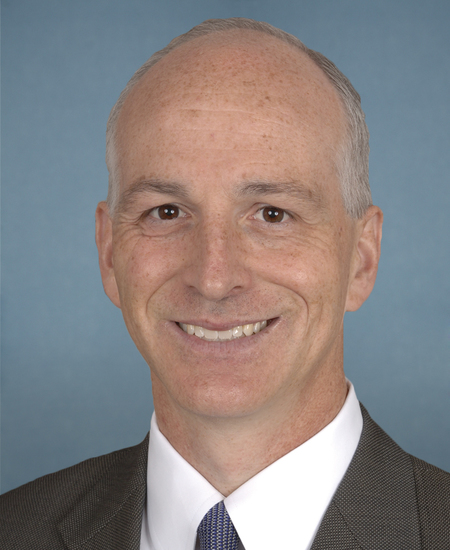
Adam Smith
100% support rate
Top opponent
Aaron Bean
0% support rate
Ranked legislators
10
5 support · 5 oppose
Key legislators

Who's moving sentencing in United States

Legislators moving sentencing in United States
Legislator Party Stance Support rate Votes
Adam Smith
Adam Smith House · District 9
D
Strong +
100% 3
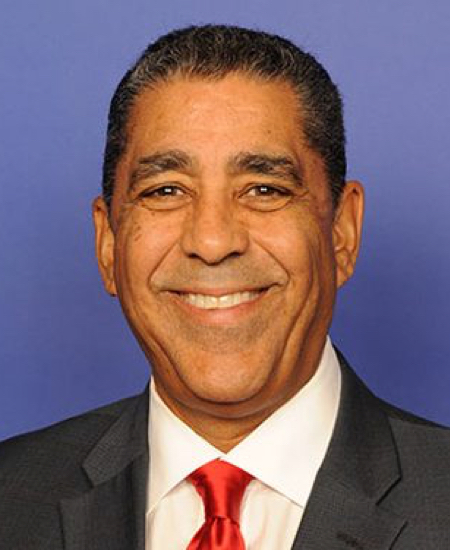
Adriano Espaillat
Adriano Espaillat House · District 13
D
Strong +
100% 3
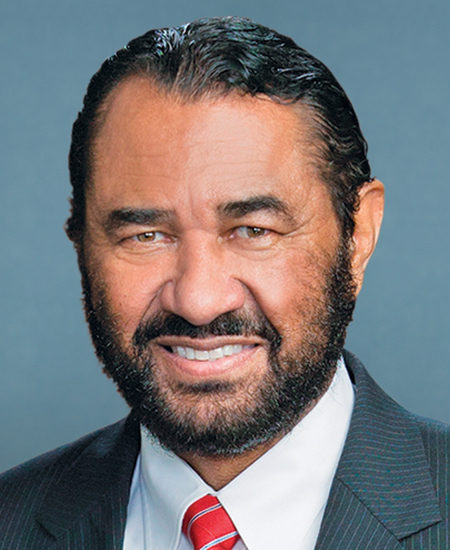
Al Green
Al Green House · District 9
D
Strong +
100% 3
Alexandria Ocasio-Cortez
Alexandria Ocasio-Cortez House · District 14
D
Strong +
100% 3
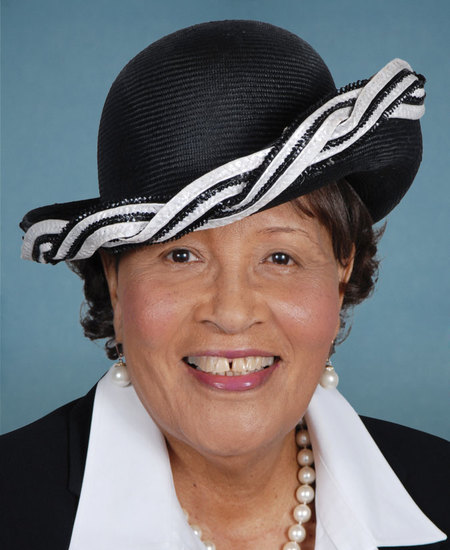
Alma S. Adams
Alma S. Adams House · District 12
D
Strong +
100% 3
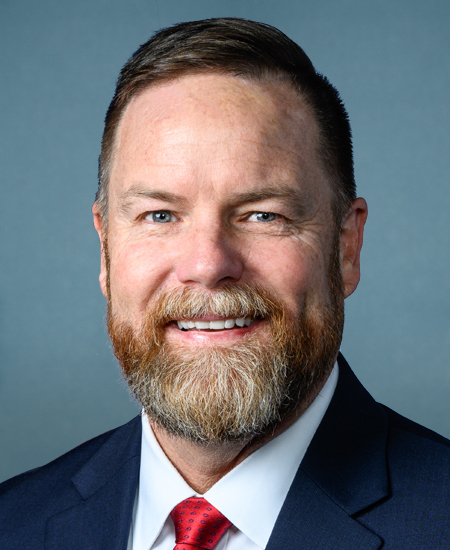
Aaron Bean
Aaron Bean House · District 4
R
Strong −
0% 3
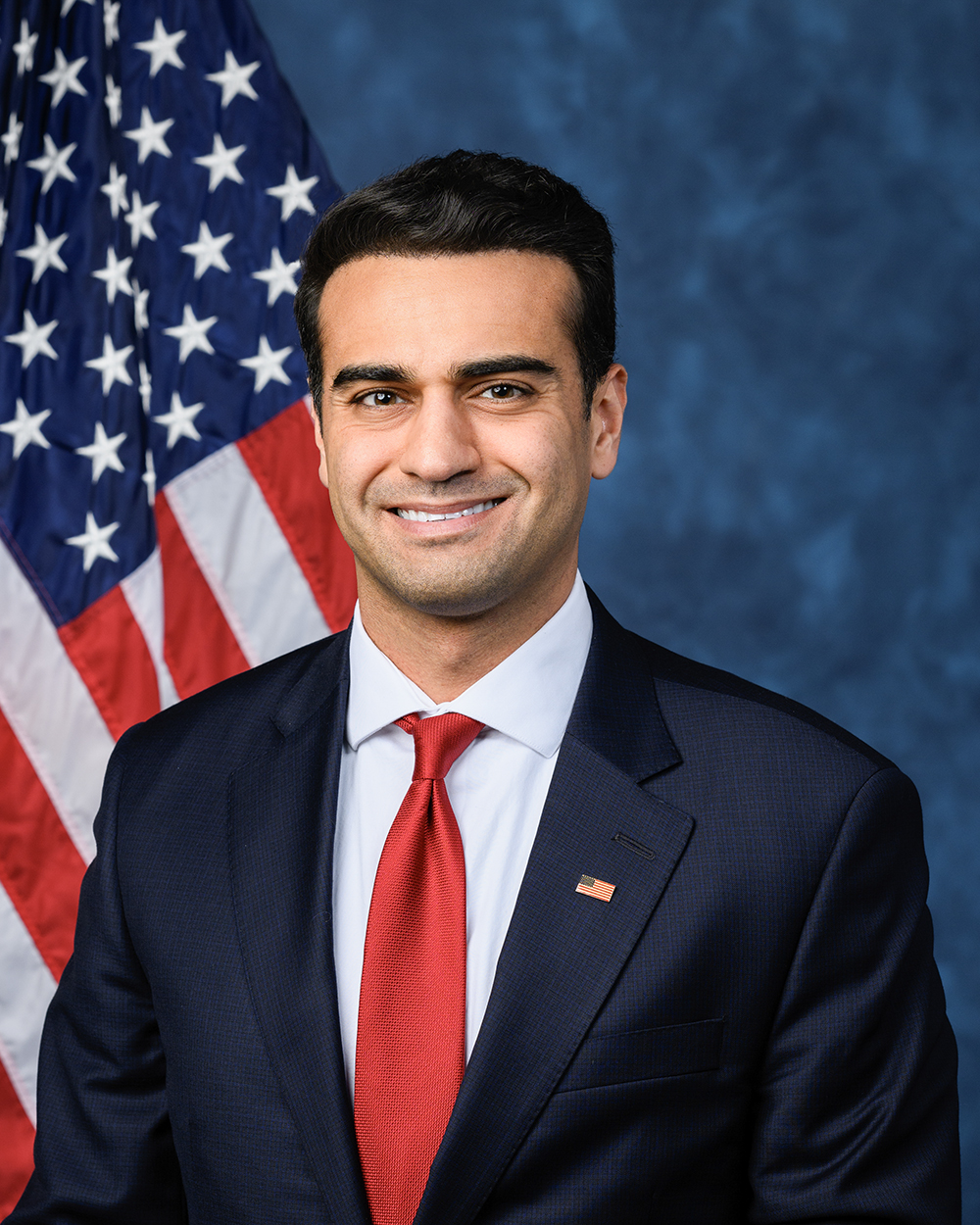
Abraham J. Hamadeh
Abraham J. Hamadeh House · District 8
R
Strong −
0% 3
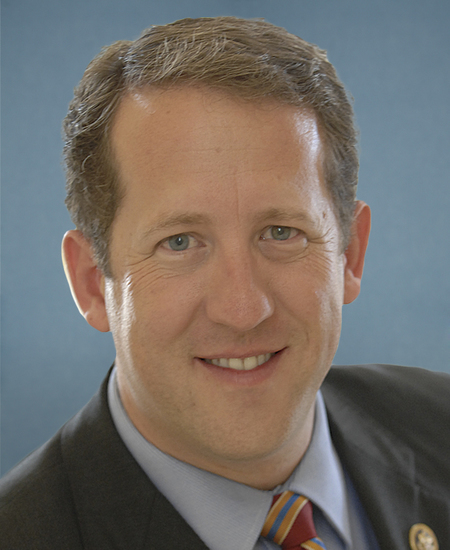
Adrian Smith
Adrian Smith House · District 3
R
Strong −
0% 3
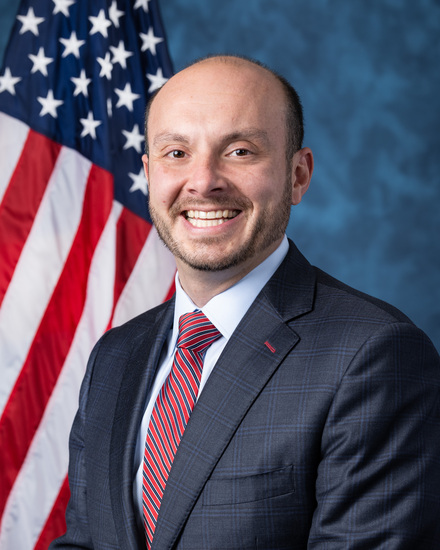
Andrew Ogles
Andrew Ogles House · District 5
R
Strong −
0% 3
Andrew R. Garbarino
Andrew R. Garbarino House · District 2
R
Strong −
0% 3
Showing 51–60 of 103 bills

All criminal justice bills

in committee · United States · House Jan 9, 2025

HR 277: Matthew Lawrence Perna Act of 2025

This bill protects individuals charged with nonviolent political protests by preventing pretrial detention for such offenses (unless involving violence), requiring faster trials, and allowing lawsuits for wrongful detention. It also restricts government use of national security powers against U.S. citizens unless they act as foreign agents, mandates disclosure of surveillance investigations upon citizen request, and gives defendants in D.C. trials the right to choose their trial location. Key provisions directly affect people arrested for peaceful protest activities, aiming to limit government overreach in such cases. The bill does not change sentencing guidelines but emphasizes judges should follow standard sentencing ranges for these offenses.
in committee · United States · House Mar 3, 2025

HR 1773: Federal Firearms Licensee Protection Act of 2025

Federal Firearms Licensee Protection Act of 2025 This bill modifies criminal penalties for an offense involving the theft of a firearm from a licensed importer, manufacturer, or dealer, or from their business premises. Specifically, the bill does the following: increases from 10 to 20 years the maximum prison term, and creates a 3- or 5-year mandatory minimum prison term for an offense that occurs during the commission of a burglary or robbery. An attempt to commit an offense is subject to the same penalties as a substantive offense.
in committee · United States · Senate Dec 15, 2025

S 3482: First Step Implementation Act of 2025

The First Step Implementation Act of 2025 makes significant changes to sentencing and corrections policies. It modifies drug sentencing by expanding the definition of "serious drug felony or serious violent felony" and creates a process for courts to reduce sentences for people convicted as adults for crimes committed before age 18. The bill also establishes automatic sealing of juvenile nonviolent offense records after 3 years of clean record and provides procedures for expunging certain juvenile records upon reaching age 18. Additionally, it requires the Attorney General to correct inaccurate or incomplete criminal records and gives individuals the right to challenge the accuracy of their records. These provisions primarily affect individuals with juvenile records or those convicted of drug offenses under previous sentencing guidelines.
in committee · United States · House Feb 25, 2025

HR 1556: Eric’s Law

HR 1556, "Eric’s Law," changes federal jury procedures in capital sentencing cases. It requires a new jury to be impaneled if the original jury cannot unanimously recommend a sentence (death, life without parole, or a lesser sentence) for a defendant convicted of a capital offense. If the new jury also fails to reach unanimity, the judge must impose a sentence other than death. This law directly affects federal defendants in capital cases where juries deadlock on sentencing recommendations. The policy change ensures that unresolved sentencing deadlocks do not prevent a final sentence from being imposed.
Sub-Topics Courts Judges Sentencing
in committee · United States · Senate May 14, 2025

S 1771: Larry Henderson Act

This bill amends federal law to mandate a minimum 20-year prison sentence for anyone who assaults, resists, or impedes a U.S. federal officer or employee while they are performing official duties, causing any bodily harm. It directly affects individuals convicted of such assaults on federal personnel, replacing previous sentencing options with this fixed minimum term. Key provisions include making federal law exclusively applicable to these offenses and overriding any conflicting state laws that might govern similar acts. The bill applies to offenses occurring after its enactment date.
Sub-Topics Corrections Sentencing
in committee · United States · House Mar 26, 2025

HR 2394: DETERRENCE Act

HR 2394, the DETERRENCE Act, amends federal criminal sentencing laws to increase penalties for certain offenses when committed "knowingly at the direction of or in coordination with a foreign government." It applies to existing crimes including kidnapping (up to 10 additional years), murder-for-hire (up to 10 years if injury occurs), stalking (up to 30 months), attacks on federal officials (up to 10 years), and threats against presidential staff (up to 10 years). The bill adds specific sentencing enhancements where foreign government involvement is proven, with higher penalties for offenses causing injury, using weapons, or resulting in death. It directly affects individuals convicted of these crimes under the specified circumstances.
in committee · United States · Senate May 8, 2025

S 1675: Justice for American Victims of Illegal Aliens Act

S 1675 would amend federal death penalty law to add a new aggravating factor for capital sentencing. Specifically, it would allow the death penalty to be considered if a defendant is an alien who entered or remained in the U.S. illegally and was convicted of killing, attempting to kill, or conspiring to kill a U.S. citizen. This provision directly affects defendants in federal murder cases who meet both criteria: violating immigration laws and committing violent crimes against citizens. The bill changes sentencing guidelines by expanding the circumstances under which the death penalty could be applied.
Sub-Topics Sentencing Enforcement
in committee · United States · Senate Feb 6, 2025

S 477: Fairness in Fentanyl Sentencing Act of 2025

This bill reduces sentencing thresholds for fentanyl and similar synthetic opioid offenses by lowering the quantity amounts that trigger mandatory minimum penalties (e.g., changing "400 grams" to "20 grams" for certain offenses). It requires the U.S. Sentencing Commission to update federal sentencing guidelines within 120 days to align with these changes. Additionally, it authorizes $9 million for the U.S. Postal Service to purchase chemical screening devices and staff to detect fentanyl and other synthetic opioids in mail and packages. The bill directly affects individuals convicted of federal drug offenses under the Controlled Substances Act.
in committee · United States · Senate Dec 11, 2025

S 3430: PURE Act

This bill removes the requirement to test methamphetamine purity for sentencing under federal law. It amends the Controlled Substances Act to eliminate purity thresholds in sentencing guidelines for methamphetamine offenses, as current methamphetamine is consistently over 80% pure (95.1% in 2024), making purity testing unnecessary. The bill directs the U.S. Sentencing Commission to review and update sentencing guidelines for methamphetamine cases to maintain deterrent severity while focusing on factors like victim impact or weapon use. It directly affects federal prosecutors, courts, and defendants in methamphetamine trafficking cases by streamlining prosecutions and reducing laboratory burdens.
Sub-Topics Drug Policy Sentencing
in committee · United States · Senate Dec 15, 2025

S 3485: Safer Detention Act of 2025

This bill (S 3485) expands home detention options for elderly or terminally ill nonviolent offenders already serving prison sentences. It amends the Second Chance Act to allow courts, after considering sentencing factors, to substitute home detention for the remaining prison time if an offender meets specific criteria (e.g., age, nonviolent offense) and submits a request. Key changes include shortening the required sentence reduction from two-thirds to one-half of the original term (minus credits) and establishing clear timelines: courts must act within 30 days of a request or after exhausting all appeals regarding the Bureau of Prisons' failure to process the request. The bill directly affects eligible incarcerated individuals, not the general public.
Sub-Topics Corrections Sentencing
Showing 51 to 60 of 103 bills
Previous 1 5 6 7 11 Next