Issue · Criminal Justice

Criminal Justice (Firearms)

Every criminal justice bill, vote, and legislator stance in United States, automatically classified by Maddy, our AI policy reader.

Total bills
140
119th Congress
Top supporter
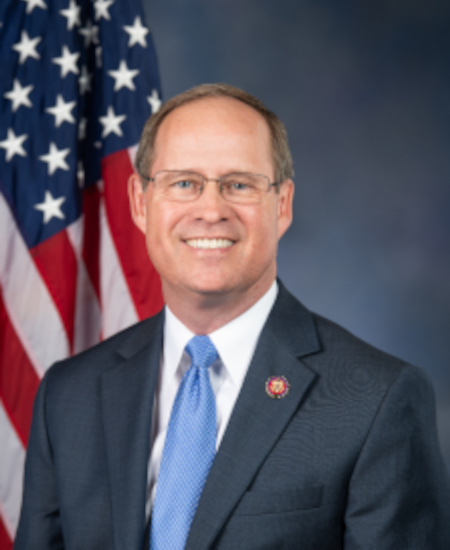
Gregory F. Murphy
75% support rate
Top opponent
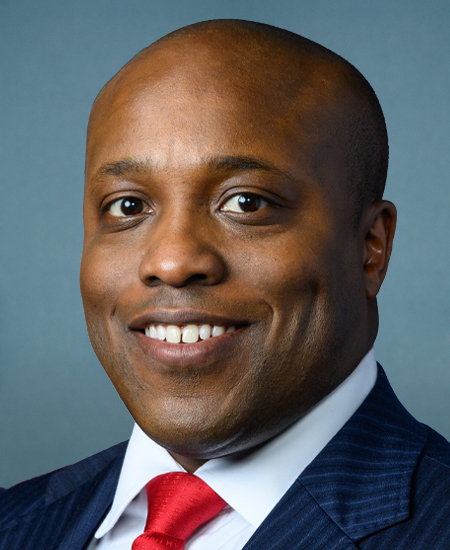
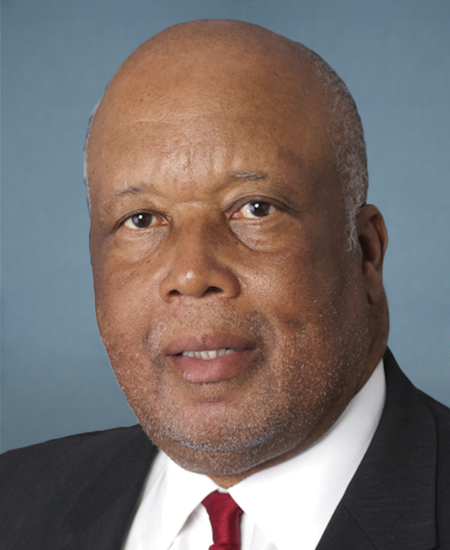
Bennie G. Thompson
20% support rate
Ranked legislators
10
5 support · 5 oppose
Key legislators

Who's moving firearms in United States

Legislators moving firearms in United States
Legislator Party Stance Support rate Votes
Gregory F. Murphy
Gregory F. Murphy House · District 3
R
Support
75% 4
Mike Johnson
Mike Johnson House · District 4
R
Support
75% 4
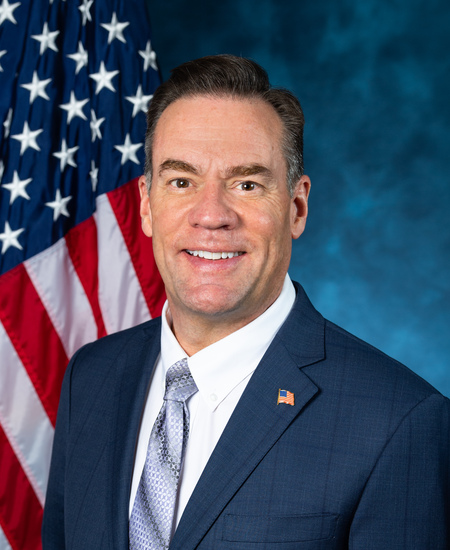
Russ Fulcher
Russ Fulcher House · District 1
R
Support
75% 4
Wesley Hunt
Wesley Hunt House · District 38
R
Support
75% 4
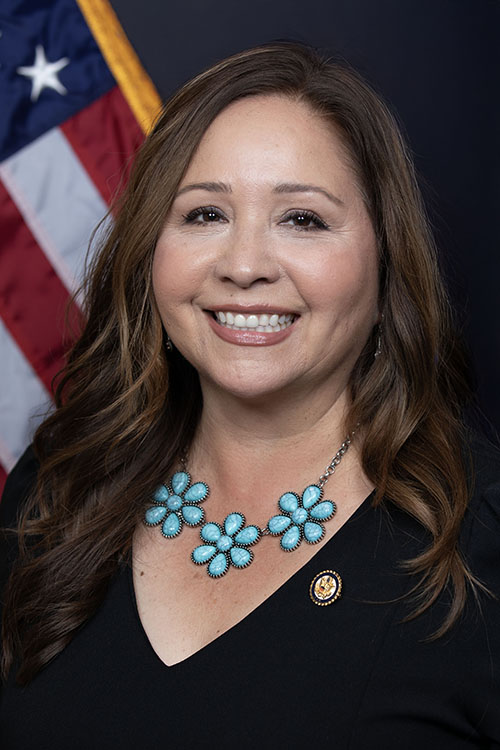
Adelita S. Grijalva
Adelita S. Grijalva House · District 7
D
Support
67% 3
Bennie G. Thompson
Bennie G. Thompson House · District 2
D
Strong −
20% 5
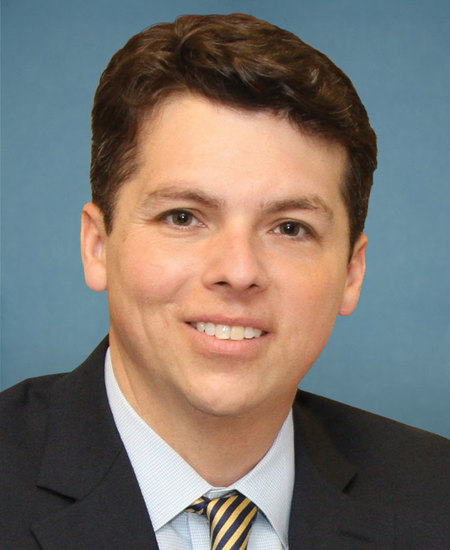
Brendan F. Boyle
Brendan F. Boyle House · District 2
D
Strong −
20% 5
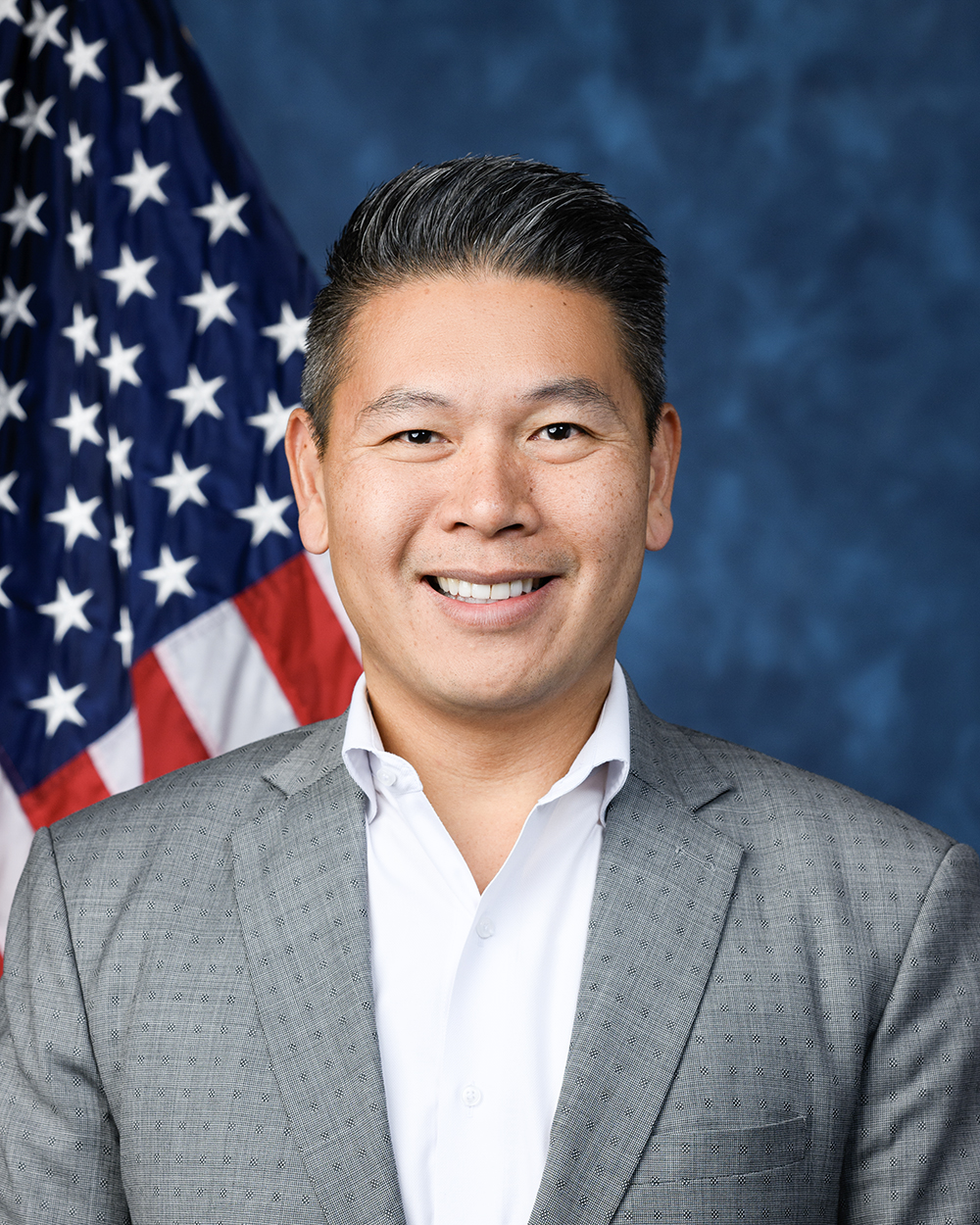
Derek Tran
Derek Tran House · District 45
D
Strong −
20% 5
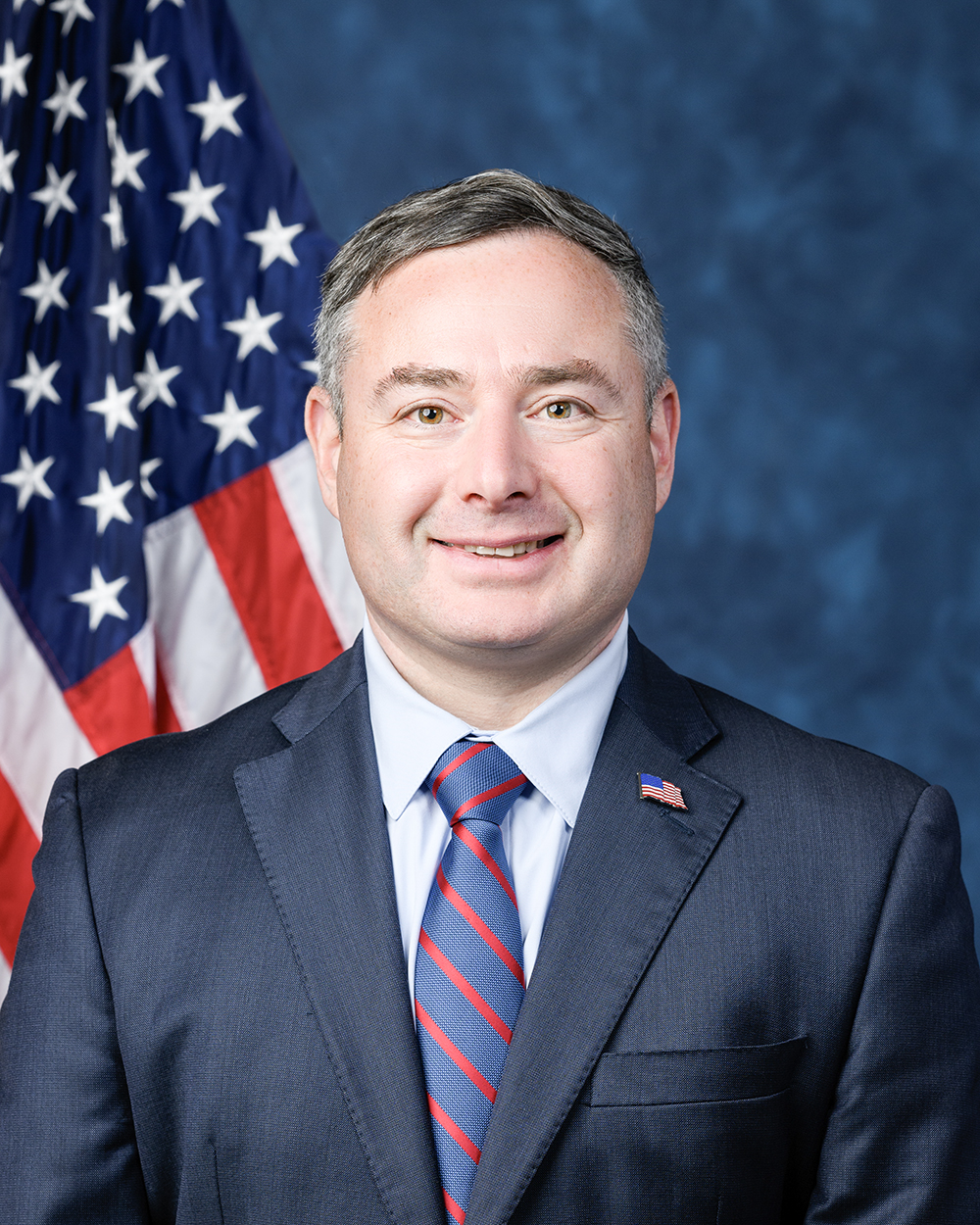
Eugene Simon Vindman
Eugene Simon Vindman House · District 7
D
Strong −
20% 5
Greg Landsman
Greg Landsman House · District 1
D
Strong −
20% 5
Showing 51–60 of 140 bills

All criminal justice bills

in committee · United States · House Jan 3, 2025

HR 129: Abolish the ATF Act

This bill, HR 129 (Abolish the ATF Act), directly abolishes the Bureau of Alcohol, Tobacco, Firearms and Explosives (ATF), a federal agency responsible for regulating firearms, explosives, and tobacco products. The key provision is a simple, explicit mandate to end the ATF's existence as a government entity. This procedural bill does not specify what would replace the ATF's functions or how regulatory responsibilities would be handled, focusing solely on eliminating the agency itself. The bill affects the federal government structure by removing a specific regulatory body.
Sub-Topics Firearms
in committee · United States · Senate Oct 30, 2025

S 3085: Firearm Access During Shutdowns Act of 2025

This bill ensures that critical firearm-related operations continue during government shutdowns by designating them as "excepted" under federal law. It specifically covers the FBI's background check system (NICS), ATF enforcement programs, Commerce Department firearm export licensing, and State Department defense trade controls. These functions would remain operational even if most government services halt, directly affecting firearm background checks and export licensing processes. The policy change prevents temporary disruptions to gun sales and international firearm transactions during shutdowns.
Sub-Topics Firearms
in committee · United States · House Aug 5, 2025

HR 4883: Local Gun Violence Reduction Act

HR 4883, the Local Gun Violence Reduction Act, creates a federal database managed by the CDC to collect and share information about local gun violence prevention laws. It requires cities, counties, and other local governments to submit data on their enacted laws - including dates, government size, and pre- and post-enactment gun violence statistics - to the database within one year of the bill's passage. The searchable database will allow all local governments to access this information, and the CDC must report to Congress every two years on participation, successful laws, and geographic trends. The bill authorizes $1.5 million for fiscal year 2026 and $1 million annually thereafter to fund this effort.
Sub-Topics Firearms
in committee · United States · House Apr 8, 2025

HR 2741: PEER Support Act

The PEER Support Act creates a new federal job classification for peer support specialists - individuals with lived experience in mental health or substance use recovery who provide support to others - by 2026. It establishes an Office of Recovery within the Substance Abuse and Mental Health Services Administration (SAMHSA) to lead training, certification, and career development for these specialists, including sharing best practices with states. The bill also requires a federal report analyzing state criminal background check laws for peer support specialists and recommending ways to reduce barriers to certification. This legislation directly affects peer support specialists, state certification programs, and federal agencies managing mental health services.
passed · United States · House Feb 24, 2026

HR 2189: To modernize Federal firearms laws to account for advancements in technology and less-than-lethal weapons, and for other purposes.

Law-Enforcement Innovate to De-Escalate Act This bill removes less-than-lethal projectile devices (e.g., certain TASERs) from regulation under the Gun Control Act. The term less-than-lethal projectile device means a device that (1) is not designed or intended to expel (and may not be readily converted to discharge) commonly used ammunition or projectiles exceeding a velocity of 500 feet per second; (2) is designed and intended to be used in a manner not likely to cause death or serious bodily injury; and (3) does not accept (and cannot be readily modified to accept) an ammunition feeding device. The bill also requires the Bureau of Alcohol, Tobacco, Firearms and Explosives to determine whether a device satisfies the definition of a less-than-lethal projectile device within 90 days of a request.
Sub-Topics Firearms
in committee · United States · Senate Jun 28, 2025

S 2203: Break the Cycle of Violence Act

The Break the Cycle of Violence Act establishes federal grants to fund community-based violence intervention programs that aim to reduce gun violence through evidence-based strategies. It creates a National Community Violence Response Center to coordinate efforts and provide technical assistance, while directing funding to communities disproportionately affected by violence, particularly those with high homicide rates. The bill includes provisions for hospital-based violence intervention programs, trauma-informed services, and job training programs for opportunity youth (ages 16-25 not in education or employment) to address root causes of violence. Funding for these programs totals $300 million in 2026, increasing to $700 million annually through 2033 for the Department of Health and Human Services, plus $1.5 billion for job training programs through the Department of Labor.
in committee · United States · House Apr 9, 2025

HR 2790: GOSAFE Act

The GOSAFE Act prohibits the sale, manufacture, transfer, and possession of gas-operated semi-automatic firearms and large capacity ammunition feeding devices (those holding more than 10 rounds). It defines gas-operated firearms as those that use gas from fired cartridges to cycle the action, requiring the Attorney General to publish a list of prohibited firearms within 180 days. The bill establishes a process for manufacturers to seek approval for new firearm designs before selling to civilians and creates a "Firearm Safety Trust Fund" to cover related costs. Certain firearms are exempt, including single-shot, muzzle-loading, and firearms with permanently fixed magazines holding 10 or fewer rounds. Violations could result in fines up to $5,000 or up to 12 months in prison.
in committee · United States · House Oct 28, 2025

HRES 837: Expressing the sense of the House of Representatives regarding the relationship between firearm violence and intimate partner violence and to honor the memory of Gladys Ricart and other victims of intimate partner homicide killed by firearms, and for other purposes.

HRES 837 is a non-binding House resolution expressing the House's recognition of the connection between firearm violence and intimate partner violence. It highlights statistics showing firearms are used in 66% of intimate partner homicides, disproportionately impact women (especially Black, American Indian/Alaska Native, and Hispanic women), and honors victims like Gladys Ricart. The resolution recommends Congress strengthen background checks, restrict firearm access for those under domestic violence restraining orders, fund research on this intersection, and prioritize related legislation like H.R. 4166. It does not create new law but urges action based on the documented risks. The resolution directly addresses congressional policy priorities, not affected individuals.
in committee · United States · House Jun 24, 2025

HR 4106: Prevent Illegal Gun Sales Act

HR 4106, the Prevent Illegal Gun Sales Act, strengthens gun dealer oversight by requiring three annual compliance inspections (up from one) and increasing penalties for violations to up to five years in prison. It imposes $10,000 civil penalties per violation for unsafe gun storage or failures to maintain records, and mandates physical inventory checks if a dealer unlawfully transfers firearms or 10+ crime guns are traced to them. The bill allows the Attorney General to suspend or revoke dealer licenses for serious violations, including felony convictions, and requires dealers to maintain secure storage. These changes directly affect licensed gun dealers, manufacturers, and importers by tightening accountability for compliance with federal gun laws.
Sub-Topics Corrections Firearms
in committee · United States · House Oct 3, 2025

HR 2184: Firearm Due Process Protection Act of 2025

This bill amends the National Instant Criminal Background Check System (NICS) process to strengthen due process for individuals denied firearm purchases. It requires courts to hold hearings on challenges within 30 days, places the burden on the government to prove ineligibility by "clear and convincing evidence," and mandates courts to award attorney fees to successful challengers. The bill also requires the FBI to submit annual reports to Congress detailing NICS challenge volumes, reversal rates, and processing times. These provisions directly affect people wrongly flagged in the NICS database who seek to correct their records. The law focuses on procedural fairness, not altering firearm eligibility criteria.
Sub-Topics Firearms
Showing 51 to 60 of 140 bills
Previous 1 5 6 7 14 Next