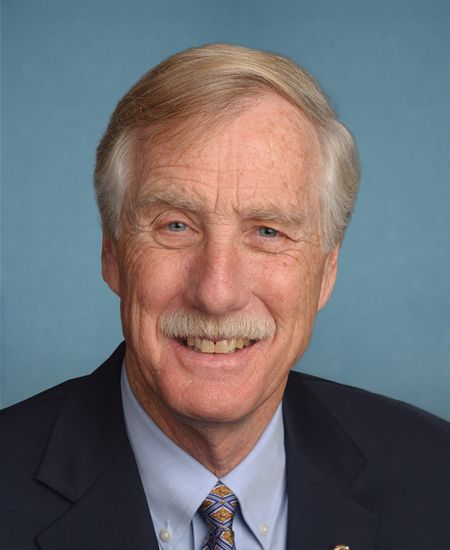
The BRIDGE Act extends the work opportunity tax credit through 2030 and expands eligibility to include individuals with felony convictions or incarceration histories, as well as out-of-school youth. Employers who hire these qualified individuals after the bill's enactment can receive tax credits, with the credit amount determined under existing Internal Revenue Code provisions. The bill also requires the Treasury Secretary to issue regulations for implementation and directs the Comptroller General to study how to improve the efficiency of the credit claiming process.
This bill, titled the Vote Without Fear Act, would make it a federal crime to knowingly possess or bring a firearm within 100 yards of a Federal election site, such as a polling place or ballot counting location. The law applies to anyone who has reason to believe they are at an election site and carries a weapon there, with exceptions for law enforcement, security personnel on duty, firearms in vehicles that are not removed or brandished, and lawful possession on private property or residences. Penalties include fines and up to one year in prison for unauthorized possession, or up to five years if the firearm is intended for use in a crime, with additional severe penalties for any deaths occurring during such violations.
This bill prohibits non-consensual distribution of intimate images (like photos showing genitals or sexual activity) created in private settings without the subject's consent, if the distribution causes psychological, financial, or reputational harm. It specifically bans sharing nude images of minors with abusive intent. Exceptions cover law enforcement, journalism, medical use, and legal proceedings. Violations carry up to 2 years in prison for non-consensual adult images or 3 years for minor-related offenses.
HR 117, the Fourth Amendment Restoration Act, requires U.S. government agencies to obtain a court-issued warrant before surveilling U.S. citizens for any purpose. It repeals the Foreign Intelligence Surveillance Act (FISA) and prohibits warrantless electronic surveillance, physical searches of citizens' property, or collection of phone records (pen/trap devices) targeting U.S. citizens. The bill also bans using information gathered under Executive Order 12333 or during surveillance of non-citizens against U.S. citizens in court proceedings. It applies directly to U.S. citizens by mandating judicial oversight for all surveillance activities involving them. Violations could result in fines up to $10,000 or up to five years in prison.
The GOSAFE Act prohibits the sale, manufacture, transfer, and possession of gas-operated semi-automatic firearms and large capacity ammunition feeding devices (those holding more than 10 rounds). It defines gas-operated firearms as those that use gas from fired cartridges to cycle the action, requiring the Attorney General to publish a list of prohibited firearms within 180 days. The bill establishes a process for manufacturers to seek approval for new firearm designs before selling to civilians and creates a "Firearm Safety Trust Fund" to cover related costs. Certain firearms are exempt, including single-shot, muzzle-loading, and firearms with permanently fixed magazines holding 10 or fewer rounds. Violations could result in fines up to $5,000 or up to 12 months in prison.
HR 4106, the Prevent Illegal Gun Sales Act, strengthens gun dealer oversight by requiring three annual compliance inspections (up from one) and increasing penalties for violations to up to five years in prison. It imposes $10,000 civil penalties per violation for unsafe gun storage or failures to maintain records, and mandates physical inventory checks if a dealer unlawfully transfers firearms or 10+ crime guns are traced to them. The bill allows the Attorney General to suspend or revoke dealer licenses for serious violations, including felony convictions, and requires dealers to maintain secure storage. These changes directly affect licensed gun dealers, manufacturers, and importers by tightening accountability for compliance with federal gun laws.
This bill prohibits the non-consensual sharing of digitally manipulated intimate images (deepfakes) of identifiable people. It creates a civil right for victims to sue individuals who distribute such images without consent, allowing claims for actual damages, $150,000 in liquidated damages, or punitive damages, plus attorney fees. Criminal penalties up to 10 years in prison apply for malicious disclosure intended to harass, harm reputation, or facilitate violence. Exceptions include disclosures to law enforcement for investigations, legitimate public interest matters (excluding mere public figure status), or efforts to assist the victim. The law specifically defines "intimate digital depictions" to include explicit body parts, sexual fluids, or sexual conduct in manipulated images.
HR 3373, the GHOST Act of 2025, requires entities shipping certain firearm parts (barrels, slides, or bolts) across state lines to register shipments with the Attorney General within 5 business days. This includes providing sender/recipient details, shipping method, and proof of delivery via certified mail or recipient signature. The bill creates a confidential database for law enforcement access but prohibits public disclosure under the Freedom of Information Act. Violations carry fines or up to 1 year in prison for single shipments, and up to 10 years for shipping 50+ parts in one transaction.
HR 1456, the Gun Trafficker Detection Act, requires private firearm owners (non-licensed individuals) to report lost or stolen firearms to the Attorney General within 48 hours via a new web portal. It imposes civil penalties of up to $1,000 for first violations and $5,000 for repeat violations, and prohibits individuals with two or three penalty assessments from receiving firearms for 1 year or 5 years, respectively. The bill mandates law enforcement agencies to use 5% of crime grant funds to study lost/stolen firearm data collection and updates the National Instant Background Check System to include these new restrictions. It directly affects private gun owners and law enforcement agencies, focusing on reporting compliance and background check adjustments.
HR 7184, the PRESS Act, targets equipment used to manufacture illegal drugs by making it unlawful to sell specific items like tableting machines, gelatin capsules, or related chemicals when the seller knows the equipment will be used to produce controlled substances for unlawful U.S. importation. It directly affects manufacturers and distributors of these drug-making tools who have knowledge or reasonable cause to believe their products will facilitate illegal drug trafficking. The bill adds new prohibitions to the Controlled Substances Act and increases potential prison sentences for violations, with penalties reaching up to 20 years for major offenses involving large quantities of equipment or chemicals. These changes aim to disrupt the supply chain for illicit synthetic drugs by holding equipment sellers accountable for their intended use.