Issue · Criminal Justice

Criminal Justice (Sentencing)

Every criminal justice bill, vote, and legislator stance in United States, automatically classified by Maddy, our AI policy reader.

Total bills
63
119th Congress
Top supporter
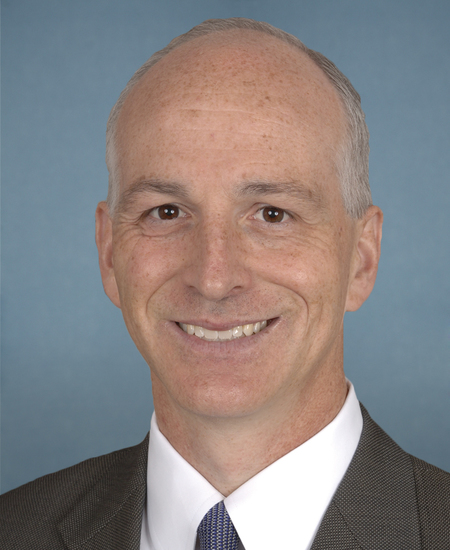
Adam Smith
100% support rate
Top opponent
Aaron Bean
0% support rate
Ranked legislators
10
5 support · 5 oppose
Key legislators

Who's moving sentencing in United States

Legislators moving sentencing in United States
Legislator Party Stance Support rate Decisive votes
Adam Smith
Adam Smith House · District 9
D
Strong +
100% 3
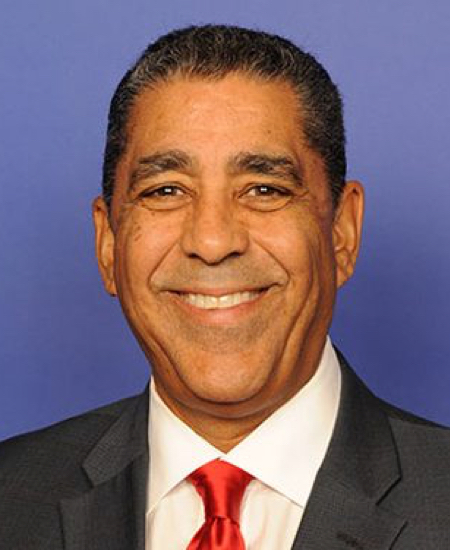
Adriano Espaillat
Adriano Espaillat House · District 13
D
Strong +
100% 3
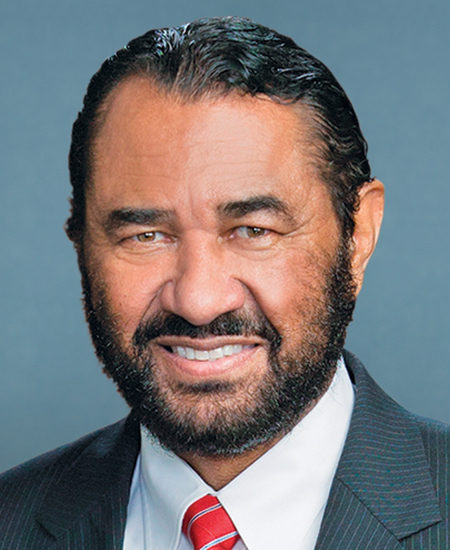
Al Green
Al Green House · District 9
D
Strong +
100% 3
Alexandria Ocasio-Cortez
Alexandria Ocasio-Cortez House · District 14
D
Strong +
100% 3
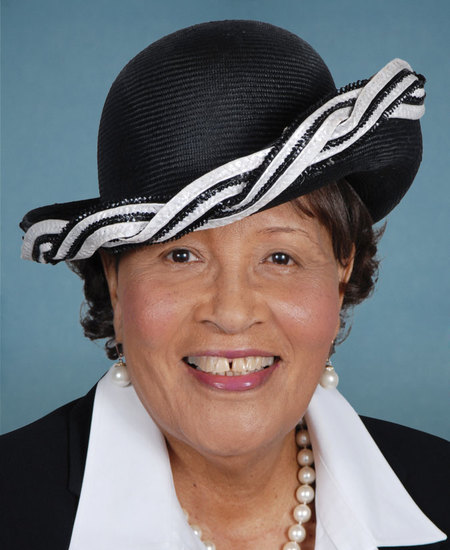
Alma S. Adams
Alma S. Adams House · District 12
D
Strong +
100% 3
Aaron Bean
Aaron Bean House · District 4
R
Strong −
0% 3
Abraham J. Hamadeh
Abraham J. Hamadeh House · District 8
R
Strong −
0% 3
Adrian Smith
Adrian Smith House · District 3
R
Strong −
0% 3
Andrew Ogles
Andrew Ogles House · District 5
R
Strong −
0% 3
Andrew R. Garbarino
Andrew R. Garbarino House · District 2
R
Strong −
0% 3
Showing 51–60 of 63 bills

All criminal justice bills

in committee · United States · House Jan 14, 2025

HR 378: Thin Blue Line Act

HR 378, the Thin Blue Line Act, adds a new aggravating factor for the death penalty in federal cases where a defendant kills or targets a law enforcement officer, firefighter, or other first responder. It specifically applies when the victim was killed or targeted while performing official duties, because of those duties, or due to their status as a public official. This amendment to federal death penalty law would make the death penalty a potential sentencing option for such crimes, as the killing would be considered an aggravating factor. The bill directly affects defendants convicted of homicides meeting these specific circumstances involving public safety personnel.
Sub-Topics Law Enforcement Sentencing Tags Public Safety
in committee · United States · Senate Nov 5, 2025

S 3104: Ideologically Motivated Violence Accountability Act

This bill amends federal law to add a new "ideological motive" factor for applying the death penalty in certain violent crimes. It defines violence targeting individuals due to their political or religious beliefs, affiliations, or expressions as grounds for capital punishment eligibility under existing federal statutes. The bill requires the U.S. Sentencing Commission to update guidelines to reflect this change. It directly affects federal defendants convicted of violent crimes meeting this specific definition, not state-level cases or non-violent offenses.
Sub-Topics Sentencing
in committee · United States · Senate Jan 14, 2025

S 83: Thin Blue Line Act

S 83, the "Thin Blue Line Act," amends federal law to add a new aggravating factor for death penalty cases when someone kills or targets public safety officers. It directly affects law enforcement officers, prosecutors, firefighters, and other first responders who are killed or targeted while performing their duties or because of their role. The bill inserts a new provision (paragraph 17) into sentencing guidelines, specifying that killing an officer engaged in official duties, targeted due to those duties, or because of their status as a public safety employee qualifies as an aggravating factor for the death penalty. This change would allow federal courts to consider these killings as a specific reason to impose the death penalty under existing sentencing rules. The bill does not create new offenses but modifies sentencing considerations for existing murder charges involving public safety officers.
in committee · United States · House Jan 14, 2025

HR 395: Justice for Rape Survivors Act

HR 395, the Justice for Rape Survivors Act, mandates a minimum 30-year prison sentence for individuals convicted of aggravated sexual abuse or sexual abuse under federal law. It directly affects those found guilty of these specific crimes by replacing current sentencing language with a fixed 30-year minimum term. The bill amends Title 18, United States Code, sections 2241 (aggravated sexual abuse) and 2242 (sexual abuse), requiring courts to impose at least 30 years in prison or life imprisonment for these offenses. This policy change increases the minimum sentence for these crimes without altering the definitions of the offenses themselves.
in committee · United States · Senate Sep 11, 2025

S 2768: No Bail Post-Jail Act

S 2768, the "No Bail Post-Jail Act," would automatically deny pretrial release (bail) to certain individuals charged with felony offenses. It directly affects adults or juveniles charged as adults who face felony charges and have a prior felony conviction for a crime of violence that resulted in at least 30 days in a state or federal prison (excluding pretrial detention). The bill adds a specific provision requiring judicial officers to find such individuals "pose a danger to the safety of the community" and deny bail if all three conditions are met: (1) charged with a felony, (2) adult or juvenile charged as adult, and (3) prior violent felony conviction with 30+ days incarceration. This changes the standard for pretrial release eligibility for this specific group.
in committee · United States · House Oct 17, 2025

HRES 818: Impeaching Deborah Boardman, Judge of the United States District Court for the District of Maryland, for high crimes and misdemeanors.

This resolution proposes impeaching Judge Deborah Boardman of the U.S. District Court for the District of Maryland, alleging she violated judicial standards by sentencing Nicholas John Roske - a man who attempted to assassinate Supreme Court Justice Brett Kavanaugh - to eight years (instead of the 30-year recommendation) - based on Roske’s transgender identity. The resolution claims Judge Boardman’s decision, which cited Roske as a "transgender woman" in sentencing, undermined the law and impartiality required of federal judges. It argues this conduct constitutes "high crimes and misdemeanors" by violating the constitutional standard for judicial "good behavior." The resolution is now referred to the House Judiciary Committee for further review.
Sub-Topics Courts Judges Sentencing
in committee · United States · Senate Jul 10, 2025

S 2250: Restoring the Armed Career Criminal Act

This bill amends the Armed Career Criminal Act (ACCA) to reinstate stricter sentencing requirements for individuals with prior serious felony convictions. It mandates a minimum 15-year prison sentence (with no probation or suspended sentence) for anyone convicted under Section 922(g) who has three or more prior serious felony convictions, where each conviction was for an offense punishable by at least 10 years in prison under the statute. The bill defines "serious felony conviction" to include any offense with a statutory maximum sentence of 10+ years (regardless of actual sentencing guidelines) or consolidated convictions totaling 10+ years in a single proceeding. This applies only to offenses committed after the bill's enactment and affects individuals with three prior qualifying felony convictions who possess firearms.
in committee · United States · Senate Jan 7, 2026

S 3593: Punishing Health Care Fraudsters Act

S 3593, the "Punishing Health Care Fraudsters Act," increases penalties for healthcare fraud committed against federal programs like Medicare and Medicaid. It raises maximum prison sentences under federal law from 10 to 25 years and 20 to 30 years, and boosts fines from $100,000 to $250,000 per violation. The bill also requires the U.S. Sentencing Commission to update guidelines to better reflect the severity of fraud, considering factors like victim harm, financial loss, and privacy violations. This directly affects individuals or entities committing healthcare fraud, aiming to strengthen deterrence through harsher consequences.
in committee · United States · House Feb 13, 2025

HR 1292: Ensuring the Safety of Our Mail Act of 2025

HR 1292 increases the maximum prison sentence for mail theft from 5 to 10 years under federal law. It amends Title 18, U.S. Code, Section 1708 to raise penalties for stealing physical mail. This change directly affects individuals convicted of mail theft under current federal statutes. The bill modifies sentencing provisions without altering other aspects of mail theft law.
Sub-Topics Corrections Sentencing
in committee · United States · House Jan 6, 2026

HR 6953: Violent Insurrection Recidivist Enhancement Act of 2026

HR 6953, the Violent Insurrection Recidivist Enhancement Act of 2026, increases prison sentences for individuals convicted of repeat violent insurrection offenses. It directly affects people previously convicted of acts like unlawfully entering the Capitol, obstructing election certification, or damaging government property in response to election results. The bill mandates additional prison time (4 years minimum, up to 10 years for violent cases) if a defendant has a prior conviction for similar conduct, regardless of whether the earlier conviction was pardoned. For specific serious offenses like treason or murder of a federal official, it allows life imprisonment with a 15-year minimum if the defendant has a pattern of anti-democratic conduct.
Sub-Topics Corrections Sentencing
Showing 51 to 60 of 63 bills
Previous 1 … 5 6 7 Next