Issue · Criminal Justice

Criminal Justice (Policing)

Every criminal justice bill, vote, and legislator stance in United States, automatically classified by Maddy, our AI policy reader.

Total bills
115
119th Congress
Top supporter
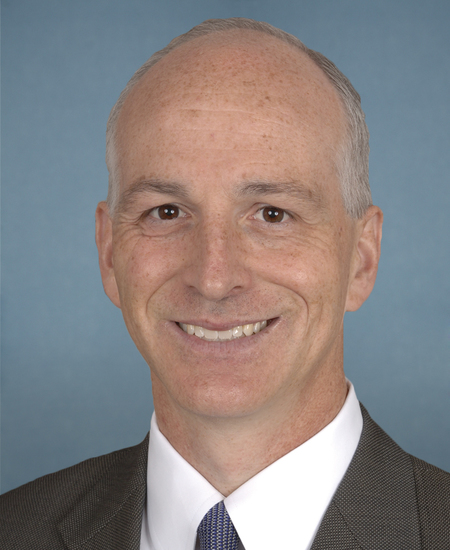
Adam Smith
100% support rate
Top opponent
Dave Min
0% support rate
Ranked legislators
10
5 support · 5 oppose
Key legislators

Who's moving policing in United States

Legislators moving policing in United States
Legislator Party Stance Support rate Votes
Adam Smith
Adam Smith House · District 9
D
Strong +
100% 3
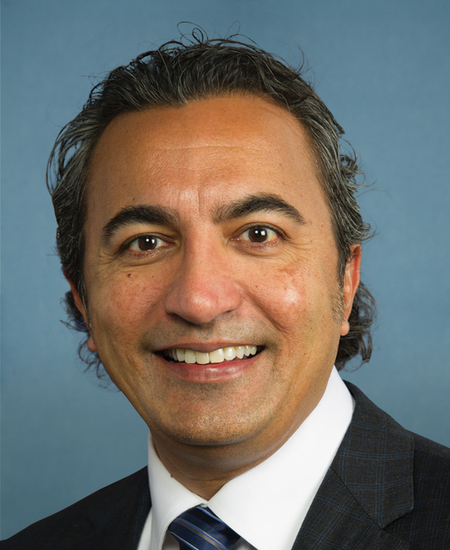
Ami Bera
Ami Bera House · District 6
D
Strong +
100% 3
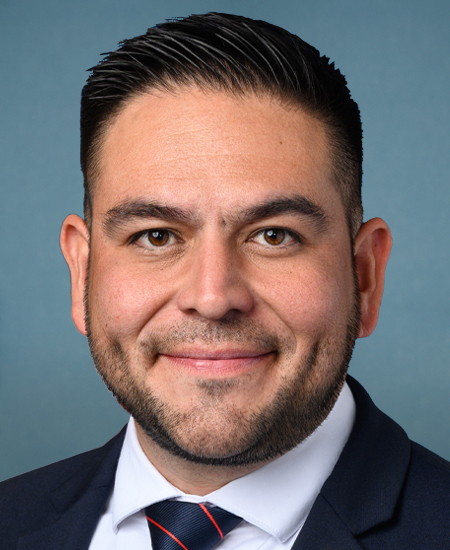
Gabe Vasquez
Gabe Vasquez House · District 2
D
Strong +
100% 3
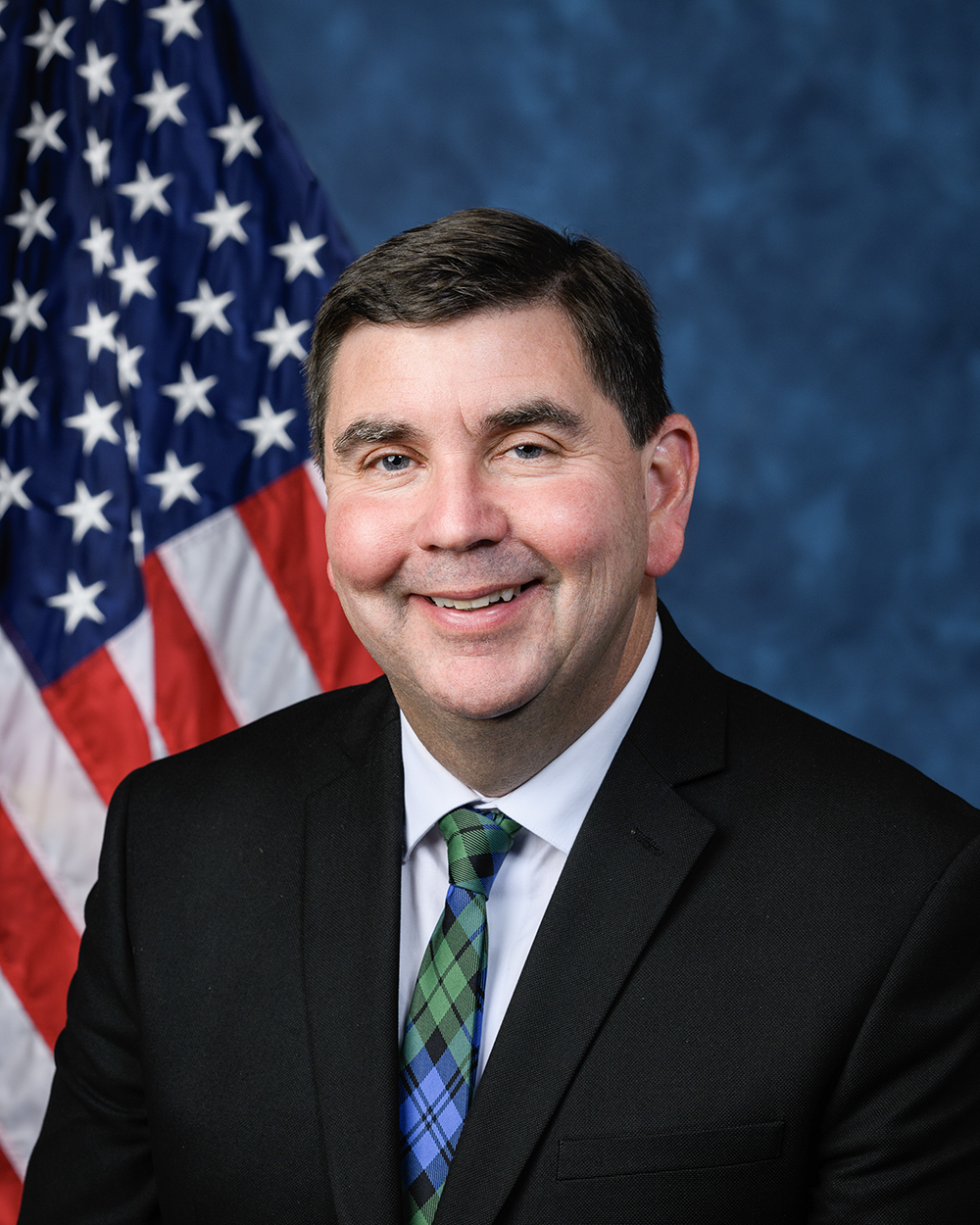
John W. Mannion
John W. Mannion House · District 22
D
Strong +
100% 3
Kristen McDonald Rivet
Kristen McDonald Rivet House · District 8
D
Strong +
100% 3
Dave Min
Dave Min House · District 47
D
Strong −
0% 3
Aaron Bean
Aaron Bean House · District 4
R
Oppose
33% 3
Abraham J. Hamadeh
Abraham J. Hamadeh House · District 8
R
Oppose
33% 3
Addison P. McDowell
Addison P. McDowell House · District 6
R
Oppose
33% 3
Andrew Ogles
Andrew Ogles House · District 5
R
Oppose
33% 3
Showing 41–50 of 115 bills

All criminal justice bills

in committee · United States · House Jan 16, 2026

HR 7119: DHS Use of Force Oversight Act

This bill requires U.S. Department of Homeland Security (DHS) law enforcement officers and agents to follow a new department-wide policy on use of force. It mandates that officers use only objectively reasonable force, prioritize de-escalation, ban chokeholds and carotid restraints, and complete regular training. The policy also requires DHS components to establish internal review teams to analyze incidents and report detailed data every six months - including incidents causing injury, death, or involving deadly force - to the public via the DHS website. Additionally, DHS must brief Congress and inform the public within 24 hours of any incident resulting in hospitalization or death.
in committee · United States · House Oct 17, 2025

HRES 815: Expressing the sense of the House of Representatives that immigration enforcement operations must be transparent, accountable, and consistent with constitutional protections for all persons within the United States.

HRES 815 is a non-binding House resolution expressing that immigration enforcement by ICE and CBP must be transparent and respect constitutional rights. It requires ICE/CBP officers to wear body cameras during public operations, ban masks/face coverings (except for safety threats), and visibly display name/badge/agency. The resolution also calls for civilian oversight boards, mandatory de-escalation training, and Justice Department oversight of ICE. It directly affects all ICE and CBP enforcement personnel and their interactions with the public, particularly in residential raids and detention. The resolution references similar pending bills but does not create new law.
Sub-Topics Policing Detention Enforcement Sanctuary Policies Tags Civil Liberties
in committee · United States · House Jun 11, 2025

HR 3920: Lawless Cities Accountability Act of 2025

HR 3920, the Lawless Cities Accountability Act of 2025, prohibits federal funding to any state or local jurisdiction designated as a "lawless jurisdiction" by the Attorney General. A jurisdiction is defined as lawless if it blocks law enforcement during widespread violence, withdraws protection from areas officers should access, defunds police, or refuses federal assistance during crises. The Attorney General must make quarterly public determinations of lawless jurisdictions and publish explanations, with federal funds resuming only after 180 days or when the designation ends. This bill directly affects state and local governments meeting these criteria by cutting off federal financial support until they address the issues. It establishes a clear, time-bound mechanism for withholding and restoring funding based on the Attorney General's determinations.
in committee · United States · House Aug 26, 2025

HR 5051: To require members of the Armed Forces performing active service in the District of Columbia in response to an order of the President which relates to crime or civil disturbance in the District of Columbia to participate in a program substantially similar to the Body-Worn Camera Program of the Metropolitan Police Department of the District of Columbia.

HR 5051 requires members of the U.S. Armed Forces serving in Washington, D.C., under a presidential order addressing crime or civil disturbance to wear body cameras during their deployment. This applies to service members performing active duty in the District under such orders, mandating participation in a program matching the District's Metropolitan Police Department's body-worn camera requirements established under D.C. law. The requirement takes effect 30 days after the bill becomes law. The bill directly affects military personnel deployed to D.C. for civil disorder response, not civilian law enforcement or the public.
in committee · United States · House Oct 1, 2025

HR 5653: Trust Through Transparency Act of 2025

HR 5653, the Trust Through Transparency Act of 2025, requires U.S. Customs and Border Protection (CBP) and U.S. Immigration and Customs Enforcement (ICE) officers, as well as deputized personnel, to wear body cameras during all public immigration enforcement actions like stops, arrests, or checkpoints. Footage must be kept for six months unless it involves use of force, an arrest, a complaint, or a voluntary request for longer retention (up to three years) by officers, the public, or families. The bill mandates annual reports to Congress detailing enforcement actions, compliance issues, disciplinary actions taken, and public access to these reports (with privacy redactions permitted). It also creates an independent panel to advise on body camera policies, aiming to increase accountability in immigration enforcement.
Sub-Topics Policing
in committee · United States · House Jan 15, 2026

HR 7125: Stop Body Camera Paywalls Act

HR 7125, the Stop Body Camera Paywalls Act, requires states and local governments seeking certain federal law enforcement grants to certify they do not charge fees for public access to body camera footage, dash camera footage, or prison surveillance recordings. To qualify for Byrne or COPS grant programs, applicants must confirm no financial barriers exist for the public requesting these specific video recordings. The bill makes certification mandatory for grant eligibility, directly affecting law enforcement agencies receiving federal funds under these programs.
in committee · United States · Senate Sep 2, 2025

S 2687: CLEAN DC Act

S 2687, the CLEAN DC Act, repeals the Comprehensive Policing and Justice Reform Amendment Act of 2022 (D.C. Law 24-345). This bill directly affects Washington, D.C.'s policing laws and regulations by restoring all prior legal provisions that were amended or repealed by the 2022 law. The key mechanism is a straightforward repeal, returning the District's policing framework to its pre-2022 state without creating new policies. The bill does not introduce new provisions but reverses specific changes enacted in 2022.
in committee · United States · House Jul 25, 2025

HR 4755: LEO K9 Protection Act

This bill strengthens protections for police dogs and horses used in law enforcement by increasing penalties for harming them, including up to 15 years in prison for using deadly weapons. It requires the Transportation Secretary to create emergency medical guidelines for treating injured police animals and establish regulations allowing their transport to veterinary facilities without waiting for human patients. The rules ensure emergency medical personnel can provide care to police dogs during transport or at the scene of an incident. These changes apply to dogs and horses serving federal, state, or local law enforcement agencies in roles like crime detection, disaster response, or military operations.
in committee · United States · House Feb 2, 2026

HR 7310: Deadly Force Independent Review Act of 2026

This bill requires all federal law enforcement agencies to investigate every use of deadly force by their officers, including making evidence available to state/local authorities. It mandates independent reviews by agency inspectors general to ensure investigations were thorough and properly supported, and directs the Council of Inspectors General to create uniform national guidelines for these reviews and data collection. Agencies must submit quarterly reports to Congress containing detailed data on each incident - such as location, officer/target demographics (race, gender, age), nature of force used, and reasons given - while protecting all personally identifiable information from public release. The law directly affects federal law enforcement officers, agencies, and oversight bodies by standardizing investigations and increasing transparency through mandated reporting.
in committee · United States · House Oct 8, 2025

HR 5725: Mental Health Crisis Response Act of 2025

HR 5725, the Mental Health Crisis Response Act of 2025, establishes a federal grant program to help state and local governments create health-centered alternatives for mental health emergencies. It provides $25 million annually (2027-2031) for jurisdictions to embed mental health professionals in 911 systems, develop direct routing to crisis hotlines like 988, and build partnerships between emergency services and dispatch centers. The bill specifically aims to reduce law enforcement involvement in behavioral health crises by creating streamlined pathways to crisis care, without requiring police removal or overriding state emergency authority laws. Jurisdictions receiving grants must report on response times, use of force, and diversion rates to health services.
Sub-Topics Law Enforcement Policing Mental Health Tags Public Safety
Showing 41 to 50 of 115 bills
Previous 1 4 5 6 12 Next