Issue · Criminal Justice

Criminal Justice (Corrections)

Every criminal justice bill, vote, and legislator stance in United States, automatically classified by Maddy, our AI policy reader.

Total bills
244
119th Congress
Top supporter
Adam B. Schiff
100% support rate
Top opponent
Frank J. Mrvan
0% support rate
Ranked legislators
10
5 support · 5 oppose
Key legislators

Who's moving corrections in United States

Legislators moving corrections in United States
Legislator Party Stance Support rate Votes
Adam B. Schiff
Adam B. Schiff Senate
D
Strong +
100% 3
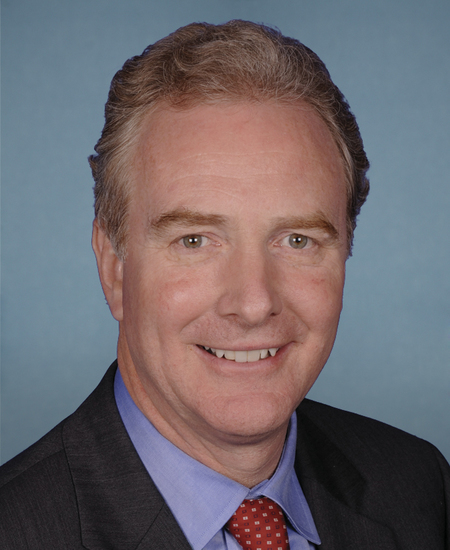
Chris Van Hollen
Chris Van Hollen Senate
D
Strong +
100% 3
Christopher Murphy
Christopher Murphy Senate
D
Strong +
100% 3
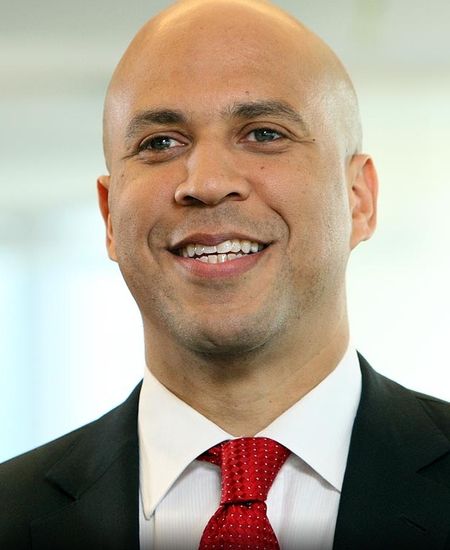
Cory A. Booker
Cory A. Booker Senate
D
Strong +
100% 3
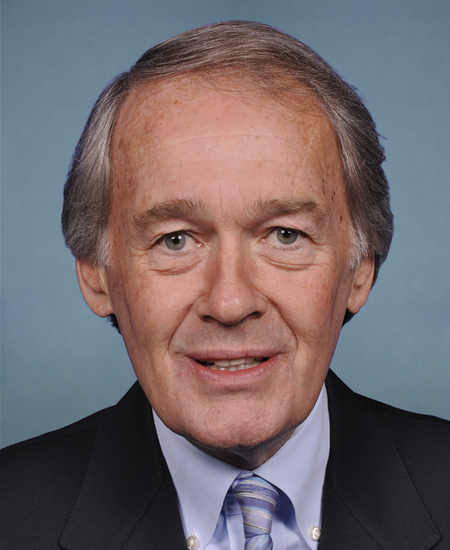
Edward J. Markey
Edward J. Markey Senate
D
Strong +
100% 3
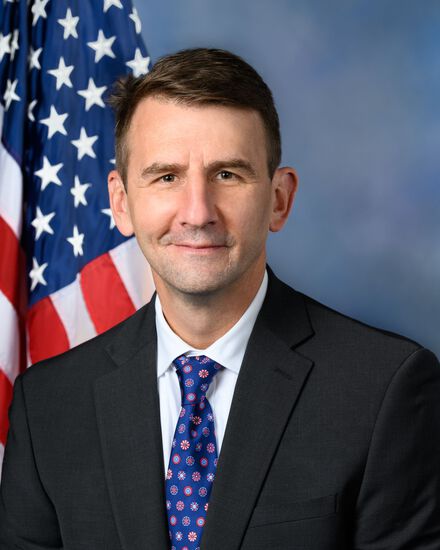
Frank J. Mrvan
Frank J. Mrvan House · District 1
D
Strong −
0% 5
Amy Klobuchar
Amy Klobuchar Senate
D
Strong −
0% 3
Andy Kim
Andy Kim Senate
D
Strong −
0% 3
Angus S. King, Jr.
Angus S. King, Jr. Senate
I
Strong −
0% 3
Ashley Moody
Ashley Moody Senate
R
Strong −
0% 3
Showing 41–50 of 244 bills

All criminal justice bills

in committee · United States · Senate Apr 15, 2026

S 4305: Safer Prisons Act of 2026

The Safer Prisons Act of 2026 increases the maximum prison sentence and fine for individuals convicted of assaulting correctional officers at the Bureau of Prisons. This change specifically targets attacks on federal prison staff by doubling the potential punishment compared to similar assaults on other law enforcement officers. The bill amends existing federal law to ensure that violence against these specific officers carries a heavier penalty.
in committee · United States · Senate May 18, 2026

S 4553: Aaron Salter, Jr., Responsible Body Armor Possession Act

This bill, known as the Aaron Salter, Jr., Responsible Body Armor Possession Act, prohibits civilians from buying, owning, or possessing enhanced body armor. The law defines enhanced body armor as protective gear that meets or exceeds the ballistic resistance of RF1 armor, which includes certain helmets and shields. Exceptions are made for law enforcement officers, government agencies, and individuals who already legally owned such armor before the law takes effect. Violating this ban could result in a fine, up to five years in prison, or both penalties.
in committee · United States · House May 22, 2026

HR 9013: Fireworks Trafficking and Money Laundering Prevention Act

This bill, titled the Fireworks Trafficking and Money Laundering Prevention Act, aims to combat illegal interstate fireworks trafficking by treating it as a serious financial crime. It directly affects individuals and organizations involved in the unauthorized transport and sale of fireworks across state lines. The key provision designates the illegal movement of fireworks as a "specified unlawful activity," which allows law enforcement to apply federal money laundering laws to the profits generated from these sales. This change increases the maximum possible prison sentence for related offenses from one year to twenty years and provides authorities with additional tools to seize illicit assets.
in committee · United States · House May 21, 2026

HR 8951: Zero Tolerance for Fraudsters Act of 2026

The Zero Tolerance for Fraudsters Act of 2026 establishes mandatory minimum prison sentences for individuals convicted of specific federal fraud offenses involving large sums of money. This legislation directly affects people charged with crimes such as making false statements to the government, mail fraud, wire fraud, and bank fraud. Under the new rules, anyone convicted of these crimes who involved at least $1 million but less than $5 million would face a minimum of one year in prison, while those involved with $5 million or more would face a minimum of five years. The bill sets these floors only when the existing laws for a specific crime do not already require a longer sentence, ensuring that serious financial fraud results in significant incarceration time.
Sub-Topics Corrections Sentencing
in committee · United States · House Apr 30, 2026

HR 8645: New Pathways Act

The New Pathways Act requires the Bureau of Prisons to provide returning federal prisoners with essential identification and documents before their release. For U.S. citizens, the bill mandates that the agency issue a photo ID card and secure necessary proof of citizenship and a Social Security card, even if the prisoner lacks the paperwork to obtain them themselves. Noncitizens eligible for work and residence will receive assistance in getting their immigration status documents and employment authorization. Additionally, the act ensures that individuals released directly from prison without prior custody receive help from the Probation System to create a plan for their reentry into society.
in committee · United States · Senate Apr 30, 2026

S 4446: PRESS Act

The PRESS Act amends federal law to make it illegal to manufacture or distribute specific equipment used to produce drugs if the seller knows it will be used for unlawful importation into the United States. This legislation targets items such as tableting machines, encapsulating machines, and gelatin capsules, extending criminal liability to manufacturers and distributors involved in the supply chain for illegal drug production. Violators of these provisions face potential fines and prison sentences ranging from ten to twenty years, depending on the type of chemical involved and the quantity of equipment. Additionally, the bill requires the United States Sentencing Commission to update federal sentencing guidelines to align with these new penalties.
Sub-Topics Corrections Sentencing
in committee · United States · House May 12, 2026

HRES 1277: Recognizing, from Chicago to Palestine to the Democratic Republic of the Congo to Puerto Rico, that the pain, violence, and oppression the global majority experiences are interconnected, acknowledges that the future must be self-determined, and affirms our humanity and dignity through a renewed mandate for human rights.

This resolution formally recognizes that the struggles faced by marginalized communities globally are interconnected and calls for a renewed focus on human rights. It defines key concepts such as intersectionality, the global majority, and systemic oppressions like racism and capitalism to frame its arguments. The text asserts that issues ranging from mass incarceration and housing insecurity in the United States to displacement and war abroad share common roots in unaccountable leadership and corporate exploitation. While it does not enact new laws, it declares that the United States must end inhumane immigration policies, dismantle specific government departments, and redirect military funding toward peace initiatives. Additionally, the resolution demands the creation of a Human Rights Commission and advocates for universal healthcare, land rights, and the preservation of cultural history for all people.
Sub-Topics Corrections
in committee · United States · House Apr 21, 2026

HR 8416: Prison to Proprietorship for the Formerly Incarcerated Act

This bill amends the Small Business Act to require the Service Corps of Retired Executives to provide entrepreneurship counseling and training to individuals formerly incarcerated in federal prisons across the country. The program would offer one-on-one mentoring sessions over a year, workshops, and instructional materials designed to help formerly incarcerated people start or expand small businesses. Key services include assistance with creating business plans, identifying funding sources, and connecting with local business resources, along with regular surveys to measure participant satisfaction. The bill also mandates annual reports to Congress detailing the number of participants, hours of mentorship provided, demographic information, and an analysis of survey results.
Sub-Topics Corrections Tags Small Business
in committee · United States · House May 13, 2026

HR 8796: Federal Halo Act

The Federal Halo Act creates a new federal crime for approaching or staying within 15 feet of a law enforcement officer after receiving a verbal warning to stop. This provision applies to any individual who knowingly violates such a warning with the intent to interfere with the officer's duties, threaten them, or harass them. The bill defines harassment as a course of conduct that intentionally causes substantial emotional distress to the officer without a legitimate purpose. Anyone convicted of this offense could face a fine, up to five years in prison, or both penalties.
in committee · United States · House Apr 16, 2026

HR 8325: Rehabilitation Through Reading Act of 2026

This bill, the Rehabilitation Through Reading Act of 2026, establishes new procedures for managing book availability in federal prisons, directly affecting incarcerated individuals and the Bureau of Prisons. It mandates the creation of a Publication Review Committee, comprising members such as an incarcerated individual and a First Amendment expert, to approve or disapprove books. The Director of the Bureau of Prisons must submit requests to this committee to prohibit a book, and the committee cannot ban books based on disfavored viewpoints or content. Incarcerated individuals can appeal book prohibitions, with books remaining available during the appeal process. The bill also requires annual reports to Congress detailing all prohibited books and the outcomes of appeals.
Sub-Topics Corrections
Showing 41 to 50 of 244 bills
Previous 1 4 5 6 25 Next