Issue · Criminal Justice

Criminal Justice (Policing)

Every criminal justice bill, vote, and legislator stance in United States, automatically classified by Maddy, our AI policy reader.

Total bills
97
119th Congress
Top supporter
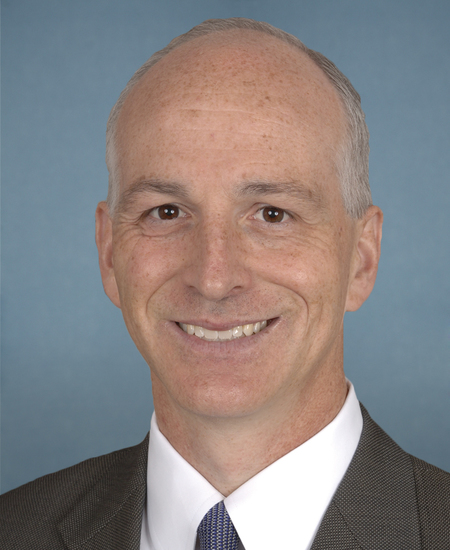
Adam Smith
100% support rate
Top opponent
Dave Min
0% support rate
Ranked legislators
10
5 support · 5 oppose
Key legislators

Who's moving policing in United States

Legislators moving policing in United States
Legislator Party Stance Support rate Votes
Adam Smith
Adam Smith House · District 9
D
Strong +
100% 3
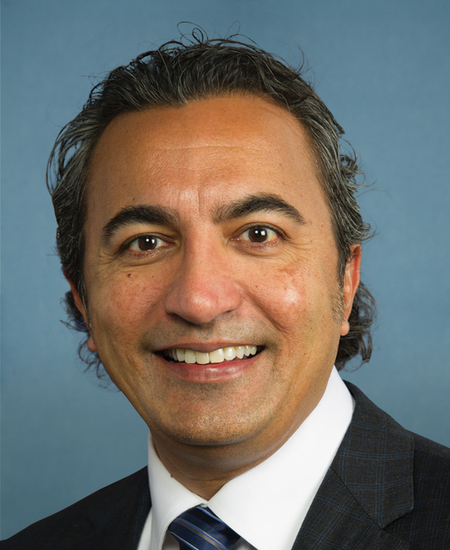
Ami Bera
Ami Bera House · District 6
D
Strong +
100% 3
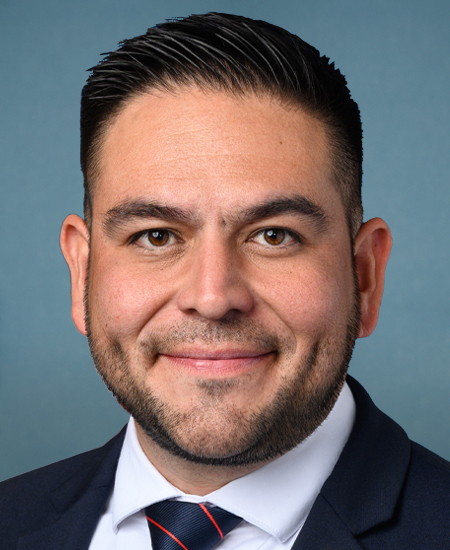
Gabe Vasquez
Gabe Vasquez House · District 2
D
Strong +
100% 3
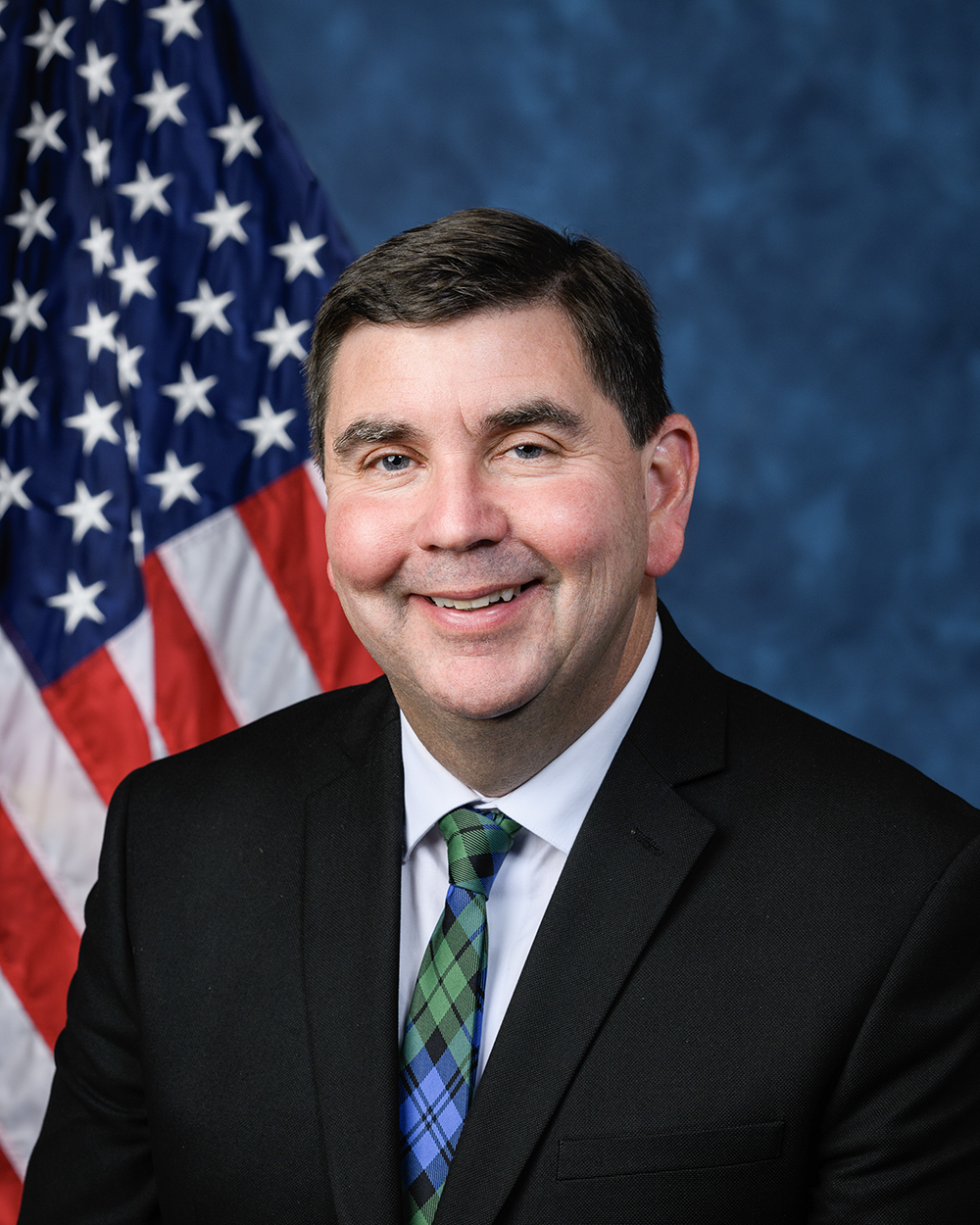
John W. Mannion
John W. Mannion House · District 22
D
Strong +
100% 3
Kristen McDonald Rivet
Kristen McDonald Rivet House · District 8
D
Strong +
100% 3
Dave Min
Dave Min House · District 47
D
Strong −
0% 3
Aaron Bean
Aaron Bean House · District 4
R
Oppose
33% 3
Abraham J. Hamadeh
Abraham J. Hamadeh House · District 8
R
Oppose
33% 3
Addison P. McDowell
Addison P. McDowell House · District 6
R
Oppose
33% 3
Andrew Ogles
Andrew Ogles House · District 5
R
Oppose
33% 3
Showing 41–50 of 97 bills

All criminal justice bills

in committee · United States · House Oct 1, 2025

HR 5653: Trust Through Transparency Act of 2025

HR 5653, the Trust Through Transparency Act of 2025, requires U.S. Customs and Border Protection (CBP) and U.S. Immigration and Customs Enforcement (ICE) officers, as well as deputized personnel, to wear body cameras during all public immigration enforcement actions like stops, arrests, or checkpoints. Footage must be kept for six months unless it involves use of force, an arrest, a complaint, or a voluntary request for longer retention (up to three years) by officers, the public, or families. The bill mandates annual reports to Congress detailing enforcement actions, compliance issues, disciplinary actions taken, and public access to these reports (with privacy redactions permitted). It also creates an independent panel to advise on body camera policies, aiming to increase accountability in immigration enforcement.
Sub-Topics Policing
in committee · United States · House Jan 15, 2026

HR 7125: Stop Body Camera Paywalls Act

HR 7125, the Stop Body Camera Paywalls Act, requires states and local governments seeking certain federal law enforcement grants to certify they do not charge fees for public access to body camera footage, dash camera footage, or prison surveillance recordings. To qualify for Byrne or COPS grant programs, applicants must confirm no financial barriers exist for the public requesting these specific video recordings. The bill makes certification mandatory for grant eligibility, directly affecting law enforcement agencies receiving federal funds under these programs.
in committee · United States · House Jul 25, 2025

HR 4755: LEO K9 Protection Act

This bill strengthens protections for police dogs and horses used in law enforcement by increasing penalties for harming them, including up to 15 years in prison for using deadly weapons. It requires the Transportation Secretary to create emergency medical guidelines for treating injured police animals and establish regulations allowing their transport to veterinary facilities without waiting for human patients. The rules ensure emergency medical personnel can provide care to police dogs during transport or at the scene of an incident. These changes apply to dogs and horses serving federal, state, or local law enforcement agencies in roles like crime detection, disaster response, or military operations.
in committee · United States · House Feb 2, 2026

HR 7310: Deadly Force Independent Review Act of 2026

This bill requires all federal law enforcement agencies to investigate every use of deadly force by their officers, including making evidence available to state/local authorities. It mandates independent reviews by agency inspectors general to ensure investigations were thorough and properly supported, and directs the Council of Inspectors General to create uniform national guidelines for these reviews and data collection. Agencies must submit quarterly reports to Congress containing detailed data on each incident - such as location, officer/target demographics (race, gender, age), nature of force used, and reasons given - while protecting all personally identifiable information from public release. The law directly affects federal law enforcement officers, agencies, and oversight bodies by standardizing investigations and increasing transparency through mandated reporting.
in committee · United States · House Oct 8, 2025

HR 5725: Mental Health Crisis Response Act of 2025

HR 5725, the Mental Health Crisis Response Act of 2025, establishes a federal grant program to help state and local governments create health-centered alternatives for mental health emergencies. It provides $25 million annually (2027-2031) for jurisdictions to embed mental health professionals in 911 systems, develop direct routing to crisis hotlines like 988, and build partnerships between emergency services and dispatch centers. The bill specifically aims to reduce law enforcement involvement in behavioral health crises by creating streamlined pathways to crisis care, without requiring police removal or overriding state emergency authority laws. Jurisdictions receiving grants must report on response times, use of force, and diversion rates to health services.
Sub-Topics Law Enforcement Policing Mental Health Tags Public Safety
in committee · United States · House May 29, 2025

HR 3652: National Police Misuse of Force Investigation Board Act of 2025

The National Police Misuse of Force Investigation Board Act of 2025 would create a federal Board to investigate deaths in police custody, officer-involved shootings, and severe force incidents resulting in bodily injury. The Board would have 8 members appointed by the President with specific qualifications in civil rights law, psychology, and related fields, and would produce detailed reports with demographic data, circumstances, and outcomes of each incident. Law enforcement agencies receiving certain federal grants would be required to respond to Board recommendations within 90 days and report annually on implementation progress. The bill also mandates family support services for victims' families and establishes procedures for the Board to conduct investigations, obtain evidence, and maintain public transparency through annual reports to Congress.
in committee · United States · House Jan 22, 2026

HR 7210: Fuel the Force Act of 2026

This bill creates a tax exclusion allowing eligible law enforcement officers to exclude up to $100,000 of their ordinary income from taxable income each year. To qualify, officers must have worked full-time as law enforcement for at least 5 cumulative years and earn up to $100,000 annually. It covers police, corrections officers, probation/parole officers, sheriffs, deputies, and school resource officers. The exclusion applies to the first $100,000 of ordinary income earned during a taxable year. The provision takes effect after the bill's enactment.
in committee · United States · House Apr 8, 2025

HR 2739: Counseling Not Criminalization in Schools Act

This bill prohibits federal funding for school police officers and establishes a $5 billion grant program to help schools replace law enforcement with mental health professionals like counselors, social workers, and psychologists. It requires schools to eliminate police contracts before receiving funds and mandates that grant money be used for trauma-informed services, restorative justice programs, and evidence-based mental health support instead of punitive discipline. The bill directly affects schools with police presence but insufficient mental health staff, particularly those serving Black, Latino, Native American, and other marginalized students who face racial disparities in school discipline. It aims to reduce the school-to-prison pipeline by shifting resources from law enforcement to supportive services that address students' needs. The legislation includes reporting requirements for schools to track disciplinary practices and demographic data to monitor progress in reducing disparities.
in committee · United States · House May 19, 2025

HR 3500: More Funding for COPS Act

HR 3500 increases annual funding for the COPS ON THE BEAT grant program to $1.16 billion per year for fiscal years 2026 through 2030, replacing a prior funding level. This bill directly affects local law enforcement agencies that receive COPS grants to hire community policing officers. The key provision amends the funding amount in the 1968 crime control law, ensuring higher annual support for community policing initiatives. The change provides stable, increased funding for these programs over the next five fiscal years.
in committee · United States · House Jun 10, 2025

HR 3894: SAFE Cities Act

HR 3894, the SAFE Cities Act, requires the Attorney General to publish and update every 180 days a list of jurisdictions (states or local governments) that refuse to stop violence and property destruction, based on specific criteria like blocking police intervention or defunding law enforcement. The bill directs the Office of Management and Budget to issue guidance restricting federal grant eligibility for these jurisdictions, to the extent permitted by law. It would directly affect local or state governments meeting the defined criteria, potentially limiting their access to federal funding. The law focuses on creating a federal mechanism to identify and financially disfavor jurisdictions with policies deemed insufficient for public safety.
Showing 41 to 50 of 97 bills
Previous 1 4 5 6 10 Next