Issue · Criminal Justice

Criminal Justice (Policing)

Every criminal justice bill, vote, and legislator stance in United States, automatically classified by Maddy, our AI policy reader.

Total bills
97
119th Congress
Top supporter
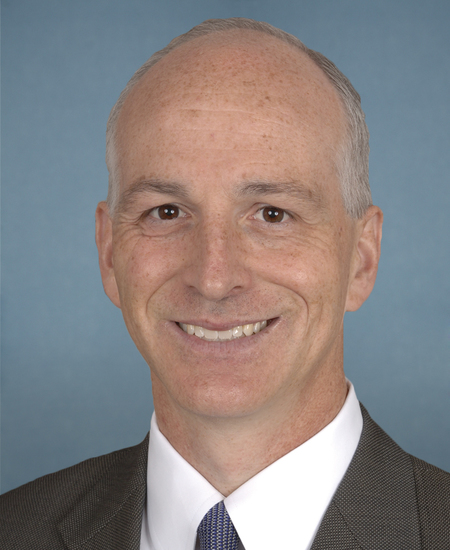
Adam Smith
100% support rate
Top opponent
Dave Min
0% support rate
Ranked legislators
10
5 support · 5 oppose
Key legislators

Who's moving policing in United States

Legislators moving policing in United States
Legislator Party Stance Support rate Votes
Adam Smith
Adam Smith House · District 9
D
Strong +
100% 3
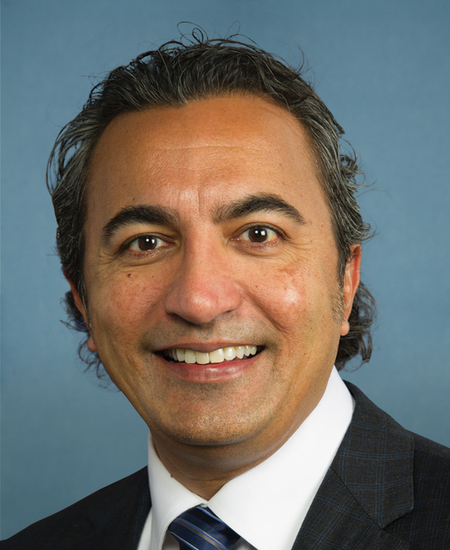
Ami Bera
Ami Bera House · District 6
D
Strong +
100% 3
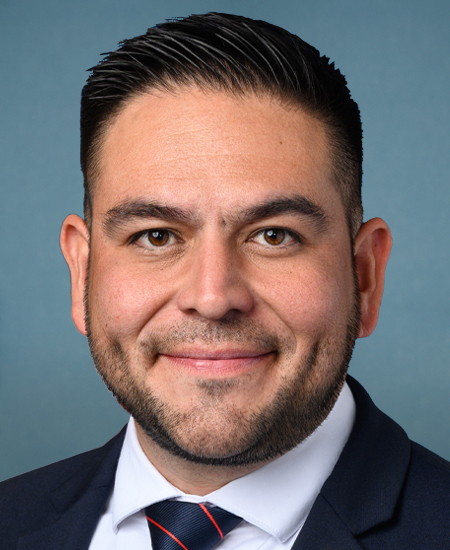
Gabe Vasquez
Gabe Vasquez House · District 2
D
Strong +
100% 3
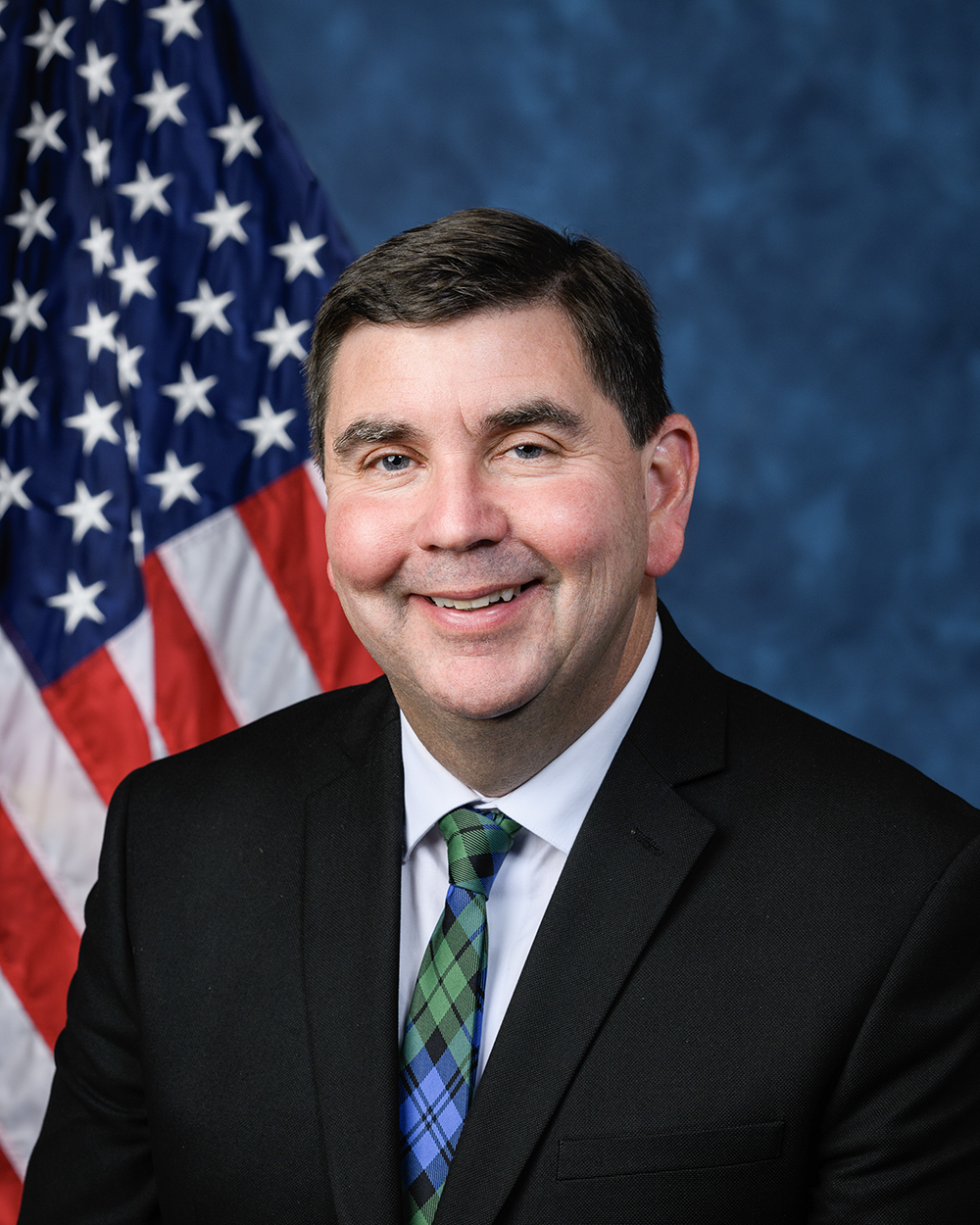
John W. Mannion
John W. Mannion House · District 22
D
Strong +
100% 3
Kristen McDonald Rivet
Kristen McDonald Rivet House · District 8
D
Strong +
100% 3
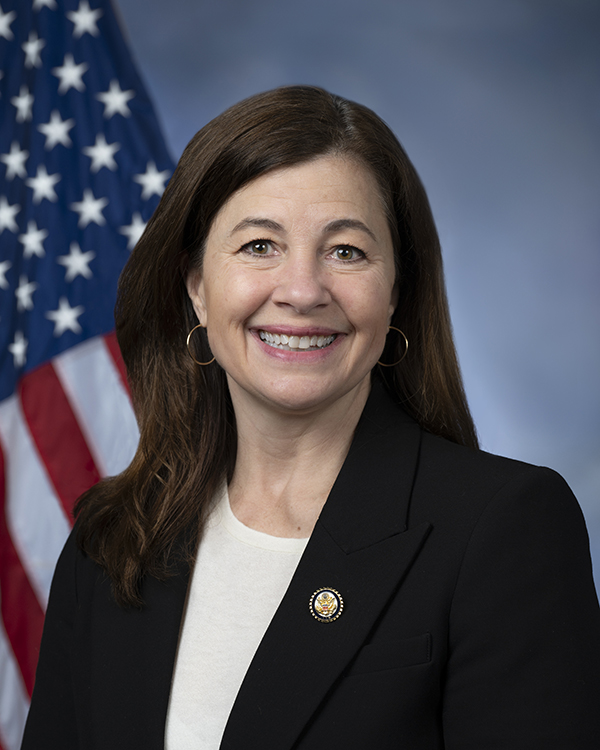
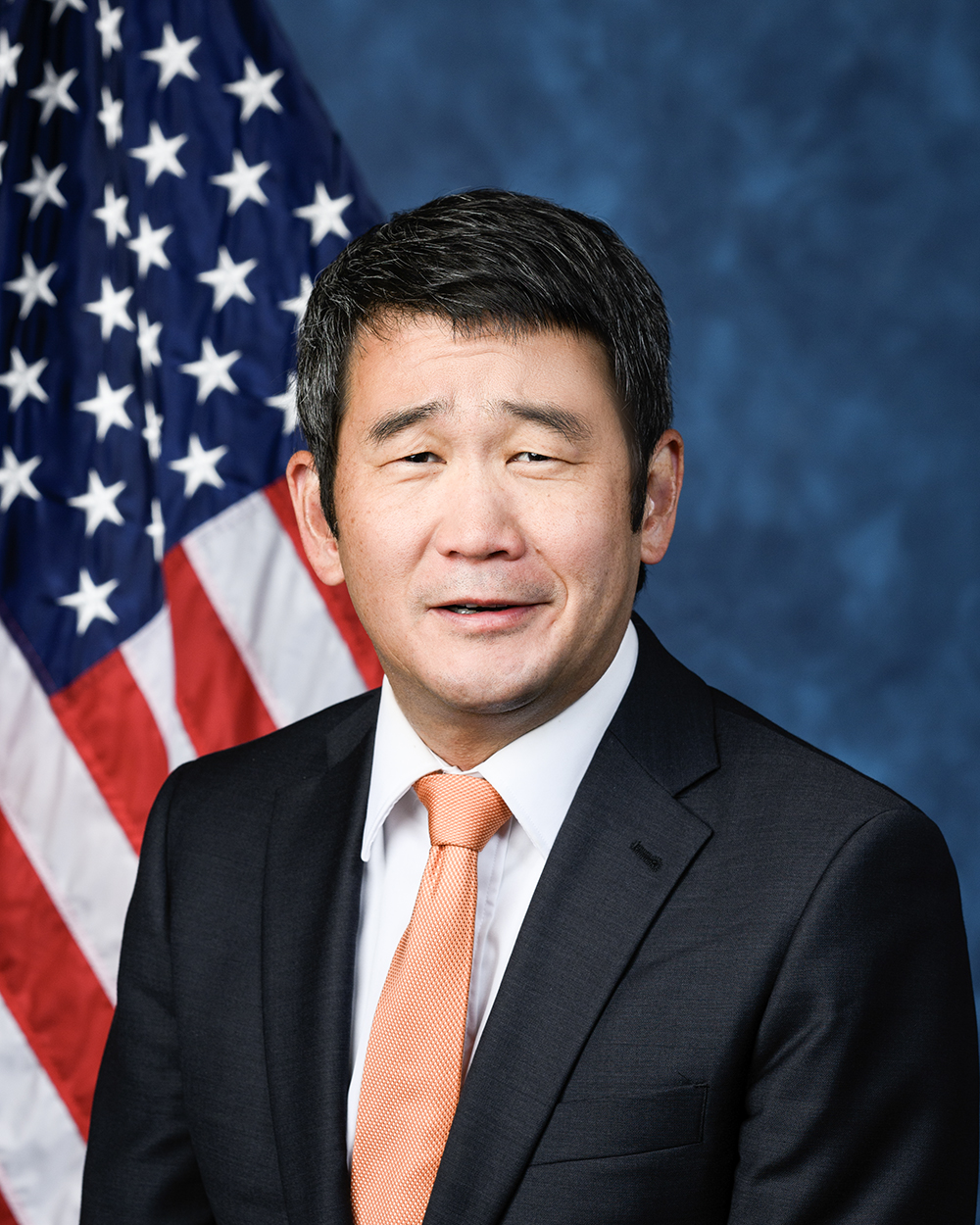
Dave Min
Dave Min House · District 47
D
Strong −
0% 3
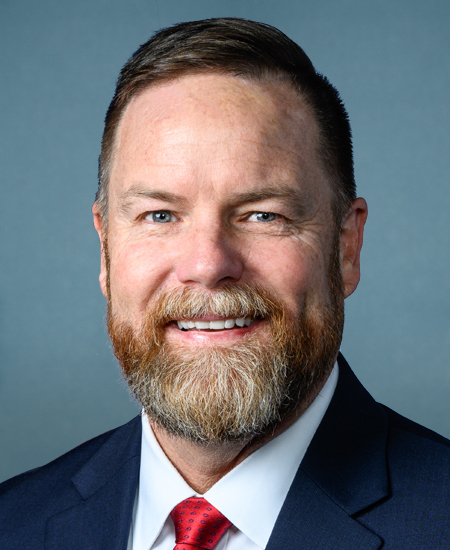
Aaron Bean
Aaron Bean House · District 4
R
Oppose
33% 3
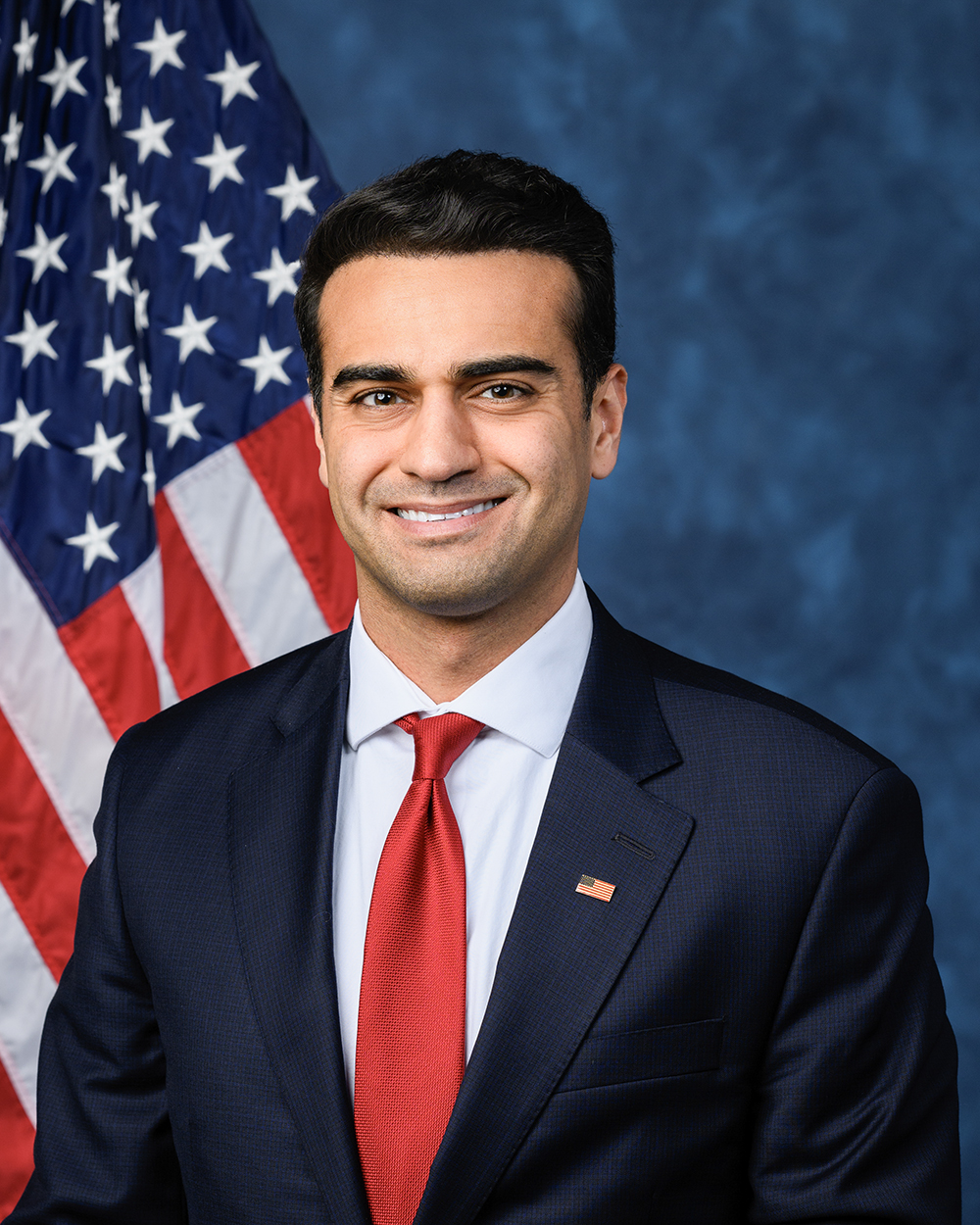
Abraham J. Hamadeh
Abraham J. Hamadeh House · District 8
R
Oppose
33% 3
Addison P. McDowell
Addison P. McDowell House · District 6
R
Oppose
33% 3
Andrew Ogles
Andrew Ogles House · District 5
R
Oppose
33% 3
Showing 31–40 of 97 bills

All criminal justice bills

in committee · United States · House Jun 27, 2025

HR 4176: No Secret Police Act of 2025

The No Secret Police Act of 2025 requires U.S. Immigration and Customs Enforcement (ICE) and other Department of Homeland Security officers working on border security or immigration enforcement to visibly display their official badges or uniforms and provide identification during detentions or arrests. It prohibits officers from wearing face coverings that conceal their face during these interactions. The bill also mandates that the Department report to Congress about tactical gear policies and research technology to improve badge visibility in different conditions like weather or lighting. These changes aim to increase transparency in immigration enforcement encounters.
Sub-Topics Policing
in committee · United States · House Jun 25, 2025

HR 4143: 3D Printed Gun Safety Act of 2025

HR 4143, the 3D Printed Gun Safety Act of 2025, prohibits the online distribution of digital instructions (like 3D printer files) that can automatically create firearms or firearm parts. It directly affects individuals or entities sharing such code over the internet, not people using 3D printers to make guns. The law aims to prevent "ghost guns" made without serial numbers - making them untraceable by law enforcement, as seen in cases like the 2023 DC police seizure of 407 untraceable firearms. By banning the spread of these digital schematics, the bill targets a specific gap in firearm regulation.
in committee · United States · House Nov 7, 2025

HR 5973: Stop Excessive Force in Immigration Act of 2025

This bill, HR 5973, requires federal immigration enforcement personnel to follow strict limits on force use, including proportional application, mandatory de-escalation efforts, and prohibitions on equipment like flash bangs or rubber bullets except for specific public safety threats. It mandates body-worn and vehicle cameras for all operations, with footage retained for one year (three years for force incidents or complaints), and grants affected individuals the right to inspect recordings. The law also requires annual training on force policies, First Amendment compliance, and racial bias avoidance, while demanding detailed quarterly reports to Congress on force usage, assaults on agents, and equipment approvals. These provisions directly affect all federal immigration agents conducting enforcement actions, aiming to increase transparency and accountability during operations.
Sub-Topics Policing
in committee · United States · House Jan 16, 2025

HR 544: To provide a private right of action against the maker of any component of a ghost gun, and any person who facilitated a sale of the ghost gun, for injury or death resulting from the use of the ghost gun.

HR 544 creates a new federal civil lawsuit pathway allowing individuals injured or families of those killed by ghost guns to sue the maker of any component or anyone who facilitated the sale. It directly affects victims, their families, and states/political subdivisions where the injury occurred, targeting manufacturers and sellers of unserialized firearms (defined as ghost guns lacking required serial numbers). The bill establishes a private right of action in U.S. district court for damages, including consequential losses, while including limited defenses for self-defense or police actions responding to imminent threats. This policy change modifies civil liability for ghost gun-related harm without altering criminal law or gun ownership rights.
Sub-Topics Courts Firearms Policing
in committee · United States · House Dec 9, 2025

HR 6533: Military in Law Enforcement Accountability Act

The Military in Law Enforcement Accountability Act requires the President to submit detailed justification to Congress before the military provides support to civilian law enforcement, including specific budget, timeline, and funding details, with a 30-day limit on such support unless Congress approves a longer period through a specific joint resolution process. It prohibits Department of Defense personnel (including military members) from holding civilian law enforcement positions concurrently, with limited exceptions for reserve members who must recuse during active duty. The bill also removes the military's authorization to deploy for "civil disturbances" without the new approval process and establishes a private right for individuals or governments to sue the federal government for violations. This directly affects the Department of Defense, military support to local police agencies, and DoD personnel's dual employment policies.
in committee · United States · House Sep 2, 2025

HR 5092: District of Columbia Police Home Rule Act

This bill repeals the provision allowing the President to assume emergency control of the District of Columbia's police force. It directly affects the District of Columbia government by transferring full authority over police emergency management from the federal government to local DC officials. The key mechanism is removing Section 740 of the District of Columbia Home Rule Act, which previously permitted the President to intervene in police operations during emergencies. This change formalizes DC's local control over its police department during crises.
Sub-Topics Policing
in committee · United States · House Jan 16, 2026

HR 7119: DHS Use of Force Oversight Act

This bill requires U.S. Department of Homeland Security (DHS) law enforcement officers and agents to follow a new department-wide policy on use of force. It mandates that officers use only objectively reasonable force, prioritize de-escalation, ban chokeholds and carotid restraints, and complete regular training. The policy also requires DHS components to establish internal review teams to analyze incidents and report detailed data every six months - including incidents causing injury, death, or involving deadly force - to the public via the DHS website. Additionally, DHS must brief Congress and inform the public within 24 hours of any incident resulting in hospitalization or death.
in committee · United States · House Oct 17, 2025

HRES 815: Expressing the sense of the House of Representatives that immigration enforcement operations must be transparent, accountable, and consistent with constitutional protections for all persons within the United States.

HRES 815 is a non-binding House resolution expressing that immigration enforcement by ICE and CBP must be transparent and respect constitutional rights. It requires ICE/CBP officers to wear body cameras during public operations, ban masks/face coverings (except for safety threats), and visibly display name/badge/agency. The resolution also calls for civilian oversight boards, mandatory de-escalation training, and Justice Department oversight of ICE. It directly affects all ICE and CBP enforcement personnel and their interactions with the public, particularly in residential raids and detention. The resolution references similar pending bills but does not create new law.
Sub-Topics Policing Detention Enforcement Sanctuary Policies Tags Civil Liberties
in committee · United States · House Jun 11, 2025

HR 3920: Lawless Cities Accountability Act of 2025

HR 3920, the Lawless Cities Accountability Act of 2025, prohibits federal funding to any state or local jurisdiction designated as a "lawless jurisdiction" by the Attorney General. A jurisdiction is defined as lawless if it blocks law enforcement during widespread violence, withdraws protection from areas officers should access, defunds police, or refuses federal assistance during crises. The Attorney General must make quarterly public determinations of lawless jurisdictions and publish explanations, with federal funds resuming only after 180 days or when the designation ends. This bill directly affects state and local governments meeting these criteria by cutting off federal financial support until they address the issues. It establishes a clear, time-bound mechanism for withholding and restoring funding based on the Attorney General's determinations.
in committee · United States · House Aug 26, 2025

HR 5051: To require members of the Armed Forces performing active service in the District of Columbia in response to an order of the President which relates to crime or civil disturbance in the District of Columbia to participate in a program substantially similar to the Body-Worn Camera Program of the Metropolitan Police Department of the District of Columbia.

HR 5051 requires members of the U.S. Armed Forces serving in Washington, D.C., under a presidential order addressing crime or civil disturbance to wear body cameras during their deployment. This applies to service members performing active duty in the District under such orders, mandating participation in a program matching the District's Metropolitan Police Department's body-worn camera requirements established under D.C. law. The requirement takes effect 30 days after the bill becomes law. The bill directly affects military personnel deployed to D.C. for civil disorder response, not civilian law enforcement or the public.
Showing 31 to 40 of 97 bills
Previous 1 3 4 5 10 Next