Issue · Criminal Justice

Criminal Justice

Every criminal justice bill, vote, and legislator stance in United States, automatically classified by Maddy, our AI policy reader.

Total bills
301
119th Congress
Top supporter
Alan Armstrong
86% support rate
Top opponent
Amy Klobuchar
13% support rate
Ranked legislators
10
5 support · 5 oppose
Key legislators

Who's moving criminal justice in United States

Legislators moving criminal justice in United States
Legislator Party Stance Support rate Decisive votes
AA
Alan Armstrong Senate
R
Strong +
86% 28
Mitch McConnell
Mitch McConnell Senate
R
Strong +
84% 31
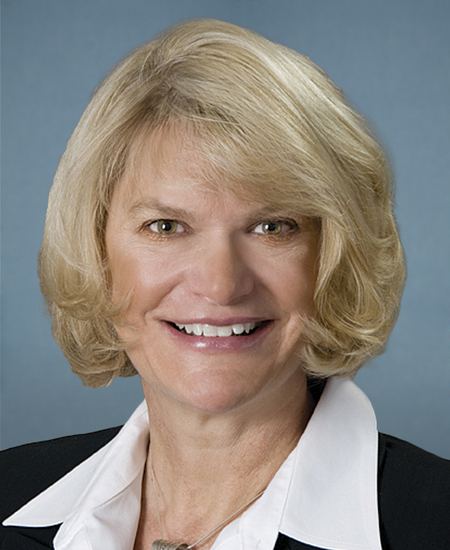
Cynthia M. Lummis
Cynthia M. Lummis Senate
R
Strong +
80% 30
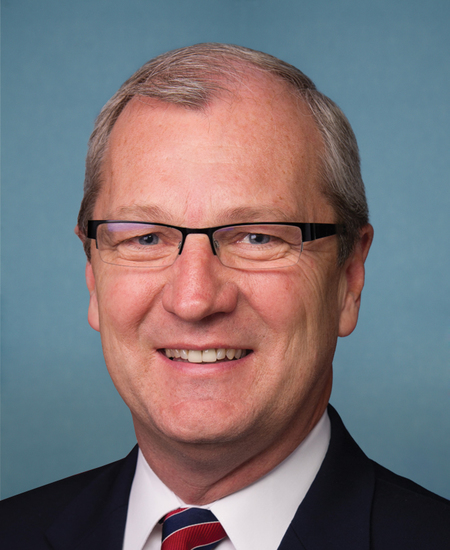
Kevin Cramer
Kevin Cramer Senate
R
Strong +
80% 30
Bernie Moreno
Bernie Moreno Senate
R
Support
77% 31
Amy Klobuchar
Amy Klobuchar Senate
D
Strong −
13% 31
Catherine Cortez Masto
Catherine Cortez Masto Senate
D
Strong −
13% 31
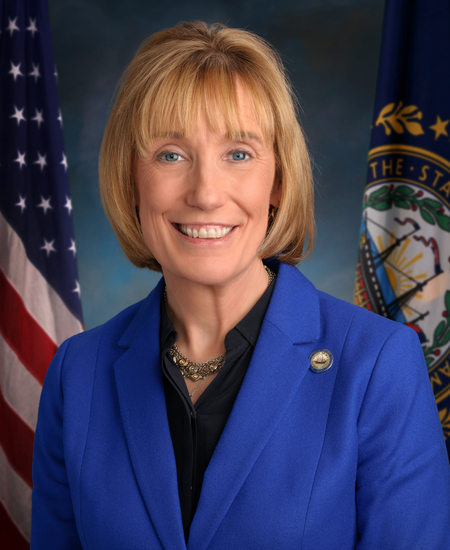
Margaret Wood Hassan
Margaret Wood Hassan Senate
D
Strong −
13% 31
Andy Kim
Andy Kim Senate
D
Strong −
16% 31
Angus S. King, Jr.
Angus S. King, Jr. Senate
I
Strong −
16% 31
Showing 31–40 of 301 bills

All criminal justice bills

in committee · United States · House Jul 2, 2026

HR 9575: Hold Vandals Accountable Act of 2026

The Hold Vandals Accountable Act of 2026 directly affects individuals who damage government property or violate contracts with the federal government. The bill amends existing federal law to lower the monetary threshold for criminal penalties from $1,000 to $500. This change means that acts of vandalism or contract violations involving less damage than previously required can now result in criminal charges. By reducing the financial limit, the legislation expands the scope of cases that can be prosecuted under current statutes.
in committee · United States · House Jun 25, 2026

HR 9479: Remigration Act

The Remigration Act introduces several strict measures to revoke U.S. citizenship and immigration status under specific conditions. It allows for the loss of naturalized citizenship if a person is convicted of government fraud, joins a terrorist organization, or commits certain serious crimes within ten years of becoming a citizen. Additionally, the bill defines citizenship for children born in the U.S. based on their parents' legal status, creates a task force to review asylum and refugee grants made between 2021 and 2025, and mandates the revocation of status for individuals from designated countries or those who received public benefits recently. The legislation also raises the English language requirement for naturalization, allows for deportation based on anti-American beliefs, and requires denaturalized individuals to repatriate with their children.
in committee · United States · Senate Jun 10, 2026

S 4729: Biosecurity Smuggling Deterrence Act of 2026

The Biosecurity Smuggling Deterrence Act of 2026 strengthens federal penalties for the illegal transport of biological agents or toxins into the United States. It directly affects individuals convicted of conspiring to smuggle these materials, making false statements related to their importation, and attempting to smuggle them. Under the new provisions, anyone found guilty of conspiring to smuggle biological agents faces a mandatory minimum prison sentence of 20 years, while those who make false statements in connection with such activities face a mandatory minimum of 5 years. The bill also updates existing smuggling laws to explicitly include biological agents and ensures that forfeiture rules apply to these specific offenses. These changes take effect immediately upon the bill's enactment.
Sub-Topics Corrections Sentencing
in committee · United States · House Feb 4, 2025

HR 923: Stop Arming Cartels Act of 2025

The Stop Arming Cartels Act of 2025 prohibits civilian possession, sale, or transfer of rifles capable of firing .50 caliber ammunition, with exceptions for government use and rifles lawfully owned before the bill's enactment. It requires owners of such rifles to register them with the federal government within 12 months, without fees, and adds these rifles to the National Firearms Act registry. The bill also creates new federal firearm restrictions for significant foreign narcotics traffickers identified under the Foreign Narcotics Kingpin Designation Act and expands reporting requirements for rifle sales to include all rifles. This directly affects civilian rifle owners, sellers, and individuals designated as foreign narcotics traffickers.
in committee · United States · House Jun 18, 2026

HR 9361: Worst of the Worst Act

The Worst of the Worst Act requires the Department of Homeland Security to create a public database within 180 days of enactment. This database will list released criminal aliens who are subject to mandatory detention, including their photos, names, physical descriptions, release dates, and locations. The system will allow the public to search for individuals by name or release jurisdiction to track their whereabouts.
in committee · United States · Senate Jun 11, 2026

S 4775: Stopping Harmful and Outrageous Torts Act

The Stopping Harmful and Outrageous Torts Act expands legal protections for firearm manufacturers and sellers by immediately dismissing any lawsuits currently pending against them that allege harm caused by the criminal or unlawful misuse of their products. The bill defines these protected cases as those where the injury resulted from a third party's illegal actions rather than a defect in the product itself, while explicitly excluding claims involving negligent entrustment, specific federal violations, or design defects. To enforce these protections, the law allows defendants to remove such cases from state courts to federal court and grants them the right to appeal dismissal orders immediately. Additionally, the legislation preempts state and local laws that attempt to hold these companies liable for product misuse and provides for attorney's fees for defendants who successfully assert their immunity.
Sub-Topics Courts Firearms
in committee · United States · House Jun 24, 2026

HR 9443: Saving FACE Act of 2026

The Saving FACE Act of 2026 amends federal criminal law to remove penalties for obstructing access to abortion services. It achieves this by changing the name of the relevant statute from "Freedom of Access to Clinics" to "Freedom of Access to Church" and removing the specific definition of abortion from the list of protected activities. Additionally, the bill updates the legal definition of abortion to exclude the intentional termination of a pregnancy, thereby narrowing the scope of the obstruction statute. These changes directly affect individuals who might otherwise face criminal charges for blocking entry to facilities providing abortion care.
Sub-Topics Women's Health
in committee · United States · House Jul 7, 2026

HR 9314: DHS Surveillance Technology Moratorium Act of 2026

The DHS Surveillance Technology Moratorium Act of 2026 temporarily halts the Department of Homeland Security from using funds to start, renew, or expand contracts for surveillance tools used in immigration enforcement, such as facial recognition and predictive analytics. This pause applies to agencies like U.S. Immigration and Customs Enforcement and Customs and Border Protection, though existing contracts can continue until a review is complete. The bill mandates an independent audit within 180 days to examine data collection practices, privacy impacts, and the accuracy of these technologies, followed by a public report detailing their use and capabilities. The funding ban remains in effect until the audit is finished, a public report is released, and the department demonstrates it has implemented necessary safeguards to protect civil liberties. Once these conditions are met, the moratorium lifts, but the department must submit annual reports on its continued use of these technologies and any related privacy complaints.
in committee · United States · House Jun 11, 2026

HR 9288: TIMEOUT Act

The TIMEOUT Act requires federal agencies to move their nonessential administrative offices out of sanctuary jurisdictions within 90 days of the law's enactment. A sanctuary jurisdiction is defined as any state or local area that restricts officials from sharing immigration information or complying with federal detainer requests. The bill also prohibits these agencies from leasing, renewing, or using federal funds for new office space in such locations. Additionally, the General Services Administration must identify affected offices and submit a report to Congress detailing the relocation status and associated costs within one year.
in committee · United States · House Jun 11, 2026

HR 9298: Stopping Harmful and Outrageous Torts Act

This bill, known as the Stopping Harmful and Outrageous Torts Act, expands legal protections for firearm manufacturers and sellers by strengthening their immunity from civil lawsuits. It requires courts to immediately dismiss any pending cases against these companies that are based on the criminal or unlawful misuse of a gun by a third party, while also clarifying that sellers are not liable for negligence in entrusting products to others. The legislation further restricts who can file such suits by prohibiting foreign governments from bringing these claims and adding a specific exception for victims under the age of 17, though it maintains immunity for cases involving design or manufacturing defects. Additionally, the bill allows companies to move these cases to federal court and grants them the right to appeal dismissal orders immediately, along with the ability to recover legal fees if they win. Finally, it preempts state and local laws that attempt to impose liability on these entities for the same types of misuse-related harms.
Sub-Topics Courts Firearms
Showing 31 to 40 of 301 bills
Previous 1 … 3 4 5 … 31 Next