Issue · Criminal Justice

Criminal Justice (Law Enforcement)

Every criminal justice bill, vote, and legislator stance in United States, automatically classified by Maddy, our AI policy reader.

Total bills
380
119th Congress
Top supporter
James Gallagher
100% support rate
Top opponent
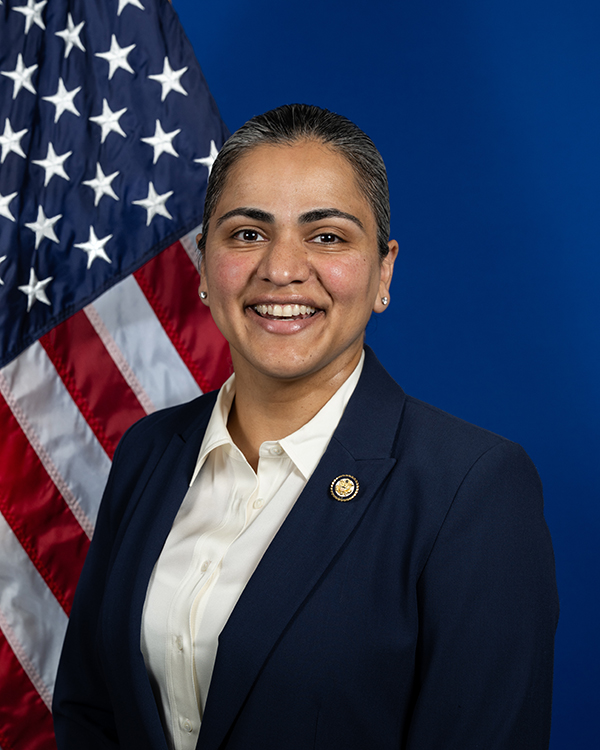
Aisha Wahab
0% support rate
Ranked legislators
10
5 support · 5 oppose
Key legislators

Who's moving law enforcement in United States

Legislators moving law enforcement in United States
Legislator Party Stance Support rate Decisive votes
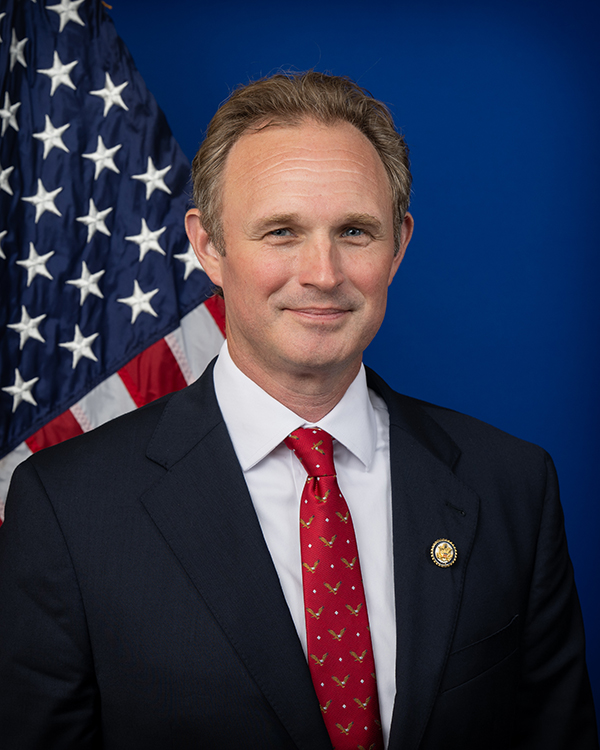
James Gallagher
James Gallagher House · District 1
R
Strong +
100% 3
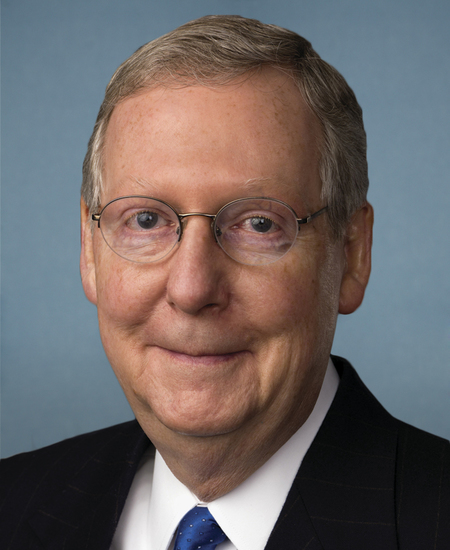
Mitch McConnell
Mitch McConnell Senate
R
Strong +
93% 28
AA
Alan Armstrong Senate
R
Strong +
86% 28
Bernie Moreno
Bernie Moreno Senate
R
Strong +
86% 28
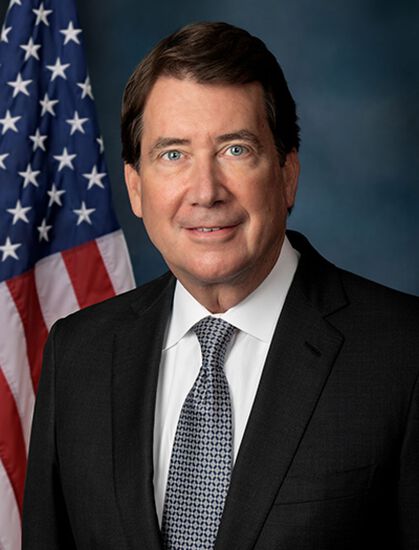
Bill Hagerty
Bill Hagerty Senate
R
Strong +
86% 28
Aisha Wahab
Aisha Wahab House · District 14
D
Strong −
0% 3
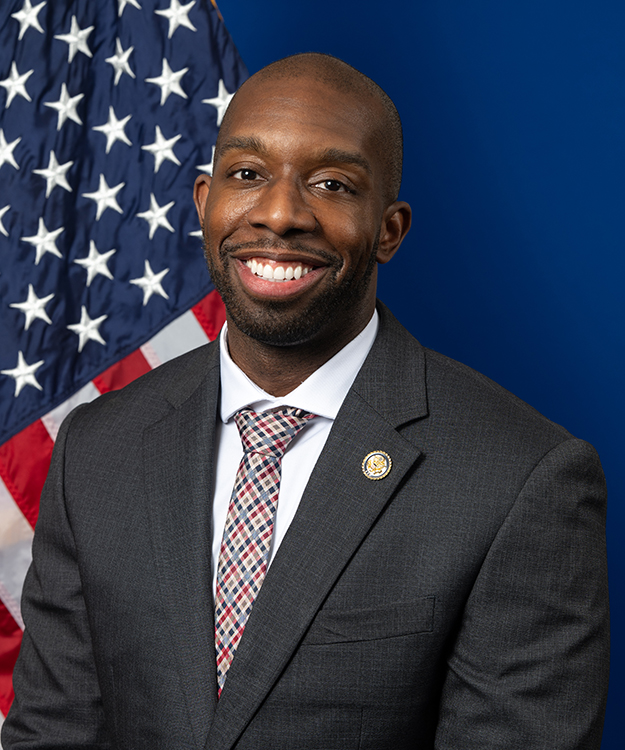
Everton Blair Jr.
Everton Blair Jr. House · District 13
D
Strong −
0% 3
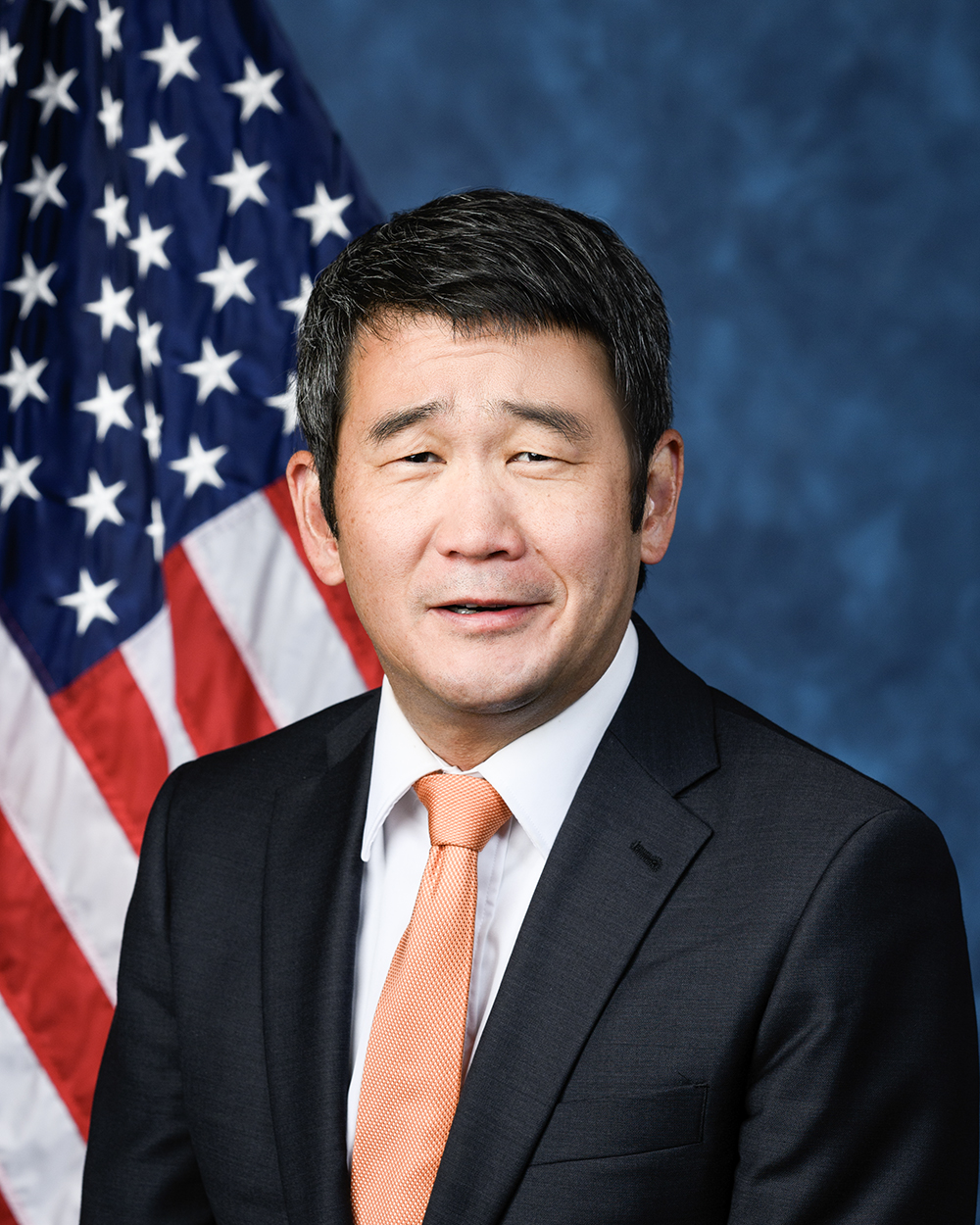
Dave Min
Dave Min House · District 47
D
Strong −
13% 15
Marcy Kaptur
Marcy Kaptur House · District 9
D
Strong −
13% 15
Amy Klobuchar
Amy Klobuchar Senate
D
Strong −
14% 28
Showing 371–380 of 380 bills

All criminal justice bills

in committee · United States · House Sep 15, 2025

HR 5361: George Floyd Justice in Policing Act of 2025

The George Floyd Justice in Policing Act of 2025 would establish a National Police Misconduct Registry to track officer complaints, disciplinary actions, and misconduct records across all law enforcement agencies. It would require law enforcement agencies to implement body-worn camera programs with specific recording and retention policies, ban chokeholds and no-knock warrants in drug cases, and reform qualified immunity to make it easier to hold officers accountable for misconduct. The bill mandates comprehensive data collection on use of force incidents, requiring agencies to report detailed information about stops, searches, and force used, disaggregated by race, ethnicity, gender, and other demographics. These provisions would directly affect all Federal, State, and local law enforcement agencies that receive federal grant funding, with requirements for policy changes, training, and data reporting.
in committee · United States · Senate Jan 21, 2025

S 167: Protect and Serve Act of 2025

S 167, the "Protect and Serve Act of 2025," creates new federal criminal penalties for individuals who assault law enforcement officers causing serious injury or attempt to do so under specific circumstances. It directly affects law enforcement officers (including federal, state, and local officers) and those who commit violent acts against them. Key provisions include enhanced penalties (up to life in prison if death or kidnapping occurs) when the crime involves crossing state lines, using interstate commerce, weapons that traveled across state lines, or interfering with the officer's duties. Federal prosecution requires certification from the Attorney General or designee, ensuring states are notified or have declined jurisdiction before federal action. The bill aims to strengthen federal authority to prosecute such offenses when they impact interstate commerce or involve federal officers.
in committee · United States · House Feb 25, 2025

HR 1551: Protect and Serve Act of 2025

HR 1551, the Protect and Serve Act of 2025, creates a new federal criminal offense for intentionally harming law enforcement officers under specific circumstances. It imposes harsher penalties, including up to 10 years in prison for serious injury or life imprisonment if death occurs, kidnapping is involved, or a firearm is used. The law applies when the crime crosses state lines, involves interstate weapons, occurs on federal property, or targets federal officers. Prosecutions require the Attorney General’s written certification, considering factors like prior state convictions and public safety impact. The bill directly affects law enforcement officers and federal prosecutors by expanding federal jurisdiction for certain violent crimes against them.
in committee · United States · House May 7, 2025

HRES 395: Establishing a "Bill of Rights" to support United States law enforcement personnel nationwide in their work to protect our communities.

HRES 395 is a non-binding resolution (not a law) that establishes a symbolic "Bill of Rights" for U.S. law enforcement officers during internal investigations into alleged misconduct. It outlines specific procedural protections, including the right to have legal counsel present during interviews, the right to know investigation details in advance, protection from offensive language or threats during questioning, and the right to not face discipline for invoking the Fifth Amendment. The resolution aims to support officers by ensuring fair investigation processes while condemning calls to defund or dismantle police departments. It does not create new legal rights or change existing laws but encourages states to adopt similar protections for officers.
in committee · United States · House Jul 16, 2025

HR 4468: Federal Interviews Reform Act

HR 4468, the Federal Interviews Reform Act, requires U.S. Department of Justice (DOJ) officers to electronically record all interviews with people suspected of federal crimes during investigations - whether the person is in custody or not, and even if they're abroad. This applies to interviews related to federal offenses or joint investigations with state/local agencies, but excludes communications with confidential informants. Unrecorded statements cannot be used as evidence in federal court, and recordings must be kept for 10 years (or indefinitely if related to a capital case). The law aims to increase transparency in federal law enforcement interviews without requiring consent from the person being interviewed.
Sub-Topics Courts Law Enforcement
in committee · United States · Senate Feb 6, 2025

SJRES 17: A joint resolution providing for congressional disapproval under chapter 8 of title 5, United States Code, of the rule submitted by the Forest Service of the Department of Agriculture relating to "Law Enforcement; Criminal Prohibitions".

This joint resolution (SJRES 17) seeks to block a specific rule issued by the U.S. Forest Service under the Department of Agriculture. The rule, published in the Federal Register on November 25, 2024, established new criminal prohibitions related to law enforcement activities on federal lands. If passed, this resolution would formally disapprove the rule under Chapter 8 of Title 5, U.S. Code, making the rule legally ineffective and preventing it from taking effect. The resolution directly affects the Forest Service's ability to enforce this particular criminal prohibition rule.
Sub-Topics Law Enforcement
in committee · United States · Senate Dec 4, 2025

S 3366: Back the Blue Act of 2025

The Back the Blue Act of 2025 creates new federal criminal offenses for killing or assaulting law enforcement officers, judges, and certain public safety personnel (including firefighters and first responders) while they are on duty or because of their official status. It increases penalties for these crimes, including minimum 10-year prison terms for killing officers and longer sentences for assaults causing serious injury, with the death penalty possible for killings. The bill also adds a "flight to avoid prosecution" provision for those fleeing to evade charges for killing officers, expands law enforcement officers' rights to carry firearms in certain circumstances, and limits federal habeas corpus relief for individuals convicted of killing law enforcement officers. This legislation directly affects law enforcement officers, judges, and public safety personnel, as well as individuals who commit violence against them.
in committee · United States · House Dec 18, 2025

HR 6908: Blue Envelope Awareness Act

HR 6908, the Blue Envelope Awareness Act, creates a new program to help people with speech, hearing, or developmental disabilities communicate more effectively with police during traffic stops. The bill directs federal Byrne grant funds to support "blue envelope programs," which provide individuals with blue envelopes containing disability documentation to show officers and train law enforcement on interacting with these individuals. It amends existing law to define "blue envelope program" and add this funding authorization to the Omnibus Crime Control and Safe Streets Act. The bill directly affects people with disabilities who interact with police and law enforcement agencies receiving Byrne grants.
Sub-Topics Law Enforcement Policing Tags People with Disabilities
in committee · United States · House May 14, 2025

HR 3389: Alzheimer’s Law Enforcement Education Act of 2025

HR 3389, the Alzheimer’s Law Enforcement Education Act of 2025, requires the Justice Department to create an online training course for law enforcement officers within one year of the bill’s enactment. The course will teach officers how to interact with people experiencing Alzheimer’s or dementia, including recognizing symptoms, communicating effectively, avoiding physical restraints, and identifying abuse. It mandates that states count completion of this course toward required training hours for law enforcement officers, correctional officers, and probation officers. The bill directly affects state and local law enforcement agencies by establishing standardized training on dementia care for their personnel.
in committee · United States · Senate Mar 14, 2025

S 1079: Restoring Law and Order Act of 2025

S 1079, the Restoring Law and Order Act of 2025, creates a federal grant program to provide state and local law enforcement agencies (including tribal entities) with funding to address specific crime priorities. The grants fund hiring officers, targeting vehicle thefts and carjackings, prosecuting violent crime (including repeat offenders), using bail/pretrial detention for dangerous offenders, combating drug/fentanyl crimes, processing evidence faster, and deporting criminal aliens. The $500 million appropriation for fiscal year 2026 (with funds available until 2030) comes from rescinded unobligated balances previously allocated for diversity initiatives. Agencies receiving grants must maintain audit records and allow oversight of fund usage by the Attorney General.
Showing 371 to 380 of 380 bills
Previous 1 … 36 37 38