Issue · Criminal Justice

Criminal Justice (Law Enforcement)

Every criminal justice bill, vote, and legislator stance in United States, automatically classified by Maddy, our AI policy reader.

Total bills
380
119th Congress
Top supporter
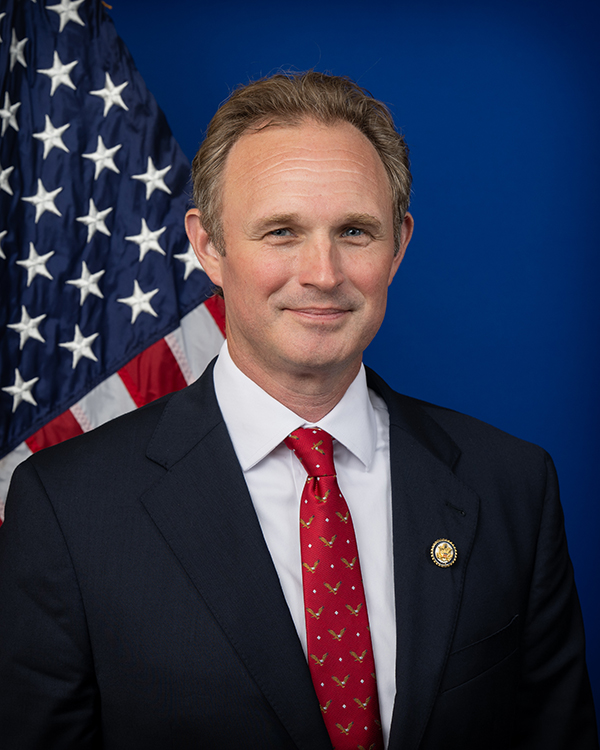
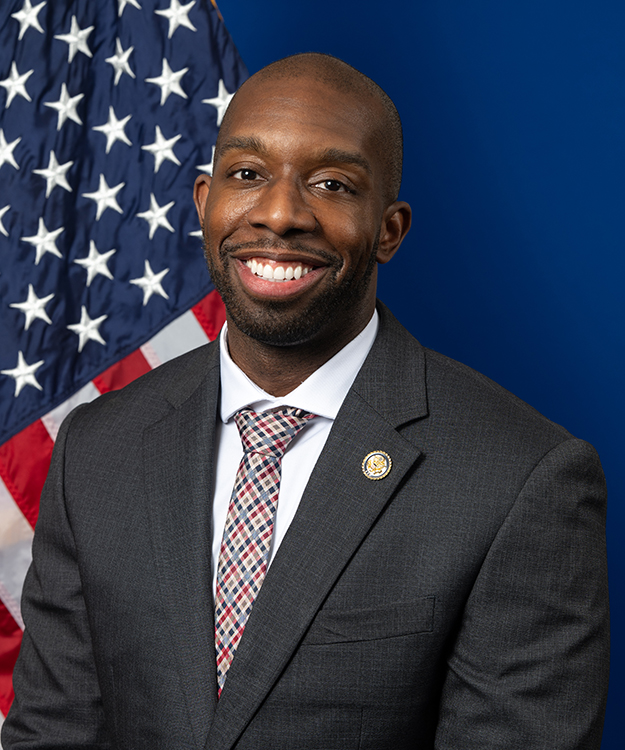
James Gallagher
100% support rate
Top opponent
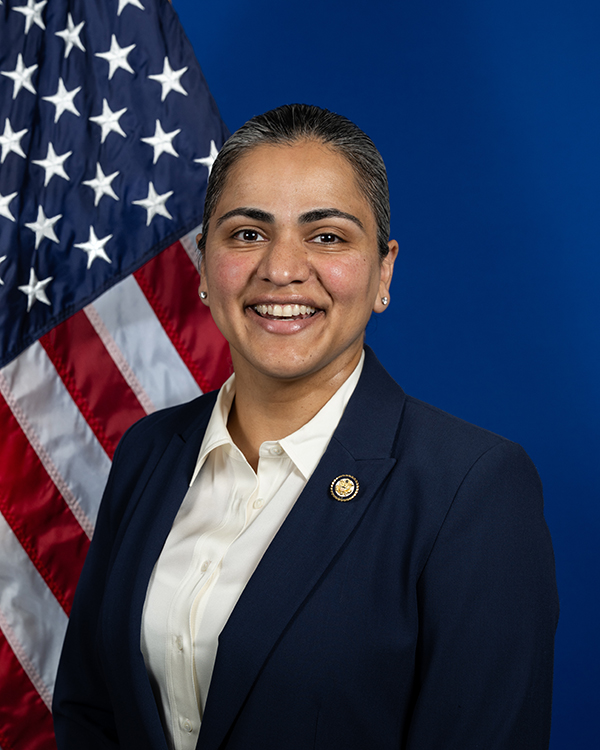
Aisha Wahab
0% support rate
Ranked legislators
10
5 support · 5 oppose
Key legislators

Who's moving law enforcement in United States

Legislators moving law enforcement in United States
Legislator Party Stance Support rate Decisive votes
James Gallagher
James Gallagher House · District 1
R
Strong +
100% 3
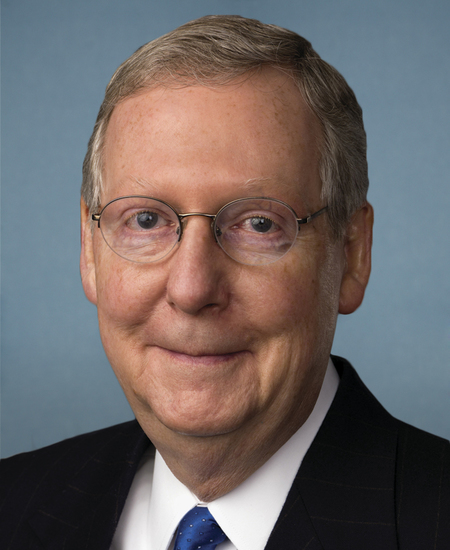
Mitch McConnell
Mitch McConnell Senate
R
Strong +
93% 28
AA
Alan Armstrong Senate
R
Strong +
86% 28
Bernie Moreno
Bernie Moreno Senate
R
Strong +
86% 28
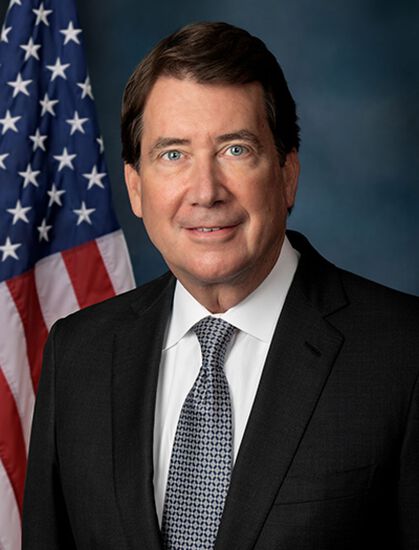
Bill Hagerty
Bill Hagerty Senate
R
Strong +
86% 28
Aisha Wahab
Aisha Wahab House · District 14
D
Strong −
0% 3
Everton Blair Jr.
Everton Blair Jr. House · District 13
D
Strong −
0% 3
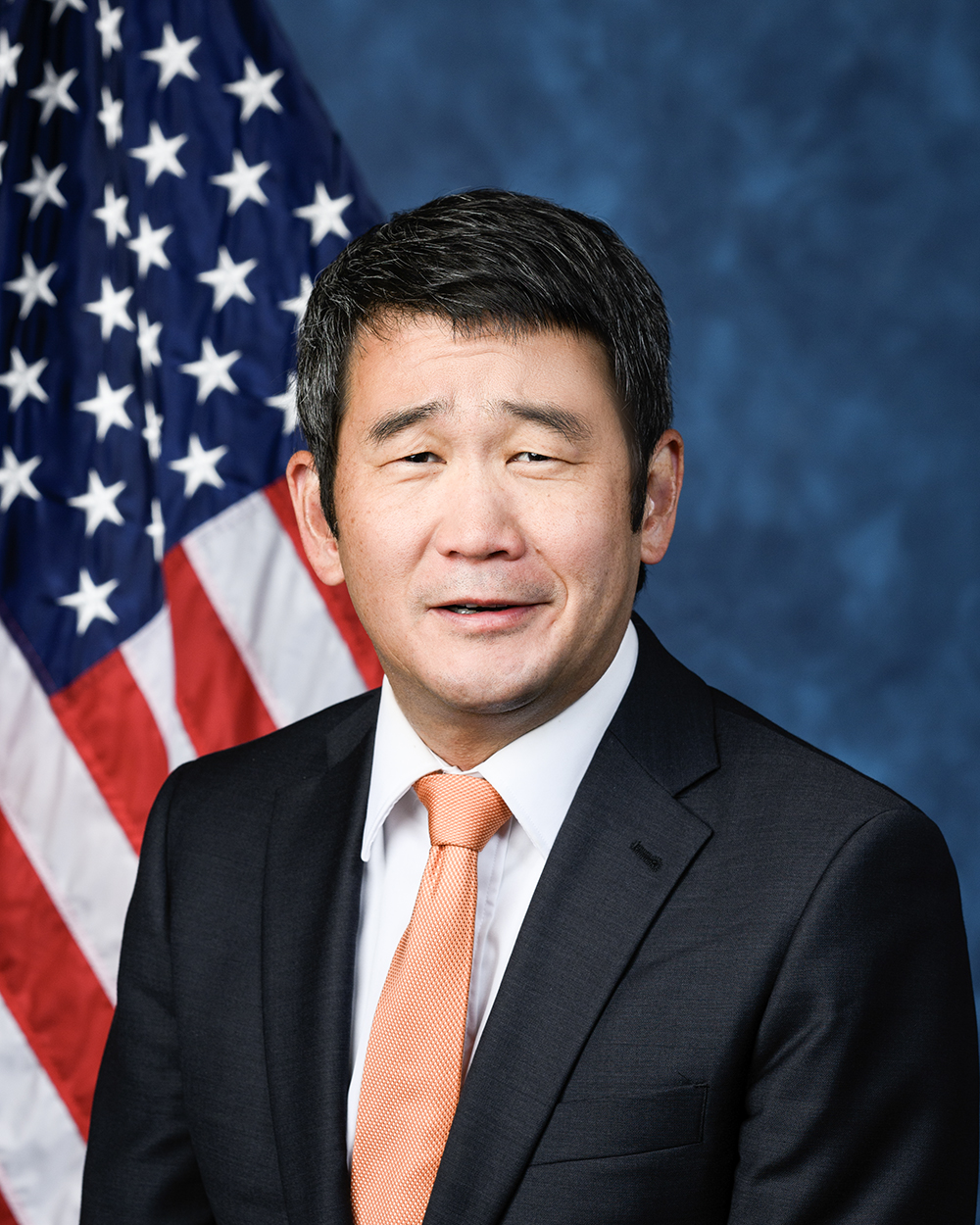
Dave Min
Dave Min House · District 47
D
Strong −
13% 15
Marcy Kaptur
Marcy Kaptur House · District 9
D
Strong −
13% 15
Amy Klobuchar
Amy Klobuchar Senate
D
Strong −
14% 28
Showing 321–330 of 380 bills

All criminal justice bills

in committee · United States · Senate Jun 5, 2025

S 1975: Dark Web Interdiction Act of 2025

The Dark Web Interdiction Act of 2025 creates a new federal task force within the FBI to target drug trafficking and illegal marketplaces operating on the dark web. It directly affects law enforcement agencies (including the FBI, DEA, and Homeland Security) by requiring them to investigate, disrupt, and dismantle dark web marketplaces selling drugs, weapons, and stolen data. Key provisions include establishing the Joint Criminal Opioid and Darknet Enforcement Task Force, mandating specialized training for investigators on dark web evidence collection, and requiring annual reports on task force activities and virtual currency use in illicit transactions. The bill amends the Controlled Substances Act to explicitly prohibit distributing controlled substances via the dark web, with enhanced penalties for violations.
in committee · United States · House Jan 14, 2025

HR 378: Thin Blue Line Act

HR 378, the Thin Blue Line Act, adds a new aggravating factor for the death penalty in federal cases where a defendant kills or targets a law enforcement officer, firefighter, or other first responder. It specifically applies when the victim was killed or targeted while performing official duties, because of those duties, or due to their status as a public official. This amendment to federal death penalty law would make the death penalty a potential sentencing option for such crimes, as the killing would be considered an aggravating factor. The bill directly affects defendants convicted of homicides meeting these specific circumstances involving public safety personnel.
Sub-Topics Law Enforcement Sentencing Tags Public Safety
in committee · United States · House May 24, 2025

HR 3598: Deescalation Drone Pilot Program Act of 2025

HR 3598, the Deescalation Drone Pilot Program Act of 2025, establishes a federal pilot program to test nonlethal drones for law enforcement during active shooter events. The program, managed by the FAA, will review nonlethal devices (like sound emitters or cameras) for drones, develop training and safety protocols, and assess effectiveness in indoor scenarios to increase officer safety. It requires drones to be manufactured in the U.S. and mandates a report to Congress within 3 months of the pilot's conclusion, followed by rulemaking to create a formal approval process for law enforcement use. The bill directly affects Federal, State, local, and Tribal law enforcement agencies responding to active shooter events as defined by the legislation.
Sub-Topics Law Enforcement
in committee · United States · Senate May 22, 2025

S 1914: Andrew Kearse Accountability for Denial of Medical Care Act of 2025

This bill requires federal law enforcement officers, Bureau of Prisons staff, and U.S. Marshals to immediately obtain or provide medical care when someone in federal custody shows medical distress (like breathing difficulties). It makes it a federal offense for covered officials to negligently fail to act, punishable by fines, up to one year in prison, or both. The bill mandates Inspector General investigations into such failures that cause harm and establishes confidential complaint processes. It also requires agencies to train covered officials on responding to medical distress in custody. The law directly affects individuals in federal custody and the specific federal officials responsible for their care.
in committee · United States · Senate May 1, 2025

S 1580: Clean Slate Act of 2025

The Clean Slate Act of 2025 provides two pathways to seal certain criminal records. It automatically seals records of individuals arrested but not convicted for federal offenses after 180 days, and seals records of those convicted of specific marijuana offenses after completing their sentences. For other nonviolent offenses, individuals can petition courts for record sealing after completing sentences, with courts weighing rehabilitation against public safety concerns. Sealed records cannot be used in most background checks, though law enforcement and security positions may access them, and employers hiring individuals with sealed records are protected from liability for related misconduct.
in committee · United States · House Sep 30, 2025

HR 5640: Northern Mariana Islands and American Samoa Criminal Justice Support Act

This bill amends the definition of "State" in the Omnibus Crime Control and Safe Streets Act to explicitly include the Northern Mariana Islands, removing redundant language. It ensures the Northern Mariana Islands qualifies for federal criminal justice funding typically available to states. The bill directly affects the Northern Mariana Islands by enabling its access to these funds for local law enforcement and justice programs. The provided text does not detail provisions for American Samoa, though the bill title references both territories.
Sub-Topics Law Enforcement
in committee · United States · Senate Jan 15, 2026

S 3663: NDO Fairness Act of 2026

The NDO Fairness Act of 2026 amends federal law to regulate when law enforcement can delay notifying individuals whose electronic communications data is accessed via warrants or subpoenas. It requires courts to issue written findings before granting "preclusion of notice" orders, limiting delays to 1 year for child exploitation cases or 90 days for other investigations, and mandates that such orders must be narrowly tailored to avoid unnecessary secrecy. After the delay period ends, law enforcement must notify the affected person within 5 business days and provide a copy of the warrant, along with details about the investigation and the data accessed (with redactions for sensitive materials like child exploitation evidence). This bill directly affects law enforcement agencies, technology providers (like internet or phone companies), and customers whose data is accessed under these orders, while requiring annual public reports on how often these orders are used.
Sub-Topics Courts Law Enforcement
in committee · United States · Senate Dec 15, 2025

S 3470: Accountability for Federal Law Enforcement Act

This bill amends Section 1983 of federal law to make federal law enforcement agencies financially liable when officers violate constitutional rights during searches, seizures, or arrests. It directly affects federal agencies (like the FBI or DHS) and citizens who experience such rights violations. Key provisions remove the requirement that a violation must stem from an agency's policy or custom, and waive the U.S. government's sovereign immunity - meaning agencies can be sued directly in court regardless of officer defenses or immunities. The law expands legal recourse for victims by enabling lawsuits against the agency itself, not just individual officers.
Sub-Topics Courts Law Enforcement Tags Civil Liberties
in committee · United States · Senate Jan 14, 2025

S 83: Thin Blue Line Act

S 83, the "Thin Blue Line Act," amends federal law to add a new aggravating factor for death penalty cases when someone kills or targets public safety officers. It directly affects law enforcement officers, prosecutors, firefighters, and other first responders who are killed or targeted while performing their duties or because of their role. The bill inserts a new provision (paragraph 17) into sentencing guidelines, specifying that killing an officer engaged in official duties, targeted due to those duties, or because of their status as a public safety employee qualifies as an aggravating factor for the death penalty. This change would allow federal courts to consider these killings as a specific reason to impose the death penalty under existing sentencing rules. The bill does not create new offenses but modifies sentencing considerations for existing murder charges involving public safety officers.
in committee · United States · House Sep 3, 2025

HR 5118: Protecting Law Enforcement from Doxxing Act

HR 5118, the "Protecting Law Enforcement from Doxxing Act," makes it a federal crime to publicly release the name of a federal law enforcement officer with the intent to obstruct a criminal investigation or immigration enforcement operation. The bill directly affects federal officers, including those working on immigration enforcement, by adding new protections to Title 18 of the U.S. Code. Key provisions create a new offense under Section 1510(f), punishable by fines, up to five years in prison, or both. The law specifically targets doxxing intended to interfere with official operations, not general public disclosure of officer identities.
Showing 321 to 330 of 380 bills
Previous 1 … 32 33 34 … 38 Next