Issue · Criminal Justice

Criminal Justice (Firearms)

Every criminal justice bill, vote, and legislator stance in United States, automatically classified by Maddy, our AI policy reader.

Total bills
140
119th Congress
Top supporter
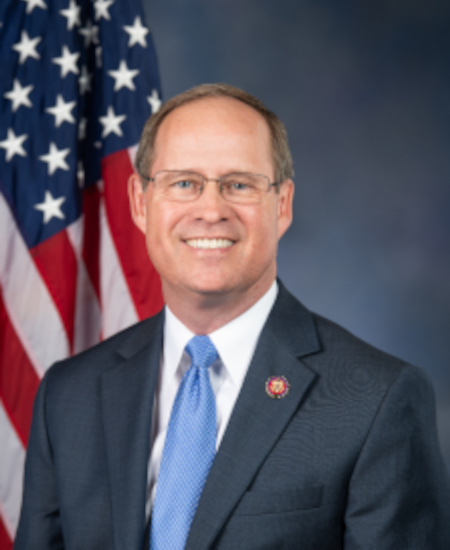
Gregory F. Murphy
75% support rate
Top opponent
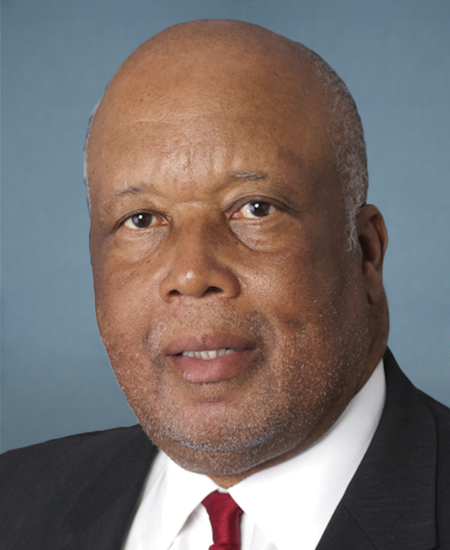
Bennie G. Thompson
20% support rate
Ranked legislators
10
5 support · 5 oppose
Key legislators

Who's moving firearms in United States

Legislators moving firearms in United States
Legislator Party Stance Support rate Votes
Gregory F. Murphy
Gregory F. Murphy House · District 3
R
Support
75% 4
Mike Johnson
Mike Johnson House · District 4
R
Support
75% 4
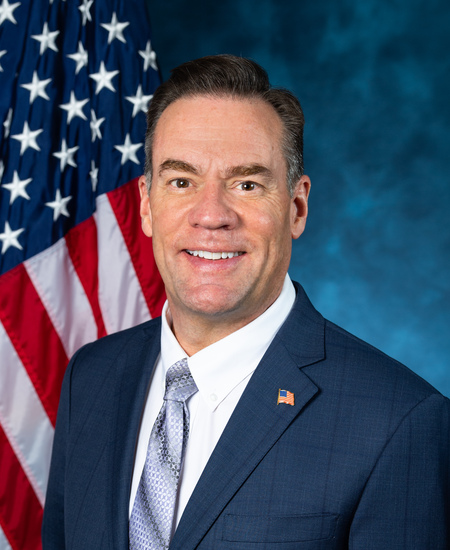
Russ Fulcher
Russ Fulcher House · District 1
R
Support
75% 4
Wesley Hunt
Wesley Hunt House · District 38
R
Support
75% 4
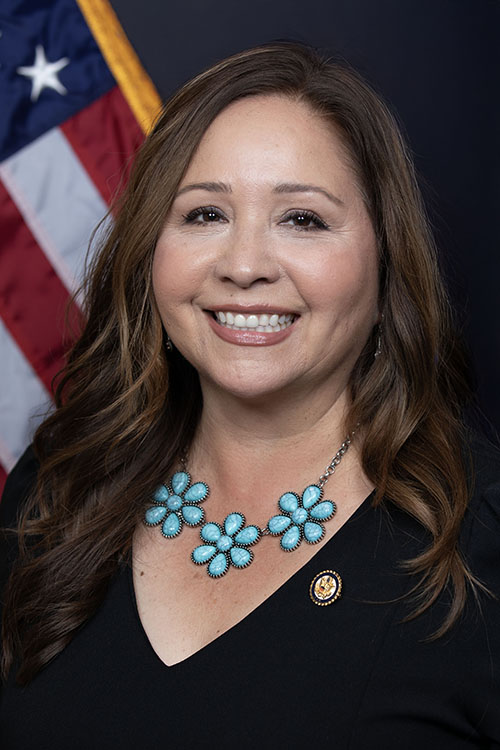
Adelita S. Grijalva
Adelita S. Grijalva House · District 7
D
Support
67% 3
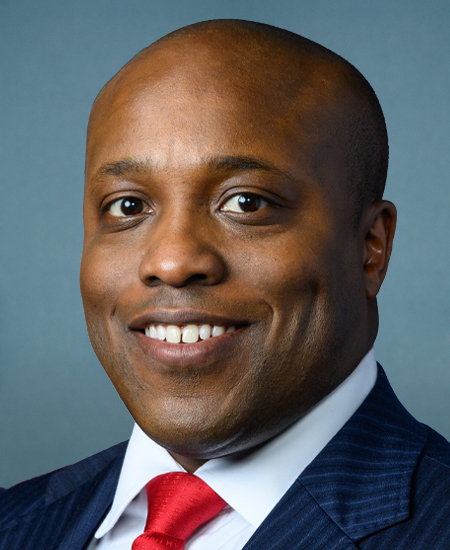
Bennie G. Thompson
Bennie G. Thompson House · District 2
D
Strong −
20% 5
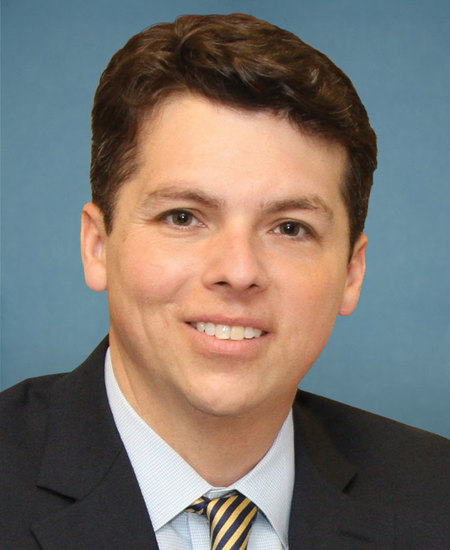
Brendan F. Boyle
Brendan F. Boyle House · District 2
D
Strong −
20% 5
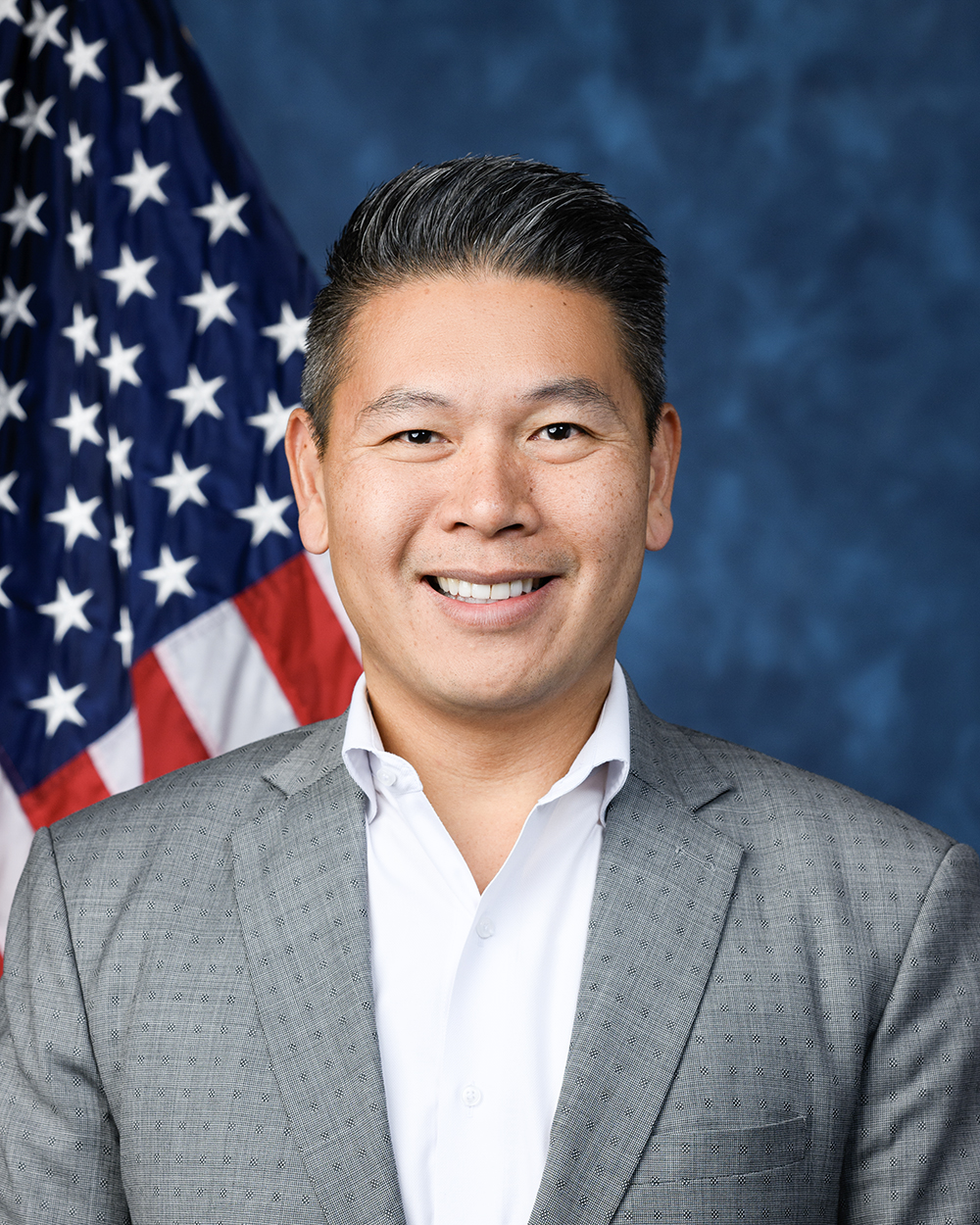
Derek Tran
Derek Tran House · District 45
D
Strong −
20% 5
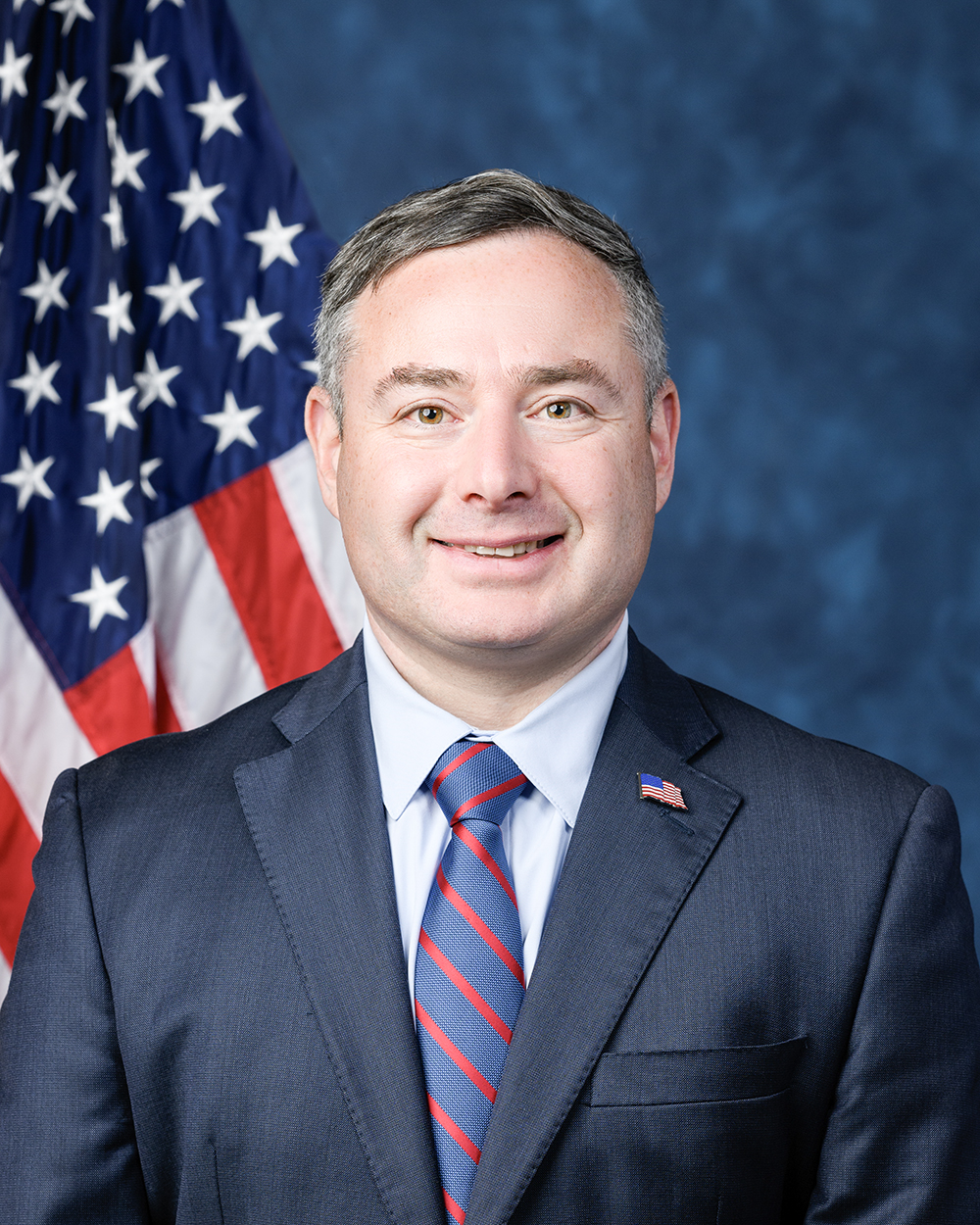
Eugene Simon Vindman
Eugene Simon Vindman House · District 7
D
Strong −
20% 5
Greg Landsman
Greg Landsman House · District 1
D
Strong −
20% 5
Showing 21–30 of 140 bills

All criminal justice bills

in committee · United States · House Mar 24, 2026

HR 8064: Career Criminal Accountability Act of 2026

This bill creates a federal "three-strikes" sentencing system that mandates longer prison terms for repeat offenders based on the severity of their prior convictions. It directly affects defendants convicted of federal crimes by requiring judges to calculate "strikes" from past misdemeanor and felony convictions, with violent felonies and firearm offenses counting as full strikes while lesser offenses count as partial strikes. Under the new rules, offenders with three or more strikes face consecutive sentences of 10 to life years in prison depending on whether their current offense involves violence or firearms, while preventing enhancements from being triggered solely by misdemeanor convictions. The law also limits how juvenile convictions count toward strike totals and excludes strikes from a single continuous criminal episode to prevent harsh penalties for related crimes committed at once.
in committee · United States · House Mar 24, 2026

HR 8059: Unserialized Firearm Harm Oversight and Serialization Act of 2026

This bill requires licensed firearm dealers to add serial numbers to unserialized guns they receive and to those they manufacture using 3D printing or similar non-traditional methods. It defines additive manufacturing as layer-by-layer processes like 3D printing and mandates that dealers engrave or cast serial numbers on frames and receivers, then report this information to the Attorney General. Dealers who fail to comply face civil fines up to $10,000 for first offenses and criminal penalties including up to $100,000 in fines and one year in prison for subsequent violations. The bill also creates a tax credit for dealers who spend money on serialization equipment and limits how the Attorney General can use the collected serial number data to only active criminal investigations. State laws regarding firearm serialization remain unaffected by these federal requirements.
Sub-Topics Corrections Firearms
in committee · United States · Senate Mar 17, 2026

S 4121: Vote Without Fear Act

This bill, known as the Vote Without Fear Act, would make it a federal crime to knowingly possess a firearm inside or within 100 yards of a Federal election site, such as a polling place or ballot counting location. The law applies to anyone who is aware or has reason to believe they are near such a site, with exceptions for law enforcement, security personnel on duty, vehicles where firearms remain inside, and lawful possession on private property. Violations of the basic possession rule could result in fines or up to one year in prison, while possessing a firearm with intent to use it in a crime carries a potential sentence of up to five years. The bill also increases penalties for any homicides or conspiracies involving firearms at these election sites.
in committee · United States · Senate Feb 26, 2026

S 3945: Tribal Police Department Parity Act

This bill, known as the Tribal Police Department Parity Act, would extend existing federal firearms access laws to Tribal law enforcement agencies, ensuring they have the same authority as Federal, State, and local agencies. The legislation amends Title 18 of the United States Code to explicitly include Indian Tribes and their departments in provisions related to machinegun transfers and the transportation, shipment, receipt, possession, and importation of firearms and ammunition. It also modifies the Internal Revenue Code to apply tax exemptions for firearms transfers to Tribal entities on the same basis as State governments. These changes would allow Tribal police departments to legally access and use firearms under the same federal regulations that currently apply to other law enforcement agencies.
Sub-Topics Drug Policy Firearms Law Enforcement Tags Tribal Nations
in committee · United States · Senate Mar 5, 2026

S 4013: National Constitutional Carry Act

This bill, titled the National Constitutional Carry Act, would prohibit states and local governments from imposing criminal or civil penalties on U.S. citizens for carrying firearms in public places. It directly affects state and local laws by declaring any statute, ordinance, or regulation that restricts public firearm carry for eligible citizens unenforceable. The legislation defines "public" to include most open spaces while allowing private property owners to post clear signs prohibiting firearms, and it explicitly includes the District of Columbia, Puerto Rico, and U.S. possessions under its jurisdiction. By amending federal law, the bill would override state restrictions on public carry for individuals who are legally allowed to own firearms under both state and federal rules.
Sub-Topics Firearms
in committee · United States · House Feb 20, 2025

HR 496: Veterans 2nd Amendment Restoration Act of 2025

HR 496, the Veterans 2nd Amendment Restoration Act of 2025, directly affects veterans who were previously flagged for firearm restrictions based on Veterans Affairs (VA) determinations of mental incompetence or fiduciary appointments. The bill requires the VA to notify the Department of Justice within 30 days that its past practice of sharing such veteran information with the national background check system was improper. It also explicitly prohibits treating veterans as "mental defectives" for gun restrictions solely because the VA determined they were mentally incompetent or required a fiduciary under VA regulations. This changes how VA decisions are used in federal firearm background checks, removing an automatic barrier for affected veterans.
in committee · United States · House Mar 17, 2026

HR 7965: Vote Without Fear Act

This bill, titled the Vote Without Fear Act, would make it a federal crime to knowingly possess or bring a firearm within 100 yards of a Federal election site, such as a polling place or ballot counting location. The law applies to anyone who has reason to believe they are at an election site and carries a weapon there, with exceptions for law enforcement, security personnel on duty, firearms in vehicles that are not removed or brandished, and lawful possession on private property or residences. Penalties include fines and up to one year in prison for unauthorized possession, or up to five years if the firearm is intended for use in a crime, with additional severe penalties for any deaths occurring during such violations.
in committee · United States · House Jan 22, 2025

HR 613: ATF Transparency Act

HR 613, the ATF Transparency Act, requires the Bureau of Alcohol, Tobacco, Firearms, and Explosives (ATF) to improve transparency and speed for firearm transfer and manufacturing applications. It mandates that applicants denied a transfer due to background check issues receive their NICS transaction number, can appeal denials through a formal process, and may submit information to prevent future errors - plus, successful appellants get reimbursed for reasonable attorney fees. The bill also sets a strict 90-day deadline for ATF to approve or deny applications; if not decided within that time, the application is automatically approved. This directly affects individuals and businesses seeking to legally transfer or manufacture firearms who face delays or denials under current background check procedures.
Sub-Topics Firearms
in committee · United States · House Jun 26, 2025

HR 4152: Safe Storage Saves Lives Act

HR 4152, the Safe Storage Saves Lives Act, requires gun sellers to offer a compatible gun lock with every firearm sale. It directly affects licensed gun retailers, who must make such locks available at the point of purchase. The bill amends federal law to mandate that sellers provide a secure storage device compatible with the firearm, with violations subject to $1,000 civil penalties. Funds from these penalties must be used for distributing free/reduced-cost locks or public awareness campaigns about safe storage.
Sub-Topics Firearms
in committee · United States · House Sep 30, 2025

HR 5622: National Gun Violence Research Act of 2025

This bill repeals longstanding restrictions on federal funding for gun violence research that have been in place since 1996. It establishes a National Gun Violence Research Program coordinated by the Office of Science and Technology Policy, authorizing $200 million over six years ($200,000 annually from 2026-2031) to fund research across multiple agencies including the National Institutes of Health, Centers for Disease Control, and National Institute of Justice. The bill requires sharing of gun trace data with researchers and creates an interagency working group and advisory committee to guide the research program. This legislation focuses on enabling research into the causes and prevention of gun violence without making changes to gun laws or regulations.
Sub-Topics Firearms
Showing 21 to 30 of 140 bills
Previous 1 2 3 4 14 Next