Issue · Criminal Justice

Criminal Justice (Corrections)

Every criminal justice bill, vote, and legislator stance in United States, automatically classified by Maddy, our AI policy reader.

Total bills
135
119th Congress
Top supporter
Adam B. Schiff
100% support rate
Top opponent
Frank J. Mrvan
0% support rate
Ranked legislators
10
5 support · 5 oppose
Key legislators

Who's moving corrections in United States

Legislators moving corrections in United States
Legislator Party Stance Support rate Votes
Adam B. Schiff
Adam B. Schiff Senate
D
Strong +
100% 3
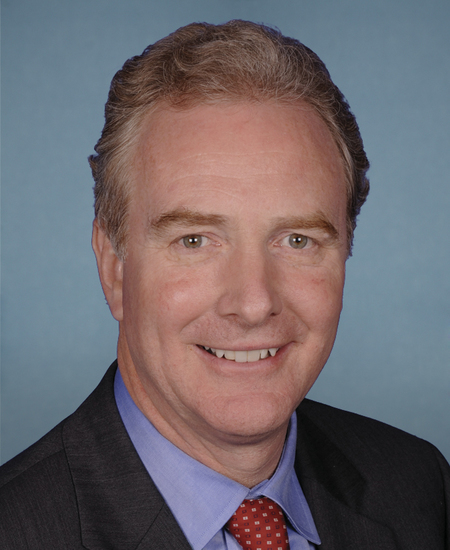
Chris Van Hollen
Chris Van Hollen Senate
D
Strong +
100% 3
Christopher Murphy
Christopher Murphy Senate
D
Strong +
100% 3
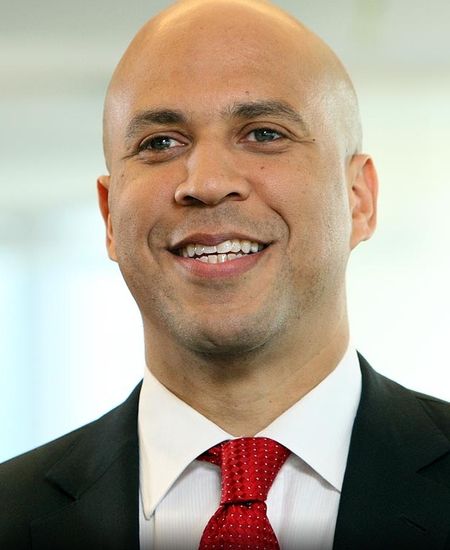
Cory A. Booker
Cory A. Booker Senate
D
Strong +
100% 3
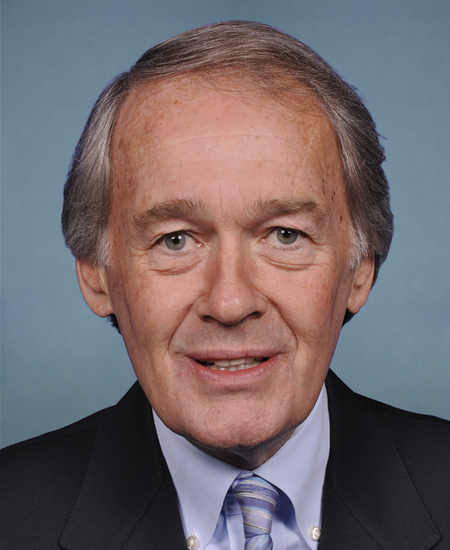
Edward J. Markey
Edward J. Markey Senate
D
Strong +
100% 3
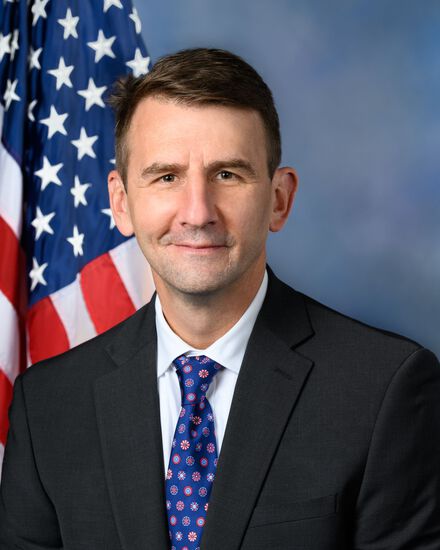
Frank J. Mrvan
Frank J. Mrvan House · District 1
D
Strong −
0% 5
Amy Klobuchar
Amy Klobuchar Senate
D
Strong −
0% 3
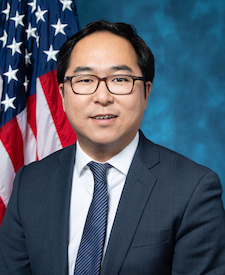
Andy Kim
Andy Kim Senate
D
Strong −
0% 3
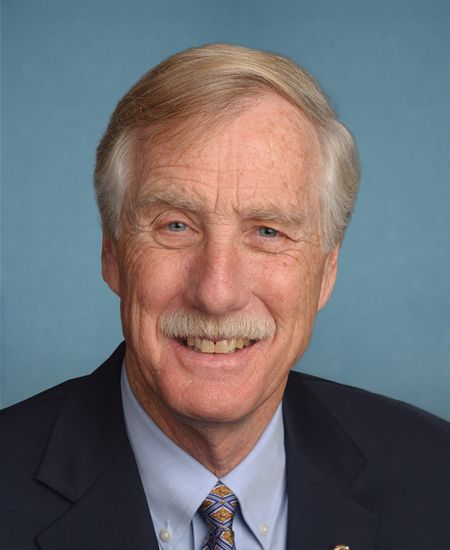
Angus S. King, Jr.
Angus S. King, Jr. Senate
I
Strong −
0% 3
Ashley Moody
Ashley Moody Senate
R
Strong −
0% 3
Showing 21–30 of 135 bills

All criminal justice bills

in committee · United States · House May 20, 2026

HR 8927: Stop the Doxx Act

The Stop the Doxx Act makes it a federal crime to publicly share personal information, such as home addresses or phone numbers, about law enforcement officers, prosecutors, judges, or their immediate family members with the intent to threaten or intimidate them. Under this law, individuals found guilty face prison sentences of up to 10 years for a first offense, with penalties increasing to 20 years for repeat offenses or up to 40 years if the act results in injury or death. The bill also allows victims to sue for damages and requires the Attorney General to create a free, annual training program to help these public servants protect their personal data online.
in committee · United States · Senate Jun 11, 2026

S 4752: A bill to amend the Internal Revenue Code of 1986 to increase criminal and civil penalties for unauthorized disclosure of taxpayer information, and for other purposes.

This bill increases the penalties for unauthorized disclosure of taxpayer information to strengthen protections for individuals whose tax data is compromised. It raises maximum criminal fines for such violations from $5,000 to $250,000 and extends potential prison sentences from five to seven years. The legislation also introduces a new felony charge specifically for IRS contractors who willfully fail to maintain security safeguards, imposing fines of up to $500,000 or 25 percent of their total contract value with the IRS. Additionally, civil damages for unauthorized disclosures are increased from $1,000 to $5,000, and the bill requires the IRS to notify taxpayers promptly when they are criminally charged for leaking their tax return information.
Sub-Topics Corrections
passed · United States · Senate Jul 15, 2026

SRES 772: A resolution expressing the sense of the Senate that under no circumstances should Samuel Bankman-Fried receive executive clemency, including a pardon or commutation, and affirming the Senate's commitment to the rule of law and integrity of the United States financial system.

This Senate resolution expresses the official stance that former FTX co-founder Samuel Bankman-Fried should never receive a presidential pardon, commutation, or any other form of executive clemency. The measure directly addresses Bankman-Fried, who is currently serving a 25-year prison sentence for fraud and money laundering related to the collapse of the cryptocurrency exchange. By formally rejecting the idea of clemency, the bill aims to ensure that the penalties imposed by the courts remain in effect and to signal that large-scale financial crimes carry permanent accountability. Additionally, the resolution affirms the integrity of the federal justice process that convicted Bankman-Fried and reaffirms the Senate's commitment to protecting the integrity of the U.S. financial system.
Sub-Topics Corrections
in committee · United States · House May 29, 2026

HR 9071: Preventing Trafficking of Minors Act of 2026

The Preventing Trafficking of Minors Act of 2026 strengthens federal laws against exploiting individuals under 18 by expanding the definition of prohibited conduct to include engaging in or soliciting commercial sex acts with minors. It removes the legal requirement to prove force, fraud, or coercion when the victim is a minor and establishes that a defendant's lack of knowledge about the victim's age is not a valid defense if they had a reasonable opportunity to observe them. The bill also clarifies that law enforcement officers posing as minors cannot use this as a defense against prosecution and increases the minimum prison sentence to 15 years for offenses involving victims under 14. These changes apply to actions taken 180 days after the law is enacted.
in committee · United States · House Jun 12, 2026

HR 8971: Veterans Visa and Protection Act of 2026

The Veterans Visa and Protection Act of 2026 establishes a program to allow noncitizen veterans who were previously removed from or barred from entering the United States to return and obtain permanent resident status. It requires government officials to reopen and terminate removal cases for eligible veterans, provided they were not deported due to violent crimes or serious offenses involving at least five years in prison. The bill also mandates that noncitizen service members and veterans cannot be removed unless convicted of a crime of violence, while granting them access to military benefits and a streamlined path to naturalization. Additionally, the law directs immigration authorities to identify at-risk veterans, seek supervisory approval before initiating removal proceedings against them, and annotate official records with specific details about their military service.
in committee · United States · Senate May 21, 2026

S 4643: LEO K9 Protection Act

The LEO K9 Protection Act strengthens penalties for harming law enforcement dogs and horses used in official duties, increasing the maximum prison sentence to 15 years. It clarifies that these protections apply to animals assisting federal, state, and local agencies in tasks like crime detection, search and rescue, and military operations, while explicitly exempting individuals acting in good faith to provide emergency veterinary care. Additionally, the bill requires the Department of Transportation to create guidelines and regulations allowing emergency medical personnel to treat injured police dogs at the scene and transport them to veterinary facilities. These measures aim to ensure that injured working dogs receive timely medical attention comparable to that provided to human officers.
in committee · United States · House Apr 28, 2026

HR 8549: Second Look Act of 2026

The Second Look Act of 2026 allows federal courts to reduce prison sentences for individuals who have served at least 10 years in custody for offenses carrying a term of more than 10 years. To qualify, a defendant must demonstrate that they are no longer a danger to the community and are ready to reenter society, with special consideration given to those aged 50 or older who face a legal presumption in their favor for release. The process requires a formal application, a hearing where evidence regarding rehabilitation and age-related decline in criminality is presented, and the appointment of a lawyer for those who cannot afford one. If approved, the court may shorten the prison term while maintaining the original period of supervised release, and the United States Sentencing Commission will publish annual reports on the number of people granted or denied these reductions.
in committee · United States · Senate Apr 16, 2026

S 4320: Prison Libraries Act of 2026

The Prison Libraries Act of 2026 directs the Attorney General to create a grant program for states and territories to improve library services for incarcerated individuals, aiming to support reintegration and reduce recidivism. To receive funding, applicants must submit a detailed plan that includes proof of an existing or planned physical library and data demonstrating a need for the services. The grants can be used for a wide range of activities such as hiring qualified librarians, providing digital and financial literacy training, offering art and cultural programs, and establishing partnerships with local public libraries. The legislation explicitly prohibits using the funds for general prison operations, staff salaries unrelated to libraries, or basic needs like food and healthcare. Additionally, the act authorizes $10 million annually from 2026 to 2031 and requires that no fees be charged to inmates for accessing books, computers, or educational materials.
Sub-Topics Corrections
in committee · United States · House Apr 23, 2026

HR 8480: Protect our Pets Act

The Protect our Pets Act strengthens federal laws against animal cruelty by increasing penalties for animal crushing and prohibiting the abandonment or endangerment of domesticated animals on federal land. Under this bill, individuals convicted of these offenses face up to 10 years in prison for a first offense and up to 15 years for subsequent offenses, in addition to fines. The legislation defines domesticated animals to include mammals, birds, reptiles, and amphibians but includes specific exceptions for veterinary care, hunting, farming, and euthanasia. These changes directly affect people who commit these acts on federal property or in interstate commerce, aiming to provide clearer legal consequences for harming or neglecting animals.
Sub-Topics Corrections
in committee · United States · House Mar 19, 2026

HR 8002: Fair Wages for Incarcerated Workers Act of 2026

This bill expands federal labor protections to incarcerated workers by explicitly including them under the Fair Labor Standards Act, regardless of whether they work in publicly or privately operated correctional facilities. It defines these workers as individuals performing labor within prison programs, work release initiatives, or facility operations, and clarifies that they are employed by either the public agency or the private contractor running the facility. A key provision allows employers to deduct the cost of board, lodging, and certain court-imposed fees from an incarcerated worker's wages without counting these deductions against minimum wage requirements. The legislation also specifies which fees qualify for deduction, such as court surcharges and filing costs, while explicitly excluding payments for child support, victim compensation, civil judgments, and criminal fines.
Showing 21 to 30 of 135 bills
Previous 1 2 3 4 14 Next