Issue · Criminal Justice

Criminal Justice (Sentencing)

Every criminal justice bill, vote, and legislator stance in United States, automatically classified by Maddy, our AI policy reader.

Total bills
63
119th Congress
Top supporter
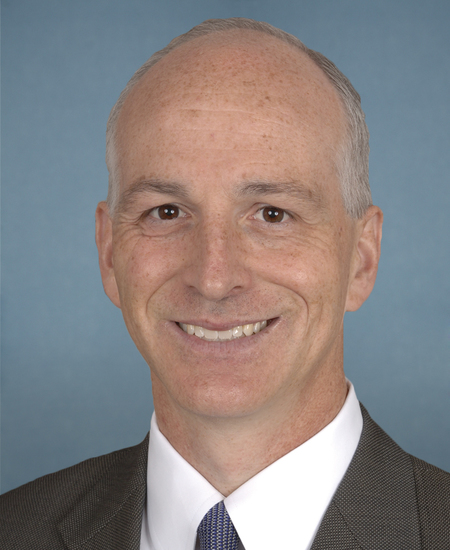
Adam Smith
100% support rate
Top opponent
Aaron Bean
0% support rate
Ranked legislators
10
5 support · 5 oppose
Key legislators

Who's moving sentencing in United States

Legislators moving sentencing in United States
Legislator Party Stance Support rate Decisive votes
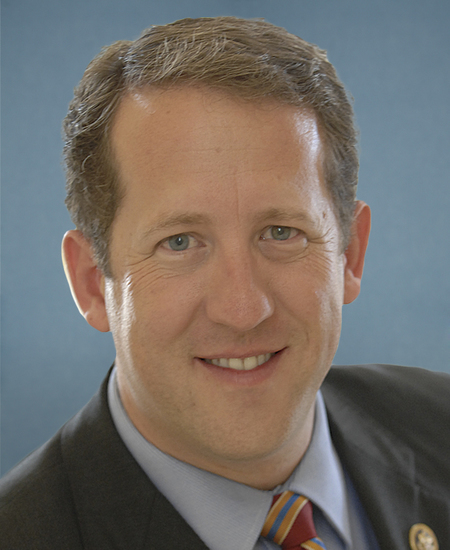
Adam Smith
Adam Smith House · District 9
D
Strong +
100% 3
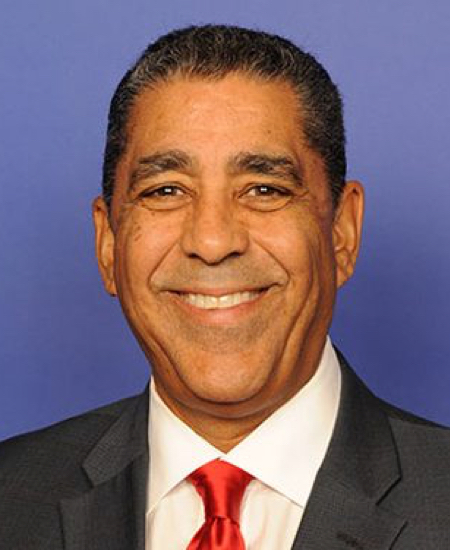
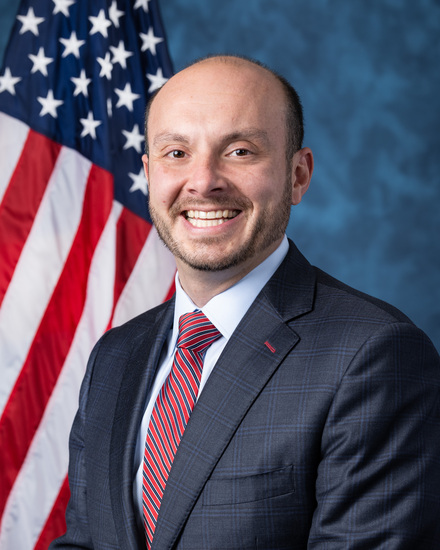
Adriano Espaillat
Adriano Espaillat House · District 13
D
Strong +
100% 3
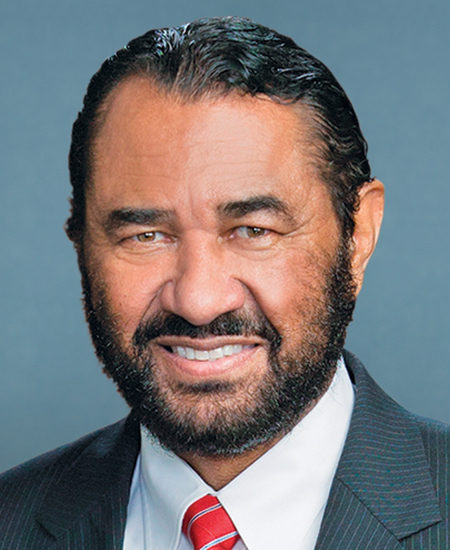
Al Green
Al Green House · District 9
D
Strong +
100% 3
Alexandria Ocasio-Cortez
Alexandria Ocasio-Cortez House · District 14
D
Strong +
100% 3
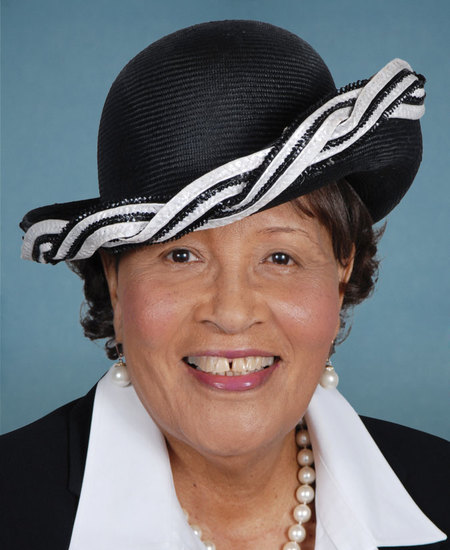
Alma S. Adams
Alma S. Adams House · District 12
D
Strong +
100% 3
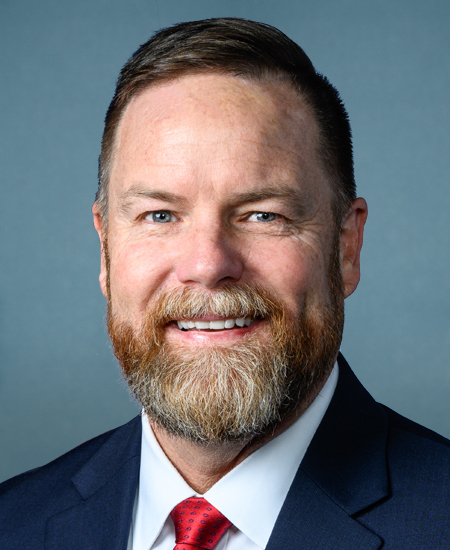
Aaron Bean
Aaron Bean House · District 4
R
Strong −
0% 3
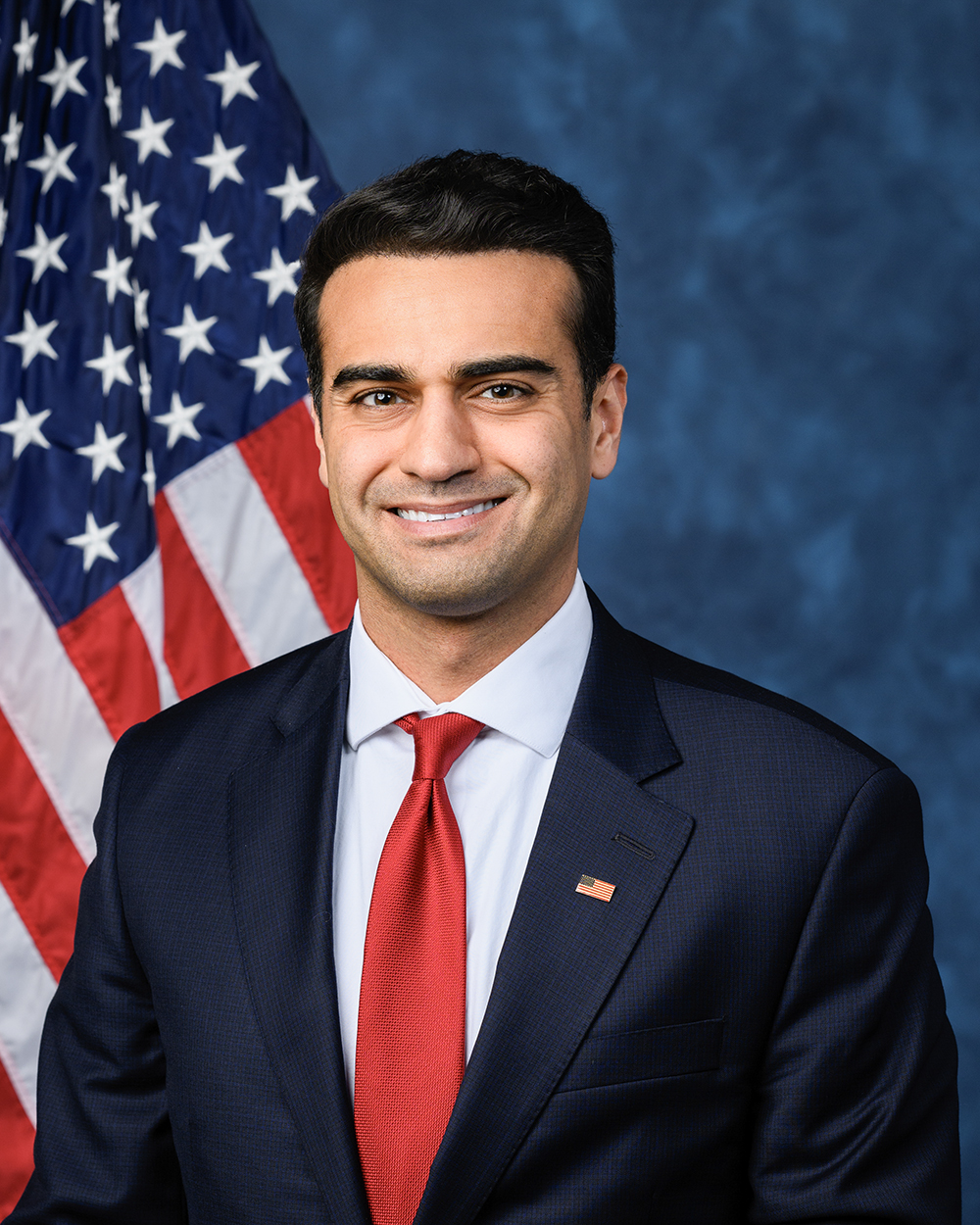
Abraham J. Hamadeh
Abraham J. Hamadeh House · District 8
R
Strong −
0% 3
Adrian Smith
Adrian Smith House · District 3
R
Strong −
0% 3
Andrew Ogles
Andrew Ogles House · District 5
R
Strong −
0% 3
Andrew R. Garbarino
Andrew R. Garbarino House · District 2
R
Strong −
0% 3
Showing 21–30 of 63 bills

All criminal justice bills

in committee · United States · House Feb 25, 2026

HR 7702: Death Penalty for Child Rapists Act

This bill amends federal criminal law to authorize the death penalty for specific sexual abuse offenses against children. It modifies three key provisions (18 U.S.C. §§2241, 2243, and 2244) that currently define aggravated sexual abuse, sexual abuse of a minor, and abusive sexual contact involving children, replacing existing prison terms with the option of "death or imprisonment for any term of years or for life." The change applies to both civilian cases under federal law and military cases under the Uniform Code of Military Justice (10 U.S.C. §920b). The bill directly affects individuals convicted of these specific child sexual abuse crimes, making the death penalty a possible sentencing option.
Sub-Topics Corrections Sentencing
passed · United States · House Mar 2, 2026

HR 6719: James T. Woods Act

James T. Woods Act This bill expands the federal framework for combating the online exploitation of children. Among its provisions, the bill establishes new criminal offenses, expands reporting requirements, and facilitates the prosecution and sentencing of offenders.   TITLE I—SAFE ACT Sentencing Accountability For Exploitation Act or the SAFE Act This title directs the U.S. Sentencing Commission to review and amend its guidelines and policy statements applicable to federal criminal offenses involving the production, receipt, transport, shipment, or distribution of child sexual abuse material to (1) account for the actual and potential harm from the offense and changes since the last amendments with respect to the typical offense behavior and modern technologies, and (2) better reflect the spectrum of offender culpability. TITLE II—ENDING COERCION OF CHILDREN AND HARM ONLINE Ending Coercion of Children and Harm Online Act or the ECCHO Act This title establishes a federal framework to combat the online coercion of minors to commit harm. The title creates new criminal offenses, expands reporting of instances involving the online coercion of minors, facilitates the prosecution of offenders, and expands protections for minors who testify in court.   TITLE III—STOP SEXTORTION Stop Sextortion Act This title criminalizes threats to distribute child sexual abuse material to intimidate, coerce, extort, or cause substantial emotional distress. This practice is commonly referred to as sextortion . The title also increases criminal penalties for related offenses that involve the use of child sexual abuse material to intimidate, coerce, extort, or cause substantial emotional distress.
in committee · United States · House Jan 31, 2025

HR 830: SAFE Act

The SAFE Act creates a new category of "fentanyl-related substances" that would automatically be controlled under Schedule I of the Controlled Substances Act based on specific chemical modifications to fentanyl. This affects anyone involved in the production, distribution, or use of substances meeting this broad definition. The bill establishes a process for removing or rescheduling these substances if they're determined to have less potential for abuse than Schedule I substances, and allows courts to review past convictions involving substances that have since been removed from this category. It also creates new research procedures for Schedule I substances and requires a GAO report analyzing the law's implementation and impact within four years.
Sub-Topics Drug Policy Sentencing
in committee · United States · House Nov 18, 2025

HR 6104: Dark Web Interdiction Act of 2025

HR 6104, the Dark Web Interdiction Act of 2025, creates a new federal offense for knowingly distributing controlled substances via the dark web and establishes the Joint Criminal Opioid and Darknet Enforcement Task Force. The bill mandates a 2-level sentencing increase for such violations and directs the new task force - comprising agencies like the FBI, DEA, and Customs - to disrupt dark web drug marketplaces through coordinated investigations, forensic training, and international collaboration. It requires annual reports on the task force’s activities and a separate report on virtual currency use in drug trafficking. The law applies directly to law enforcement agencies and targets individuals operating or using dark web marketplaces for illicit drug sales, with a 5-year sunset provision.
in committee · United States · Senate Jan 8, 2025

S 34: Justice for 9/11 Act

S 34, the Justice for 9/11 Act, directly affects Khalid Shaikh Mohammad, Walid Muhammad Salih Mubarak Bin ‘Attash, and Mustafa Ahmed Adam al Hawsawi - three individuals detained at Guantanamo Bay for their alleged roles in the 9/11 attacks. The bill mandates that their plea agreements and judgments cannot block military trials under Chapter 47A of Title 10 for the 9/11 attacks, makes the death penalty available in such trials, and requires them to remain in solitary confinement at Guantanamo Bay under strict conditions. Specifically, it prohibits contact with foreign nationals, restricts psychological treatment to only what medical authorities at Guantanamo authorize, and bans their transfer to the continental U.S. or any other country. The law overrides prior legal barriers to ensure these individuals face trial under military law with these specific confinement and sentencing provisions.
Sub-Topics Corrections Sentencing
in committee · United States · House Apr 8, 2025

HR 2726: Paula Bohovesky and Joan D’Alessandro Act

HR 2726, the Paula Bohovesky and Joan D’Alessandro Act, amends federal sentencing law to increase mandatory minimum prison time for certain sex crimes against children. It directly affects individuals convicted of sexual offenses where the victim was under 18 years old. The key provision adds a requirement that if the victim is a minor and the crime was a sexual offense, the mandatory minimum sentence becomes 14 years (previously applicable only to other cases). This change applies to federal prosecutions under Title 18, U.S. Code, Section 3559.
passed · United States · House Sep 17, 2025

HR 4922: D. C. Criminal Reforms to Immediately Make Everyone Safe Act of 2025

HR 4922, the DC Criminal Reforms to Immediately Make Everyone Safe Act of 2025 (DC CRIMES Act), modifies youth offender definitions and creates public transparency measures. It limits "youth offender" status to individuals 18 or younger (previously 24), removing provisions for 18-24 year olds in sentencing and facility planning. The bill requires the DC Attorney General to establish a public website publishing monthly juvenile crime statistics, including arrest data by age, race, sex, crime type, recidivism rates, and sentencing outcomes - without personally identifiable information. It also prohibits the DC Council from changing existing criminal sentencing laws. These provisions directly affect youth offenders aged 15-18 and DC government operations related to juvenile justice data.
in committee · United States · House Jul 23, 2025

HR 4697: Justice for American Victims of Illegal Aliens Act

HR 4697 would amend federal death penalty sentencing guidelines to add a new factor: if a defendant is an undocumented immigrant convicted of killing or attempting to kill a U.S. citizen. This directly affects non-citizens who entered the U.S. unlawfully and were convicted of murder or attempted murder against U.S. citizens. The key provision requires federal judges to consider the defendant's immigration status as an aggravating factor during sentencing hearings. The bill changes sentencing considerations for specific capital cases but does not alter the legal definitions of the underlying crimes.
Sub-Topics Sentencing Enforcement
in committee · United States · House Mar 3, 2025

HR 1773: Federal Firearms Licensee Protection Act of 2025

Federal Firearms Licensee Protection Act of 2025 This bill modifies criminal penalties for an offense involving the theft of a firearm from a licensed importer, manufacturer, or dealer, or from their business premises. Specifically, the bill does the following: increases from 10 to 20 years the maximum prison term, and creates a 3- or 5-year mandatory minimum prison term for an offense that occurs during the commission of a burglary or robbery. An attempt to commit an offense is subject to the same penalties as a substantive offense.
in committee · United States · Senate May 14, 2025

S 1771: Larry Henderson Act

This bill amends federal law to mandate a minimum 20-year prison sentence for anyone who assaults, resists, or impedes a U.S. federal officer or employee while they are performing official duties, causing any bodily harm. It directly affects individuals convicted of such assaults on federal personnel, replacing previous sentencing options with this fixed minimum term. Key provisions include making federal law exclusively applicable to these offenses and overriding any conflicting state laws that might govern similar acts. The bill applies to offenses occurring after its enactment date.
Sub-Topics Corrections Sentencing
Showing 21 to 30 of 63 bills
Previous 1 … 2 3 4 … 7 Next