Issue · Criminal Justice

Criminal Justice (Firearms)

Every criminal justice bill, vote, and legislator stance in United States, automatically classified by Maddy, our AI policy reader.

Total bills
28
119th Congress
Top supporter
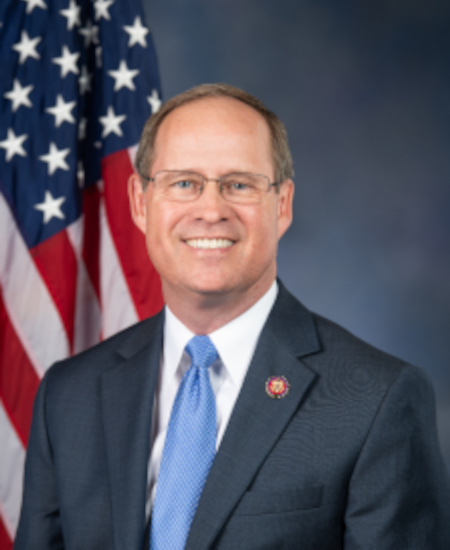
Gregory F. Murphy
75% support rate
Top opponent
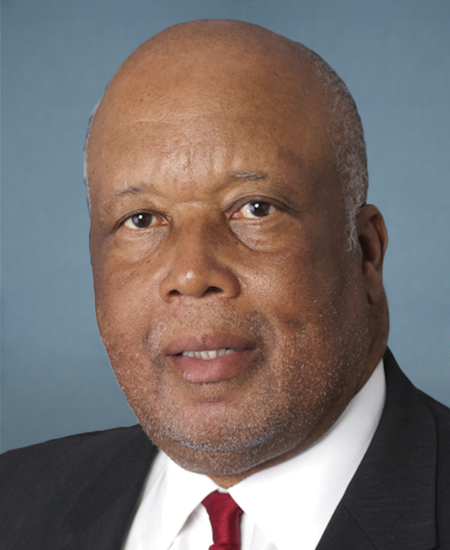
Bennie G. Thompson
20% support rate
Ranked legislators
10
5 support · 5 oppose
Key legislators

Who's moving firearms in United States

Legislators moving firearms in United States
Legislator Party Stance Support rate Decisive votes
Gregory F. Murphy
Gregory F. Murphy House · District 3
R
Support
75% 4
Mike Johnson
Mike Johnson House · District 4
R
Support
75% 4
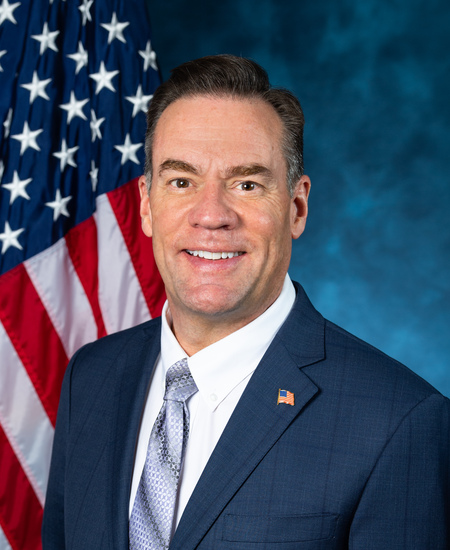
Russ Fulcher
Russ Fulcher House · District 1
R
Support
75% 4
Wesley Hunt
Wesley Hunt House · District 38
R
Support
75% 4
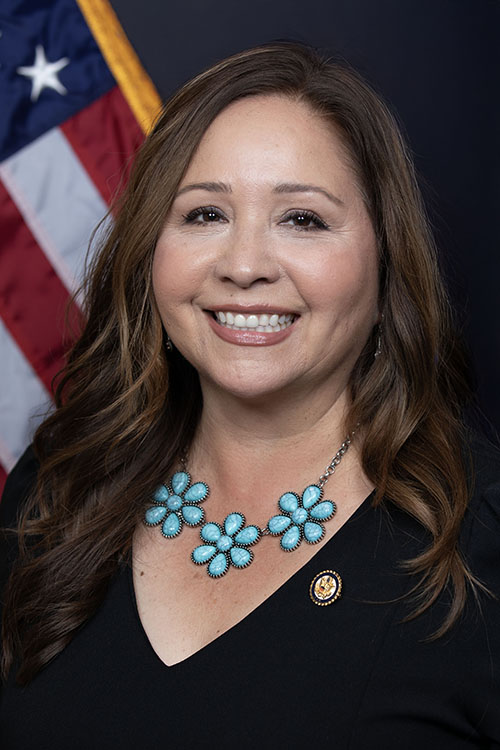
Adelita S. Grijalva
Adelita S. Grijalva House · District 7
D
Support
67% 3
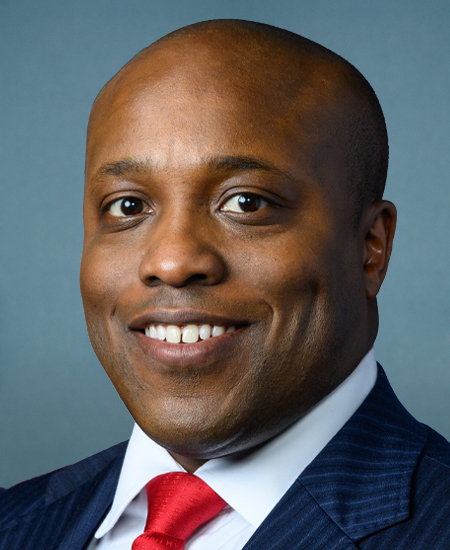
Bennie G. Thompson
Bennie G. Thompson House · District 2
D
Strong −
20% 5
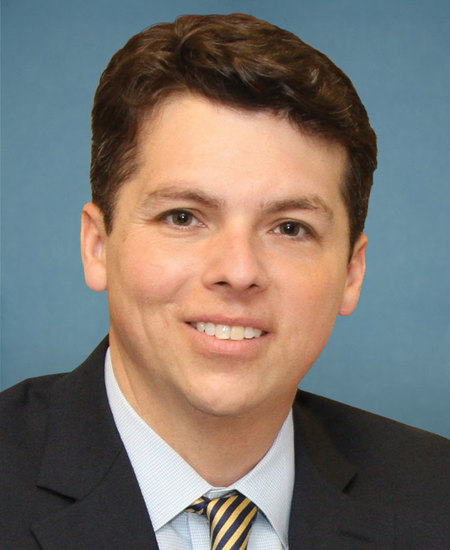
Brendan F. Boyle
Brendan F. Boyle House · District 2
D
Strong −
20% 5
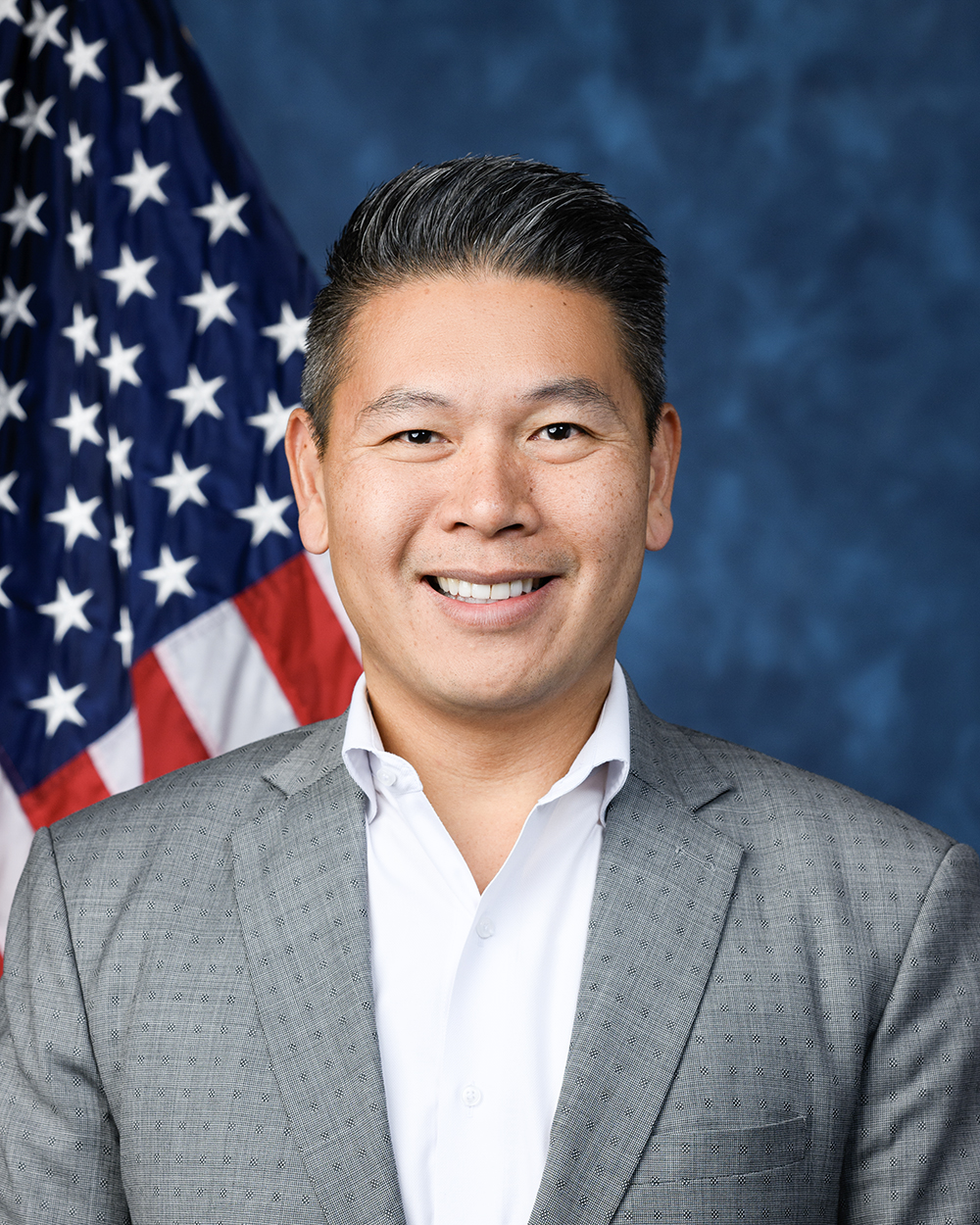
Derek Tran
Derek Tran House · District 45
D
Strong −
20% 5
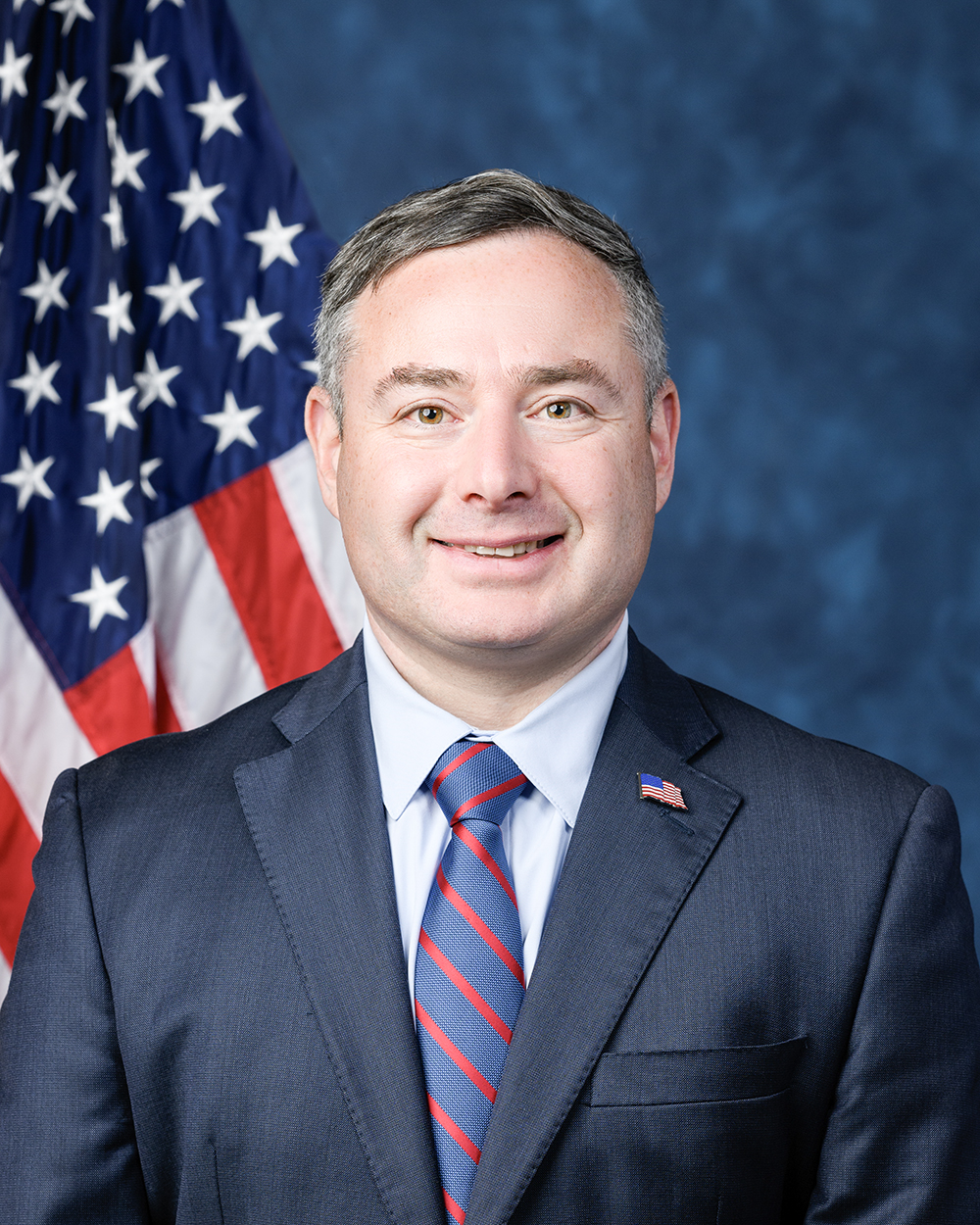
Eugene Simon Vindman
Eugene Simon Vindman House · District 7
D
Strong −
20% 5
Greg Landsman
Greg Landsman House · District 1
D
Strong −
20% 5
Showing 21–28 of 28 bills

All criminal justice bills

in committee · United States · House Feb 27, 2025

HR 1698: Law Enforcement Protection and Privacy Act of 2025

This bill protects firearm trace data maintained by the ATF's National Trace Center and related licensee information from public disclosure under FOIA. It directly affects licensed firearms dealers, state/local governments, and other entities that handle this data. Key provisions include adding a new FOIA exemption for this data, imposing fines of $10,000-$25,000 for unauthorized disclosures, and allowing licensed dealers to sue for triple damages or $25,000 per disclosure. The law also prevents sovereign immunity from blocking such lawsuits and specifies that fines apply per individual disclosure.
in committee · United States · Senate Jan 9, 2025

S 50: Transnational Criminal Organization Illicit Spotter Prevention and Elimination Act

This bill, S 50 (Transnational Criminal Organization Illicit Spotter Prevention and Elimination Act), creates new federal crimes targeting actions that hinder border security. It makes it illegal to knowingly share law enforcement location data (like border patrol movements) to aid immigration, customs, or border control crimes, and to destroy or damage border infrastructure like fences or sensors. The bill also expands firearm penalties for individuals using guns during alien smuggling crimes, specifically linking these enhancements to violations of immigration laws. Violations carry fines, up to 10 years in prison (or 20 years if a firearm is involved), and apply to individuals directly involved in obstructing border enforcement.
in committee · United States · House Jan 9, 2025

HR 263: Transnational Criminal Organization Illicit Spotter Prevention and Elimination Act

HR 263, the Transnational Criminal Organization Illicit Spotter Prevention and Elimination Act, creates new federal criminal penalties for actions aiding criminal groups evading border controls. It makes it a crime to knowingly transmit law enforcement locations or movements to help with immigration, customs, or border-related crimes, punishable by fines or up to 10 years in prison. The bill also criminalizes damaging or tampering with border infrastructure like fences or sensors, with penalties increasing to 20 years if a firearm is involved. These provisions directly affect individuals assisting transnational criminal organizations in circumventing U.S. border security measures. The law aims to strengthen enforcement against those who undermine border control systems.
in committee · United States · House Jul 10, 2025

HR 4310: Back the Blue Act of 2025

The Back the Blue Act of 2025 strengthens federal protections for law enforcement officers by creating new criminal offenses for killing or assaulting them while on duty. It increases penalties for such crimes, including life imprisonment or the death penalty for murder, and establishes a new federal offense for fleeing to avoid prosecution for killing law enforcement. The bill also adds specific aggravating factors for the federal death penalty when officers are killed, limits federal habeas corpus relief for certain cases involving officer killings, and expands law enforcement officers' rights to carry firearms in certain facilities. This legislation directly affects federal, state, and local law enforcement officers, public safety personnel, and judicial officers.
in committee · United States · Senate Jul 10, 2025

S 2250: Restoring the Armed Career Criminal Act

This bill amends the Armed Career Criminal Act (ACCA) to reinstate stricter sentencing requirements for individuals with prior serious felony convictions. It mandates a minimum 15-year prison sentence (with no probation or suspended sentence) for anyone convicted under Section 922(g) who has three or more prior serious felony convictions, where each conviction was for an offense punishable by at least 10 years in prison under the statute. The bill defines "serious felony conviction" to include any offense with a statutory maximum sentence of 10+ years (regardless of actual sentencing guidelines) or consolidated convictions totaling 10+ years in a single proceeding. This applies only to offenses committed after the bill's enactment and affects individuals with three prior qualifying felony convictions who possess firearms.
in committee · United States · House Jul 10, 2025

HR 4334: Restoring the Armed Career Criminal Act

HR 4334, "Restoring the Armed Career Criminal Act," amends federal sentencing rules for gun crimes. It requires a mandatory minimum 15-year prison sentence (with no probation or suspended sentence) for individuals convicted of violating gun laws who have three or more prior serious felony convictions. A "serious felony conviction" is defined as a prior offense punishable by at least 10 years in prison, including consolidated convictions totaling 10+ years. The bill applies to offenses committed after its enactment and does not create a right to challenge existing sentences under the new rules. It directly affects gun offenders with multiple prior violent or serious felony convictions.
in committee · United States · House Feb 25, 2025

HR 1551: Protect and Serve Act of 2025

HR 1551, the Protect and Serve Act of 2025, creates a new federal criminal offense for intentionally harming law enforcement officers under specific circumstances. It imposes harsher penalties, including up to 10 years in prison for serious injury or life imprisonment if death occurs, kidnapping is involved, or a firearm is used. The law applies when the crime crosses state lines, involves interstate weapons, occurs on federal property, or targets federal officers. Prosecutions require the Attorney General’s written certification, considering factors like prior state convictions and public safety impact. The bill directly affects law enforcement officers and federal prosecutors by expanding federal jurisdiction for certain violent crimes against them.
in committee · United States · House Nov 24, 2025

HR 6263: No Free Pass for Felons Act of 2025

This bill ties federal crime prevention grants to state and local policies on pretrial release for violent offenders. Jurisdictions seeking funding under programs like Bryne grants or transit security grants must certify they require dangerousness hearings before releasing defendants charged with "covered violent offenses" (like assault or robbery) without secured bail. They must also collect and publish annual data on such releases, rearrests, and failures to appear. Noncompliance would reduce grant funding by up to 15%.
Showing 21 to 28 of 28 bills