Issue · Criminal Justice

Criminal Justice

Every criminal justice bill, vote, and legislator stance in United States, automatically classified by Maddy, our AI policy reader.

Total bills
299
119th Congress
Top supporter
Alan Armstrong
86% support rate
Top opponent
Amy Klobuchar
13% support rate
Ranked legislators
10
5 support · 5 oppose
Key legislators

Who's moving criminal justice in United States

Legislators moving criminal justice in United States
Legislator Party Stance Support rate Votes
AA
Alan Armstrong Senate
R
Strong +
86% 44
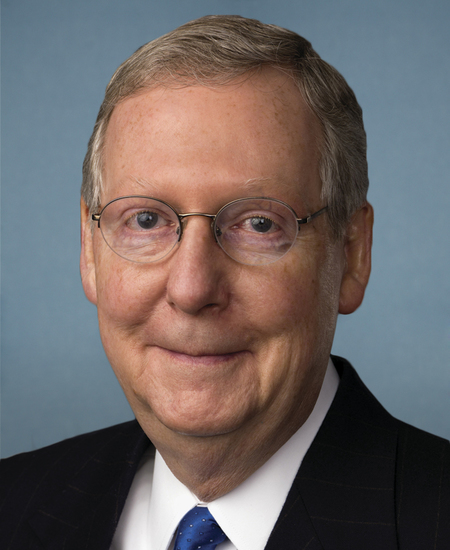
Mitch McConnell
Mitch McConnell Senate
R
Strong +
84% 160
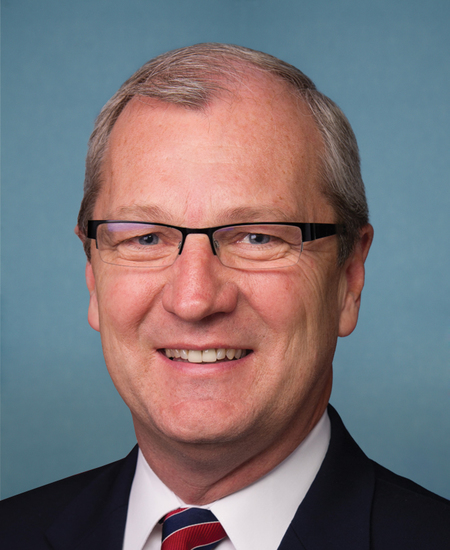
Kevin Cramer
Kevin Cramer Senate
R
Strong +
80% 169
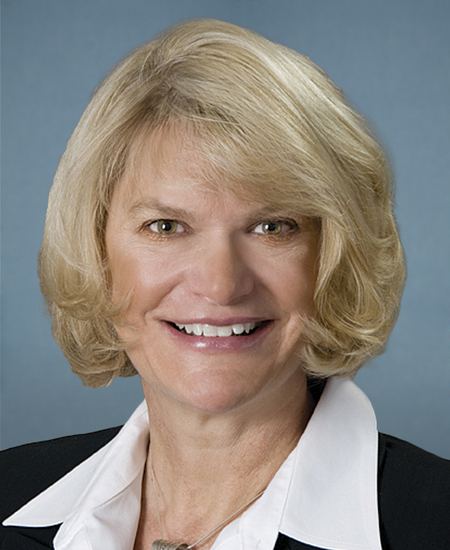
Cynthia M. Lummis
Cynthia M. Lummis Senate
R
Strong +
80% 167
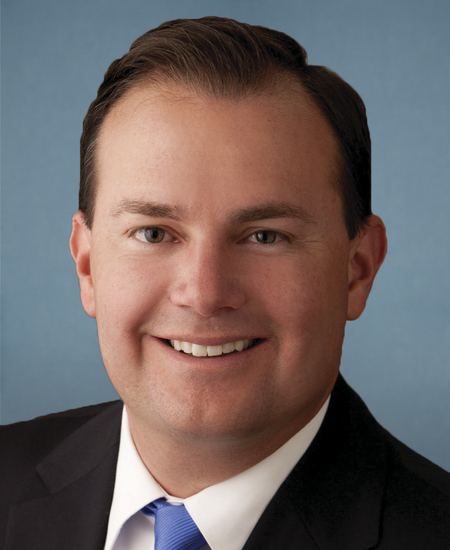
Mike Lee
Mike Lee Senate
R
Support
77% 170
Amy Klobuchar
Amy Klobuchar Senate
D
Strong −
13% 169
Margaret Wood Hassan
Margaret Wood Hassan Senate
D
Strong −
13% 169
Catherine Cortez Masto
Catherine Cortez Masto Senate
D
Strong −
13% 162
Brian Schatz
Brian Schatz Senate
D
Strong −
16% 171
Andy Kim
Andy Kim Senate
D
Strong −
16% 171
Showing 21–30 of 299 bills

All criminal justice bills

in committee · United States · House Jul 23, 2026

HR 9904: Deputy Darren Almendarez Act

This bill, known as the Deputy Darren Almendarez Act, adds a new federal crime for knowingly possessing or purchasing catalytic converters removed from vehicles with the intent to sell or distribute them. It directly affects individuals involved in the removal and resale of these parts, as well as businesses like scrap yards and repair shops, by establishing penalties of up to five years in prison and fines of $100,000 for first offenses. The law includes specific exceptions that allow for legal possession or purchase if the converter was removed by a vehicle owner, acquired during official duties by authorized entities, or bought from licensed businesses that follow state and local identification rules. For repeat offenders, the potential prison sentence increases to ten years and the fine limit rises to $200,000.
in committee · United States · House Jul 23, 2026

HR 9937: No Leniency for Fentanyl Dealers Act

This bill, known as the No Leniency for Fentanyl Dealers Act, aims to increase penalties for trafficking fentanyl and other synthetic opioids while enhancing detection efforts by the U.S. Postal Service. It lowers the quantity thresholds required for federal felony charges and mandates that sentencing guidelines be updated to reflect these stricter penalties. Additionally, the legislation directs the Postmaster General to purchase more chemical screening devices and hire scientists to identify illegal drugs in mail shipments, authorizing $9 million in funding to support these interdiction activities.
Sub-Topics Drug Policy Sentencing
in committee · United States · House Jul 16, 2026

HR 9731: No GRIFT Act of 2026

The No GRIFT Act of 2026 prohibits the Department of Justice from awarding grants to certain nonprofit organizations in a given fiscal year. To qualify for a grant, a nonprofit must certify that it is not a "covered nonprofit," which is defined as an organization where over 50% of its recent revenue came from DOJ grants and where it paid an officer or employee more than the Attorney General's annual salary. This provision directly affects 501(c)(3) organizations that have received significant federal funding and have high executive compensation, requiring them to disclose their financial history before applying for new grants.
in committee · United States · House Jul 20, 2026

HR 9793: Weaponization Offender Claims Ban Act of 2026

The Weaponization Offender Claims Ban Act of 2026 restricts the ability of certain individuals to file civil lawsuits under the Federal Tort Claims Act. Specifically, it bars private citizens from bringing these claims if they have been convicted of crimes such as assaulting federal law enforcement officers, interfering with federal elections, obstructing government processes, or committing felonies involving theft or misuse of federal funds. This provision applies regardless of whether the convicted person has received a pardon or had their sentence commuted. The bill directly affects individuals with these specific criminal convictions who might otherwise seek legal redress against the federal government.
Sub-Topics Law Enforcement
in committee · United States · House Jul 20, 2026

HR 9775: Concealed Crime Prevention Act

The Concealed Crime Prevention Act amends Washington, D.C. law to impose stricter prison sentences for individuals who wear ski masks or similar head coverings that conceal their identity while committing a crime. This provision specifically targets balaclavas and comparable gear while explicitly excluding religious headwear from the definition. Under the new rules, anyone found guilty of a misdemeanor while wearing such a mask faces a mandatory minimum of six months in prison, and those convicted of a felony face a mandatory minimum of two years. These additional sentences must be served consecutively to any other prison time given for the underlying offense and apply to crimes committed on or after the bill's enactment date.
Sub-Topics Corrections Sentencing
in committee · United States · House Jul 21, 2026

HR 9773: Permanent Trump Secure Border Act

This bill, known as the Permanent Trump Secure Border Act, introduces significant changes to U.S. immigration law affecting asylum seekers, border security, and family detention policies. It tightens asylum eligibility by establishing a "safe third country" rule that bars individuals who transited through other nations without seeking protection there, while simultaneously expanding the list of criminal convictions that disqualify applicants from asylum. The legislation also restricts employment authorization for asylum seekers, limits the use of parole for humanitarian reasons, and mandates the return of land border arrivals to contiguous foreign territories when detention capacity is unavailable. Additionally, the bill clarifies standards for family detention, expands penalties for visa overstays, and modifies protections for unaccompanied children by requiring faster hearings and limiting special immigrant status for those unable to reunite with parents.
in committee · United States · House Jul 15, 2026

HR 9716: PRIVACY Act

The PRIVACY Act restricts Federal law enforcement agencies from accessing surveillance data collected by State or local agencies without a warrant issued by a Federal judge. It establishes a "Jurisdictional Wall List" maintained by the Attorney General that includes technologies like automated license plate readers and long-range microphones, prohibiting the use of Federal funds to purchase these specific devices. While the bill allows for limited exceptions in emergencies or with consent, it mandates strict rules on data retention, requiring agencies to delete most collected information within 30 days unless it becomes evidence in an active prosecution. Additionally, the legislation bans the use of this data to monitor individuals exercising First Amendment rights and requires regular reporting to Congress on how these surveillance tools are utilized.
Sub-Topics Judges Law Enforcement
in committee · United States · House Jul 13, 2026

HR 9656: Illegal Alien Patient Reporting Act

This bill requires hospitals that receive federal health care funding to ask patients about their immigration status during admission and report the results to government agencies. Under the law, hospitals must include a specific statement on intake forms assuring patients that their answers will not affect their medical care or lead to a law enforcement report unless the patient is suspected of certain crimes. Hospitals must also submit quarterly reports detailing how many patients are citizens, lawful residents, or undocumented, along with the number of individuals who refused to answer or failed to provide proof of their legal status. The legislation prohibits hospitals from sharing personal identifying information with the government while allowing them to exclude non-compliant facilities from federal programs. Additionally, the bill mandates an annual report to Congress analyzing the costs of uncompensated care for undocumented patients and its impact on hospital services.
in committee · United States · House Jul 2, 2026

HR 9575: Hold Vandals Accountable Act of 2026

The Hold Vandals Accountable Act of 2026 directly affects individuals who damage government property or violate contracts with the federal government. The bill amends existing federal law to lower the monetary threshold for criminal penalties from $1,000 to $500. This change means that acts of vandalism or contract violations involving less damage than previously required can now result in criminal charges. By reducing the financial limit, the legislation expands the scope of cases that can be prosecuted under current statutes.
in committee · United States · House Jun 25, 2026

HR 9479: Remigration Act

The Remigration Act introduces several strict measures to revoke U.S. citizenship and immigration status under specific conditions. It allows for the loss of naturalized citizenship if a person is convicted of government fraud, joins a terrorist organization, or commits certain serious crimes within ten years of becoming a citizen. Additionally, the bill defines citizenship for children born in the U.S. based on their parents' legal status, creates a task force to review asylum and refugee grants made between 2021 and 2025, and mandates the revocation of status for individuals from designated countries or those who received public benefits recently. The legislation also raises the English language requirement for naturalization, allows for deportation based on anti-American beliefs, and requires denaturalized individuals to repatriate with their children.
Showing 21 to 30 of 299 bills
Previous 1 2 3 4 30 Next