Issue · Criminal Justice

Criminal Justice (Law Enforcement)

Every criminal justice bill, vote, and legislator stance in United States, automatically classified by Maddy, our AI policy reader.

Total bills
380
119th Congress
Top supporter
James Gallagher
100% support rate
Top opponent
Aisha Wahab
0% support rate
Ranked legislators
10
5 support · 5 oppose
Key legislators

Who's moving law enforcement in United States

Legislators moving law enforcement in United States
Legislator Party Stance Support rate Decisive votes
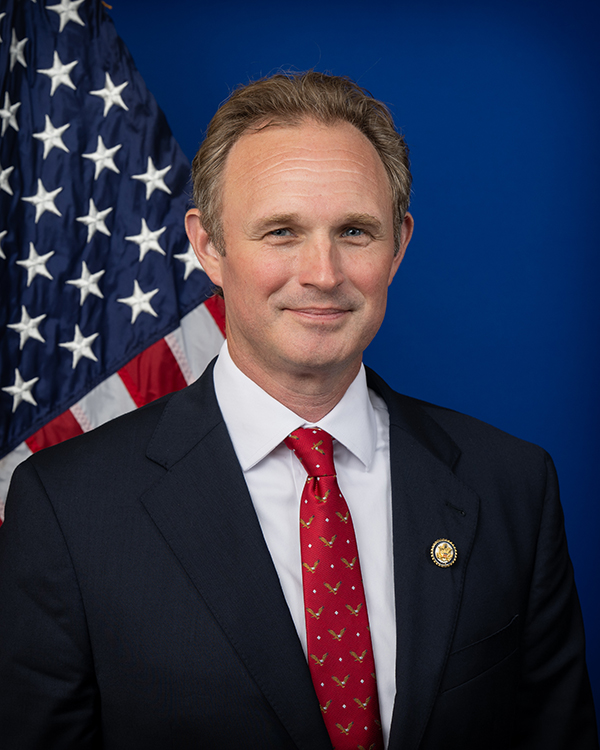
James Gallagher
James Gallagher House · District 1
R
Strong +
100% 3
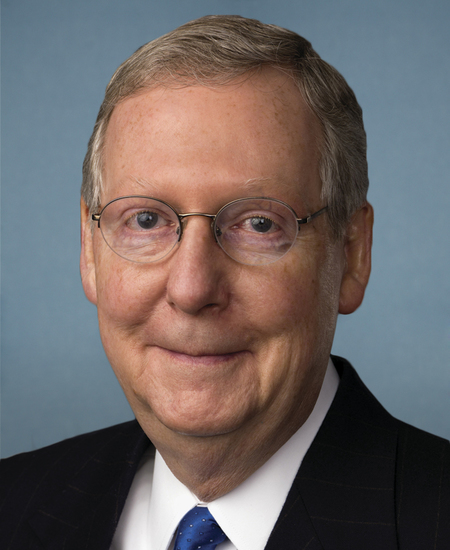
Mitch McConnell
Mitch McConnell Senate
R
Strong +
93% 28
AA
Alan Armstrong Senate
R
Strong +
86% 28
Bernie Moreno
Bernie Moreno Senate
R
Strong +
86% 28
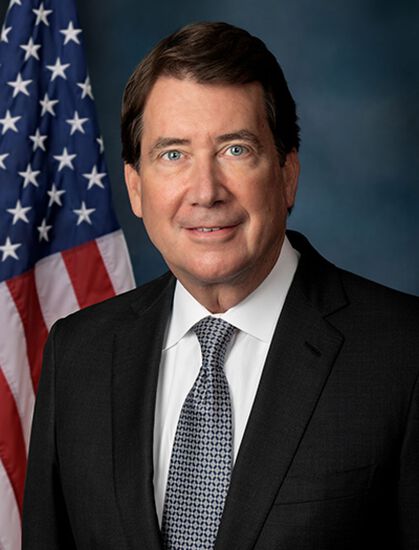
Bill Hagerty
Bill Hagerty Senate
R
Strong +
86% 28
Aisha Wahab
Aisha Wahab House · District 14
D
Strong −
0% 3
Everton Blair Jr.
Everton Blair Jr. House · District 13
D
Strong −
0% 3
Dave Min
Dave Min House · District 47
D
Strong −
13% 15
Marcy Kaptur
Marcy Kaptur House · District 9
D
Strong −
13% 15
Amy Klobuchar
Amy Klobuchar Senate
D
Strong −
14% 28
Showing 281–290 of 380 bills

All criminal justice bills

in committee · United States · House Sep 8, 2025

HR 5211: Peace Officer Standards and Training Agency Information Access Clarification Act

This bill clarifies that the FBI may share records with state agencies responsible for setting standards for law enforcement officers, specifically naming "peace officer standards and training agencies" in federal law. It directly affects state-level agencies that certify, license, or otherwise qualify police officers through training, ethical conduct, and retention standards. The key change amends FBI information-sharing rules to explicitly include these state agencies alongside existing entities like police departments and sentencing commissions. The bill does not create new requirements but formally expands existing authority for FBI record exchanges with these specific state agencies.
in committee · United States · Senate Dec 10, 2025

S 3414: Justice for Breonna Taylor Act

The Justice for Breonna Taylor Act bans federal law enforcement officers from executing search warrants without first providing notice of their identity and purpose. It also requires state and local police departments receiving Department of Justice funding to provide such notice before entering a home. The bill directly affects federal, state, and local law enforcement agencies that use search warrants. Key provisions mandate that officers must announce their presence and reason for entry prior to entering a residence, eliminating no-knock entries for covered agencies.
in committee · United States · House Dec 10, 2025

HR 6579: Justice for Breonna Taylor Act

HR 6579, the Justice for Breonna Taylor Act, requires federal, state, and local law enforcement officers to provide notice of their authority and purpose before entering a premises with a warrant. This applies to all officers serving warrants, including those at the federal level and state/local agencies receiving Department of Justice funding. The law mandates this notice requirement starting in the first fiscal year after enactment, directly affecting law enforcement agencies that receive federal funding for policing. It changes the process for executing warrants by eliminating the ability to conduct no-knock entries without first informing occupants.
Sub-Topics Law Enforcement
in committee · United States · House Mar 26, 2025

HR 2350: Cellphone Jamming Reform Act of 2025

The Cellphone Jamming Reform Act of 2025 allows state and federal correctional facilities to operate jamming systems that block cell signals from entering or leaving the facility, specifically targeting contraband devices used by inmates. It directly affects prisons and jails by enabling them to disrupt unauthorized wireless communications without FCC approval, provided the jamming is limited to housing areas within the facility. Key requirements include state facilities covering all costs themselves, consulting with local law enforcement before implementation, and notifying the Bureau of Prisons. The law aims to address security risks from smuggled phones while restricting jamming to only necessary areas and requiring transparency.
in committee · United States · Senate Jul 17, 2025

S 2350: Protect DREAMer Confidentiality Act of 2025

This bill requires the Department of Homeland Security (DHS) to keep all personal information from DACA applications confidential. It prohibits sharing this data with U.S. Immigration and Customs Enforcement (ICE), U.S. Customs and Border Protection (CBP), or state/local law enforcement for any purpose other than administering the DACA program. Limited exceptions allow sharing only to prevent fraud, address specific national security threats, or investigate felonies unrelated to immigration status. The law directly protects DACA applicants and recipients by preventing their personal details from being used against them by law enforcement.
in committee · United States · House Jun 6, 2025

HR 3810: SKIM Act

The SKIM Act (HR 3810) increases penalties for fraud involving counterfeit access devices like credit cards. It requires the U.S. Sentencing Commission to raise fraud offense levels by 4 points (minimum level 14) and count all unauthorized charges from 10+ counterfeit devices toward total losses. The bill also mandates a 90-day report to Congress from the Attorney General and DHS, detailing law enforcement coordination, fraud technologies, assistance requests, and recommendations for combating such fraud. This directly affects federal courts (through sentencing changes), law enforcement agencies, and businesses vulnerable to access device fraud.
in committee · United States · House Jan 16, 2025

HR 503: Qualified Immunity Act of 2025

This bill codifies qualified immunity standards for law enforcement officers under federal law. It specifies that individual officers cannot be held liable in civil suits if they demonstrate either that the constitutional right at issue was not clearly established at the time of the incident, or that a prior court ruling already confirmed the conduct was lawful. Local government agencies also cannot be held liable if the officer is found not liable under these standards and was acting within their job duties. The law applies to all federal, state, tribal, and local officers with arrest powers, including police officers. The changes would take effect 180 days after enactment.
Sub-Topics Courts Law Enforcement Policing Tags Civil Liberties
passed · United States · Senate Jun 15, 2026

S 3041: Tribal Warrant Fairness Act

The Tribal Warrant Fairness Act amends two federal laws to explicitly include Indian Tribes in existing law enforcement and security protocols. It requires the U.S. Marshals Service to consider "Tribal fugitive matters" upon request by an Indian Tribe and updates the Presidential Threat Protection Act to include "Indian Tribes" and "Tribal law" alongside local and state entities. These changes ensure Tribal governments are treated equally with local and state authorities in federal processes. The bill directly affects Indian Tribes, the U.S. Marshals Service, and agencies under the Presidential Threat Protection Act by modifying how they handle Tribal matters. This is a technical update to existing statutes without creating new programs or funding.
Sub-Topics Law Enforcement Tags Tribal Nations
in committee · United States · House Apr 22, 2025

HR 2979: BUILD Act of 2025

The BUILD Act of 2025 creates two federal grant programs to help small communities improve public safety infrastructure. It provides up to $4 million per project for law enforcement agencies serving communities under 50,000 residents to upgrade facilities focused on emergency services, officer training, recruitment, or community safety. Similarly, it offers grants for fire departments (career, combination, or volunteer) in the same size communities to enhance facilities for firefighting, emergency medical services, personnel training, or community safety. The bill authorizes $250 million annually from 2026 through 2028 for each program and requires annual reports on grant usage and infrastructure needs.
Sub-Topics Law Enforcement Tags Public Safety
in committee · United States · Senate Jan 21, 2025

S 166: Justice for Fallen Law Enforcement Act

This bill increases penalties for crimes against law enforcement officers. It adds a minimum 20-year prison sentence for serious injury to any federal, state, or local officer when the attack involves a weapon crossing state lines or uses interstate commerce. It also creates a new provision requiring life sentences for murder of officers under similar interstate circumstances. The bill directly affects officers (federal, state, local) and those who attack them, with the government required to report on prosecutions within three years of enactment.
Showing 281 to 290 of 380 bills
Previous 1 … 28 29 30 … 38 Next