Issue · Criminal Justice

Criminal Justice (Corrections)

Every criminal justice bill, vote, and legislator stance in United States, automatically classified by Maddy, our AI policy reader.

Total bills
244
119th Congress
Top supporter
Adam B. Schiff
100% support rate
Top opponent
Frank J. Mrvan
0% support rate
Ranked legislators
10
5 support · 5 oppose
Key legislators

Who's moving corrections in United States

Legislators moving corrections in United States
Legislator Party Stance Support rate Votes
Adam B. Schiff
Adam B. Schiff Senate
D
Strong +
100% 3
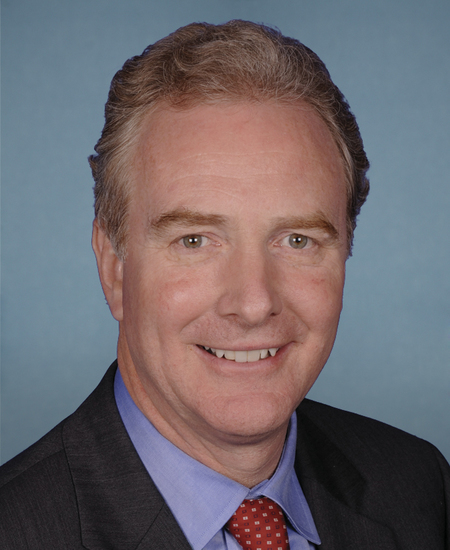
Chris Van Hollen
Chris Van Hollen Senate
D
Strong +
100% 3
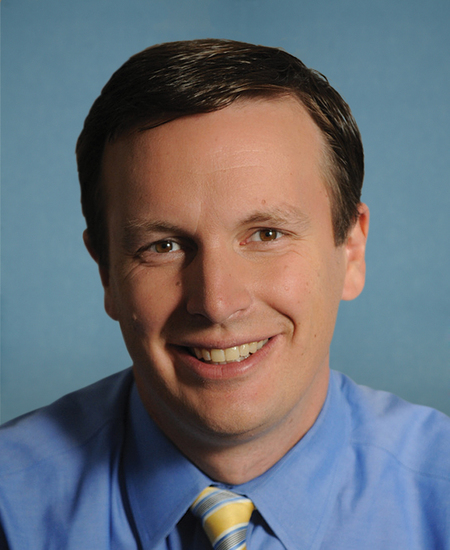
Christopher Murphy
Christopher Murphy Senate
D
Strong +
100% 3
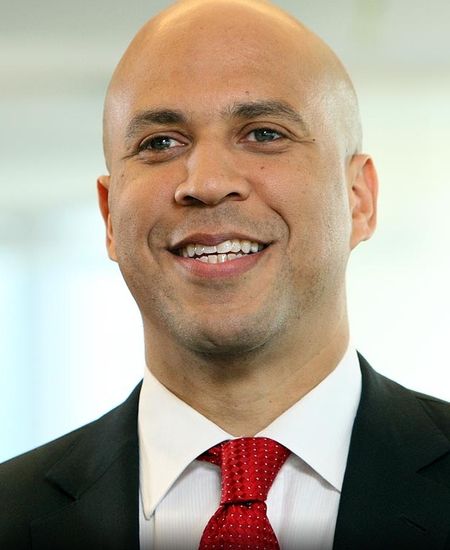
Cory A. Booker
Cory A. Booker Senate
D
Strong +
100% 3
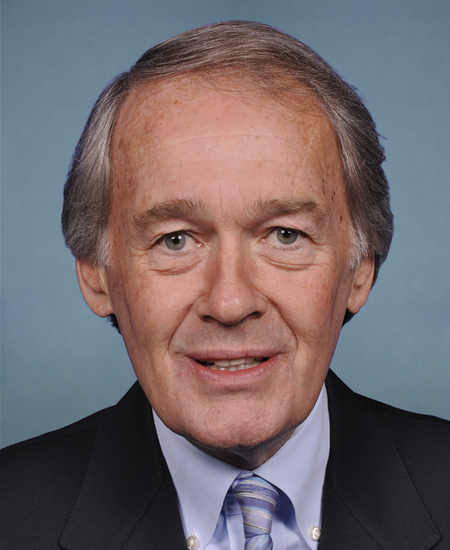
Edward J. Markey
Edward J. Markey Senate
D
Strong +
100% 3
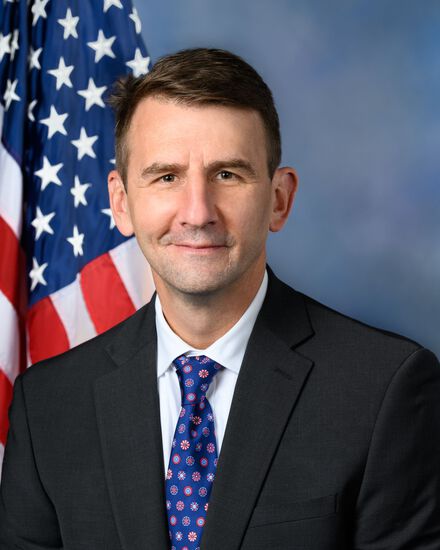
Frank J. Mrvan
Frank J. Mrvan House · District 1
D
Strong −
0% 5
Amy Klobuchar
Amy Klobuchar Senate
D
Strong −
0% 3
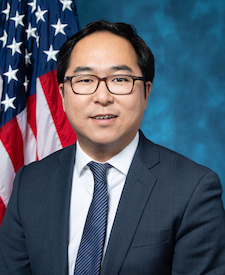
Andy Kim
Andy Kim Senate
D
Strong −
0% 3
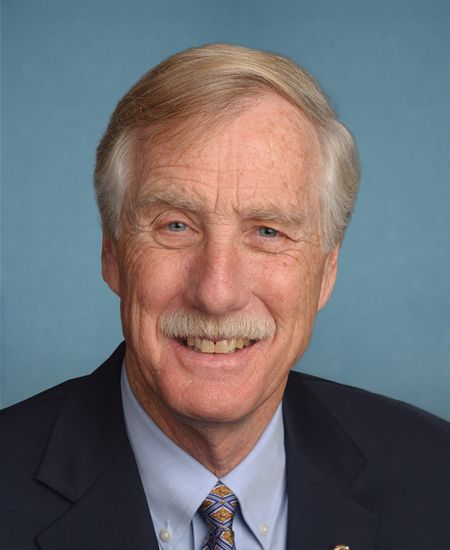
Angus S. King, Jr.
Angus S. King, Jr. Senate
I
Strong −
0% 3
Ashley Moody
Ashley Moody Senate
R
Strong −
0% 3
Showing 231–240 of 244 bills

All criminal justice bills

in committee · United States · Senate Apr 3, 2025

S 1295: BOP SCAN Mail Act

The BOP SCAN Mail Act requires the Bureau of Prisons to implement digital mail scanning at all federal correctional facilities to detect and prevent synthetic drugs like fentanyl from entering prisons through inmate mail. Within 180 days of enactment, the BOP Director must evaluate scanning technology and submit a strategy to Congress for achieving 100% mail scanning, including providing inmates digital mail copies within 24 hours and physical copies within 30 days if no drugs are detected. The strategy must cover equipment, training, a 2025-2027 budget, and annual progress reports on drug detection and program efficiency. This directly affects 122 federal prisons, their 38,000 employees, and over 150,000 inmates by addressing a 600% rise in drug-related overdoses linked to mail-sent contraband.
Sub-Topics Corrections
in committee · United States · House Feb 13, 2025

HR 1292: Ensuring the Safety of Our Mail Act of 2025

HR 1292 increases the maximum prison sentence for mail theft from 5 to 10 years under federal law. It amends Title 18, U.S. Code, Section 1708 to raise penalties for stealing physical mail. This change directly affects individuals convicted of mail theft under current federal statutes. The bill modifies sentencing provisions without altering other aspects of mail theft law.
Sub-Topics Corrections Sentencing
in committee · United States · House Jan 6, 2026

HR 6953: Violent Insurrection Recidivist Enhancement Act of 2026

HR 6953, the Violent Insurrection Recidivist Enhancement Act of 2026, increases prison sentences for individuals convicted of repeat violent insurrection offenses. It directly affects people previously convicted of acts like unlawfully entering the Capitol, obstructing election certification, or damaging government property in response to election results. The bill mandates additional prison time (4 years minimum, up to 10 years for violent cases) if a defendant has a prior conviction for similar conduct, regardless of whether the earlier conviction was pardoned. For specific serious offenses like treason or murder of a federal official, it allows life imprisonment with a 15-year minimum if the defendant has a pattern of anti-democratic conduct.
Sub-Topics Corrections Sentencing
in committee · United States · House Aug 19, 2025

HRES 660: Recognizing that the United States has a moral obligation to meet its foundational promise of guaranteed justice for all.

This House Resolution (HRES 660) expresses the House of Representatives' position that the United States has a moral obligation to address the country's mass incarceration crisis. It identifies systemic issues including racial disparities in incarceration (Black people are incarcerated at 5 times the rate of White people), the disproportionate impact on women and LGBTQ+ individuals, and the economic burden of the justice system. The resolution calls for a "large-scale decarceration effort" that includes ending racial disparities, reducing prison populations through sentencing reform, ending cash bail, and investing in community-based safety solutions instead of punitive systems. While not legislation with binding effect, it serves as a statement of principles and framework for potential future policy changes to create a more just and humane justice system.
in committee · United States · House Jul 10, 2025

HR 4334: Restoring the Armed Career Criminal Act

HR 4334, "Restoring the Armed Career Criminal Act," amends federal sentencing rules for gun crimes. It requires a mandatory minimum 15-year prison sentence (with no probation or suspended sentence) for individuals convicted of violating gun laws who have three or more prior serious felony convictions. A "serious felony conviction" is defined as a prior offense punishable by at least 10 years in prison, including consolidated convictions totaling 10+ years. The bill applies to offenses committed after its enactment and does not create a right to challenge existing sentences under the new rules. It directly affects gun offenders with multiple prior violent or serious felony convictions.
in committee · United States · House Jan 27, 2026

HR 7247: Prison Libraries Act of 2026

The Prison Libraries Act of 2026 establishes a federal grant program to fund library services in state and territorial correctional facilities, directly benefiting incarcerated individuals. It requires grantees (states/territories) to submit plans demonstrating need, including demographic data on prison populations, and prohibits using funds for non-library purposes like food or facility maintenance. Grant funds must support library services such as digital access, educational programming (including job training and post-secondary curriculum), literacy initiatives, and partnerships with public libraries. The program authorizes $10 million annually from 2026-2031, prioritizes measurable outcomes like increased literacy and post-release employment opportunities, and mandates free access to all library resources for incarcerated people.
Sub-Topics Corrections
in committee · United States · Senate Nov 18, 2025

S 3179: Halo Act

This bill (S 3179, the "Halo Act") makes it a federal crime to approach within 25 feet of a Federal immigration enforcement officer after being verbally warned not to, if the person intends to impede the officer's work, threaten them with physical harm, or harass them. The law defines "harass" as causing substantial emotional distress with no legitimate purpose and specifies that the warning must be given by the officer. Violators face fines, up to 5 years in prison, or both. It directly affects individuals who interfere with immigration enforcement activities, not the officers themselves.
passed · United States · Senate Jun 15, 2026

S 736: Lieutenant Osvaldo Albarati Stopping Prison Contraband Act

S 736, the Lieutenant Osvaldo Albarati Stopping Prison Contraband Act, amends federal law to increase penalties for providing prohibited items (like phones) to prison inmates. It adds a maximum 2-year prison term for knowingly supplying phones to inmates, specifically targeting violations related to phone trafficking. The bill also requires the Bureau of Prisons to review and update its policies within one year of enactment to better prevent inmate access to prohibited objects and enhance safety for both incarcerated individuals and staff. These changes directly affect prison staff, correctional facilities, and individuals involved in supplying contraband to inmates.
Sub-Topics Corrections
in committee · United States · Senate Feb 4, 2025

S 399: Protecting Our Supreme Court Justices Act of 2025

This bill amends federal law to increase penalties for obstructing justice through picketing or parading near judicial buildings. Specifically, it raises the maximum prison sentence for such offenses under 18 U.S.C. § 1507 from one year to five years. The law directly affects individuals who engage in protests or demonstrations that interfere with court operations near the Supreme Court or other judicial facilities. The key change is a stricter criminal penalty for obstructing justice, not a new policy or program.
in committee · United States · House Mar 24, 2025

HR 2305: Corrections Officer Blake Schwarz Suicide Prevention Act of 2025

HR 2305 establishes a federal grant program to fund mental health screenings for corrections officers in all federal, state, and local detention facilities. The bill requires participating facilities to administer anonymous, confidential surveys (5-10 questions) to identify severe mental health conditions like depression or bipolar disorder, followed by referrals to mental health providers through designated outreach teams. It directly affects corrections officers - defined as those working in prisons, jails, or detention centers - and mandates that grant funds cover survey development, staff training, outreach teams, and technology. The program, funded with $50-$70 million annually through 2030, aims to improve access to care by connecting officers with local mental health services while maintaining confidentiality.
Showing 231 to 240 of 244 bills