Issue · Criminal Justice

Criminal Justice (Law Enforcement)

Every criminal justice bill, vote, and legislator stance in United States, automatically classified by Maddy, our AI policy reader.

Total bills
318
119th Congress
Top supporter
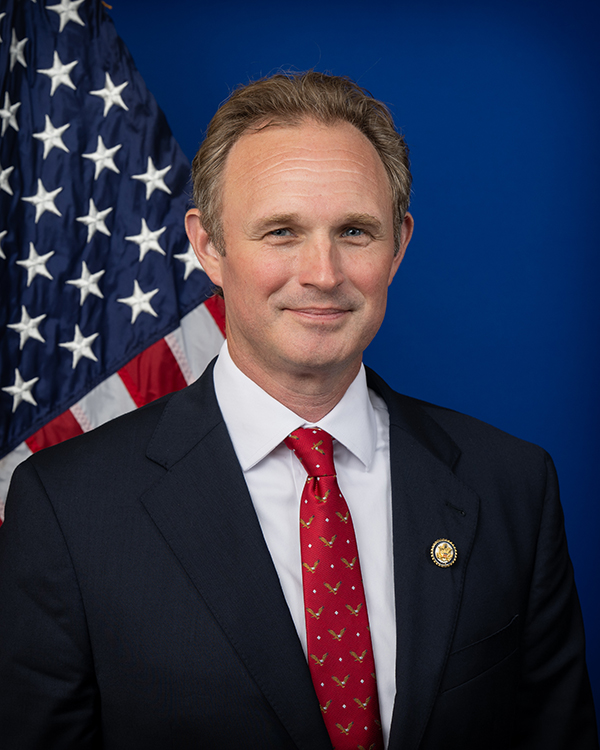
James Gallagher
100% support rate
Top opponent
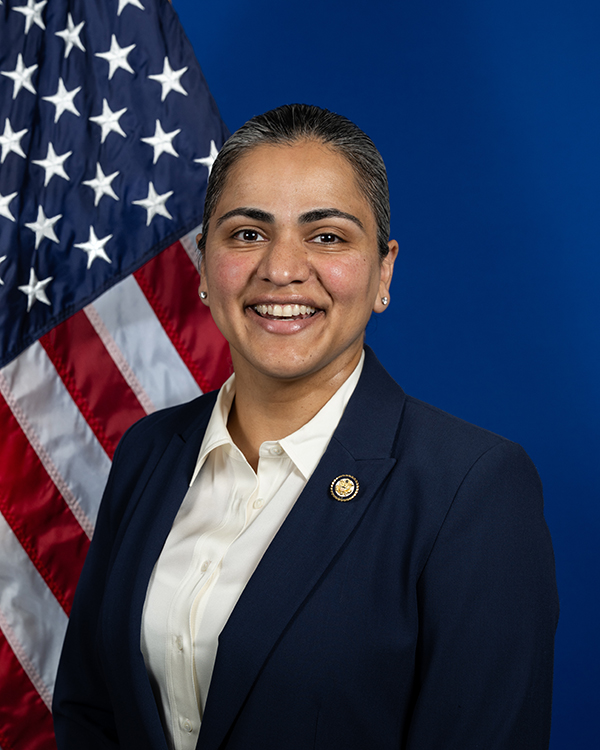
Aisha Wahab
0% support rate
Ranked legislators
10
5 support · 5 oppose
Key legislators

Who's moving law enforcement in United States

Legislators moving law enforcement in United States
Legislator Party Stance Support rate Decisive votes
James Gallagher
James Gallagher House · District 1
R
Strong +
100% 3
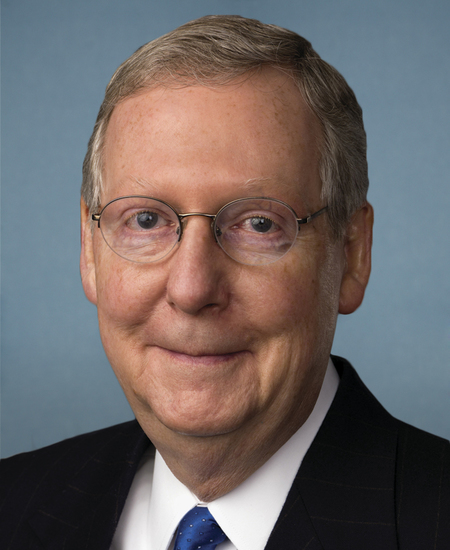
Mitch McConnell
Mitch McConnell Senate
R
Strong +
93% 28
AA
Alan Armstrong Senate
R
Strong +
86% 28
Bernie Moreno
Bernie Moreno Senate
R
Strong +
86% 28
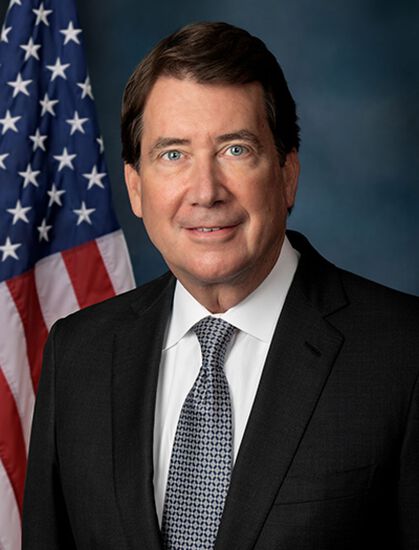
Bill Hagerty
Bill Hagerty Senate
R
Strong +
86% 28
Aisha Wahab
Aisha Wahab House · District 14
D
Strong −
0% 3
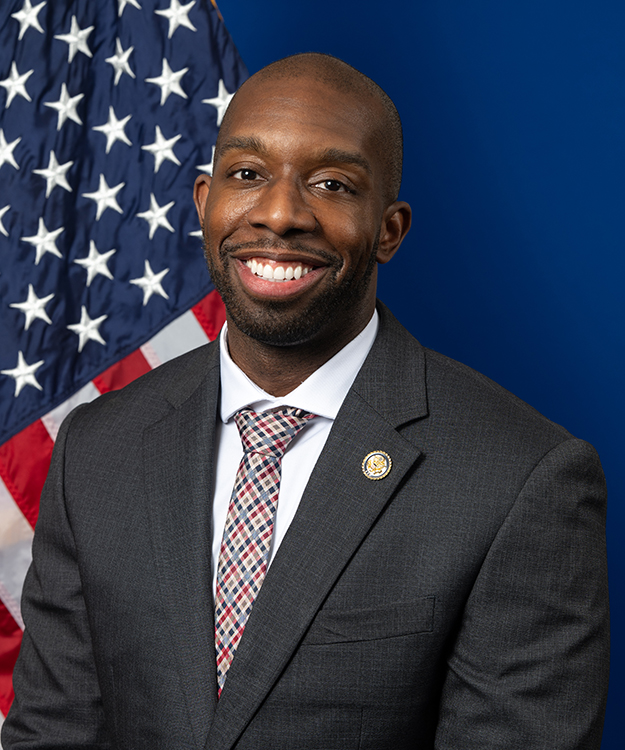
Everton Blair Jr.
Everton Blair Jr. House · District 13
D
Strong −
0% 3
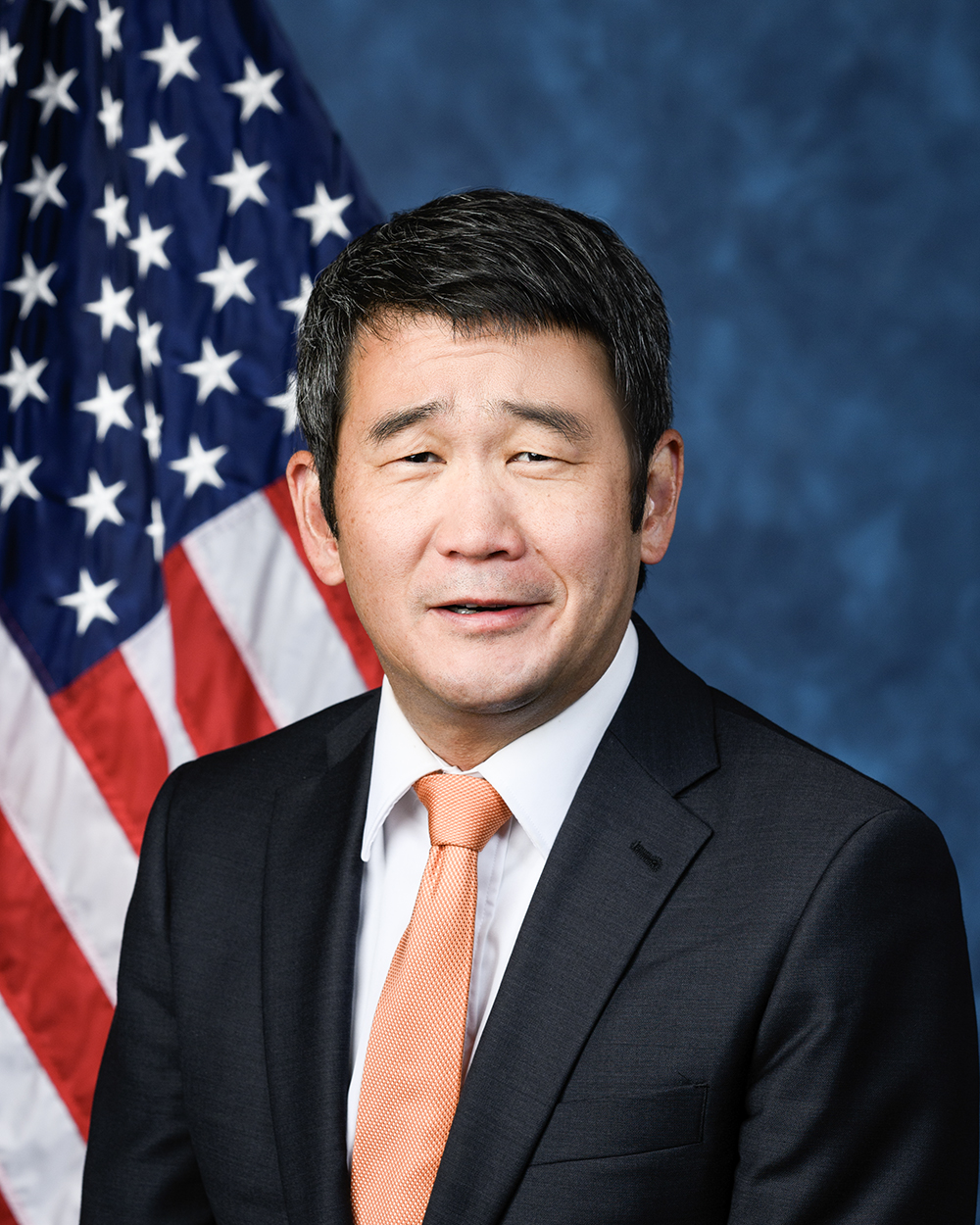
Dave Min
Dave Min House · District 47
D
Strong −
13% 15
Marcy Kaptur
Marcy Kaptur House · District 9
D
Strong −
13% 15
Amy Klobuchar
Amy Klobuchar Senate
D
Strong −
14% 28
Showing 231–240 of 318 bills

All criminal justice bills

passed · United States · Senate Nov 20, 2025

S 2379: Countering Threats and Attacks on Our Judges Act

S 2379, the "Countering Threats and Attacks on Our Judges Act," creates a new program to improve safety for state and local judges and court staff. It authorizes the State Justice Institute to fund eligible national nonprofits (with specific expertise in judicial security, courthouse design, and court operations) to establish State Judicial Threat Intelligence and Resource Centers. These centers will provide safety training, monitor threats, coordinate with law enforcement, develop standardized reporting systems, and create a national database for sharing threat information. The bill also requires an annual report to Congress on the number and types of threats faced by judges and court staff.
in committee · United States · House Feb 9, 2026

HR 7447: Community Risk Training and Response Act of 2026

HR 7447, the Community Risk Training and Response Act of 2026, provides federal grants to states for developing standardized training on extreme risk protection orders (ERPOs). The bill authorizes the Attorney General to award grants of $200,000 to $500,000 per state for one year to support training for law enforcement, prosecutors, judges, healthcare providers, educators, and ERPO coordinators. These grants aim to create consistent, research-backed training materials and implementation guides for ERPO programs nationwide. The focus is on improving how states handle crisis intervention courts and safety protocols related to ERPOs, directly affecting state and local agencies managing these processes.
in committee · United States · Senate Jun 26, 2025

S 2188: ATF DATA Act

This bill requires the ATF to publish annual reports on firearm trace data, breaking down details like which dealers sold firearms later recovered in crimes. The reports must include data on "time-to-crime" (how quickly firearms are used in crimes), firearm types, locations of recoveries, and whether sales involved multiple firearms. It specifically tracks firearms sold by licensees, privately made guns, and firearms reported lost or stolen, disaggregated by dealer type, state, and crime patterns. The data aims to improve transparency for law enforcement and the public without changing gun laws or regulations.
in committee · United States · House May 23, 2025

HR 3591: Carla Walker Act

The Carla Walker Act (HR 3591) creates federal grants to fund forensic DNA analysis using genetic genealogy databases for law enforcement. It authorizes $5 million annually (2024-2028) for two programs: (1) grants to eligible entities like police departments and medical examiners for whole genome sequencing (100,000+ markers) to solve unsolved cases or identify human remains when standard DNA databases fail, and (2) grants to purchase forensic equipment for genetic genealogy analysis. Funds cannot cover staffing or travel, with only 10% allowed for administrative costs. Recipients must report on case outcomes, testing methods, and results, including how often identifications led to arrests. The bill directly affects state/local law enforcement, forensic labs, and medical examiner offices handling unresolved criminal cases.
in committee · United States · Senate Jul 29, 2025

S 2522: Cell-Site Simulator Warrant Act of 2025

The Cell-Site Simulator Warrant Act of 2025 requires law enforcement agencies to obtain a court-issued warrant before using cell-site simulators (devices that mimic cell towers to track or intercept phone communications), with specific requirements to limit surveillance scope. Agencies must demonstrate other investigative methods have failed or would be too dangerous, specify the narrowest possible area and time frame for use, and disclose potential disruptions to emergency services like 911 calls. Exceptions exist for emergencies (requiring 48-hour warrant applications), certain research, and protective services, but information about people not under investigation must be minimized and destroyed. The bill also mandates annual reports to Congress on usage patterns and requires third-party testing of devices to verify accuracy before deployment.
Sub-Topics Courts Law Enforcement
passed · United States · Senate May 21, 2026

S 3023: Safe Cloud Storage Act

This bill creates a legal framework for cloud storage providers to securely store and share digital evidence of child sexual abuse material (CSAM) used in law enforcement investigations. It designates "approved vendors" (cloud companies contracted by U.S. law enforcement) and grants them limited civil/criminal liability protection when following strict cybersecurity protocols, such as using NIST standards, end-to-end encryption, and annual audits. The bill requires all CSAM evidence stored via approved vendors to remain within the U.S., mandates detailed notification procedures to the Department of Justice, and sets requirements for evidence retention and transfer. It directly affects cloud storage companies working with law enforcement agencies and ensures their services meet rigorous security and privacy standards during investigations.
in committee · United States · Senate Jan 28, 2026

S 3719: National Law Enforcement Officers Remembrance, Support, and Community Outreach Act.

This bill authorizes $6 million annually for seven years to fund the National Law Enforcement Museum's community outreach, public education, and officer safety programs. It directly supports the National Law Enforcement Officers Memorial Fund, which operates the museum in Washington, D.C., by requiring the Secretary of the Interior to award grants for specific activities like developing safety resources, expanding educational exhibits, and providing free museum access for officers and families. Key provisions include funding programs to reduce line-of-duty deaths, enhance public understanding of law enforcement, and foster community-police relationships through workshops and digital resources. The bill does not create new safety standards but provides federal funding to maintain and expand existing outreach efforts already coordinated with law enforcement agencies.
in committee · United States · Senate Jul 24, 2025

S 2452: Parity for Tribal Law Enforcement Act

This bill allows tribal law enforcement officers who contract with federal programs to enforce federal law within tribal lands after meeting specific training and certification standards set by the Bureau of Justice Services. It deems these officers as federal law enforcement officers for key legal protections under Titles 18, 5, and 28 of U.S. Code, including liability coverage and retirement benefits. Officers must complete training comparable to federal counterparts, pass background checks, and receive Bureau certification. The Department of Justice must establish certification procedures within two years and coordinate public safety oversight in tribal communities through the Attorney General’s office.
Sub-Topics Law Enforcement Tags Tribal Nations
in committee · United States · House Feb 26, 2026

HR 7738: Government Surveillance Transparency Act of 2026

The Government Surveillance Transparency Act of 2026 limits how long courts can keep surveillance orders, applications, and related documents sealed (maximally 180 days initially, with limited extensions), and requires courts to make key details about these surveillance cases publicly available through docket records. It mandates law enforcement to provide notice to individuals whose communications were surveilled, with limited exceptions for ongoing investigations, and establishes new reporting requirements for courts about surveillance orders. The bill also creates grants to help state and tribal courts implement these transparency requirements. This law directly affects federal, state, and tribal courts, law enforcement agencies, and individuals whose communications are subject to surveillance.
Sub-Topics Courts Law Enforcement Tags Government Transparency Privacy
in committee · United States · House Dec 11, 2025

HR 6651: Improving the Federal Response to Organized Retail Crime Act of 2025

HR 6651 requires federal agencies (including the FBI, Homeland Security, and USPS) to develop a coordination strategy within 180 days to improve information sharing on organized retail crime networks. The strategy must help state/local law enforcement gather evidence for prosecutions and boost collaboration between agencies, retailers, and crime task forces. Agencies must submit a joint report within 180 days, and the Comptroller General will publish a separate report on private-sector law enforcement cooperation within one year. The bill defines "organized retail crime" as coordinated theft or fraud for interstate distribution of stolen goods, directly affecting federal agencies, law enforcement, and the retail industry.
Showing 231 to 240 of 318 bills
Previous 1 … 23 24 25 … 32 Next