Issue · Criminal Justice

Criminal Justice (Law Enforcement)

Every criminal justice bill, vote, and legislator stance in United States, automatically classified by Maddy, our AI policy reader.

Total bills
318
119th Congress
Top supporter
James Gallagher
100% support rate
Top opponent
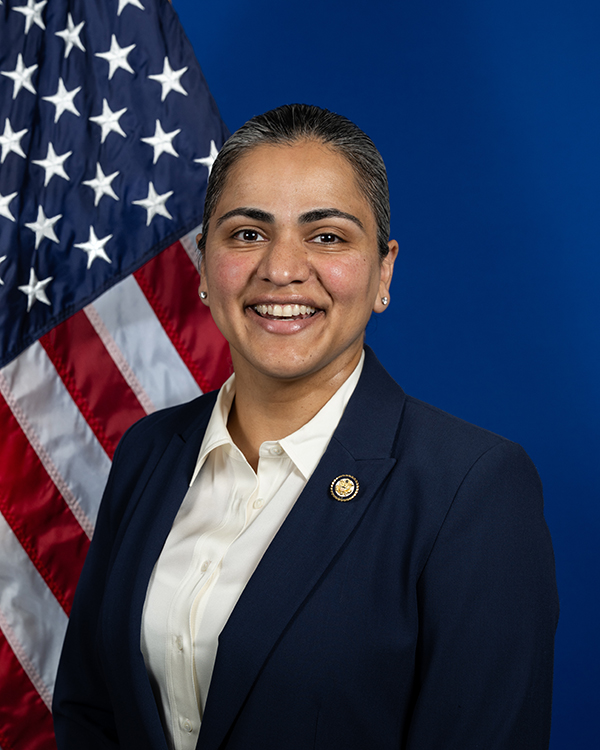
Aisha Wahab
0% support rate
Ranked legislators
10
5 support · 5 oppose
Key legislators

Who's moving law enforcement in United States

Legislators moving law enforcement in United States
Legislator Party Stance Support rate Decisive votes
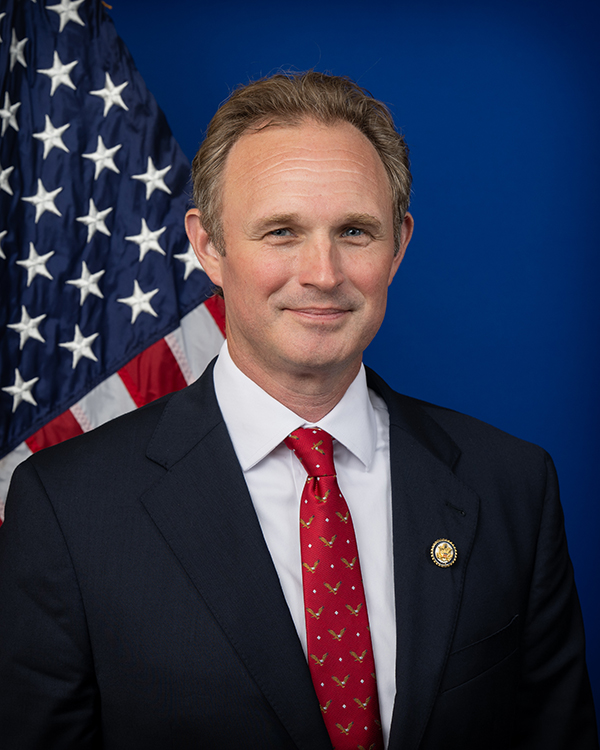
James Gallagher
James Gallagher House · District 1
R
Strong +
100% 3
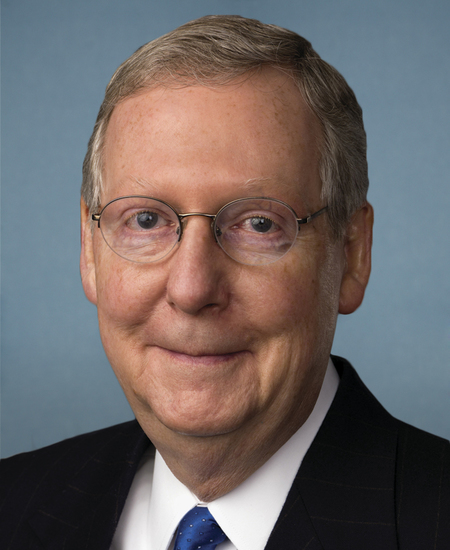
Mitch McConnell
Mitch McConnell Senate
R
Strong +
93% 28
AA
Alan Armstrong Senate
R
Strong +
86% 28
Bernie Moreno
Bernie Moreno Senate
R
Strong +
86% 28
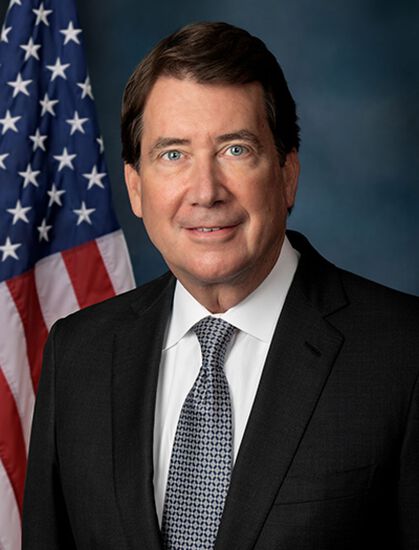
Bill Hagerty
Bill Hagerty Senate
R
Strong +
86% 28
Aisha Wahab
Aisha Wahab House · District 14
D
Strong −
0% 3
Everton Blair Jr.
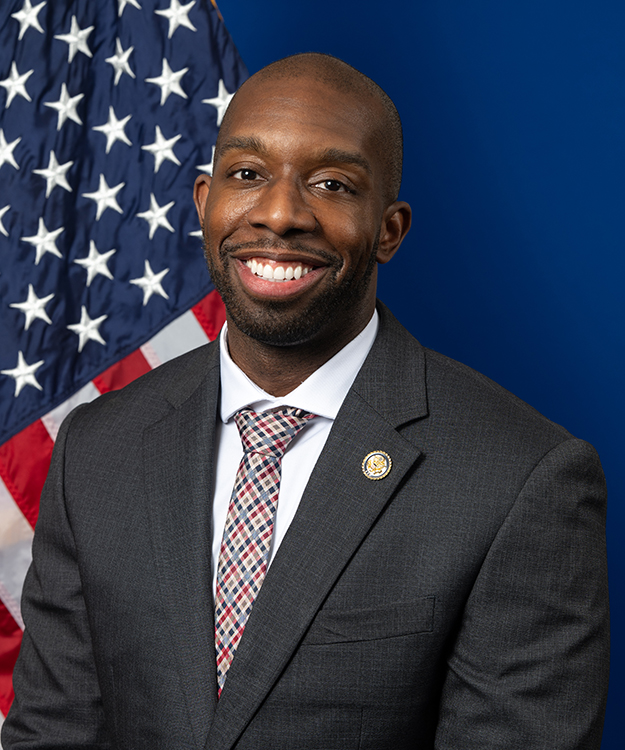
Everton Blair Jr. House · District 13
D
Strong −
0% 3
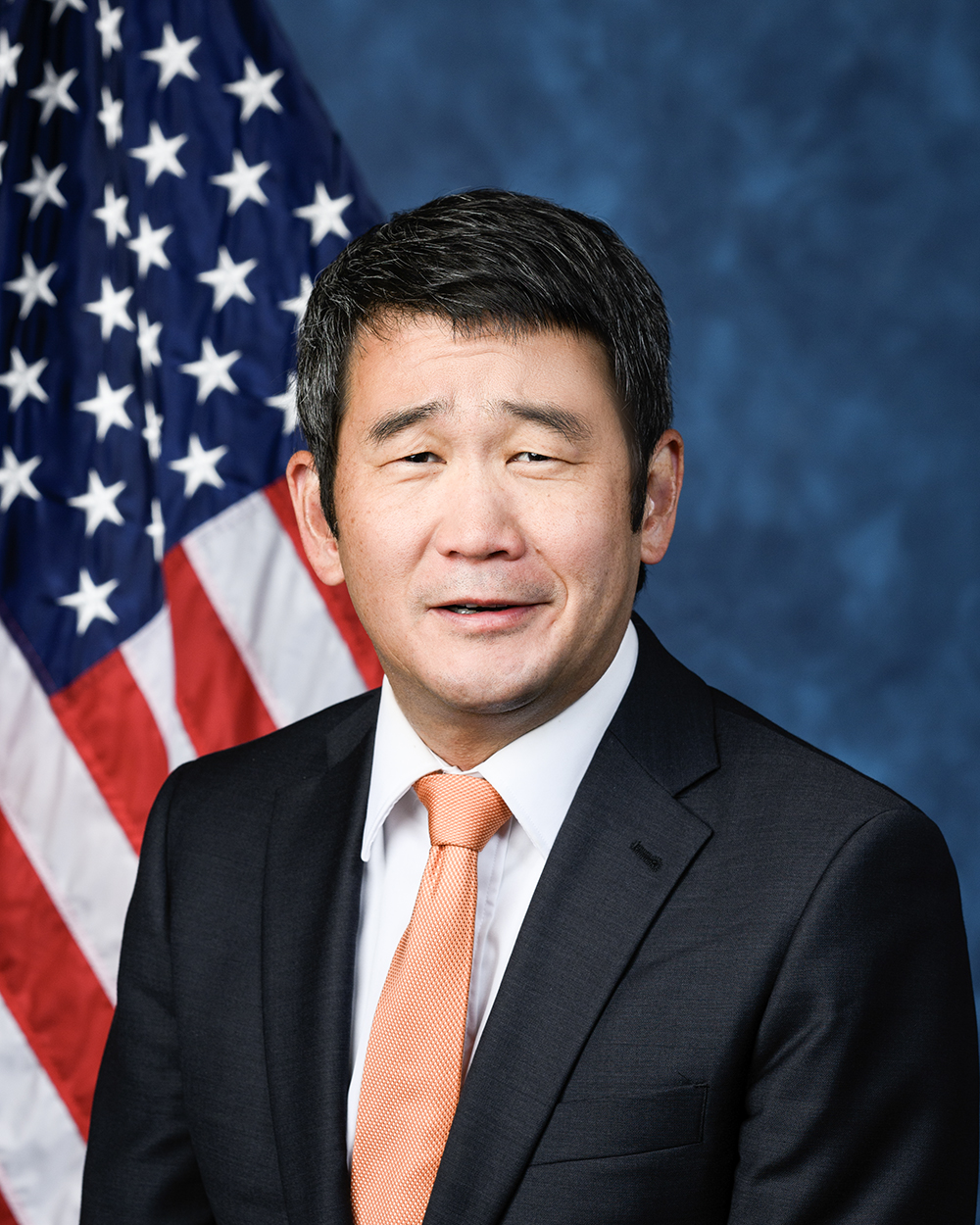
Dave Min
Dave Min House · District 47
D
Strong −
13% 15
Marcy Kaptur
Marcy Kaptur House · District 9
D
Strong −
13% 15
Amy Klobuchar
Amy Klobuchar Senate
D
Strong −
14% 28
Showing 221–230 of 318 bills

All criminal justice bills

in committee · United States · House Jun 3, 2025

HR 3683: FBI Animal Cruelty Taskforce Act of 2025

The FBI Animal Cruelty Taskforce Act of 2025 establishes a dedicated FBI unit to investigate federal animal cruelty crimes, specifically targeting dogfighting, cockfighting, and "crush videos." This taskforce will create training materials for local law enforcement to help them detect and investigate these offenses. It also requires the taskforce to coordinate with agencies like the Department of Agriculture and U.S. Customs, and to submit annual reports to Congress detailing filed charges, convictions, and unresolved investigations. The bill directly affects local police departments through new training resources and federal agencies through mandated coordination and reporting.
in committee · United States · House Jul 23, 2025

HR 4712: Parity for Tribal Law Enforcement Act

The Parity for Tribal Law Enforcement Act enables tribal law enforcement officers who have contracted federal law enforcement duties under the Indian Self-Determination Act to enforce federal law on tribal lands. To qualify, officers must complete training comparable to Bureau of Justice Services employees, pass a background check, and receive certification from the Bureau. The bill also designates these officers as federal law enforcement officers for legal protections under the Federal Tort Claims Act and retirement benefits. Additionally, it requires the Attorney General to coordinate Department of Justice efforts to improve public safety in tribal communities through better data collection, training, and reporting.
Sub-Topics Firearms Law Enforcement Tags Tribal Nations
in committee · United States · House Jan 6, 2026

HR 6954: January 6th Truth and Transparency Act

HR 6954, the January 6th Truth and Transparency Act, requires the Congressional Research Service to issue regular reports tracking individuals pardoned for January 6, 2021, Capitol-related offenses under Presidential Proclamation 10887. The reports, submitted every 180 days starting 60 days after enactment, must list pardoned individuals and document any subsequent arrests, convictions, or law enforcement encounters involving force. These reports will be made publicly available on the Library of Congress website and provided to specific congressional committees, including House Administration and Senate Rules committees. The bill directly affects those granted pardons under the specified proclamation by establishing a transparency mechanism to monitor their post-pardon conduct.
Sub-Topics Law Enforcement
in committee · United States · House Nov 18, 2025

HR 6092: Constitutional Accountability Act

HR 6092, the Constitutional Accountability Act, amends Section 1983 of federal law (42 U.S.C. 1983) to expand liability for constitutional violations by law enforcement. It directly affects local governments, police departments, and private entities contracting with law enforcement by removing the current barrier that requires proving a "municipal policy" under the *Monell* doctrine. The bill makes these entities liable for officers' actions - similar to how private employers are held responsible for employees - without needing to show policy or custom, and waives state sovereign immunity under the 14th Amendment. This change aims to strengthen accountability for police misconduct by enabling lawsuits against the employing entity itself.
in committee · United States · Senate May 22, 2025

S 1897: A bill to amend the Omnibus Crime Control and Safe Streets Act of 1968 to establish the Adverse Childhood Experiences Response Team grant program, and for other purposes.

This bill creates a federal grant program to help communities address adverse childhood experiences (ACEs), such as exposure to trauma or violence, affecting children. It provides $10 million annually (2026-2029) for grants to states, local governments, tribes, and community organizations to establish "Adverse Childhood Experiences Response Teams." These teams would develop protocols for trauma-informed care, build partnerships with mental health providers, integrate law enforcement with crisis services, and train first responders - focusing on preventing harm and improving access to support for affected children. The program directly supports communities working to mitigate trauma impacts through coordinated, cross-system collaboration.
in committee · United States · Senate Jan 13, 2026

S 3626: Federal Correctional Officer Paycheck Protection Act of 2026

This bill increases base pay for Federal correctional officers by 35% above their current General Schedule or law enforcement officer rates, replacing their existing base pay for all compensation purposes. It directly affects Bureau of Prisons correctional officers whose duties involve inmate custody, control, or routine direct contact in custodial settings, including certain supervisory roles. The pay increase is capped at the rate for Executive Schedule Level V (for officers) or Level IV (for Federal Wage System employees), and expires after five years unless the Department of Justice Inspector General certifies progress in reducing non-custodial staff "augmentation" and excessive overtime. The law requires a review 180 days before expiration to assess staffing changes and impacts on recruitment, retention, and safety.
in committee · United States · House Feb 13, 2026

HR 7572: No Vigilante Checkpoints and Civil Rights Protection Act of 2026

HR 7572 prohibits private individuals or groups from setting up checkpoints, demanding identification, or conducting vehicle searches without legal authority, directly affecting those engaging in such activities. It creates a federal crime punishable by up to 5 years in prison (or 10 years if weapons or injury are involved) for actions interfering with law enforcement. The bill also allows victims to sue for $10,000 per violation plus additional damages, with no qualified immunity for defendants. This law aims to protect Fourth Amendment rights by preventing unauthorized checkpoint operations that undermine civil liberties and federal operations.
Sub-Topics Civil Rights Corrections Law Enforcement Tags Civil Liberties
in committee · United States · House Sep 26, 2025

HR 5573: Combatting Fentanyl Poisonings Act of 2025

HR 5573, the Combatting Fentanyl Poisonings Act of 2025, creates three federal grant programs to address fentanyl-related harms. It funds state/local law enforcement to target illegal social media sales of controlled substances (including fentanyl-laced counterfeit pills) and provides education for schools and parents about fentanyl risks. Nonprofits receive grants up to $50,000 to run public awareness campaigns, produce educational materials, and offer counseling for families affected by fentanyl deaths - though funds cannot cover most harm reduction supplies (only naloxone is permitted). The bill allocates $10 million for law enforcement programs, $3 million for awareness grants, and $2 million for officer safety equipment like fentanyl test strips and naloxone training.
in committee · United States · Senate Jul 22, 2025

S 2381: PROACTIV Artificial Intelligence Data Act of 2025

The PROACTIV Artificial Intelligence Data Act of 2025 requires the National Institute of Standards and Technology (NIST) to develop a voluntary framework within one year for AI developers and data collectors to detect, remove, and report child pornography in datasets used to train artificial intelligence systems. This framework, created with input from law enforcement, nonprofits, and industry stakeholders, will provide specific guidelines for handling such content in AI training data. The bill also grants limited liability protection to AI developers and data collectors who follow the framework, though this protection does not apply if they acted intentionally, recklessly, or negligently, or violated existing child pornography laws. The law explicitly excludes AI deployers (who integrate AI into products) and end users from these requirements.
in committee · United States · Senate Dec 18, 2025

S 3577: Auto Theft Prevention Act

The Auto Theft Prevention Act (S 3577) establishes a federal grant program to fund state and local law enforcement agencies in combating auto theft and stolen vehicle trafficking. It allocates $30 million annually from 2026 to 2030, requiring states to apply with evidence of need and a plan to prioritize high-theft areas. At least 50% of each grant must support local agencies in high-theft zones, and 25% must fund state agencies, with funds covering equipment, staffing, training, and data collection. This bill directly affects all state and local law enforcement entities across U.S. states, territories, and the District of Columbia.
Sub-Topics Law Enforcement
Showing 221 to 230 of 318 bills
Previous 1 … 22 23 24 … 32 Next