Issue · Criminal Justice

Criminal Justice

Every criminal justice bill, vote, and legislator stance in United States, automatically classified by Maddy, our AI policy reader.

Total bills
301
119th Congress
Top supporter
Alan Armstrong
86% support rate
Top opponent
Amy Klobuchar
13% support rate
Ranked legislators
10
5 support · 5 oppose
Key legislators

Who's moving criminal justice in United States

Legislators moving criminal justice in United States
Legislator Party Stance Support rate Decisive votes
AA
Alan Armstrong Senate
R
Strong +
86% 28
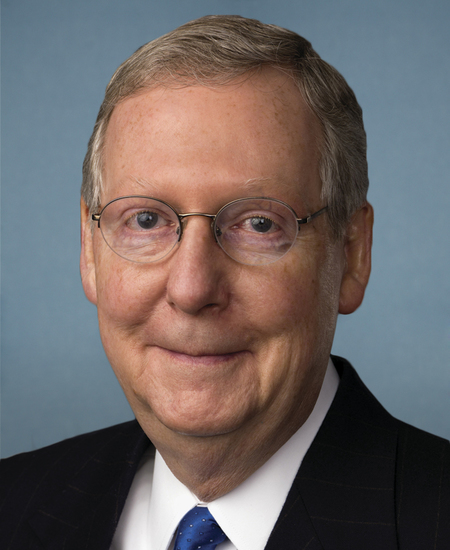
Mitch McConnell
Mitch McConnell Senate
R
Strong +
84% 31
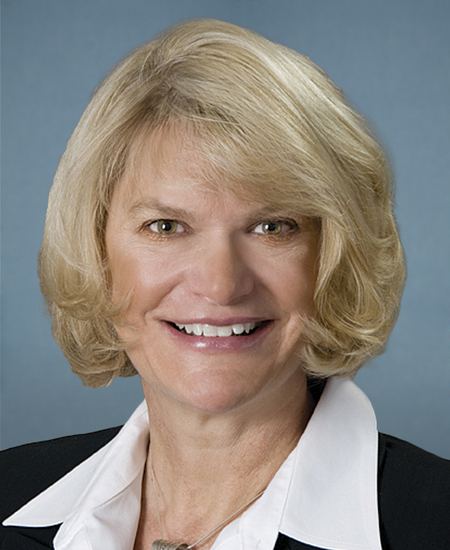
Cynthia M. Lummis
Cynthia M. Lummis Senate
R
Strong +
80% 30
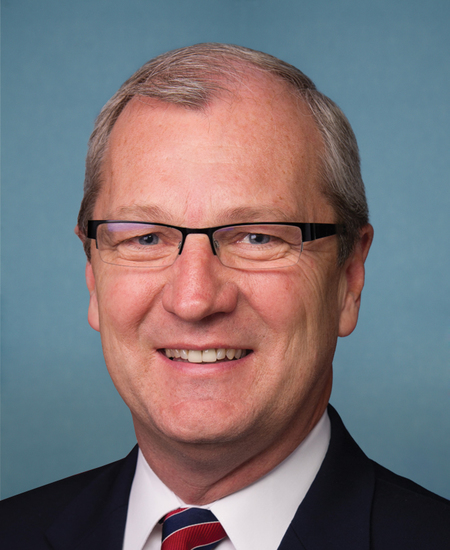
Kevin Cramer
Kevin Cramer Senate
R
Strong +
80% 30
Bernie Moreno
Bernie Moreno Senate
R
Support
77% 31
Amy Klobuchar
Amy Klobuchar Senate
D
Strong −
13% 31
Catherine Cortez Masto
Catherine Cortez Masto Senate
D
Strong −
13% 31
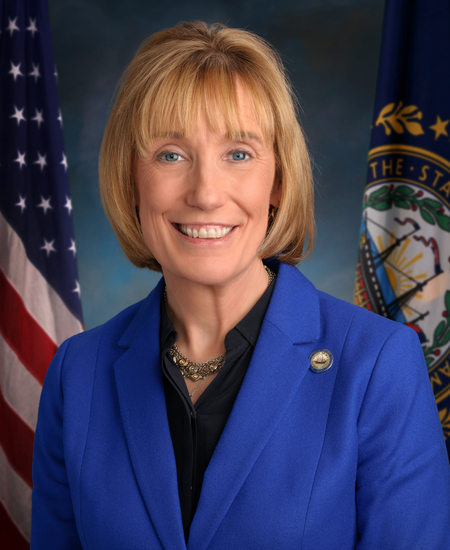
Margaret Wood Hassan
Margaret Wood Hassan Senate
D
Strong −
13% 31
Andy Kim
Andy Kim Senate
D
Strong −
16% 31
Angus S. King, Jr.
Angus S. King, Jr. Senate
I
Strong −
16% 31
Showing 221–230 of 301 bills

All criminal justice bills

in committee · United States · House Mar 11, 2025

HR 2065: Unmasking Hamas Act of 2025

HR 2065, the Unmasking Hamas Act of 2025, would make it a federal crime to injure, threaten, or intimidate someone while wearing a disguise (including a mask) in order to interfere with their exercise of constitutional or legal rights. It would impose fines or up to 15 years in prison for such acts, and add a mandatory 2-year prison term for property destruction committed while masked. The bill directly affects individuals who wear masks during protests or demonstrations that disrupt protected rights or damage property, applying to all locations under federal jurisdiction. The law focuses on criminalizing masked conduct that interferes with rights or property, not on the specific content of protests.
Sub-Topics Corrections
in committee · United States · Senate Jul 29, 2025

S 2517: A bill to impose criminal penalties for camping on public property in the District of Columbia.

This bill makes camping on public property in Washington, D.C. a criminal offense. It defines "camp" as using materials to create a temporary shelter and prohibits this activity on public land. Violators face fines up to $500, up to 30 days in jail, or both. The law directly affects individuals who set up temporary shelters on public property within the District of Columbia.
Sub-Topics Corrections
in committee · United States · House Jan 14, 2025

HR 393: No Repeat Child Sex Offenders Act

HR 393, the "No Repeat Child Sex Offenders Act," amends federal criminal code sections to replace existing prison terms with mandatory death or life imprisonment for specific child sex offenses. It applies to prosecutions under provisions targeting sex trafficking of children (18 U.S.C. §1591), transportation of minors for sexual purposes (18 U.S.C. §2423), and various sexual abuse crimes against minors (18 U.S.C. §§2241-2245). The bill directly affects individuals convicted under these provisions, including repeat offenders, by eliminating minimum and maximum prison sentences in favor of the harshest penalties. It does not create new offenses but significantly increases penalties for existing crimes involving child sexual exploitation.
in committee · United States · Senate Nov 6, 2025

S 3134: Combating Counterfeit Pharmaceuticals Act of 2025

This bill defines "copy-cat ingredients" as substances mimicking approved drugs but made via different processes or with lower quality, and clarifies "counterfeit drugs" under existing law. It updates the Fentanyl Sanctions Act to replace all references to "opioid" with "illicit drug," expanding the law's scope to cover all counterfeit pharmaceuticals - not just opioid-related products. The bill also adds a waiver allowing access to medications on the HHS drug shortage list. These changes help regulators and law enforcement better identify and address counterfeit drugs affecting patients and the healthcare system.
in committee · United States · House Dec 10, 2025

HR 6582: Flight Risk Reduction Act

HR 6582, the Flight Risk Reduction Act, changes federal pretrial detention rules for non-citizens facing criminal charges. It creates a legal presumption that non-citizens (not U.S. citizens or lawful permanent residents) cannot be released before trial unless they prove they won’t skip court or harm others, using "clear and convincing evidence." The bill specifically states that having family or jobs in the U.S. cannot be used to challenge this presumption. This directly affects non-citizens charged in federal court who might otherwise seek pretrial release.
passed · United States · House Feb 13, 2025

HR 35: Agent Raul Gonzalez Officer Safety Act

HR 35, the Agent Raul Gonzalez Officer Safety Act, creates a new federal crime for operating a motor vehicle while intentionally fleeing U.S. Border Patrol agents or assisting law enforcement officers within 100 miles of the U.S. border. It imposes penalties of up to 2 years in prison for the basic offense, 5-20 years if serious injury occurs, and 10 years to life if death results. The bill also makes individuals convicted of this crime inadmissible to the U.S., deportable, and ineligible for immigration relief like asylum. Additionally, it requires annual reports from the Attorney General and Homeland Security Secretary detailing arrests, charges, and penalties related to this offense.
in committee · United States · Senate Jun 12, 2025

S 2079: Enhanced Penalties for Criminal Flag Burners Act

This bill adds a new provision to federal law increasing penalties for using open flames or incendiary devices (including burning the U.S. flag) while committing certain federal crimes like property damage or public endangerment. It mandates an additional minimum 1-year prison term for offenders who intentionally use fire-starting methods during these crimes, beyond any existing penalties. The law specifically targets flag burning only when connected to other criminal acts involving property or public safety risks, not standalone flag desecration. It explicitly excludes First Amendment-protected expressive conduct not involving criminal acts or threats to public safety.
Sub-Topics Corrections
in committee · United States · Senate Jul 31, 2025

S 2624: Kamisha's Law

S 2624, "Kamisha's Law," removes all time limits for prosecuting certain non-capital homicide offenses in federal court. It directly affects prosecutors and defendants in cases involving second-degree murder, voluntary manslaughter, or attempted manslaughter under specified sections of Title 18 (e.g., sections 1111, 1112, 1114, and others listed). The bill amends federal law to allow indictments or information to be filed "at any time without limitation" for these offenses, eliminating the usual statute of limitations. This change applies only to federal prosecutions for the listed homicide crimes, not to state cases or capital offenses.
Sub-Topics Courts Violent Crime
in committee · United States · House Jun 6, 2025

HR 3810: SKIM Act

The SKIM Act (HR 3810) increases penalties for fraud involving counterfeit access devices like credit cards. It requires the U.S. Sentencing Commission to raise fraud offense levels by 4 points (minimum level 14) and count all unauthorized charges from 10+ counterfeit devices toward total losses. The bill also mandates a 90-day report to Congress from the Attorney General and DHS, detailing law enforcement coordination, fraud technologies, assistance requests, and recommendations for combating such fraud. This directly affects federal courts (through sentencing changes), law enforcement agencies, and businesses vulnerable to access device fraud.
passed · United States · House Sep 17, 2025

HR 5140: To lower the age at which a minor may be tried as an adult for certain criminal offenses in the District of Columbia to 14 years of age.

This bill lowers the age at which minors in Washington, D.C. can be tried as adults for certain crimes from 16 to 14 years old. It amends two key sections of D.C. law: changing the age for exclusion from juvenile court jurisdiction (from 16 to 14) and lowering the age for transfer to criminal court (from 15-18 to 14 across multiple scenarios). The policy directly affects minors aged 14 or older who commit specified serious offenses in D.C., removing them from the juvenile justice system. The changes apply to offenses committed on or after the bill's effective date.
Showing 221 to 230 of 301 bills
Previous 1 … 22 23 24 … 31 Next