Issue · Criminal Justice

Criminal Justice

Every criminal justice bill, vote, and legislator stance in United States, automatically classified by Maddy, our AI policy reader.

Total bills
301
119th Congress
Top supporter
Alan Armstrong
86% support rate
Top opponent
Amy Klobuchar
13% support rate
Ranked legislators
10
5 support · 5 oppose
Key legislators

Who's moving criminal justice in United States

Legislators moving criminal justice in United States
Legislator Party Stance Support rate Decisive votes
AA
Alan Armstrong Senate
R
Strong +
86% 28
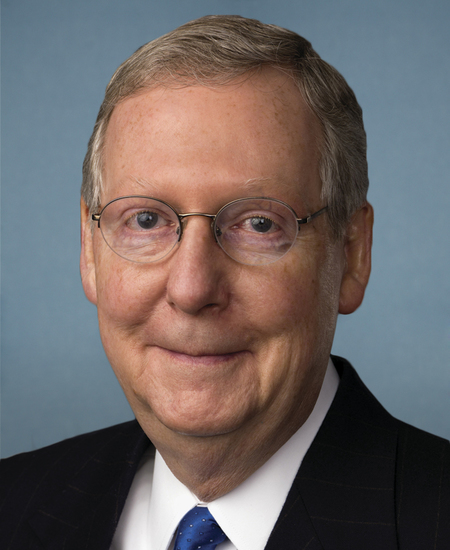
Mitch McConnell
Mitch McConnell Senate
R
Strong +
84% 31
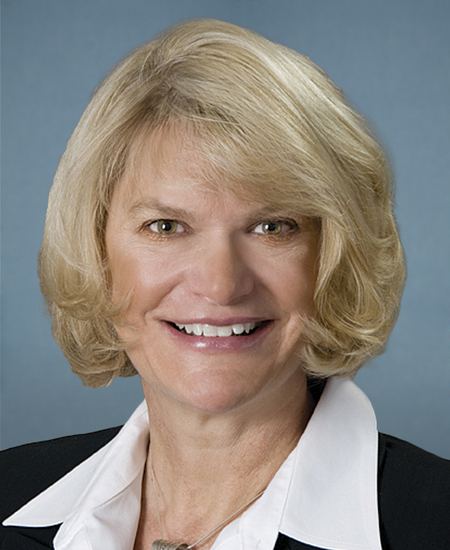
Cynthia M. Lummis
Cynthia M. Lummis Senate
R
Strong +
80% 30
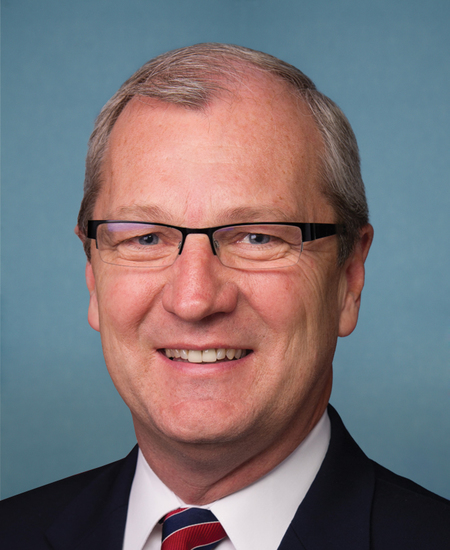
Kevin Cramer
Kevin Cramer Senate
R
Strong +
80% 30
Bernie Moreno
Bernie Moreno Senate
R
Support
77% 31
Amy Klobuchar
Amy Klobuchar Senate
D
Strong −
13% 31
Catherine Cortez Masto
Catherine Cortez Masto Senate
D
Strong −
13% 31
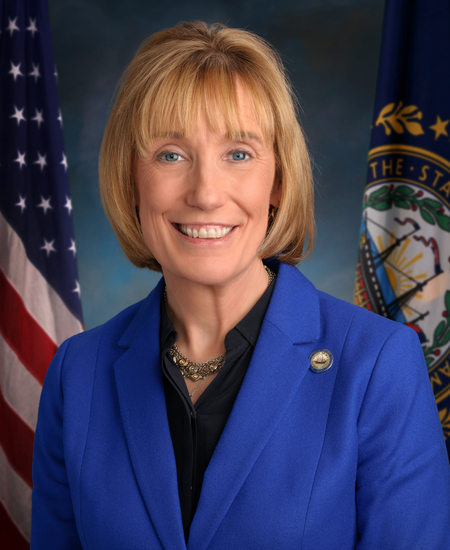
Margaret Wood Hassan
Margaret Wood Hassan Senate
D
Strong −
13% 31
Andy Kim
Andy Kim Senate
D
Strong −
16% 31
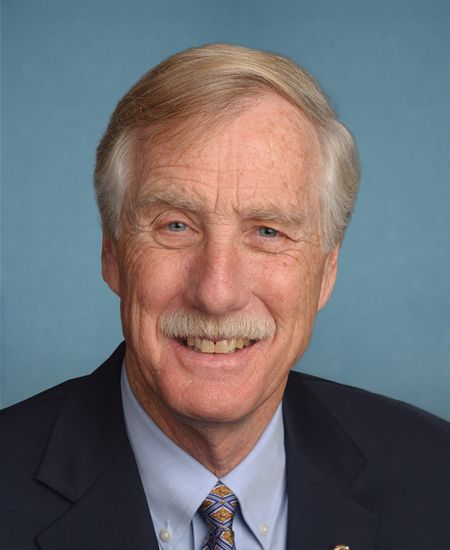
Angus S. King, Jr.
Angus S. King, Jr. Senate
I
Strong −
16% 31
Showing 201–210 of 301 bills

All criminal justice bills

in committee · United States · House Jun 26, 2025

HR 4177: COPS Act

HR 4177, the COPS Act, increases penalties for assaulting, resisting, or impeding federal law enforcement officers. It raises fines for such offenses from up to $200,000 to $500,000 and extends prison sentences from 8 to 10 years for basic assaults, and from 20 to 25 years for assaults involving explosive materials. This bill directly affects individuals who physically confront or obstruct federal officers, including police, border patrol, and other federal personnel. The changes apply to offenses under Title 18, United States Code, Section 111.
in committee · United States · House Mar 26, 2025

HR 2394: DETERRENCE Act

HR 2394, the DETERRENCE Act, amends federal criminal sentencing laws to increase penalties for certain offenses when committed "knowingly at the direction of or in coordination with a foreign government." It applies to existing crimes including kidnapping (up to 10 additional years), murder-for-hire (up to 10 years if injury occurs), stalking (up to 30 months), attacks on federal officials (up to 10 years), and threats against presidential staff (up to 10 years). The bill adds specific sentencing enhancements where foreign government involvement is proven, with higher penalties for offenses causing injury, using weapons, or resulting in death. It directly affects individuals convicted of these crimes under the specified circumstances.
in committee · United States · Senate May 8, 2025

S 1675: Justice for American Victims of Illegal Aliens Act

S 1675 would amend federal death penalty law to add a new aggravating factor for capital sentencing. Specifically, it would allow the death penalty to be considered if a defendant is an alien who entered or remained in the U.S. illegally and was convicted of killing, attempting to kill, or conspiring to kill a U.S. citizen. This provision directly affects defendants in federal murder cases who meet both criteria: violating immigration laws and committing violent crimes against citizens. The bill changes sentencing guidelines by expanding the circumstances under which the death penalty could be applied.
Sub-Topics Sentencing Enforcement
in committee · United States · Senate Mar 11, 2025

S 937: No Student Loans for Campus Criminals Act

No Student Loans for Campus Criminals Act This bill prohibits an individual who is convicted of any federal or state offense related to the individual's conduct at or during the course of a protest at an institution of higher education from receiving certain federal student loan benefits. Specifically, an individual who is convicted of such an offense shall not be eligible to have any covered loan forgiven, cancelled, waived, or modified under the Higher Education Act of 1965, under any executive order, or through any action taken by the Department of Education.  Covered loans refer to Federal Family Education Loans, Federal Direct Loans, Federal Perkins Loans, and loans under the Health Education Assistance Loan Program. Additionally, an individual who is convicted of such an offense shall not be eligible to receive Federal Direct Loans.
in committee · United States · Senate Jul 30, 2025

S 2547: Kate's Law

S 2547 ("Kate's Law") increases penalties for non-citizens who enter the U.S. unlawfully or reenter after removal. It raises the mandatory prison term for aliens who enter without inspection (e.g., evading border checks) and later commit crimes punishable by over one year in prison from 2 to 5 years. For reentry offenses, it mandates minimum 10-year prison sentences for those convicted of serious crimes before removal, or who reenter after multiple removals or specific prior convictions. The bill directly affects non-citizens facing immigration enforcement actions under Sections 275 and 276 of the Immigration and Nationality Act.
in committee · United States · Senate Jun 10, 2025

S 2000: Mitigating Extreme Lawlessness and Threats Act

This bill amends federal law (18 U.S.C. §2101) governing riots by increasing penalties for violent riot-related conduct. It directly affects individuals who participate in riots, particularly those involving violence or assault on federal law enforcement officers. Key provisions establish three penalty tiers: up to 10 years in prison for basic riot violations, 1-10 years for those involving violence, and 1+ years or life for assaulting officers. The changes restructure existing subsections to clarify these enhanced punishments without creating new offenses.
in committee · United States · Senate Feb 6, 2025

S 477: Fairness in Fentanyl Sentencing Act of 2025

This bill reduces sentencing thresholds for fentanyl and similar synthetic opioid offenses by lowering the quantity amounts that trigger mandatory minimum penalties (e.g., changing "400 grams" to "20 grams" for certain offenses). It requires the U.S. Sentencing Commission to update federal sentencing guidelines within 120 days to align with these changes. Additionally, it authorizes $9 million for the U.S. Postal Service to purchase chemical screening devices and staff to detect fentanyl and other synthetic opioids in mail and packages. The bill directly affects individuals convicted of federal drug offenses under the Controlled Substances Act.
in committee · United States · House Jul 29, 2025

HR 4783: COP Act of 2025

HR 4783, the COP Act of 2025, prohibits federal funding for any law enforcement agency that employs a non-citizen as a law enforcement officer. This directly affects state and local police departments or agencies that receive federal grants, requiring them to ensure all sworn officers are U.S. citizens to maintain funding eligibility. The key mechanism is a strict funding cutoff: agencies violating this rule would lose access to federal financial support. The bill focuses solely on altering federal funding eligibility based on officer citizenship status, with no additional provisions or exceptions described.
in committee · United States · Senate Jan 14, 2025

SRES 25: A resolution condemning the commutation of the death sentence of Marvin Charles Gabrion II granted by President Biden on December 23, 2024.

SRES 25 is a non-binding Senate resolution expressing disapproval of President Biden's December 23, 2024, commutation of death row inmate Marvin Charles Gabrion II's sentence. The resolution condemns the action, citing Gabrion's conviction for murdering 19-year-old Rachel Timmerman (who was to testify against him) and his suspected involvement in other crimes. It states the Senate believes the commutation undermined justice and was politically motivated, not principled. As a procedural resolution, it has no legal effect and does not change Gabrion's sentence or any laws.
Sub-Topics Corrections
in committee · United States · House Feb 9, 2026

HR 7453: CLEAN Act

This bill denies tax credits for health insurance under the Affordable Care Act and Medicaid medical assistance to individuals convicted of sex offenses (as defined by the Adam Walsh Act). Specifically, it amends tax law to block refundable health care credits for sex offenders and adds a Medicaid provision allowing states to exclude sex offenders from receiving government-funded medical coverage. The policy directly affects sex offenders who would otherwise qualify for these federal benefits. The changes apply to tax years and Medicaid enrollments starting after the bill's enactment.
Sub-Topics Insurance Medicaid
Showing 201 to 210 of 301 bills
Previous 1 … 20 21 22 … 31 Next