Issue · Criminal Justice

Criminal Justice (Corrections)

Every criminal justice bill, vote, and legislator stance in United States, automatically classified by Maddy, our AI policy reader.

Total bills
244
119th Congress
Top supporter
Adam B. Schiff
100% support rate
Top opponent
Frank J. Mrvan
0% support rate
Ranked legislators
10
5 support · 5 oppose
Key legislators

Who's moving corrections in United States

Legislators moving corrections in United States
Legislator Party Stance Support rate Votes
Adam B. Schiff
Adam B. Schiff Senate
D
Strong +
100% 3
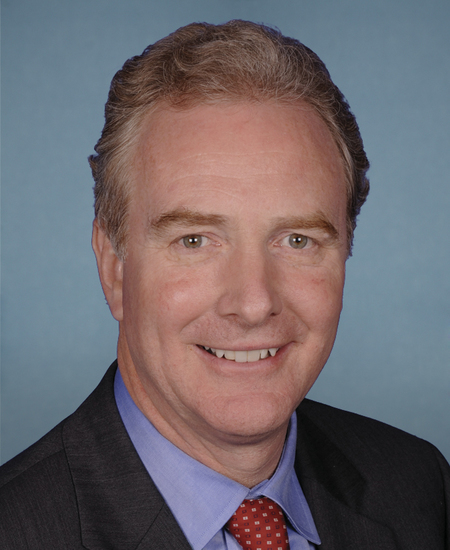
Chris Van Hollen
Chris Van Hollen Senate
D
Strong +
100% 3
Christopher Murphy
Christopher Murphy Senate
D
Strong +
100% 3
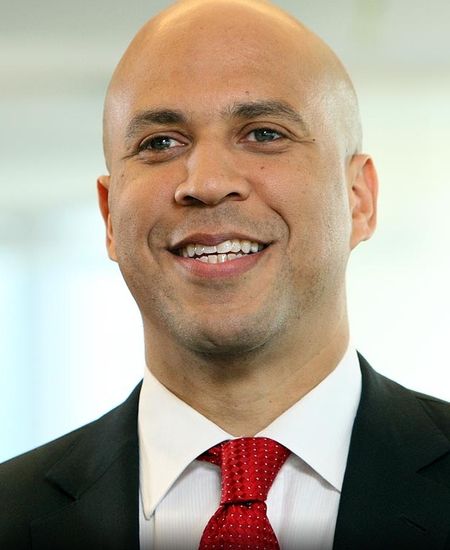
Cory A. Booker
Cory A. Booker Senate
D
Strong +
100% 3
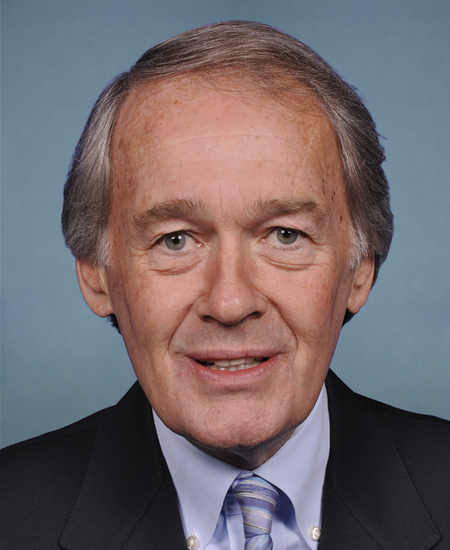
Edward J. Markey
Edward J. Markey Senate
D
Strong +
100% 3
Frank J. Mrvan
Frank J. Mrvan House · District 1
D
Strong −
0% 5
Amy Klobuchar
Amy Klobuchar Senate
D
Strong −
0% 3
Andy Kim
Andy Kim Senate
D
Strong −
0% 3
Angus S. King, Jr.
Angus S. King, Jr. Senate
I
Strong −
0% 3
Ashley Moody
Ashley Moody Senate
R
Strong −
0% 3
Showing 191–200 of 244 bills

All criminal justice bills

in committee · United States · Senate Jul 10, 2025

S 2238: PART Act

The PART Act requires catalytic converters to be marked with unique identification numbers that link to the vehicle they were installed on, making them traceable. It creates a grant program to help repair shops, dealers, and law enforcement apply visible, theft-resistant markings to catalytic converters. The bill also mandates that sellers keep detailed records of transactions and prohibits cash or digital asset payments for catalytic converters. New criminal penalties include up to 5 years in prison for stealing or knowingly purchasing stolen catalytic converters.
in committee · United States · House May 13, 2025

HR 3353: Lieutenant Osvaldo Albarati Stopping Prison Contraband Act

HR 3353, the Lieutenant Osvaldo Albarati Stopping Prison Contraband Act, increases penalties for providing prohibited items like phones to prisoners in federal custody, imposing up to two years in prison for violations involving such items. The bill requires the Bureau of Prisons to review and update its policies within one year of enactment to better address contraband possession by inmates, aiming to improve safety for both incarcerated individuals and staff. It specifically amends federal law to clarify penalties for trafficking prohibited objects, including phones, under Section 1791 of Title 18. The legislation directly affects federal prison operations, inmates, and staff by targeting contraband trafficking and mandating policy reforms.
in committee · United States · House Aug 5, 2025

HRES 635: Expressing the sense of the House of Representatives that Ghislaine Maxwell should not receive a pardon, commutation, or other form of clemency from the President of the United States.

This resolution expresses the House of Representatives' opposition to any presidential pardon, commutation, or other clemency for Ghislaine Maxwell, who was convicted in 2021 for conspiring to traffic minors for sexual abuse alongside Jeffrey Epstein. It highlights her 20-year prison sentence for facilitating the grooming and abuse of children, emphasizing that clemency would deny justice to victims. The resolution is non-binding but formally states that her conviction and sentence were warranted, and that her ongoing imprisonment is the only available measure of justice for survivors.
in committee · United States · House Apr 8, 2025

HR 2718: Family Notification of Death, Injury, or Illness in Custody Act of 2025

This bill requires all detention agencies (jails, prisons, police custody) to establish mandatory policies for notifying families when an individual dies, is seriously injured, or becomes seriously ill while in custody. It mandates that agencies collect emergency contact information at the time of intake, notify families within 12 hours of death or 48 hours of serious illness/injury (between 6 a.m. and midnight), and provide specific details about the incident. Families must receive information on cause of death, medical treatment, and autopsy results, with options for compassionate in-person communication. The bill ensures contact information collection is voluntary, prohibits coercion, and requires agencies to document all notification attempts in the individual’s official file.
in committee · United States · Senate Jan 28, 2025

S 271: Stop Illegal Reentry Act

S 271, the "Stop Illegal Reentry Act," increases penalties for immigrants who re-enter the U.S. after being denied entry, deported, or removed without authorization. It directly affects individuals previously removed or excluded from the U.S. who return without prior consent from the Secretary of Homeland Security. Key provisions include raising maximum prison terms to 10 years for re-entry after prior removals linked to drug crimes, violent offenses, or multiple removals, and mandating a minimum 5-year sentence for those convicted twice of re-entry or of serious crimes before removal. The bill also clarifies that "removal" includes agreements made during criminal trials, expanding the scope of affected individuals.
in committee · United States · House May 7, 2025

HR 3242: Punishing Illegal Immigrant Felons Act of 2025

This bill increases mandatory prison sentences for non-citizens convicted of certain crimes after entering the U.S. without authorization or being deported. It raises the minimum sentence from 2 to 5 years for those who improperly enter the U.S. and later commit a crime punishable by over one year in prison. For non-citizens previously deported who commit crimes, it increases the minimum sentence from 2 to 10 years and mandates at least 10 years for offenses including aggravated felonies, state/federal felonies, or crimes punishable by over one year. These changes apply to all non-citizens convicted under these circumstances, regardless of jurisdiction.
in committee · United States · Senate Dec 9, 2025

S 3398: Stop Sextortion Act

Stop Sextortion Act This bill criminalizes threats to distribute child sexual abuse material to intimidate, coerce, extort, or cause substantial emotional distress. This practice is commonly referred to as sextortion . The bill also increases criminal penalties for related offenses that involve the use of child sexual abuse material to intimidate, coerce, extort, or cause substantial emotional distress. Specifically, the bill establishes new federal criminal offenses for threatening to distribute child pornography or a visual depiction of a minor engaging in sexually explicit conduct with intent to intimidate, coerce, extort, or cause substantial emotional distress. An offense, or an attempt or conspiracy to commit the offense, is subject to criminal penalties. Additionally, the bill increases the maximum prison term for various offenses involving the sexual exploitation of children if those offenses involve the use of child pornography or a visual depiction of a minor engaged in sexually explicit conduct with intent to intimidate, coerce, extort, or cause substantial emotional distress.
in committee · United States · House Feb 13, 2026

HR 7569: Punishing Health Care Fraudsters Act

This bill increases penalties for healthcare fraud involving federal programs like Medicare and Medicaid. It raises maximum prison sentences under federal law from 10 to 25 years and 20 to 30 years, and increases fines from $100,000 to $250,000 for violations of the Social Security Act. The law directly affects individuals or entities committing fraud against federal health programs, such as billing for unnecessary services or stealing patient data. Key provisions amend existing criminal penalties and require the U.S. Sentencing Commission to update guidelines to better reflect the severity of these offenses.
in committee · United States · Senate Oct 30, 2025

S 3089: STOP Act

This bill (S 3089, the STOP Act) creates a new federal offense for barricading during arrest evasion. It defines "barricade" as blocking access to a location while refusing to comply with a law enforcement officer's orders during an arrest attempt. The law makes it illegal to barricade oneself in such situations or to assist others in doing so, with penalties of up to 3 years in prison for basic violations and up to 5 years if weapons are involved, serious harm occurs, or others are present. The bill directly affects individuals resisting arrest by blocking access to officers, not the general public.
in committee · United States · House Oct 3, 2025

HR 5172: Strong Sentences for Safer D.C. Streets Act of 2025

This bill increases mandatory minimum prison sentences for several serious crimes in the District of Columbia. It mandates life imprisonment without parole for first-degree murder, raises the minimum sentence for rape to 25 years (30 years if the offender has a prior violent crime conviction), and sets new minimums of 10 years for second-degree murder, kidnapping, and burglary. Carjacking without a weapon now requires a minimum of 10 years, while armed carjacking requires 20 years. These changes apply to individuals charged on or after the bill's enactment date and affect all D.C. criminal cases involving these offenses.
Showing 191 to 200 of 244 bills
Previous 1 19 20 21 25 Next