Issue · Criminal Justice

Criminal Justice

Every criminal justice bill, vote, and legislator stance in United States, automatically classified by Maddy, our AI policy reader.

Total bills
956
119th Congress
Top supporter
Alan Armstrong
86% support rate
Top opponent
Amy Klobuchar
13% support rate
Ranked legislators
10
5 support · 5 oppose
Key legislators

Who's moving criminal justice in United States

Legislators moving criminal justice in United States
Legislator Party Stance Support rate Votes
AA
Alan Armstrong Senate
R
Strong +
86% 44
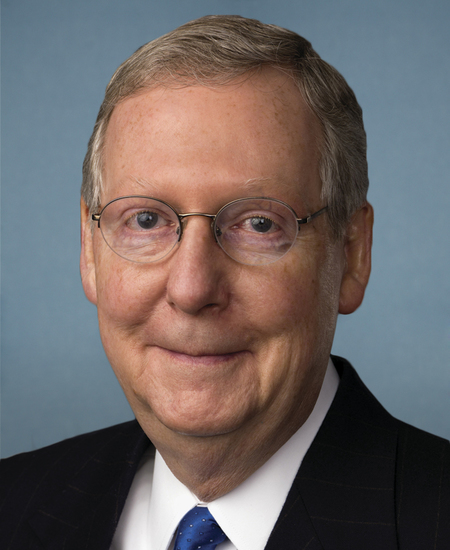
Mitch McConnell
Mitch McConnell Senate
R
Strong +
84% 160
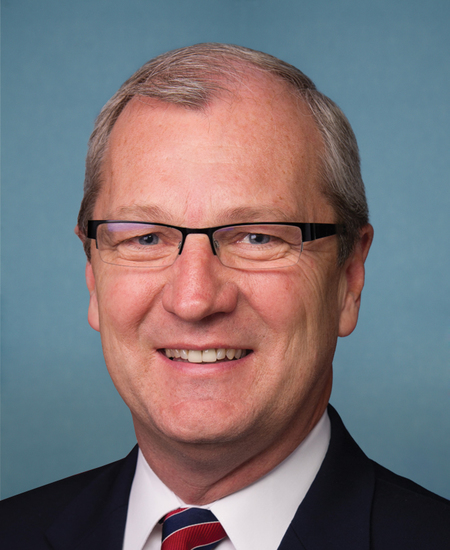
Kevin Cramer
Kevin Cramer Senate
R
Strong +
80% 169
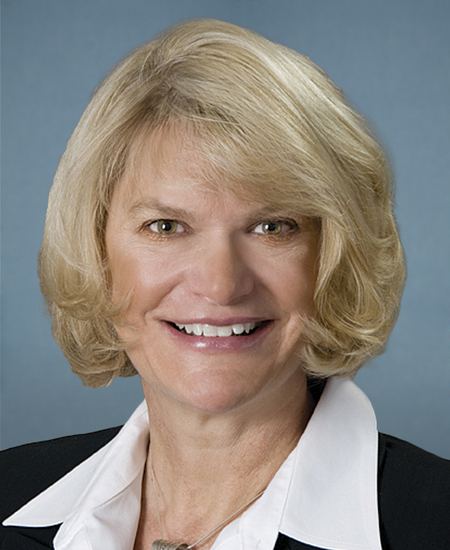
Cynthia M. Lummis
Cynthia M. Lummis Senate
R
Strong +
80% 167
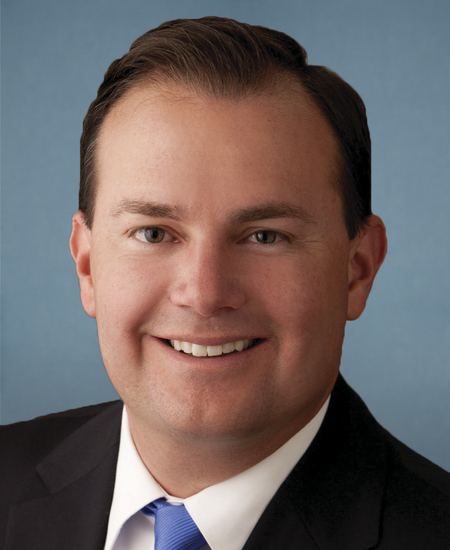
Mike Lee
Mike Lee Senate
R
Support
77% 170
Amy Klobuchar
Amy Klobuchar Senate
D
Strong −
13% 169
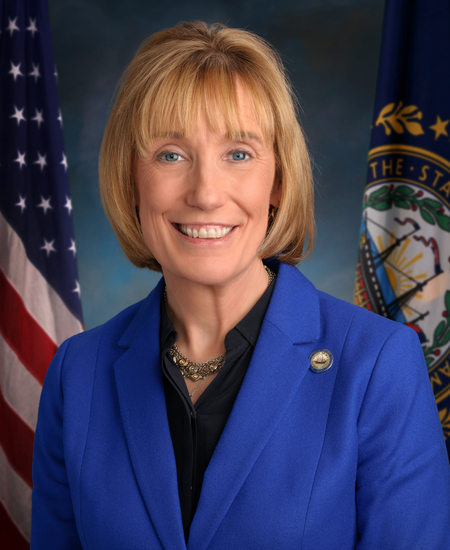
Margaret Wood Hassan
Margaret Wood Hassan Senate
D
Strong −
13% 169
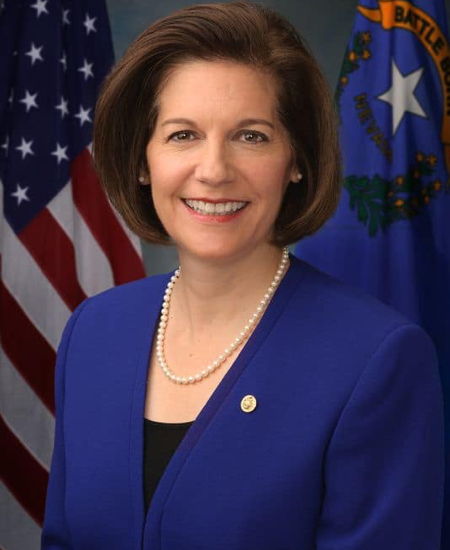
Catherine Cortez Masto
Catherine Cortez Masto Senate
D
Strong −
13% 162
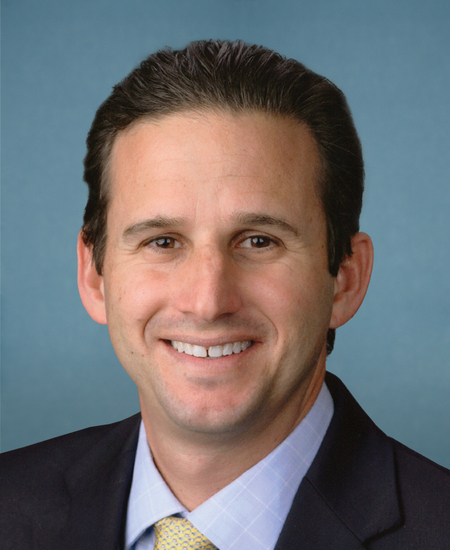
Brian Schatz
Brian Schatz Senate
D
Strong −
16% 171
Andy Kim
Andy Kim Senate
D
Strong −
16% 171
Showing 11–20 of 956 bills

All criminal justice bills

in committee · United States · Senate Aug 7, 2026

S 5376: FITNESS Act

The FITNESS Act establishes uniform eligibility standards and mandatory training requirements for all federal law enforcement officers, prohibiting agencies from deploying personnel who have not completed specific academic and use-of-force programs. The bill creates a centralized National Law Enforcement Accountability Database to track officer misconduct and requires agencies to conduct background checks against this database before hiring or promoting candidates. Additionally, it imposes a hiring freeze on U.S. Immigration and Customs Enforcement until all current officers meet the new standards, while also mandating that federal agencies obtain accreditation from the Commission on Accreditation for Law Enforcement Agencies.
in committee · United States · House Aug 20, 2026

HR 10129: Stamps for Staying Connected Act of 2026

The Stamps for Staying Connected Act of 2026 requires the Director of the Bureau of Prisons to provide postage stamps to inmates who lack funds or sufficient postage and wish to send mail. This provision applies to all types of correspondence, including legal matters and administrative filings. To prevent abuse, such as trading stamps among prisoners, the bill limits distribution to five first-class domestic stamps per week for general use. However, this weekly cap does not apply to stamps needed for legal proceedings or administrative remedy filings.
Sub-Topics Corrections
in committee · United States · Senate Aug 4, 2026

S 5231: Equity in Pretrial Health Coverage Act

The Equity in Pretrial Health Coverage Act removes federal restrictions that currently prevent individuals awaiting trial from accessing certain government health benefits. The bill amends laws governing Medicaid, Medicare, the Children's Health Insurance Program (CHIP), and Department of Veterans Affairs services to ensure these programs cover medical care for people in custody while their charges are pending. For children enrolled in CHIP, the legislation also mandates coverage for specific screenings and case management services during the 30 days leading up to their release. These changes take effect shortly after enactment, with the Department of Veterans Affairs provision becoming active immediately upon the bill's passage.
in committee · United States · Senate Jul 30, 2026

S 5196: No Trump Immunity Act

The No Trump Immunity Act prohibits federal agencies from granting legal immunity or releasing claims against the President, Vice President, their immediate family, related trusts, or businesses they own. This restriction specifically targets actions involving money laundering for designated foreign entities and criminal groups, trading on insider information about potential wars with Iran, abusing young women, or illegally diverting taxpayer funds to personal associates. The law defines presidentially owned entities as those where the President or Vice President holds a significant ownership stake, excluding large corporations where their individual share is minimal. By banning these specific waivers, the bill aims to ensure that claims related to these serious allegations can be pursued without executive interference.
in committee · United States · Senate Aug 3, 2026

S 5214: Protect and Serve Act of 2026

The Protect and Serve Act of 2026 creates a new federal crime for willfully attempting to kill a law enforcement officer solely because of their status, provided the act involves interstate travel, commerce, weapons, or affects economic activity. This law applies to both state and federal officers and mandates that any federal prosecution must be certified by the Attorney General, who must determine if state charges were insufficient or if federal intervention serves the public interest. The bill defines a law enforcement officer as anyone authorized to prevent, detect, or investigate crimes, or to detain individuals, and sets specific prison terms ranging from years to life depending on whether the attempt results in serious bodily injury.
in committee · United States · House Aug 3, 2026

HR 10032: No Payoffs for Pardons Act

The No Payoffs for Pardons Act requires individuals who receive executive clemency to file detailed financial reports if they provided gifts or benefits of $10,000 or more to the President or related entities in an attempt to secure that pardon. These disclosure reports must be submitted to the Attorney General and made publicly available online, while also updating federal bribery laws to explicitly include pardons as a form of "anything of value" that can be offered to officials. The bill imposes civil and criminal penalties for failing to file these reports or submitting false information, and it extends the statute of limitations for prosecuting bribery cases involving clemency to ten years. By mandating transparency around the exchange of favors for clemency, the legislation aims to prevent the misuse of presidential pardon power without restricting the President's constitutional authority to grant pardons.
in committee · United States · House Aug 4, 2026

HR 10027: Stop ICE’s Medical Neglect Act of 2026

The Stop ICE's Medical Neglect Act of 2026 requires the Department of Homeland Security to create an online system where detained individuals, their lawyers, or family members can confidentially report medical neglect at immigration detention facilities. Under this bill, an independent medical expert would review each complaint to determine if neglect occurred, ensuring necessary treatment is provided if the claim is valid while allowing for an appeal process if it is denied. The legislation also mandates that detainees cannot face retaliation for filing complaints or seeking medical care and must have access to language translation services. Additionally, the law defines specific criteria for what constitutes medical neglect, such as failures in providing timely care, medication management, or specialty referrals.
Sub-Topics Detention Enforcement
in committee · United States · Senate Jul 30, 2026

S 5205: Turkey Human Rights Promotion Act of 2026

The Turkey Human Rights Promotion Act of 2026 conditions U.S. security assistance on Turkey's release of political prisoners and its repeal of laws used to suppress free expression. It requires the Secretary of State to certify that Turkey has taken sustained steps to reduce the number of detainees held for exercising their human rights and to comply with European Court of Human Rights rulings before any military funds can be spent. If these conditions are not met, the bill mandates sanctions against specific Turkish officials, visa restrictions, and a ban on exporting surveillance technology to the country. Additionally, the legislation directs funding toward civil society groups and independent media outlets while requiring annual reports on human rights conditions in Turkey.
Sub-Topics Courts
in committee · United States · Senate Jul 30, 2026

S 5183: Anti-Corruption Bureau Creation Act

This bill creates a new independent Anti-Corruption Bureau to enforce federal laws regarding campaign finance, government ethics, and whistleblower protection. It establishes a seven-member bureau with staggered six-year terms and strict political balance requirements to prevent any single party from controlling the agency. The legislation also introduces a private right of action that allows citizens to sue officials for corruption and recover stolen funds, while transferring the functions of the Federal Election Commission, Office of Government Ethics, and Office of Special Counsel into this new entity.
in committee · United States · Senate Jul 23, 2026

S 5129: PROTECT Act of 2026

The PROTECT Act of 2026 requires online platforms that host user-generated content to verify the identity and age of anyone uploading pornographic images, ensuring all individuals depicted are at least 18 years old. To comply, platforms must obtain explicit written consent from every person shown in an image for both the specific sexual acts performed and the distribution of that image, using standardized forms approved by the Attorney General. The law imposes civil penalties and criminal prison sentences for users and platforms that fail to meet these verification and consent requirements.
Showing 11 to 20 of 956 bills