Issue · Criminal Justice

Criminal Justice (Corrections)

Every criminal justice bill, vote, and legislator stance in United States, automatically classified by Maddy, our AI policy reader.

Total bills
110
119th Congress
Top supporter
Adam B. Schiff
100% support rate
Top opponent
Frank J. Mrvan
0% support rate
Ranked legislators
10
5 support · 5 oppose
Key legislators

Who's moving corrections in United States

Legislators moving corrections in United States
Legislator Party Stance Support rate Decisive votes
Adam B. Schiff
Adam B. Schiff Senate
D
Strong +
100% 3
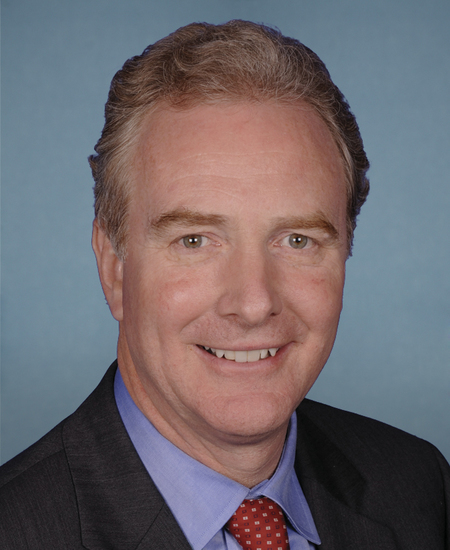
Chris Van Hollen
Chris Van Hollen Senate
D
Strong +
100% 3
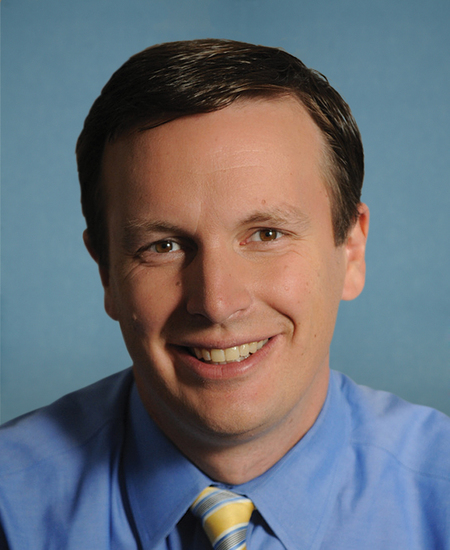
Christopher Murphy
Christopher Murphy Senate
D
Strong +
100% 3
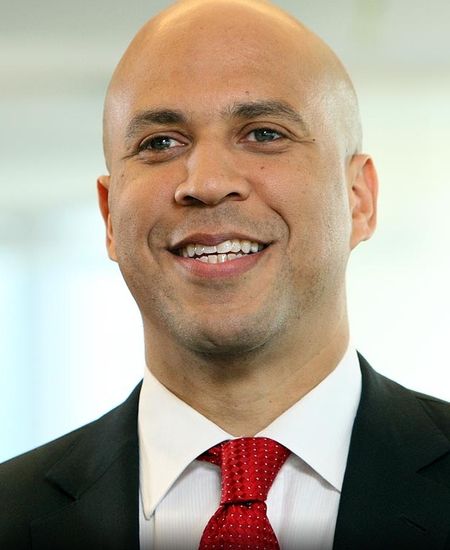
Cory A. Booker
Cory A. Booker Senate
D
Strong +
100% 3
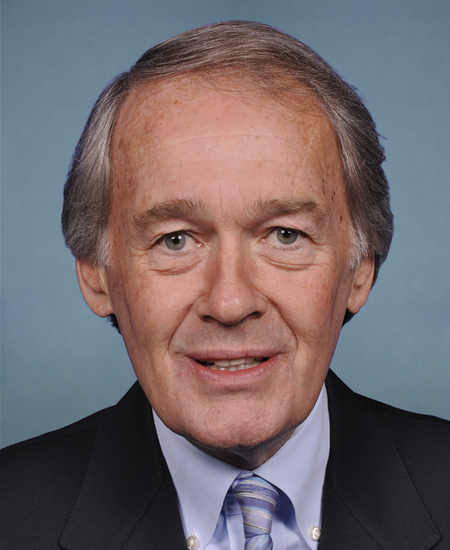
Edward J. Markey
Edward J. Markey Senate
D
Strong +
100% 3
Frank J. Mrvan
Frank J. Mrvan House · District 1
D
Strong −
0% 5
Amy Klobuchar
Amy Klobuchar Senate
D
Strong −
0% 3
Andy Kim
Andy Kim Senate
D
Strong −
0% 3
Angus S. King, Jr.
Angus S. King, Jr. Senate
I
Strong −
0% 3
Ashley Moody
Ashley Moody Senate
R
Strong −
0% 3
Showing 11–20 of 110 bills

All criminal justice bills

in committee · United States · Senate May 18, 2026

S 4553: Aaron Salter, Jr., Responsible Body Armor Possession Act

This bill, known as the Aaron Salter, Jr., Responsible Body Armor Possession Act, prohibits civilians from buying, owning, or possessing enhanced body armor. The law defines enhanced body armor as protective gear that meets or exceeds the ballistic resistance of RF1 armor, which includes certain helmets and shields. Exceptions are made for law enforcement officers, government agencies, and individuals who already legally owned such armor before the law takes effect. Violating this ban could result in a fine, up to five years in prison, or both penalties.
in committee · United States · House May 21, 2026

HR 8951: Zero Tolerance for Fraudsters Act of 2026

The Zero Tolerance for Fraudsters Act of 2026 establishes mandatory minimum prison sentences for individuals convicted of specific federal fraud offenses involving large sums of money. This legislation directly affects people charged with crimes such as making false statements to the government, mail fraud, wire fraud, and bank fraud. Under the new rules, anyone convicted of these crimes who involved at least $1 million but less than $5 million would face a minimum of one year in prison, while those involved with $5 million or more would face a minimum of five years. The bill sets these floors only when the existing laws for a specific crime do not already require a longer sentence, ensuring that serious financial fraud results in significant incarceration time.
Sub-Topics Corrections Sentencing
in committee · United States · House May 13, 2026

HR 8796: Federal Halo Act

The Federal Halo Act creates a new federal crime for approaching or staying within 15 feet of a law enforcement officer after receiving a verbal warning to stop. This provision applies to any individual who knowingly violates such a warning with the intent to interfere with the officer's duties, threaten them, or harass them. The bill defines harassment as a course of conduct that intentionally causes substantial emotional distress to the officer without a legitimate purpose. Anyone convicted of this offense could face a fine, up to five years in prison, or both penalties.
in committee · United States · House Mar 24, 2026

HR 8064: Career Criminal Accountability Act of 2026

This bill creates a federal "three-strikes" sentencing system that mandates longer prison terms for repeat offenders based on the severity of their prior convictions. It directly affects defendants convicted of federal crimes by requiring judges to calculate "strikes" from past misdemeanor and felony convictions, with violent felonies and firearm offenses counting as full strikes while lesser offenses count as partial strikes. Under the new rules, offenders with three or more strikes face consecutive sentences of 10 to life years in prison depending on whether their current offense involves violence or firearms, while preventing enhancements from being triggered solely by misdemeanor convictions. The law also limits how juvenile convictions count toward strike totals and excludes strikes from a single continuous criminal episode to prevent harsh penalties for related crimes committed at once.
in committee · United States · House Mar 19, 2026

HR 8026: CLEAR Act

The CLEAR Act amends federal law to establish new criminal penalties for obstructing Federal law enforcement officers operating in or on their vehicles. This legislation directly affects individuals who forcibly assault, resist, or interfere with officers from the Department of Homeland Security or Department of Justice while they are performing official duties in a law enforcement vehicle. The bill introduces enhanced penalties of up to 20 years in prison or a fine for such obstruction, expanding existing protections for officers engaged in vehicle operations. These provisions apply specifically to interactions involving Federal law enforcement vehicles and do not alter penalties for other types of obstruction.
in committee · United States · House Mar 24, 2026

HR 8040: No Mercy for Terrorists Act of 2026

The No Mercy for Terrorists Act of 2026 increases federal penalties for individuals who provide material support to terrorists or designated foreign terrorist organizations. This bill directly affects people charged with these crimes by raising the minimum prison sentence from 15 or 20 years to at least 20 years or life imprisonment, and adding the possibility of the death penalty. The changes apply to both domestic and foreign terrorist support cases under existing federal statutes.
Sub-Topics Corrections
in committee · United States · House Feb 25, 2026

HR 7719: SOS Act of 2026

This bill, titled the Securing Our Streets Act of 2026, directs the Attorney General to distribute federal grants to states that implement specific criminal justice policies aimed at reducing repeat offenses. To qualify for funding, states must adopt laws requiring repeat offenders to serve at least 85 percent of their sentences, mandate pretrial detention for violent offenders posing a clear threat to public safety, and impose life imprisonment for individuals convicted of three distinct violent crimes. The grants, totaling up to $10 billion over five years, can only be used to build secure correctional facilities, expand incarceration capacity for violent offenders, and train correctional staff.
in committee · United States · House Feb 9, 2026

HR 7420: Stop Gender Trafficking of Minors Act

This bill, titled the Stop Gender Trafficking of Minors Act, would create a new federal crime for knowingly transporting minors across state lines to receive gender transition procedures. The law defines these procedures to include puberty blockers, hormone therapy, and surgeries intended to alter sex characteristics, and would allow for up to ten years in prison or fines for violators. It also permits civil lawsuits by minors or parents seeking damages and prohibits federal funding for states that permit such transportation or refuse to cooperate with federal investigations. The legislation is based on the argument that the federal government has an interest in protecting minors from medical procedures that may cause long-term harm.
in committee · United States · House Mar 5, 2026

HR 7846: Halo Act

This bill, known as the Halo Act, creates a new federal crime for intentionally approaching or staying within 25 feet of immigration enforcement officers after receiving a verbal warning, if the person intends to interfere with their work, threaten them, or harass them. It directly affects individuals who may attempt to block or disrupt immigration officers performing their duties, such as during arrests or investigations. The law defines harassment as conduct that causes substantial emotional distress to an officer and serves no legitimate purpose, and it carries penalties of up to five years in prison, a fine, or both. This provision adds to existing Title 18 United States Code by establishing specific boundaries for behavior near federal immigration officials.
in committee · United States · House Mar 18, 2026

HR 7983: Clean Water for All Life Act

This bill, titled the Clean Water for All Life Act, would amend federal criminal law to prohibit chemical abortions unless a healthcare provider is physically present during the procedure. It directly affects individuals who prescribe, administer, or assist with chemical abortion drugs like mifepristone and misoprostol by making it a federal crime to provide these services without a physical exam and the provider's presence. The law requires that patients receive a catch kit and red bag medical waste container with disposal instructions, and it defines an unborn child as beginning at fertilization. Violations could result in up to five years in prison and a $50,000 fine for each occurrence. The bill does not address other forms of abortion or change existing state laws.
Showing 11 to 20 of 110 bills