Issue · Criminal Justice

Criminal Justice (Law Enforcement)

Every criminal justice bill, vote, and legislator stance in United States, automatically classified by Maddy, our AI policy reader.

Total bills
318
119th Congress
Top supporter
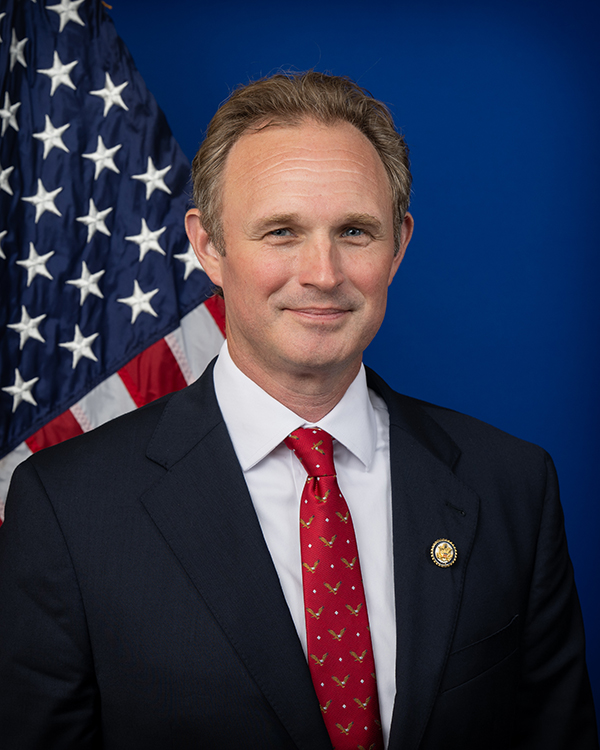
James Gallagher
100% support rate
Top opponent
Aisha Wahab
0% support rate
Ranked legislators
10
5 support · 5 oppose
Key legislators

Who's moving law enforcement in United States

Legislators moving law enforcement in United States
Legislator Party Stance Support rate Decisive votes
James Gallagher
James Gallagher House · District 1
R
Strong +
100% 3
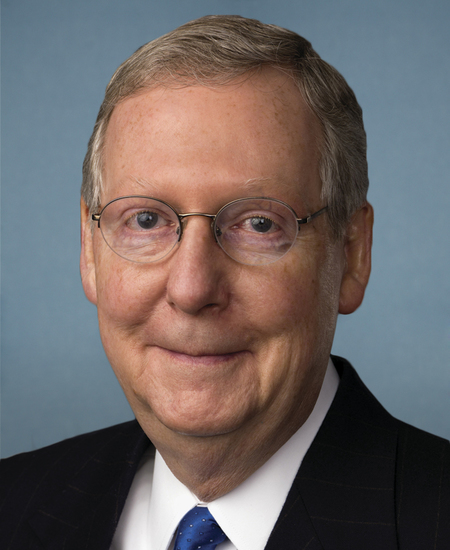
Mitch McConnell
Mitch McConnell Senate
R
Strong +
93% 28
AA
Alan Armstrong Senate
R
Strong +
86% 28
Bernie Moreno
Bernie Moreno Senate
R
Strong +
86% 28
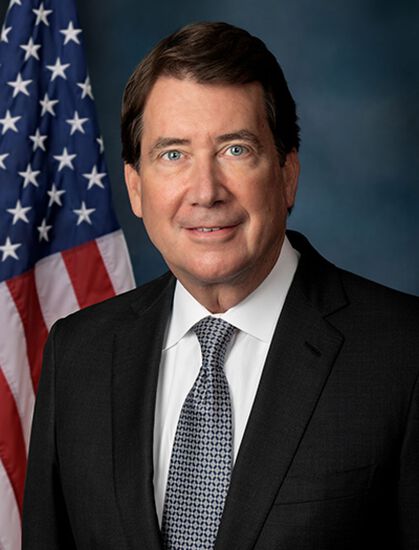
Bill Hagerty
Bill Hagerty Senate
R
Strong +
86% 28
Aisha Wahab
Aisha Wahab House · District 14
D
Strong −
0% 3
Everton Blair Jr.
Everton Blair Jr. House · District 13
D
Strong −
0% 3
Dave Min
Dave Min House · District 47
D
Strong −
13% 15
Marcy Kaptur
Marcy Kaptur House · District 9
D
Strong −
13% 15
Amy Klobuchar
Amy Klobuchar Senate
D
Strong −
14% 28
Showing 161–170 of 318 bills

All criminal justice bills

in committee · United States · House Nov 18, 2025

HR 6091: Bivens Act of 2025

This bill amends Section 1983 of federal law (42 U.S.C. 1983) to explicitly allow lawsuits against federal officials who violate constitutional rights while acting under federal authority. It directly affects individuals whose constitutional rights were allegedly infringed by federal employees, such as law enforcement or agency staff. The key provision inserts "of the United States" before "of any State" in the statute, expanding the existing legal remedy for state officials to cover federal officials as well. This creates a clear, standalone legal path for citizens to seek redress for federal constitutional violations without relying on precedent.
Sub-Topics Law Enforcement Tags Civil Liberties
in committee · United States · Senate Feb 6, 2025

S 463: Protect Our Letter Carriers Act of 2025

This bill directs $1.4 billion annually (2025-2029) to upgrade U.S. Postal Service mailboxes with high-security models and replace physical "arrow keys" with electronic locks, directly affecting postal carriers and mail collection points. It requires the Attorney General to appoint dedicated prosecutors in each judicial district to coordinate investigations and prosecutions of crimes against postal employees, including assaults or robberies. The bill also mandates the U.S. Sentencing Commission to amend guidelines so that assaults or robberies against postal employees are treated with the same severity as assaults against law enforcement officers. These changes aim to enhance physical security, improve legal responses to violence, and increase penalties for attacks on postal workers.
in committee · United States · Senate Feb 11, 2025

S 516: SHIELD Act of 2023

The SHIELD Act of 2023 makes it a federal crime to knowingly distribute intimate visual depictions (like private photos or videos) without consent when the person had a reasonable expectation of privacy, the image wasn’t voluntarily shared in public, and the distribution causes harm (e.g., psychological or reputational damage). It specifically targets non-consensual sharing of intimate images of adults and prohibits distributing images of minors for abuse or sexual gratification, with penalties of up to 2 years in prison for adults and 3 years for minors. The law includes exceptions for law enforcement, legitimate reporting, medical/educational use, and legal proceedings. It does not apply to platforms that host user content unless they intentionally promote such material.
in committee · United States · Senate Mar 27, 2025

S 1189: School Guardian Act of 2025

The School Guardian Act of 2025 creates a federal grant program to fund armed law enforcement officers at K-12 schools. It allocates $80 billion from unused IRS funds over 10 years, with grants distributed to states based on their share of national K-12 student enrollment. States must then award subgrants to local law enforcement agencies to hire at least one full-time officer per school, covering pay, training, and equipment costs. States must report annually on how funds are used, including the number of schools and officers supported.
in committee · United States · House Jan 15, 2026

HR 7125: Stop Body Camera Paywalls Act

HR 7125, the Stop Body Camera Paywalls Act, requires states and local governments seeking certain federal law enforcement grants to certify they do not charge fees for public access to body camera footage, dash camera footage, or prison surveillance recordings. To qualify for Byrne or COPS grant programs, applicants must confirm no financial barriers exist for the public requesting these specific video recordings. The bill makes certification mandatory for grant eligibility, directly affecting law enforcement agencies receiving federal funds under these programs.
in committee · United States · House Jan 22, 2026

HR 7225: Protecting Child Sex Trafficking Victim Witnesses Act

HR 7225, the Protecting Child Sex Trafficking Victim Witnesses Act, requires the Attorney General to develop and publish victim-centered guidance within 18 months to protect child sex trafficking victims who testify. This guidance covers safe travel, lodging, use of child advocacy centers, and safety planning - both during and after trial. Federal prosecutors, law enforcement, and judges must then receive training on this guidance within 180 days of its release. The bill also updates federal law to include digital recording options for testimony and modernizes definitions to better reflect child trafficking protections.
in committee · United States · House Mar 14, 2025

HR 2105: Preventing Illegal Weapons Trafficking Act of 2025

HR 2105, the Preventing Illegal Weapons Trafficking Act of 2025, requires federal agencies (Attorney General, Homeland Security, and Treasury) to develop a strategy within 120 days to stop the illegal trafficking of machinegun conversion devices - parts that turn standard firearms into automatic weapons. The strategy must improve detection at ports, coordinate federal and local law enforcement (including ATF and FBI), trace devices used in crimes, train officers, and address 3D-printed devices. It also amends tax law to forfeit profits from illegal machinegun trafficking and mandates annual reports tracking crimes involving these devices and their origins (U.S. or foreign). The bill directly affects federal, state, and local law enforcement agencies responsible for weapons enforcement.
in committee · United States · House Dec 10, 2025

HR 6602: Supporting Blue Envelope Programs Act

HR 6602, the Supporting Blue Envelope Programs Act, establishes a federal grant program to fund initiatives that improve law enforcement interactions with individuals who have autism spectrum disorder or other developmental, cognitive, sensory, or communication disabilities. The bill provides $5 million annually (2027-2031) for grants to eligible entities - such as law enforcement agencies partnering with nonprofits - to create "blue envelope programs." These programs offer voluntary, trauma-informed training for officers and provide communication tools (like blue envelopes storing ID/diagnosis info, car decals, or lanyards) to help individuals navigate encounters without requiring registration or participant lists. The grants prioritize scalable, community-supported programs involving multiple agencies and input from self-advocates, with reports to Congress on implementation and best practices.
Sub-Topics Law Enforcement
in committee · United States · House Feb 12, 2026

HR 7564: Jaime’s Law

HR 7564, "Jaime’s Law," amends federal law to require background checks for ammunition transfers between unlicensed individuals. It mandates that unlicensed people cannot directly buy or receive ammunition; instead, they must go through a licensed dealer who conducts background checks and provides required notices. The bill specifically exempts transfers between family members, law enforcement, temporary safety-related transfers, and certain sporting activities. It does not create a national ammunition registry and leaves state laws intact.
in committee · United States · House Jul 25, 2025

HR 4755: LEO K9 Protection Act

This bill strengthens protections for police dogs and horses used in law enforcement by increasing penalties for harming them, including up to 15 years in prison for using deadly weapons. It requires the Transportation Secretary to create emergency medical guidelines for treating injured police animals and establish regulations allowing their transport to veterinary facilities without waiting for human patients. The rules ensure emergency medical personnel can provide care to police dogs during transport or at the scene of an incident. These changes apply to dogs and horses serving federal, state, or local law enforcement agencies in roles like crime detection, disaster response, or military operations.
Showing 161 to 170 of 318 bills
Previous 1 … 16 17 18 … 32 Next