Issue · Criminal Justice

Criminal Justice (Law Enforcement)

Every criminal justice bill, vote, and legislator stance in United States, automatically classified by Maddy, our AI policy reader.

Total bills
318
119th Congress
Top supporter
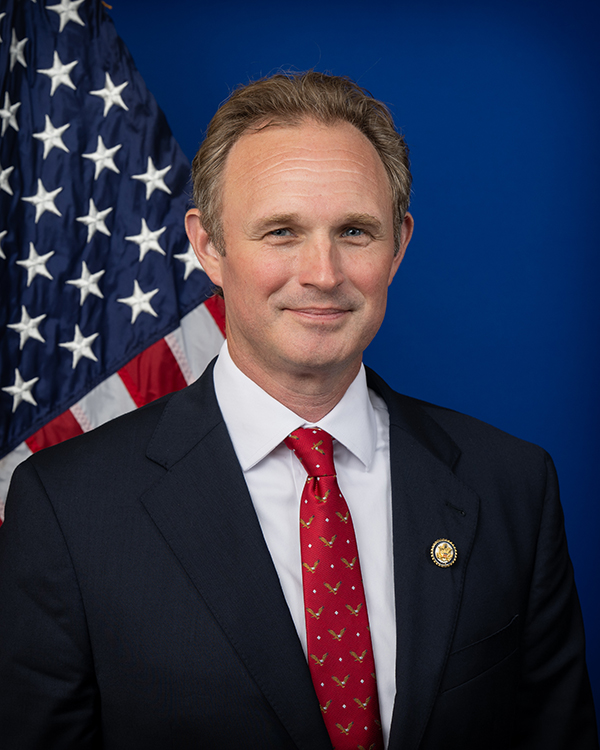
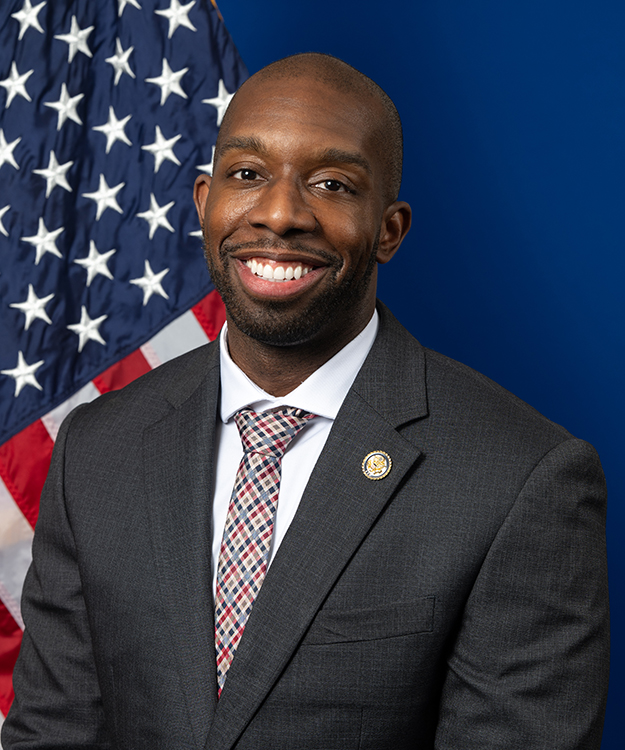
James Gallagher
100% support rate
Top opponent
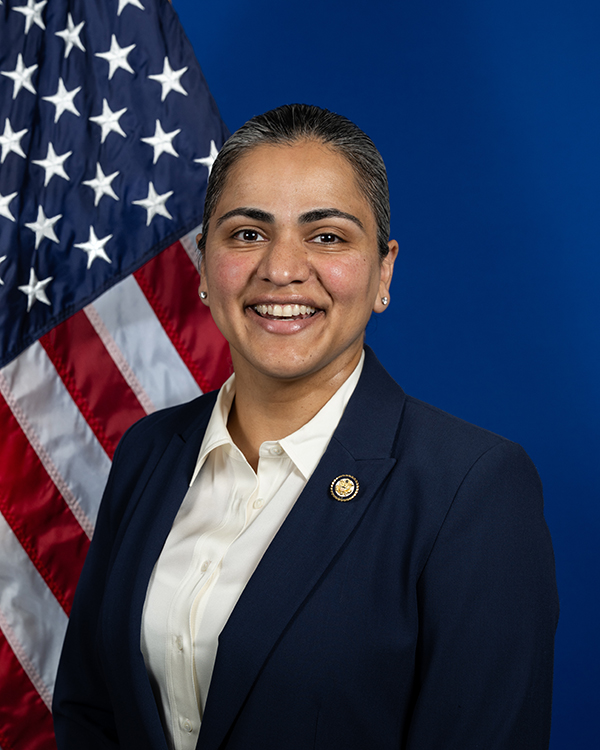
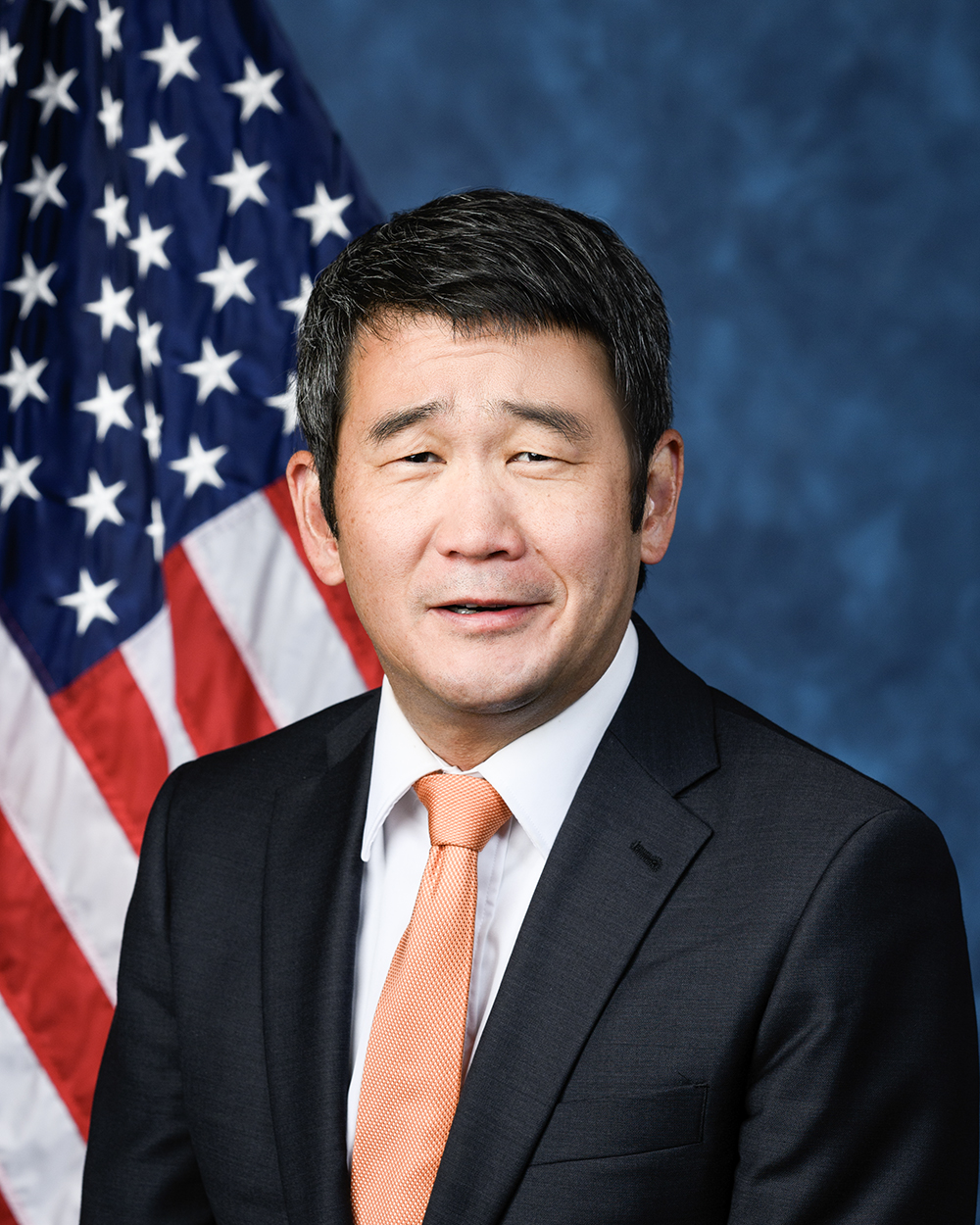
Aisha Wahab
0% support rate
Ranked legislators
10
5 support · 5 oppose
Key legislators

Who's moving law enforcement in United States

Legislators moving law enforcement in United States
Legislator Party Stance Support rate Decisive votes
James Gallagher
James Gallagher House · District 1
R
Strong +
100% 3
Mitch McConnell
Mitch McConnell Senate
R
Strong +
93% 28
AA
Alan Armstrong Senate
R
Strong +
86% 28
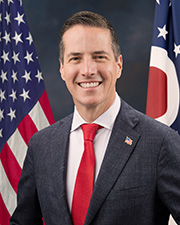
Bernie Moreno
Bernie Moreno Senate
R
Strong +
86% 28
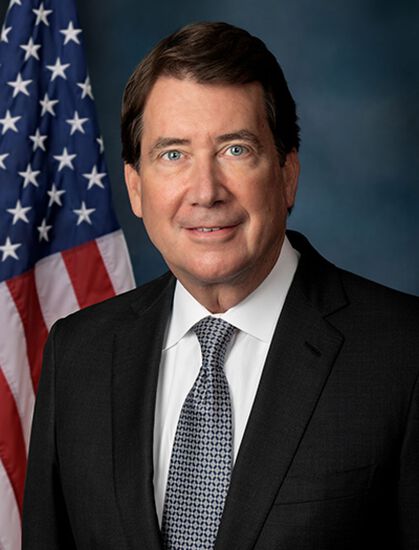
Bill Hagerty
Bill Hagerty Senate
R
Strong +
86% 28
Aisha Wahab
Aisha Wahab House · District 14
D
Strong −
0% 3
Everton Blair Jr.
Everton Blair Jr. House · District 13
D
Strong −
0% 3
Dave Min
Dave Min House · District 47
D
Strong −
13% 15
Marcy Kaptur
Marcy Kaptur House · District 9
D
Strong −
13% 15
Amy Klobuchar
Amy Klobuchar Senate
D
Strong −
14% 28
Showing 141–150 of 318 bills

All criminal justice bills

in committee · United States · House Dec 19, 2025

HR 6919: Save Our Girls from Sex Trafficking Act of 2025

HR 6919 establishes a federal interagency task force led by the Attorney General to coordinate efforts against domestic child sex trafficking, requiring collaboration with agencies like Health and Human Services and Homeland Security. The bill mandates a 3-year study on child trafficking causes, trafficker profiles, survivor impacts, and event-related trends, with a report to Congress afterward. It authorizes multiple grant programs: funding schools and foster care systems for trafficking prevention education, training law enforcement to identify victims and divert them from prosecution, and providing job training, long-term care, and housing for survivors. These provisions directly affect children at risk of trafficking, survivors, and the service providers and law enforcement agencies working with them.
in committee · United States · House Sep 2, 2025

HR 5090: HONOR Act

HR 5090, the HONOR Act, amends military law to make it a punishable offense for service members to knowingly share intimate images or AI-generated forgeries of others without consent. It specifically targets nonconsensual distribution of images showing genitals, pubic areas, or sexual conduct (including AI-altered images), whether the person was a minor or not, if done to cause harm or without consent. The bill defines key terms like "intimate visual depiction" and "digital forgery," while exempting lawful law enforcement activities and medical/legal disclosures. This directly affects all U.S. military personnel under the Uniform Code of Military Justice, imposing penalties through court-martial for violations.
in committee · United States · House Jul 22, 2025

HR 4607: SEEK HELP Act

The SEEK HELP Act provides legal protections for individuals responding to opioid overdoses. It shields people who administer reversal drugs (like naloxone) in good faith from civil lawsuits, and protects those who call for help (e.g., 911) from drug possession charges related to the overdose. States can use federal funds to run public awareness campaigns about these protections and train law enforcement and healthcare workers. The bill also requires a federal report to assess how well these protections are working across states and their impact on overdose outcomes.
in committee · United States · House Jan 3, 2025

HR 96: Buzz Off Act

This bill prohibits federal law enforcement agencies from using drones to surveil specific U.S. citizens or their private property without the citizen's written consent. Exceptions allow drone use if the President authorizes it for terrorism threats (with written certification) or if a judge issues a warrant. It directly affects federal agencies like the FBI and protects U.S. citizens' privacy from unwarranted drone surveillance.
in committee · United States · House Sep 19, 2025

HR 5538: Child Rescue Act

The Child Rescue Act establishes a national working group within the Department of Justice to study and address the intersection of online child sexual abuse material (CSAM) and physical child sexual abuse. The Working Group will analyze data on offenders and victims, develop resource recommendations for law enforcement, and create victim-centric strategies to identify and rescue children affected by CSAM. Composed of federal, state, local, tribal law enforcement representatives, child protection experts, and academic researchers, the group must submit a comprehensive report within one year detailing findings and recommendations. This legislation directly affects law enforcement agencies, child protection services, and children who are victims of sexual abuse through both online exploitation and physical contact offenses. The Working Group's work aims to improve coordination and resource allocation for investigations that can rescue children from ongoing abuse.
in committee · United States · House Dec 9, 2025

HR 6533: Military in Law Enforcement Accountability Act

The Military in Law Enforcement Accountability Act requires the President to submit detailed justification to Congress before the military provides support to civilian law enforcement, including specific budget, timeline, and funding details, with a 30-day limit on such support unless Congress approves a longer period through a specific joint resolution process. It prohibits Department of Defense personnel (including military members) from holding civilian law enforcement positions concurrently, with limited exceptions for reserve members who must recuse during active duty. The bill also removes the military's authorization to deploy for "civil disturbances" without the new approval process and establishes a private right for individuals or governments to sue the federal government for violations. This directly affects the Department of Defense, military support to local police agencies, and DoD personnel's dual employment policies.
in committee · United States · House Feb 12, 2026

HR 7551: HILTON Act

The HILTON Act prohibits federal agencies from contracting with businesses that refused services to federal law enforcement officers within the past year due to the officers' official duties. It applies to covered services like lodging, transportation, food, healthcare, vehicle rentals, property rentals, and storage. Agencies may waive this rule only if no comparable service is available within 50 miles or if a parent company takes corrective action against a refusing subsidiary. The law directly affects businesses providing these services and federal agencies managing contracts with them.
Sub-Topics Law Enforcement
in committee · United States · House Jul 17, 2025

HR 4476: Preventing Authoritarian Policing Tactics on America’s Streets Act

This bill restricts federal law enforcement officers and military personnel (including National Guard) from conducting crowd control, arrests, or detentions during protests, demonstrations, or riots outside federal property unless specific exceptions apply. It requires officers to visibly display their agency and name/identifier during such operations and prohibits using unmarked vehicles or obscuring identification. Federal agencies must also publish public notices within 24 hours after deployments, detailing the date, personnel numbers, mission purpose, and detainee locations. These provisions apply to all federal law enforcement actions involving civil disobedience or public demonstrations, with exceptions only for state/local written requests or emergency federal action under the Insurrection Act.
Sub-Topics Law Enforcement
in committee · United States · House Feb 9, 2026

HR 7445: Evergreen Community Safety Act of 2026

HR 7445, the Evergreen Community Safety Act of 2026, requires large electronic communication service providers (with 1 million+ users) to disclose customer communications or records to law enforcement within 72 hours of a court order. Courts may extend this deadline in 7-day increments for complex or voluminous data requests. The bill also shortens the deadline for providers to challenge disclosure orders to 48 hours and allows individuals harmed by non-compliance to sue for damages and injunctive relief. This directly affects major tech companies and internet service providers meeting the user threshold, streamlining but tightening data disclosure processes for law enforcement.
in committee · United States · House Nov 20, 2025

HR 6223: Crime Gun Tracing Modernization Act of 2025

This bill requires the Bureau of Alcohol, Tobacco, Firearms and Explosives (ATF) to create electronic, searchable databases for firearm transaction records held by licensed dealers. It directly affects licensed firearms dealers (who must provide electronic access to their records) and law enforcement agencies (which can query the databases for investigations or foreign intelligence purposes). Key provisions mandate that databases be searchable by firearm details (like serial number or model) but not by personal identifiers, and allow dealers to permanently relinquish paper records after 10 years. The ATF must establish these systems within three years, with annual audits to ensure compliance.
Showing 141 to 150 of 318 bills
Previous 1 … 14 15 16 … 32 Next