Issue · Criminal Justice

Criminal Justice (Firearms)

Every criminal justice bill, vote, and legislator stance in United States, automatically classified by Maddy, our AI policy reader.

Total bills
140
119th Congress
Top supporter
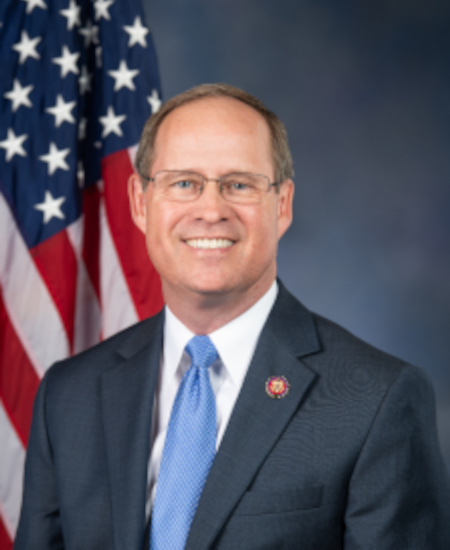
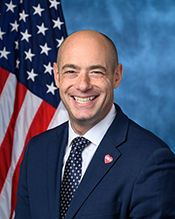
Gregory F. Murphy
75% support rate
Top opponent
Bennie G. Thompson
20% support rate
Ranked legislators
10
5 support · 5 oppose
Key legislators

Who's moving firearms in United States

Legislators moving firearms in United States
Legislator Party Stance Support rate Votes
Gregory F. Murphy
Gregory F. Murphy House · District 3
R
Support
75% 4
Mike Johnson
Mike Johnson House · District 4
R
Support
75% 4
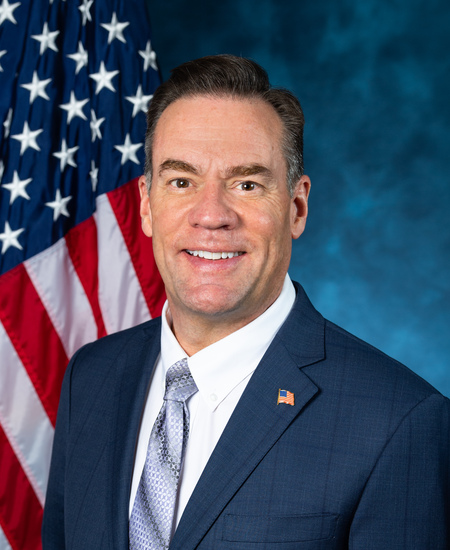
Russ Fulcher
Russ Fulcher House · District 1
R
Support
75% 4
Wesley Hunt
Wesley Hunt House · District 38
R
Support
75% 4
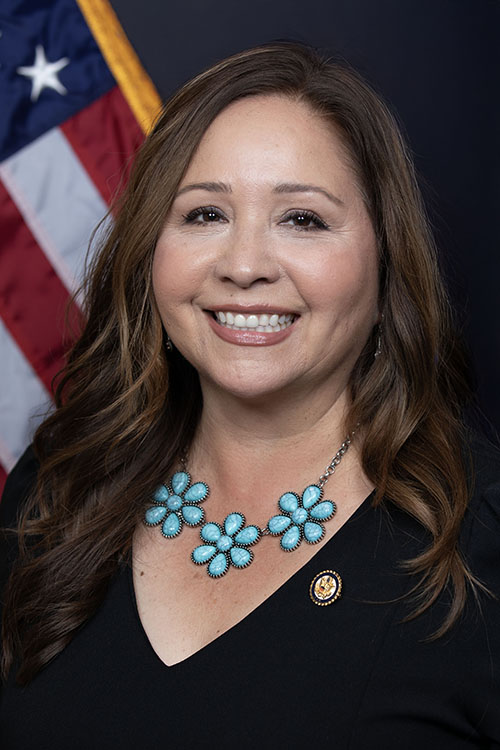
Adelita S. Grijalva
Adelita S. Grijalva House · District 7
D
Support
67% 3
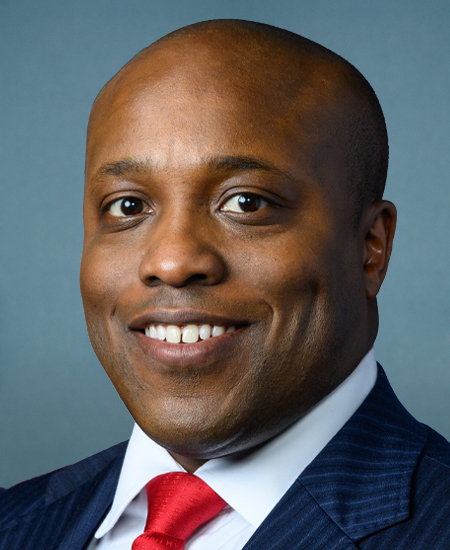
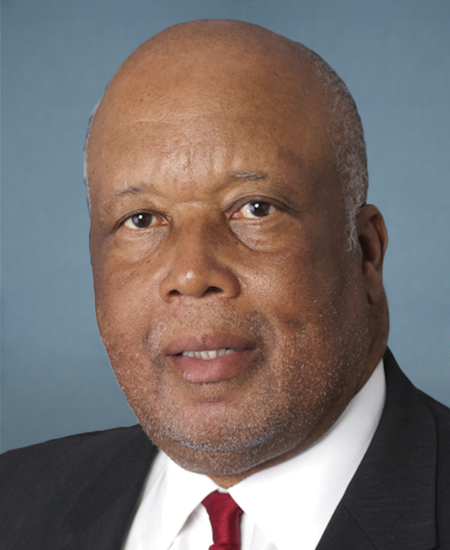
Bennie G. Thompson
Bennie G. Thompson House · District 2
D
Strong −
20% 5
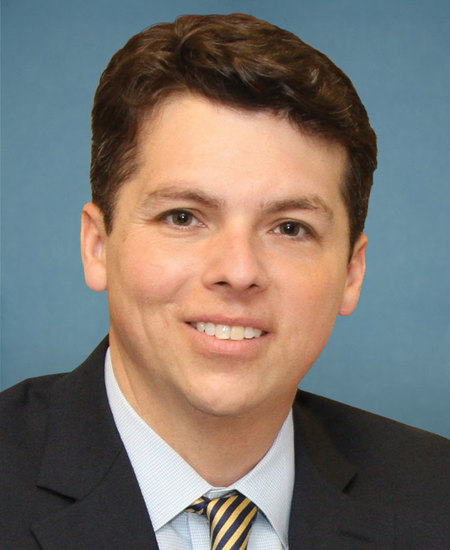
Brendan F. Boyle
Brendan F. Boyle House · District 2
D
Strong −
20% 5
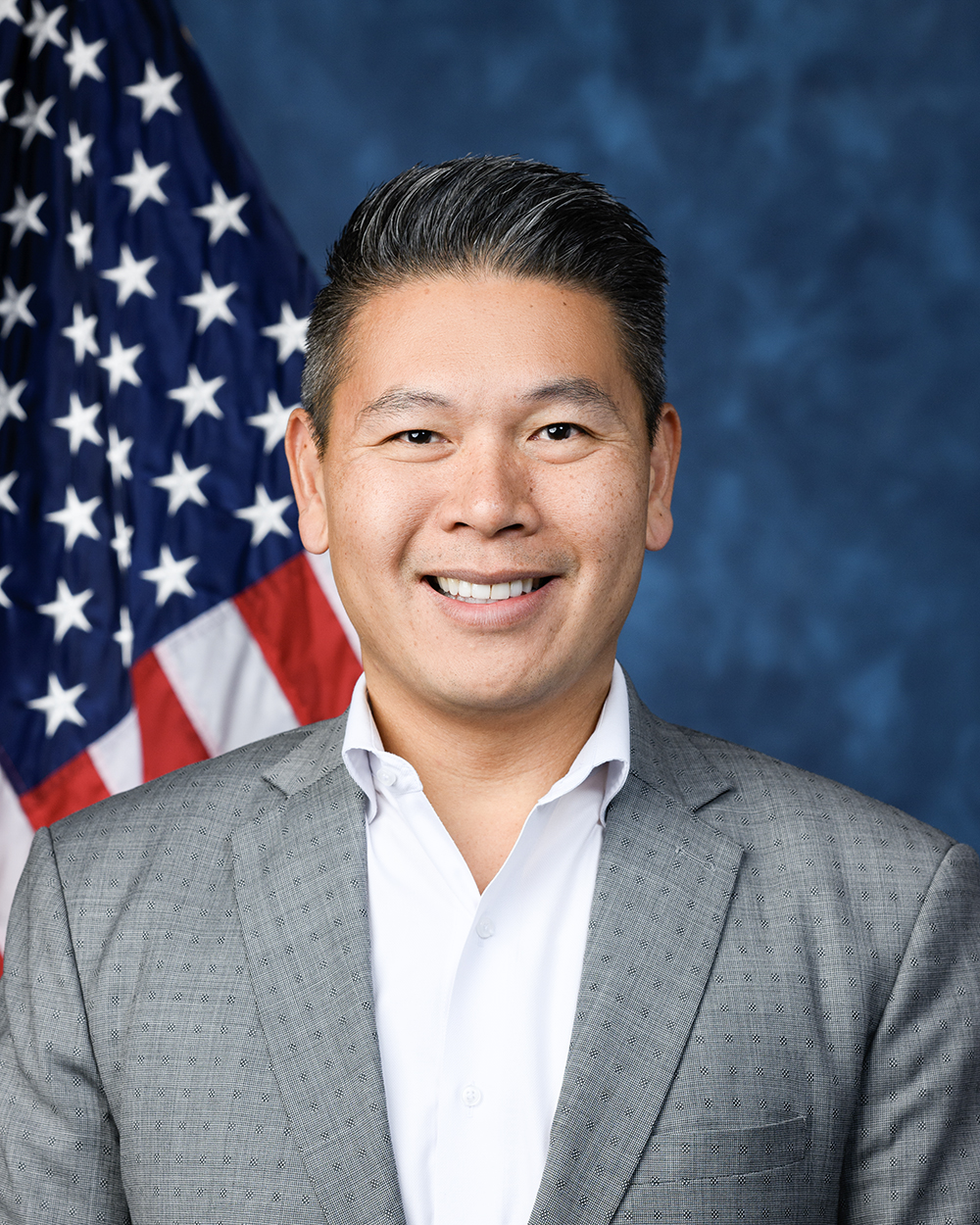
Derek Tran
Derek Tran House · District 45
D
Strong −
20% 5
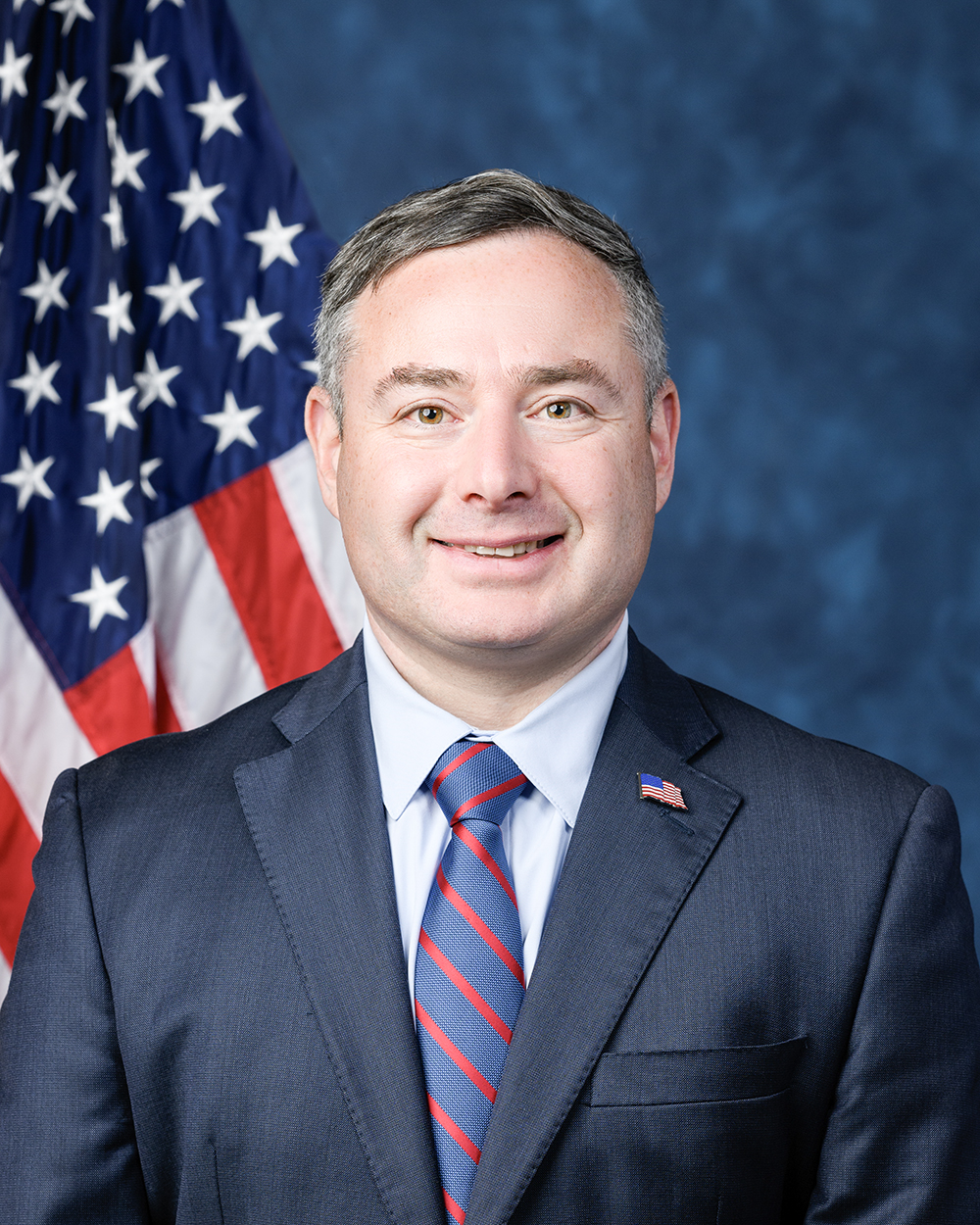
Eugene Simon Vindman
Eugene Simon Vindman House · District 7
D
Strong −
20% 5
Greg Landsman
Greg Landsman House · District 1
D
Strong −
20% 5
Showing 121–130 of 140 bills

All criminal justice bills

in committee · United States · Senate Apr 3, 2025

S 1283: Innovate to De-Escalate Modernization Act

This bill amends federal law to clarify that certain less-than-lethal projectile devices are exempt from firearm restrictions under Title 18. It defines these devices as those not firing standard ammunition, operating below 500 ft/s velocity, unlikely to cause serious injury, and incompatible with common firearm magazines. The law directly affects manufacturers and users of such devices by establishing a clear legal standard for their classification. It also requires the Attorney General to review device requests within 90 days to confirm compliance with the new definition.
Sub-Topics Firearms
in committee · United States · House Jul 23, 2025

HR 4712: Parity for Tribal Law Enforcement Act

The Parity for Tribal Law Enforcement Act enables tribal law enforcement officers who have contracted federal law enforcement duties under the Indian Self-Determination Act to enforce federal law on tribal lands. To qualify, officers must complete training comparable to Bureau of Justice Services employees, pass a background check, and receive certification from the Bureau. The bill also designates these officers as federal law enforcement officers for legal protections under the Federal Tort Claims Act and retirement benefits. Additionally, it requires the Attorney General to coordinate Department of Justice efforts to improve public safety in tribal communities through better data collection, training, and reporting.
Sub-Topics Firearms Law Enforcement Tags Tribal Nations
in committee · United States · House Feb 27, 2025

HR 1698: Law Enforcement Protection and Privacy Act of 2025

This bill protects firearm trace data maintained by the ATF's National Trace Center and related licensee information from public disclosure under FOIA. It directly affects licensed firearms dealers, state/local governments, and other entities that handle this data. Key provisions include adding a new FOIA exemption for this data, imposing fines of $10,000-$25,000 for unauthorized disclosures, and allowing licensed dealers to sue for triple damages or $25,000 per disclosure. The law also prevents sovereign immunity from blocking such lawsuits and specifies that fines apply per individual disclosure.
in committee · United States · Senate Feb 12, 2026

S 3882: Fair Legal Access Grants Act

This bill creates a federal grant program to provide legal resources for individuals seeking extreme risk protection orders (ERPOs), which temporarily remove firearms from people deemed a risk to themselves or others. It authorizes $50 million annually (2027-2031) for states, local governments, and tribes to fund legal counsel, multilingual resource centers, and training for legal and law enforcement staff on ERPO processes. The grants specifically aim to help "covered petitioners" (those eligible to request ERPOs) access representation and understand the legal process, including distinguishing ERPOs from domestic violence protection orders. The bill does not change ERPO standards or create new court jurisdiction but ensures petitioners have legal support.
in committee · United States · House Feb 9, 2026

HR 7447: Community Risk Training and Response Act of 2026

HR 7447, the Community Risk Training and Response Act of 2026, provides federal grants to states for developing standardized training on extreme risk protection orders (ERPOs). The bill authorizes the Attorney General to award grants of $200,000 to $500,000 per state for one year to support training for law enforcement, prosecutors, judges, healthcare providers, educators, and ERPO coordinators. These grants aim to create consistent, research-backed training materials and implementation guides for ERPO programs nationwide. The focus is on improving how states handle crisis intervention courts and safety protocols related to ERPOs, directly affecting state and local agencies managing these processes.
in committee · United States · Senate Jun 26, 2025

S 2188: ATF DATA Act

This bill requires the ATF to publish annual reports on firearm trace data, breaking down details like which dealers sold firearms later recovered in crimes. The reports must include data on "time-to-crime" (how quickly firearms are used in crimes), firearm types, locations of recoveries, and whether sales involved multiple firearms. It specifically tracks firearms sold by licensees, privately made guns, and firearms reported lost or stolen, disaggregated by dealer type, state, and crime patterns. The data aims to improve transparency for law enforcement and the public without changing gun laws or regulations.
in committee · United States · House Apr 3, 2025

HR 2650: End Gun Violence Act of 2025

This bill prohibits firearm sales or transfers to individuals convicted of a "violent misdemeanor" within the past five years. A "violent misdemeanor" is defined as a state or local offense involving physical force, a deadly weapon, or intent to cause injury - requiring the original conviction to have included legal representation and a jury trial (or valid waiver). The law excludes expunged convictions or pardons unless civil rights restoration explicitly allows firearm possession. It directly affects people with recent violent misdemeanor convictions, blocking their access to firearms under federal law.
in committee · United States · Senate Jun 26, 2025

S 2186: Preventing Pretrial Gun Purchases Act

This bill amends federal gun law to prevent individuals under certain court-ordered pretrial restrictions from purchasing firearms. It adds a new definition of "pretrial release order" (a court order restricting release pending trial) and modifies Section 922(d) to explicitly prohibit firearm purchases or possession by anyone subject to such an order. The law directly affects arrested individuals awaiting trial who have a court order banning firearm possession, including those in federal, state, tribal, or local courts. The key change clarifies that firearm transfers to these individuals would violate federal law, strengthening background checks during the pretrial phase.
in committee · United States · House Sep 17, 2025

HR 5430: FORTIFY Act

The FORTIFY Act expands a federal grant program to help schools improve security by allowing funds to cover hiring school resource officers (SROs), purchasing their firearms and protective gear, and buying vehicles like golf carts for SROs. It directly affects schools and local governments applying for these grants under the Safe Streets Act. The bill also requires the Attorney General to provide technical assistance to rural and underserved areas to improve their access to these grants. This changes the program's eligible uses without altering overall funding levels.
in committee · United States · Senate Jan 9, 2025

S 50: Transnational Criminal Organization Illicit Spotter Prevention and Elimination Act

This bill, S 50 (Transnational Criminal Organization Illicit Spotter Prevention and Elimination Act), creates new federal crimes targeting actions that hinder border security. It makes it illegal to knowingly share law enforcement location data (like border patrol movements) to aid immigration, customs, or border control crimes, and to destroy or damage border infrastructure like fences or sensors. The bill also expands firearm penalties for individuals using guns during alien smuggling crimes, specifically linking these enhancements to violations of immigration laws. Violations carry fines, up to 10 years in prison (or 20 years if a firearm is involved), and apply to individuals directly involved in obstructing border enforcement.
Showing 121 to 130 of 140 bills