Issue · Criminal Justice

Criminal Justice (Law Enforcement)

Every criminal justice bill, vote, and legislator stance in United States, automatically classified by Maddy, our AI policy reader.

Total bills
380
119th Congress
Top supporter
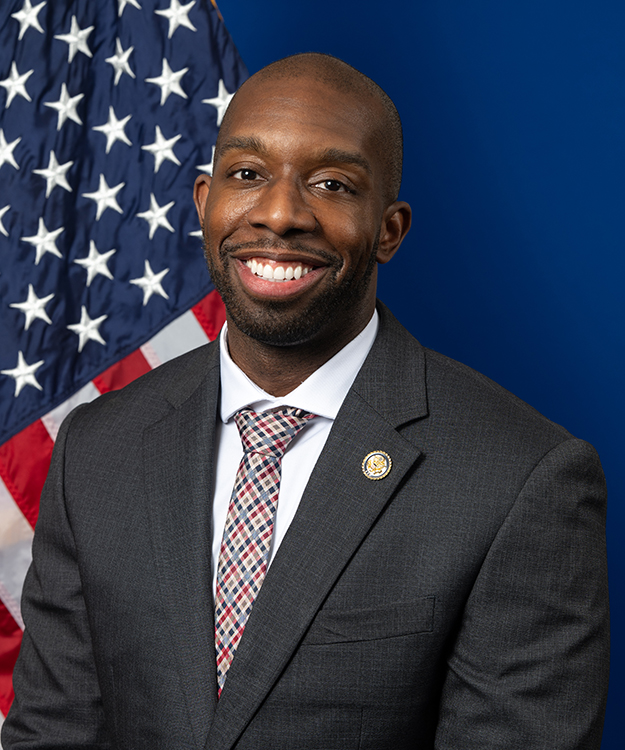
James Gallagher
100% support rate
Top opponent
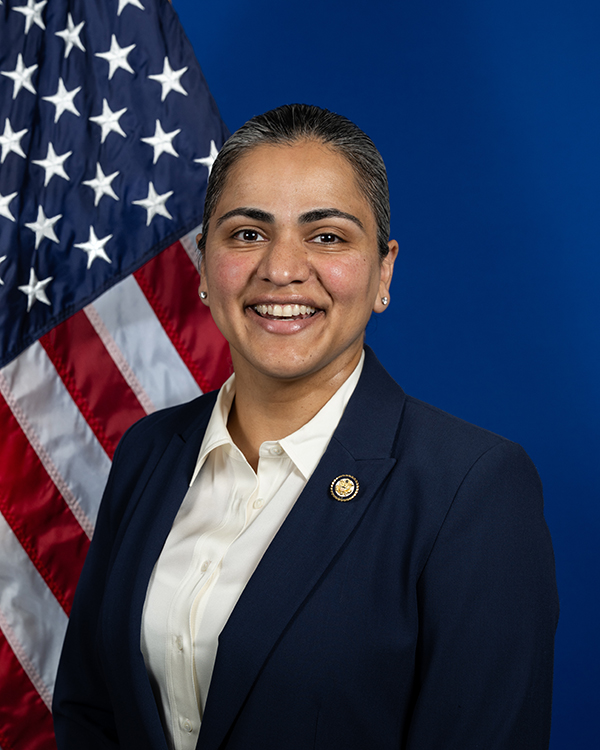
Aisha Wahab
0% support rate
Ranked legislators
10
5 support · 5 oppose
Key legislators

Who's moving law enforcement in United States

Legislators moving law enforcement in United States
Legislator Party Stance Support rate Decisive votes
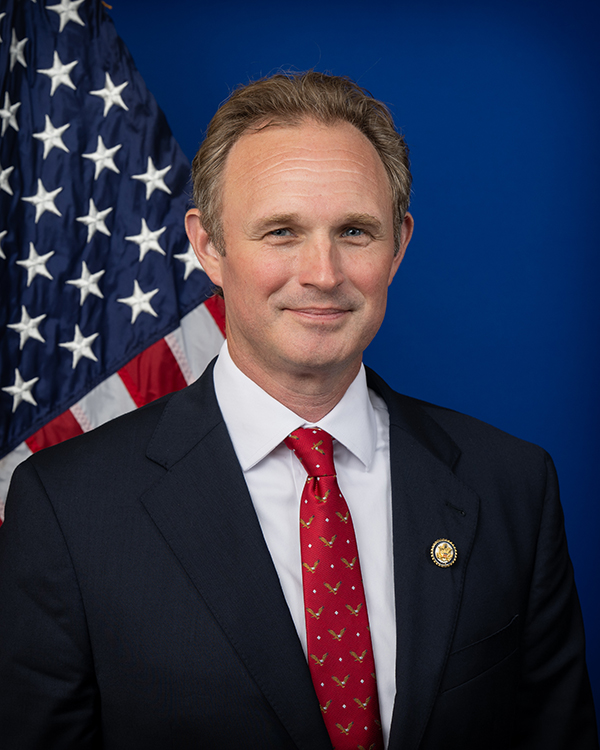
James Gallagher
James Gallagher House · District 1
R
Strong +
100% 3
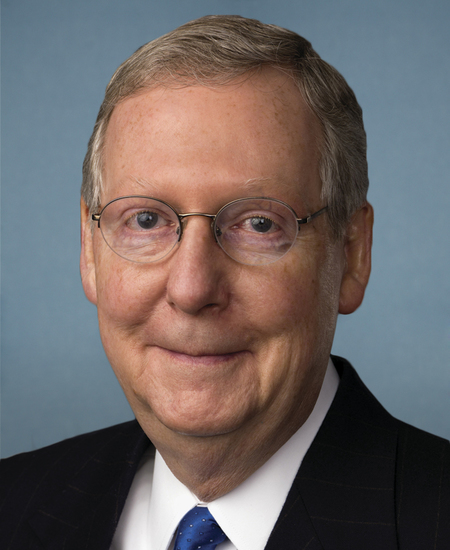
Mitch McConnell
Mitch McConnell Senate
R
Strong +
93% 28
AA
Alan Armstrong Senate
R
Strong +
86% 28
Bernie Moreno
Bernie Moreno Senate
R
Strong +
86% 28
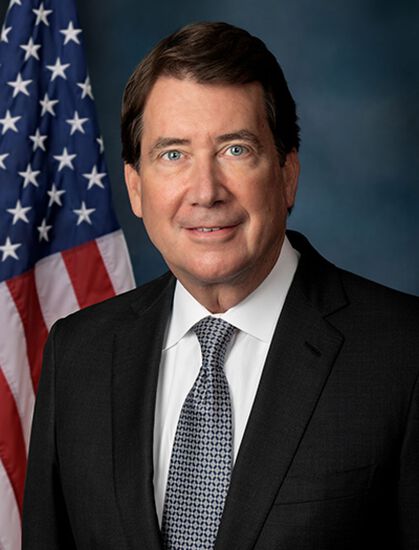
Bill Hagerty
Bill Hagerty Senate
R
Strong +
86% 28
Aisha Wahab
Aisha Wahab House · District 14
D
Strong −
0% 3
Everton Blair Jr.
Everton Blair Jr. House · District 13
D
Strong −
0% 3
Dave Min
Dave Min House · District 47
D
Strong −
13% 15
Marcy Kaptur
Marcy Kaptur House · District 9
D
Strong −
13% 15
Amy Klobuchar
Amy Klobuchar Senate
D
Strong −
14% 28
Showing 111–120 of 380 bills

All criminal justice bills

in committee · United States · Senate Mar 26, 2026

S 4260: Child Predators Accountability Act

This bill amends federal child pornography laws to strengthen protections against the sexual exploitation of minors. It requires that laws against importing or depicting children in sexually explicit material apply even when the child did not participate in the conduct, as long as the person intentionally included the child in the image. The changes update legal definitions to ensure that individuals who knowingly place minors in explicit visual depictions face criminal penalties regardless of the minor's actual involvement. These provisions directly affect law enforcement, prosecutors, and individuals involved in the production or distribution of such material. The bill focuses on closing legal gaps in how child exploitation cases are defined and prosecuted under existing federal statutes.
passed · United States · House Sep 16, 2026

HR 8005: Stop Pills That Kill Act

The Stop Pills That Kill Act targets counterfeit pills containing fentanyl or methamphetamine that are sold under the branding of legitimate prescription medications. It expands federal criminal penalties to specifically include these counterfeit substances and requires the Drug Enforcement Administration to create a comprehensive plan within 180 days to improve law enforcement investigations and public education efforts. The bill also mandates annual reports to Congress detailing seizure data, prosecution statistics, and prevention measures related to counterfeit pills. These provisions aim to enhance federal response to the distribution of fake prescription pills while maintaining existing legal frameworks.
in committee · United States · House Feb 4, 2026

HR 7290: Qualified Immunity Accountability Act

This bill, known as the Qualified Immunity Accountability Act, aims to limit legal protections for law enforcement officers accused of violating civil rights. It directly affects federal and local law enforcement officers by removing qualified immunity as a defense in civil rights lawsuits. The legislation modifies federal law to hold officers accountable for acts committed knowingly or recklessly, rather than only willfully, and expands the definition of death-related cases to include situations where the officer's actions were a substantial factor in the death. Additionally, it eliminates qualified immunity for officers acting in good faith or when rights were not clearly established at the time of the incident, making it easier for plaintiffs to sue officers for civil rights violations.
in committee · United States · Senate Mar 26, 2026

S 4268: Privacy Protection Updates Act

This bill, the Privacy Protection Updates Act, strengthens protections for individuals by updating how the government can search for and seize materials under the Privacy Protection Act of 1980. It directly affects news organizations, journalists, and other individuals whose materials might be subject to government searches. The key changes require law enforcement to provide more detailed information in warrant applications, including the factual basis for why an exception applies and the identities of all investigation targets. Additionally, the bill clarifies that materials stored on cloud services are considered possessed by the customer or subscriber, not just the service provider. If a search or seizure violates these new requirements, the affected materials cannot be used in legal proceedings and must be returned or destroyed.
Sub-Topics Law Enforcement
in committee · United States · House Apr 9, 2026

HR 8217: Next Gen Road Safety Act

The Next Gen Road Safety Act amends federal funding provisions to allow law enforcement agencies to purchase specialized equipment for managing high-speed vehicle pursuits. This legislation specifically authorizes the procurement of technologies such as vehicle-disabling systems, police bumper systems, and drones to help prevent and de-escalate dangerous chase situations. The changes apply to federal crime control grants under the Omnibus Crime Control and Safe Streets Act of 1968, enabling agencies to use these funds for the specified safety equipment. The bill focuses on updating existing grant categories to include modern tools that support officer safety and public safety during vehicular pursuits.
in committee · United States · House Mar 9, 2026

HR 7870: ICE Standards Act

This bill, titled the ICE Standards Act, mandates several reforms to how U.S. immigration officers are trained and operate. It requires annual training on use of force, de-escalation tactics, and constitutional rights, along with the use of body-worn and dashboard cameras for all officers. The legislation also requires officers to wear visible identification unless under specific safety exceptions, prohibits enforcement actions in schools, hospitals, places of worship, and polling places except in emergencies, and mandates verification of citizenship before making arrests. Additionally, it establishes a strict prohibition on deporting U.S. citizens and requires notification to local law enforcement agencies before federal immigration operations begin.
in committee · United States · Senate Feb 26, 2026

S 3945: Tribal Police Department Parity Act

This bill, known as the Tribal Police Department Parity Act, would extend existing federal firearms access laws to Tribal law enforcement agencies, ensuring they have the same authority as Federal, State, and local agencies. The legislation amends Title 18 of the United States Code to explicitly include Indian Tribes and their departments in provisions related to machinegun transfers and the transportation, shipment, receipt, possession, and importation of firearms and ammunition. It also modifies the Internal Revenue Code to apply tax exemptions for firearms transfers to Tribal entities on the same basis as State governments. These changes would allow Tribal police departments to legally access and use firearms under the same federal regulations that currently apply to other law enforcement agencies.
Sub-Topics Drug Policy Firearms Law Enforcement Tags Tribal Nations
in committee · United States · House May 14, 2026

HR 7764: National Threat Evaluation and Reporting Program Reassignment and Funding Reform Act of 2026

This bill transfers the National Threat Evaluation and Reporting Program from the Department of Homeland Security's Office of Intelligence and Analysis to the Office for State and Local Law Enforcement. The change aims to better align the program's funding and management with its primary mission of supporting state, local, Tribal, and territorial law enforcement partners in identifying and preventing targeted violence. Under the bill, the transfer must be completed within 180 days, and the program will no longer use National Intelligence Program funds after the move. The Department of Homeland Security must also submit regular reports on the transfer progress and funding adjustments to Congress.
Sub-Topics Law Enforcement
in committee · United States · House Mar 2, 2026

HR 7752: Kelsey Smith Act

This bill, known as the Kelsey Smith Act, would require telecommunications service providers to share location data with law enforcement or public safety answering points during emergency situations. It directly affects phone and internet service providers, law enforcement officers, and individuals whose location information might be disclosed. The key provision allows officers to request location data without delay if the device was used to contact emergency services in the past 48 hours or if there is reasonable suspicion of an emergency involving risk of death or serious physical harm. The bill also establishes requirements for obtaining consent from subscribers or their next of kin, with a defined priority order for determining next of kin when consent is needed. Additionally, law enforcement agencies must maintain records of these requests, and the bill does not exempt providers from complying with applicable state laws regarding location information disclosure.
Sub-Topics Law Enforcement Telecommunications Tags Public Safety
in committee · United States · House Mar 16, 2026

HR 7939: Say No to Warrantless Searches Act

This bill, titled the Say No to Warrantless Searches Act, would require federal immigration enforcement officers to obtain a judicial warrant before searching private property. It directly affects law enforcement officers conducting immigration enforcement activities and individuals whose property might be searched. The law allows exceptions for situations where consent is given or when there are urgent circumstances requiring immediate action. Additionally, the bill clarifies that these new protections apply only to enforcement actions taken after the law is enacted, not to past searches.
Showing 111 to 120 of 380 bills
Previous 1 … 11 12 13 … 38 Next