Issue · Criminal Justice

Criminal Justice (Policing)

Every criminal justice bill, vote, and legislator stance in United States, automatically classified by Maddy, our AI policy reader.

Total bills
115
119th Congress
Top supporter
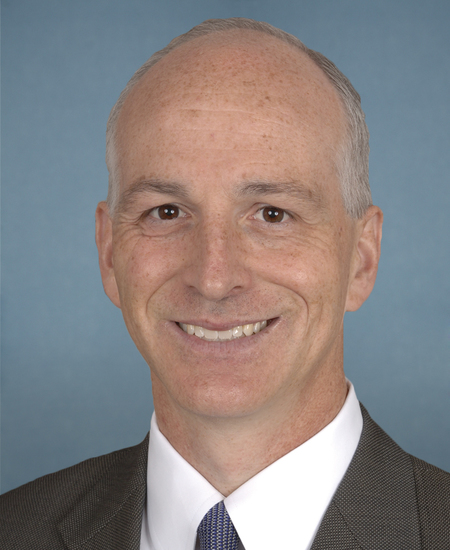
Adam Smith
100% support rate
Top opponent
Dave Min
0% support rate
Ranked legislators
10
5 support · 5 oppose
Key legislators

Who's moving policing in United States

Legislators moving policing in United States
Legislator Party Stance Support rate Votes
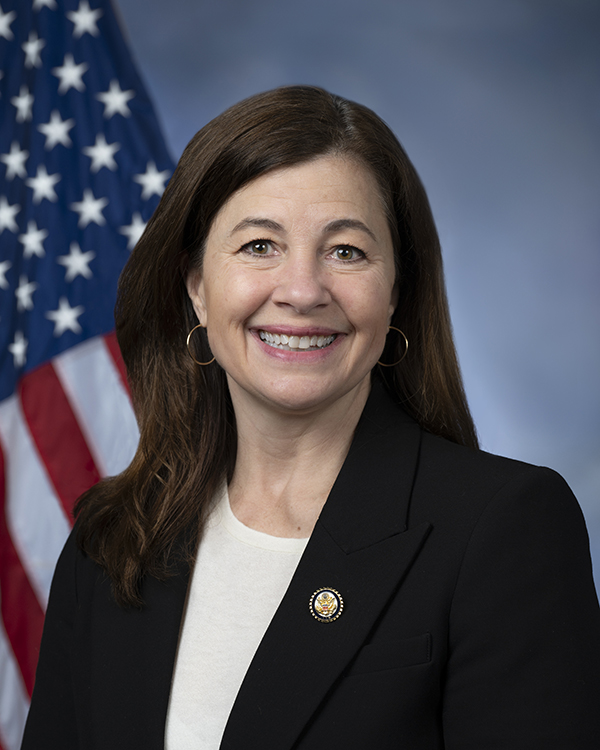
Adam Smith
Adam Smith House · District 9
D
Strong +
100% 3
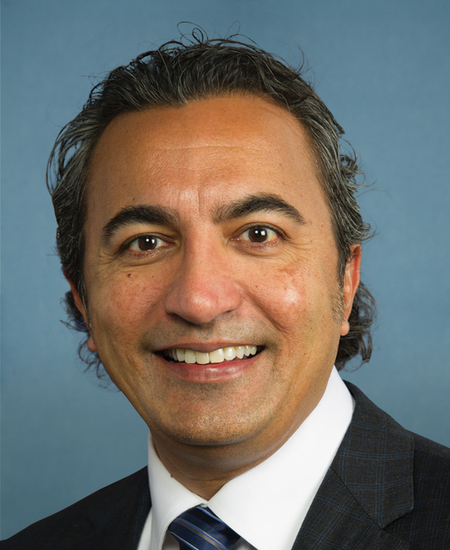
Ami Bera
Ami Bera House · District 6
D
Strong +
100% 3
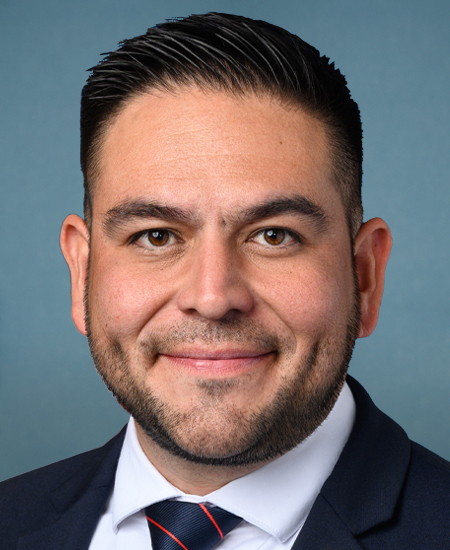
Gabe Vasquez
Gabe Vasquez House · District 2
D
Strong +
100% 3
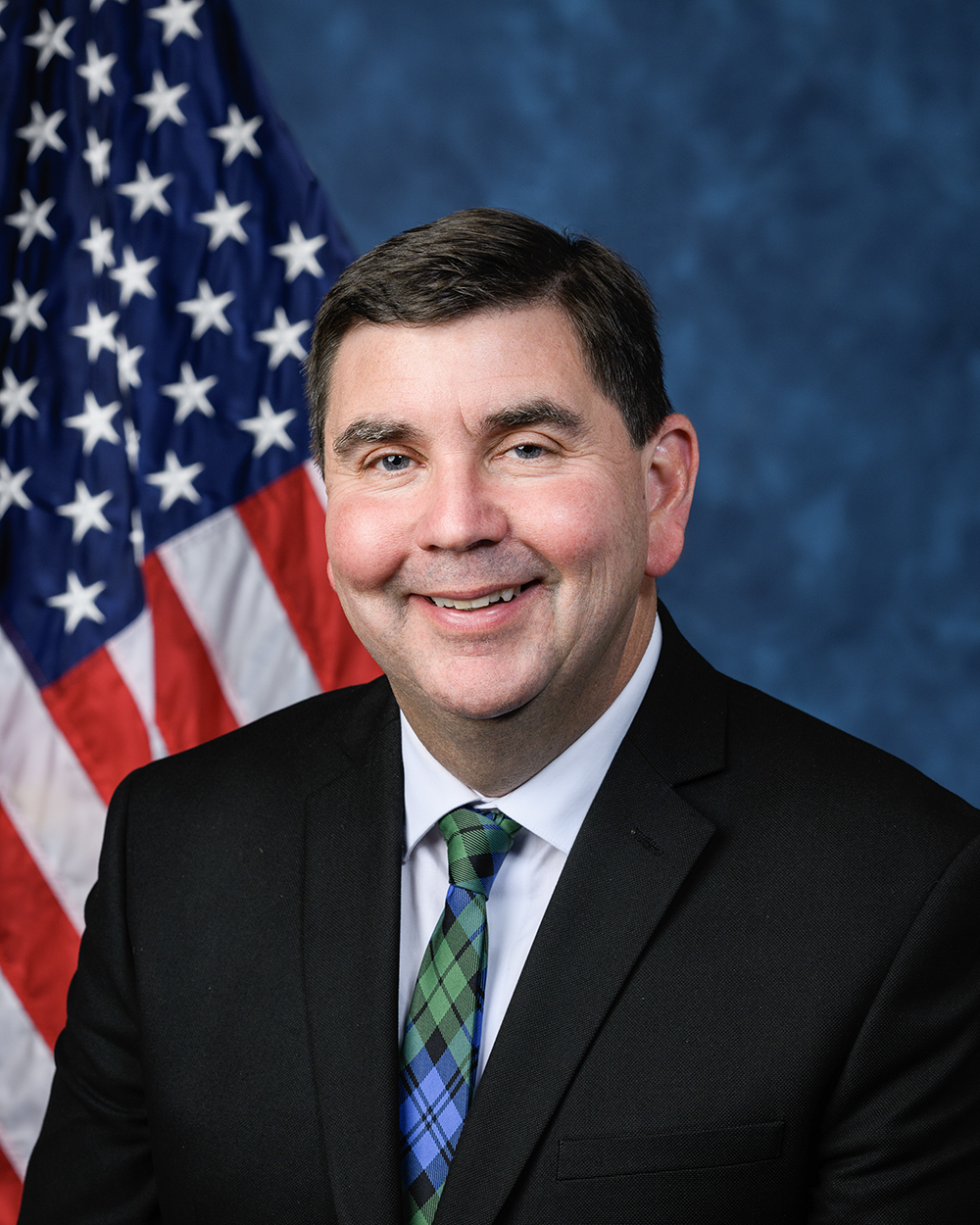
John W. Mannion
John W. Mannion House · District 22
D
Strong +
100% 3
Kristen McDonald Rivet
Kristen McDonald Rivet House · District 8
D
Strong +
100% 3
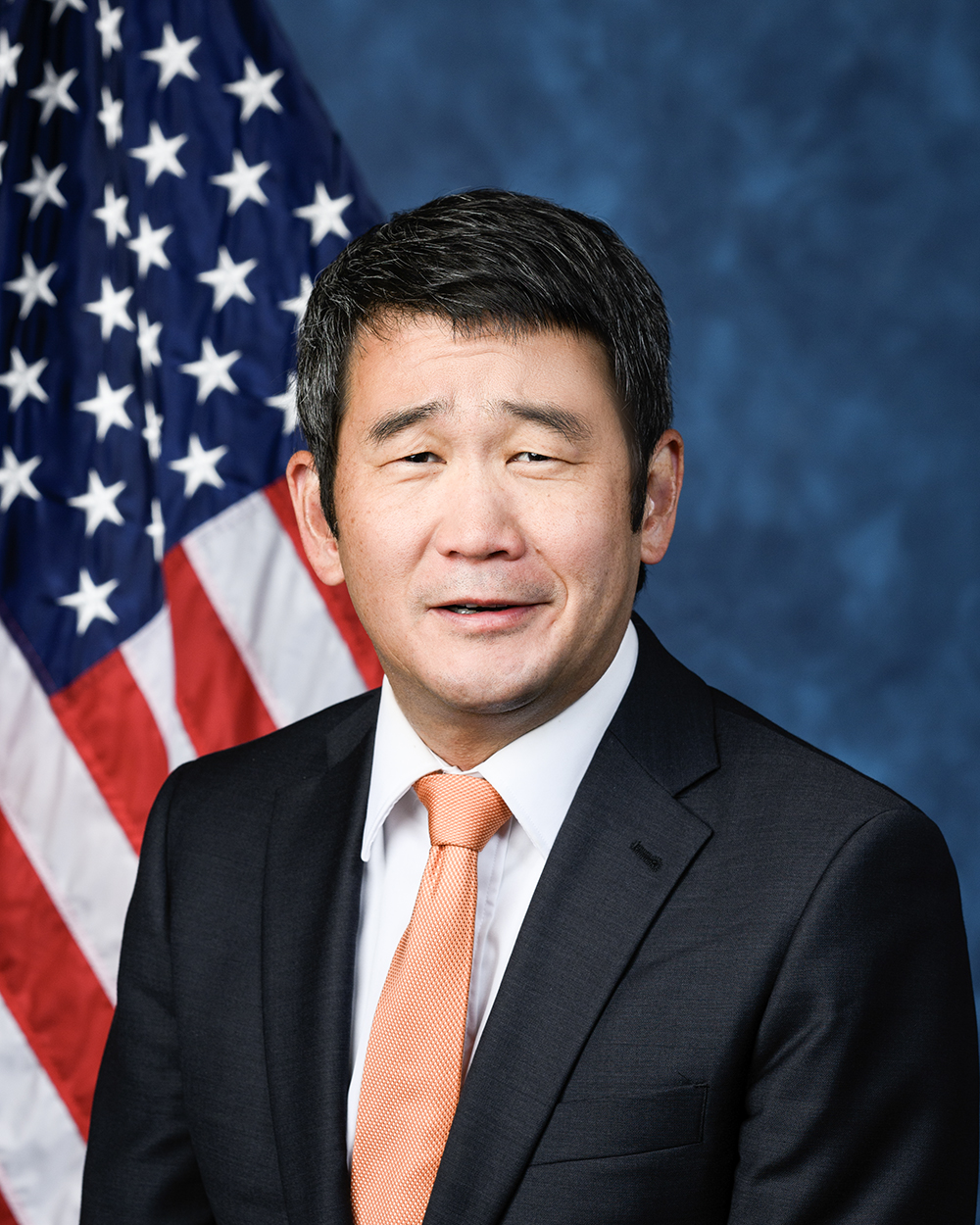
Dave Min
Dave Min House · District 47
D
Strong −
0% 3
Aaron Bean
Aaron Bean House · District 4
R
Oppose
33% 3
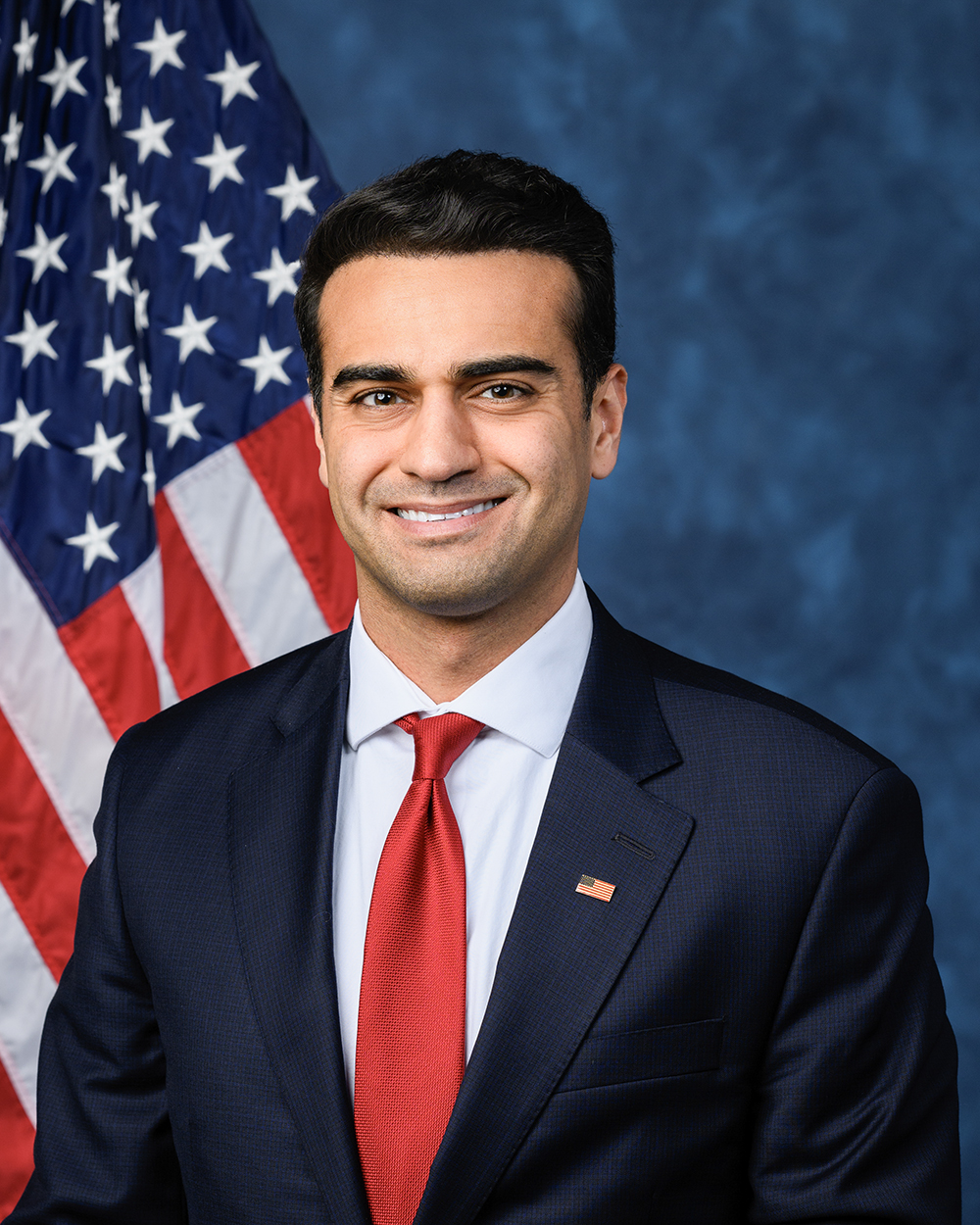
Abraham J. Hamadeh
Abraham J. Hamadeh House · District 8
R
Oppose
33% 3
Addison P. McDowell
Addison P. McDowell House · District 6
R
Oppose
33% 3
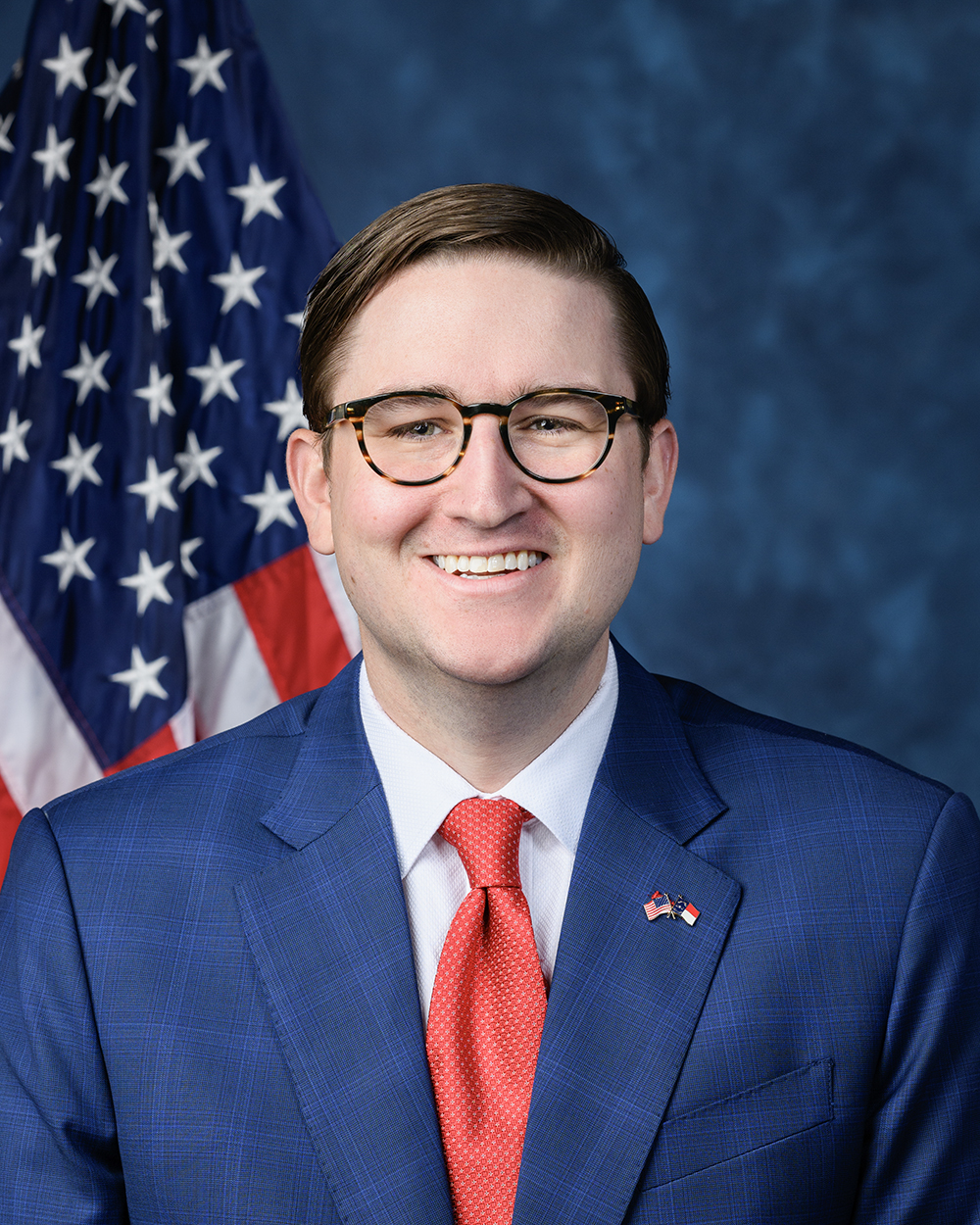
Andrew Ogles
Andrew Ogles House · District 5
R
Oppose
33% 3
Showing 101–110 of 115 bills

All criminal justice bills

in committee · United States · House Feb 5, 2025

HRES 116: Condemning the pardons for individuals who were found guilty of assaulting Capitol Police Officers.

HRES 116 is a non-binding House resolution condemning pardons granted to individuals convicted of assaulting Capitol Police officers. It expresses the House's disapproval of such pardons but does not alter any laws or affect legal proceedings. The resolution has no legal force and serves only as a formal statement of disapproval by the sponsoring lawmakers. It directly addresses the pardons of specific individuals found guilty in criminal cases related to the January 6, 2021, Capitol breach.
Sub-Topics Policing
in committee · United States · Senate Feb 9, 2026

S 3804: Under Color of Law Accountability Act

This bill would create new federal criminal offenses for law enforcement officers and government officials who use excessive force, steal property, or obstruct investigations into misconduct. It prohibits intentionally causing bodily injury through excessive force (with penalties up to 30 years for serious cases), stealing money or property valued over $25, and destroying evidence related to misconduct (with penalties up to 20 years). The legislation defines "excessive force" as objectively unreasonable force and establishes a 7-year statute of limitations for most offenses, except for those resulting in death, which have no time limit. This directly affects government officials acting under color of law by creating new accountability mechanisms for misconduct.
in committee · United States · Senate Jul 15, 2025

S 2278: Graham Hoffman Act

This bill creates a new federal crime for assaulting first responders (like police, firefighters, and paramedics) causing serious injury or death, with enhanced penalties. It specifically applies when the assault involves interstate travel, weapons that crossed state lines, or interference with the responder's work affecting commerce. Penalties include up to 10 years in prison for serious injury, or life imprisonment if death occurs, kidnapping, or an attempt to kill happens. Federal prosecution requires Attorney General certification unless states decline jurisdiction or fail to adequately address the crime.
in committee · United States · Senate May 12, 2025

S 1712: Criminal History Access Act of 2025

S 1712, the Criminal History Access Act of 2025, amends federal law to allow state "peace officer standards and training agencies" (agencies that set hiring and training standards for police officers) to access criminal history records for background checks. The bill adds these agencies to the list of entities authorized under Title 28 of U.S. Code to obtain such records. It requires the Attorney General to update federal regulations within 180 days of enactment to implement this change. This procedural amendment directly affects state law enforcement certification bodies by expanding their access to federal criminal history data.
in committee · United States · House Jan 30, 2026

HR 7278: Cost of Police Misconduct Act of 2026

HR 7278, the Cost of Police Misconduct Act of 2026, requires federal, state, and local law enforcement agencies receiving Byrne JAG program funds to collect and report detailed data on misconduct settlements and judgments. Agencies must track information like the type of allegation (e.g., use of force, racial profiling), costs paid, officer demographics, and funding sources, then submit annual reports to the Attorney General. Non-compliant states or localities face up to a 10% reduction in Byrne JAG or Cops on the Beat program funding. The Attorney General will create a public, searchable database of this aggregated data (excluding personal identifiers) and issue annual reports with recommendations for reducing misconduct. The bill mandates a GAO study after two years of data collection to analyze trends and costs across agencies.
in committee · United States · House May 15, 2025

HR 3439: Defund Cities that Defund the Police Act of 2025

HR 3439, the "Defund Cities that Defund the Police Act of 2025," blocks certain federal grants from going to states or cities that significantly reduce police funding without a revenue shortfall. It defines a "defunding locality" as an urban city that disbands its police department or cuts its budget substantially (without prior revenue loss), and a "defunding state" similarly for state law enforcement agencies. The bill specifically denies eligibility for Economic Development Administration grants (like public works and planning funds) and Community Development Block Grants to these jurisdictions. If a recipient becomes a "defunding jurisdiction" during a grant period, it must return all funds received for that period.
Sub-Topics Revenue Law Enforcement Policing Tags Economic Development Public Safety
in committee · United States · House May 29, 2025

HRES 451: Expressing condemnation for police brutality wherever in the world it occurs.

HRES 451 is a non-binding House resolution condemning police brutality globally and calling for specific U.S. policy changes. It directly affects U.S. foreign policy decisions by urging the government to halt arms exports and security assistance to countries with documented police brutality or impunity, and to end the use of militarized policing tactics domestically and internationally. The resolution also demands reallocating funds toward peacebuilding, mental health, and violence prevention programs instead of militarized policing. It emphasizes that police brutality disproportionately impacts vulnerable groups like racial minorities, migrants, and LGBTQIA+ individuals worldwide.
Sub-Topics Policing Mental Health
in committee · United States · House Feb 2, 2026

HRES 1030: To end ICE abuse.

HRES 1030 is a non-binding House resolution (not a bill) calling for systemic reforms to U.S. Immigration and Customs Enforcement (ICE). It proposes concrete actions including ending qualified immunity for ICE agents, requiring body cameras and visible identification for officers, mandating independent investigations into use-of-force incidents, and replacing ICE with a new Department of Justice agency subject to civilian oversight. The resolution directly affects ICE operations, federal officials, and individuals in immigration custody by demanding accountability for alleged misconduct and structural changes to enforcement practices. It does not create new law but urges the House to take specific actions like opposing DHS funding and repealing $75 billion in ICE appropriations.
in committee · United States · Senate May 22, 2025

S 1913: Ending Qualified Immunity Act

S 1913, the "Ending Qualified Immunity Act," amends Section 1983 of federal law (42 U.S.C. 1983) to remove qualified immunity as a defense in civil rights lawsuits. It directly affects government officials (like police or local officials) sued for violating constitutional rights and the plaintiffs who have been denied redress due to this defense. The bill's key provision explicitly states that a defendant cannot claim as a defense that they acted in good faith, reasonably believed their conduct was lawful, the right wasn't clearly established, or the law was unclear at the time of the violation. This change aims to restore the original intent of Section 1983, which allows lawsuits against officials acting under color of law without immunity defenses based on subjective good faith or unclear legal standards.
Sub-Topics Civil Rights Policing Tags Civil Liberties
in committee · United States · House Sep 26, 2025

HR 5594: Protect Your PIN Act of 2025

This bill amends the Violence Against Women Act Reauthorization Act of 2022 to clarify and expand law enforcement support for identity theft cases. It defines "identity theft" as criminal acts involving unauthorized use of another person's identifying details (like Social Security numbers or bank info), and adds "identity theft" to existing federal grant programs for local police to investigate cybercrimes. These grants will now fund investigations into identity theft alongside other cybercrimes. The bill directly affects local law enforcement agencies receiving these grants and victims of identity theft by improving enforcement resources. (Note: The title "Protect Your PIN" is misleading; the bill focuses on identity theft definitions and funding, not PIN security.)
Showing 101 to 110 of 115 bills