Issue · Criminal Justice

Criminal Justice (Firearms)

Every criminal justice bill, vote, and legislator stance in United States, automatically classified by Maddy, our AI policy reader.

Total bills
140
119th Congress
Top supporter
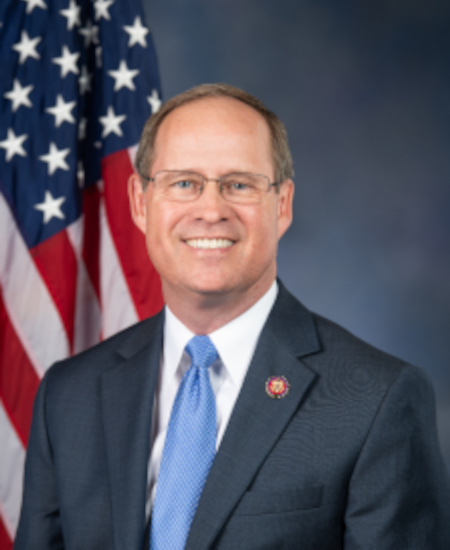
Gregory F. Murphy
75% support rate
Top opponent
Bennie G. Thompson
20% support rate
Ranked legislators
10
5 support · 5 oppose
Key legislators

Who's moving firearms in United States

Legislators moving firearms in United States
Legislator Party Stance Support rate Votes
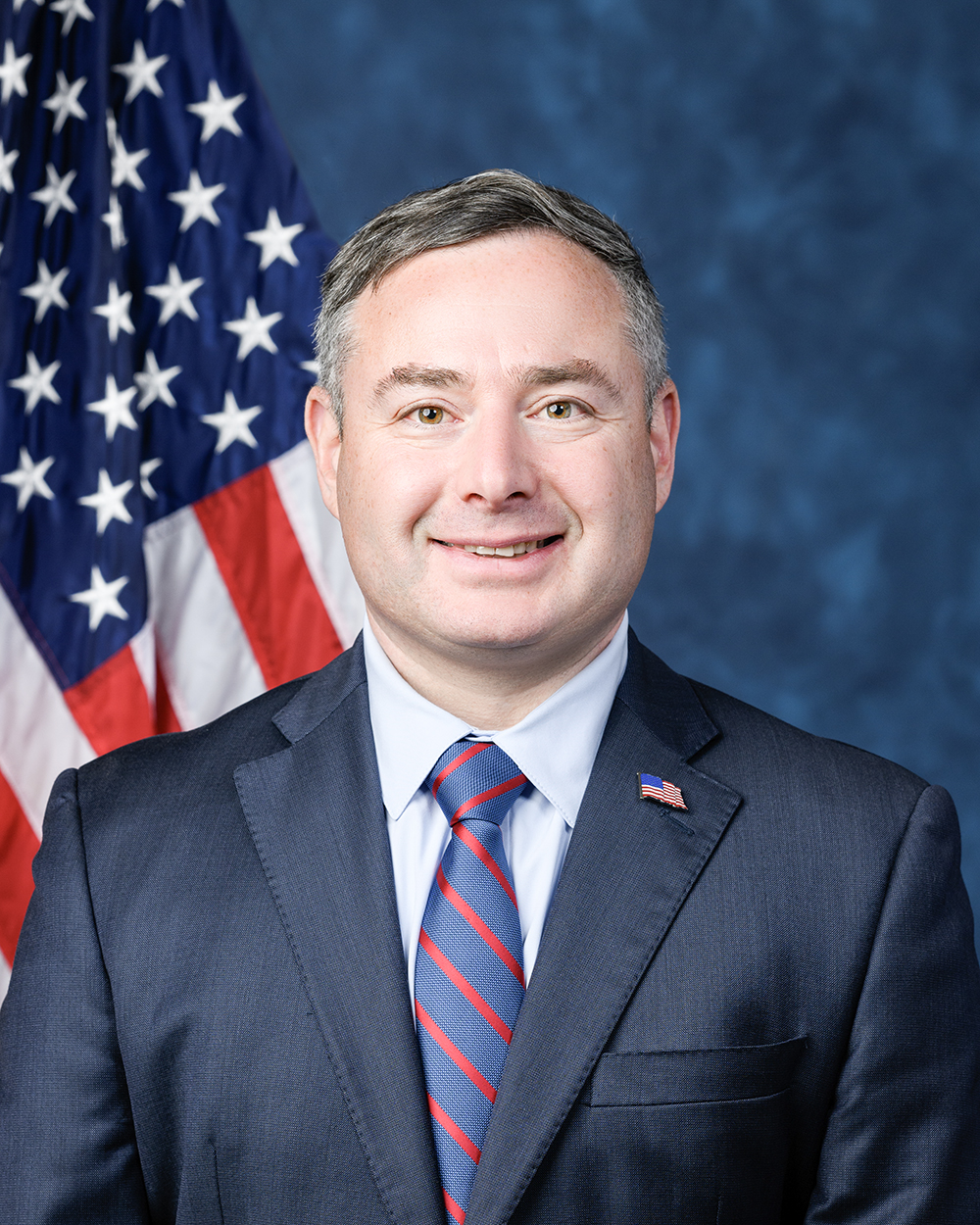
Gregory F. Murphy
Gregory F. Murphy House · District 3
R
Support
75% 4
Mike Johnson
Mike Johnson House · District 4
R
Support
75% 4
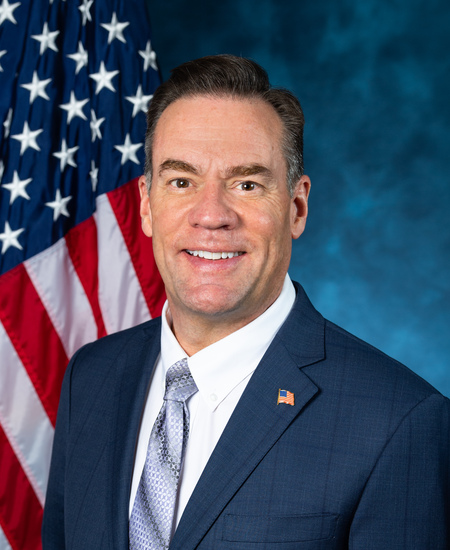
Russ Fulcher
Russ Fulcher House · District 1
R
Support
75% 4
Wesley Hunt
Wesley Hunt House · District 38
R
Support
75% 4
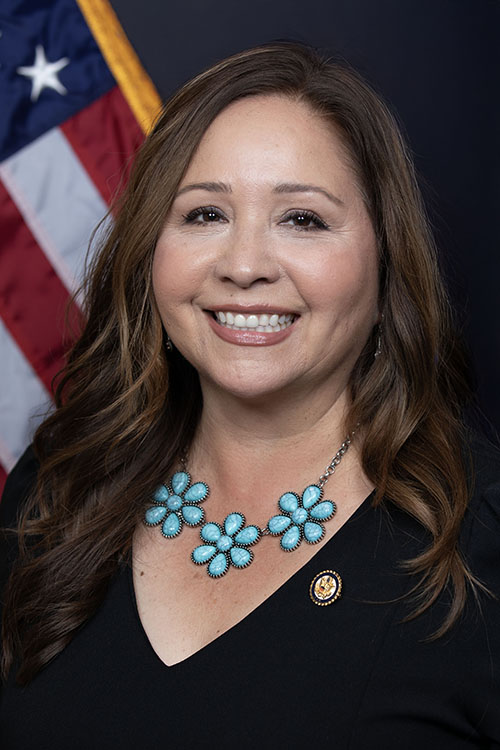
Adelita S. Grijalva
Adelita S. Grijalva House · District 7
D
Support
67% 3
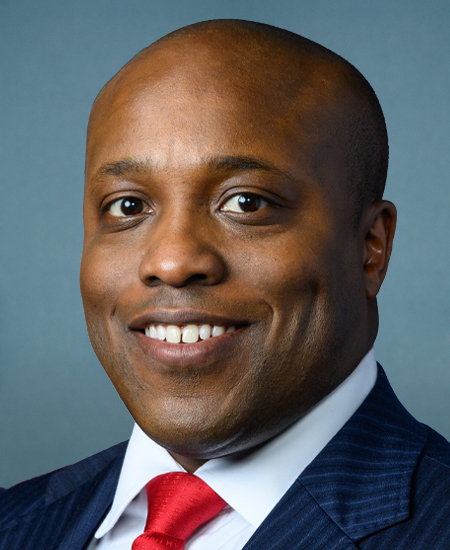
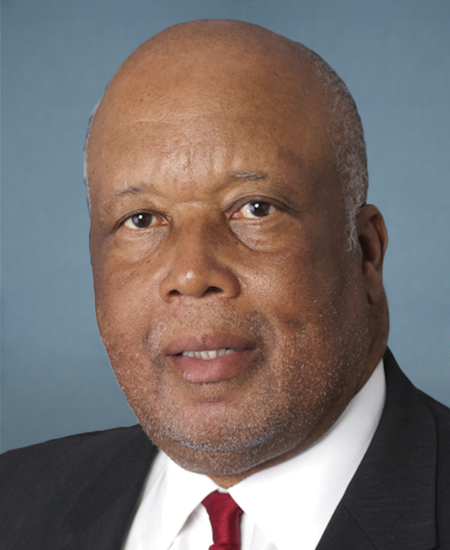
Bennie G. Thompson
Bennie G. Thompson House · District 2
D
Strong −
20% 5
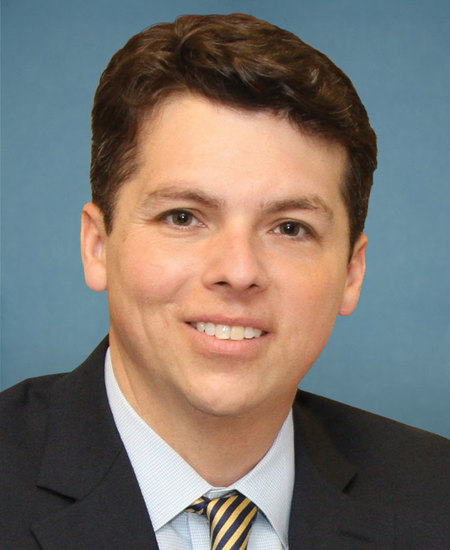
Brendan F. Boyle
Brendan F. Boyle House · District 2
D
Strong −
20% 5
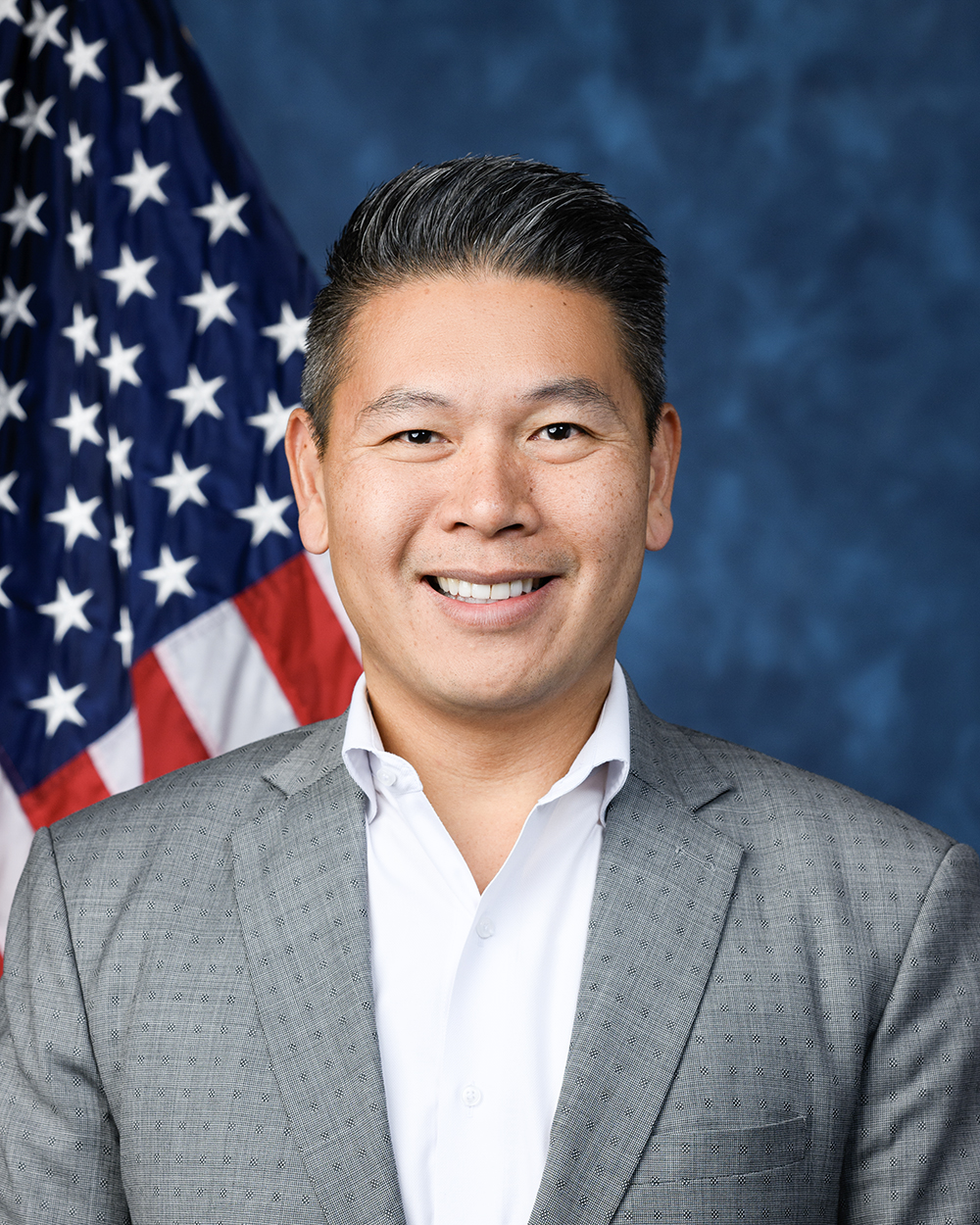
Derek Tran
Derek Tran House · District 45
D
Strong −
20% 5
Eugene Simon Vindman
Eugene Simon Vindman House · District 7
D
Strong −
20% 5
Greg Landsman
Greg Landsman House · District 1
D
Strong −
20% 5
Showing 101–110 of 140 bills

All criminal justice bills

in committee · United States · House Jan 13, 2025

HR 350: Prosecutors Need to Prosecute Act

HR 350, the "Prosecutors Need to Prosecute Act," requires district attorneys in jurisdictions with 380,000 or more residents that receive federal Byrne grant funds to submit annual reports to the Attorney General. The reports must detail how many cases involving serious crimes - like murder, robbery, aggravated assault, and gun offenses - they referred for prosecution, declined, or resolved via plea deals, including data on repeat offenders and bail decisions. The Attorney General will establish uniform reporting standards and share the collected data with Congress and the public via a website. This bill directly affects large prosecutor offices receiving federal crime-fighting funds, aiming to increase transparency in prosecution practices for specific violent and property crimes.
in committee · United States · Senate Jun 5, 2025

S 1967: PROTECT Act of 2025

Protection for Reservation Occupants against Trafficking and Evasive Communications Today Act of 2025 or the PROTECT Act of 2025 This bill expands special tribal criminal jurisdiction (STCJ) to include certain controlled substance-related offenses and firearms offenses. It also allows tribal courts to execute warrants for electronic material. STCJ allows participating tribes to investigate, prosecute, convict, and sentence both Indian and non-Indian offenders who commit covered crimes in Indian country against Indian victims. Covered crimes currently include assault of tribal justice personnel, child violence, dating violence, domestic violence, obstruction of justice, sexual violence, sex trafficking, stalking, and a violation of a protection order. The bill expands STCJ to allow participating tribes to prosecute individuals for controlled substance-related offenses (i.e., drug trafficking, unlawful drug possession, or unlawful possession of drug paraphernalia) and firearms offenses (i.e., use or possession of a firearm in furtherance of a covered crime or by a person who has been convicted of domestic violence). Additionally, the bill allows participating tribes to exercise STCJ over a controlled substance-related offense or a firearms offense if neither the defendant nor the alleged victim is an Indian. (Currently, this exception only applies in cases of obstruction of justice or assault of tribal justice personnel.) The bill allows offenders convicted pursuant to STCJ to be incarcerated through the Bureau of Prisons Tribal Prisoner Program. The bill gives tribal courts the same authority as state courts to compel service providers to disclose stored electronic communication information through court-issued warrants, court orders, or administrative subpoenas.
Sub-Topics Domestic Violence Firearms Human Trafficking Tags Tribal Nations
in committee · United States · House Jun 30, 2025

HR 4252: Extreme Risk Protection Order Expansion Act of 2025

This bill creates a federal grant program to help states, tribes, and local governments implement Extreme Risk Protection Orders (ERPOs), which temporarily remove firearms from individuals who may pose a danger to themselves or others. The grants fund law enforcement training on ERPO use, development of court protocols, public awareness campaigns, and ensure ERPOs are recognized across jurisdictions. The bill also amends federal law to include ERPOs in background checks through the National Instant Criminal Background Check System and requires states to have due process protections in place, including notice and hearing requirements for ERPOs. States receiving grants must submit annual reports on ERPO usage, including demographic data and outcomes.
in committee · United States · House Mar 3, 2025

HR 1773: Federal Firearms Licensee Protection Act of 2025

Federal Firearms Licensee Protection Act of 2025 This bill modifies criminal penalties for an offense involving the theft of a firearm from a licensed importer, manufacturer, or dealer, or from their business premises. Specifically, the bill does the following: increases from 10 to 20 years the maximum prison term, and creates a 3- or 5-year mandatory minimum prison term for an offense that occurs during the commission of a burglary or robbery. An attempt to commit an offense is subject to the same penalties as a substantive offense.
in committee · United States · Senate Dec 1, 2025

S 3289: Crime Gun Tracing Modernization Act of 2025

The Crime Gun Tracing Modernization Act of 2025 requires the Bureau of Alcohol, Tobacco, Firearms and Explosives (ATF) to create electronic, searchable databases for firearm records that licensed dealers already must maintain, including details on import, production, shipment, sale, and disposition. It mandates that dealers provide electronic access to these records and allows them to turn over non-electronic records after 10 years without active transactions. The databases must be searchable by firearm details (like model, serial number, and caliber) but not by personal information, and access is restricted to law enforcement investigations, foreign intelligence purposes, or compliance inspections. The bill also requires annual audits by the Comptroller General and congressional reporting to ensure ATF compliance.
in committee · United States · Senate Mar 14, 2025

S 1076: Preventing Illegal Weapons Trafficking Act of 2025

This bill requires federal agencies to develop a strategy within 120 days to prevent the trafficking of machinegun conversion devices - parts that convert regular firearms into machineguns. The strategy must improve detection, coordination between federal and local law enforcement, tracing of devices used in crimes, and address emerging threats like 3D-printed devices. It mandates annual reports to Congress on implementation progress and requires the Attorney General to include specific data on these devices in annual firearms trafficking reports. The bill directly affects federal agencies (ATF, FBI, Homeland Security), state/local law enforcement, and aims to disrupt trafficking networks.
in committee · United States · House Sep 18, 2025

HR 5453: RRLEF Act of 2025

The RRLEF Act of 2025 requires applicants for Edward Byrne Memorial Justice Assistance Grant Program funds to certify they do not purchase firearms from "covered licensed dealers." A "covered dealer" is defined as one traced with 25+ firearms used in crimes within two of the last three years. The bill mandates the ATF publicly publish an annual list of these dealers and notify law enforcement if their transferred firearms are used in crimes. This directly affects state/local law enforcement agencies seeking federal grant funding by restricting their firearm purchasing options.
in committee · United States · Senate Apr 9, 2025

S 1370: GOSAFE Act

The GOSAFE Act prohibits the import, sale, manufacture, transfer, or possession of gas-operated semi-automatic firearms and large capacity ammunition feeding devices (those holding more than 10 rounds). It defines gas-operated firearms as those using gas pressure to cycle the action and requires the Attorney General to publish a list of prohibited firearms within 180 days. The bill includes exemptions for single-shot weapons, muzzle-loaders, firearms with permanently fixed magazines under 10 rounds, and certain other specific types. Manufacturers must now seek approval for new semi-automatic firearms through a process requiring detailed documentation, and the bill establishes a Firearm Safety Trust Fund to cover administrative costs. Violations of these provisions can result in fines up to $5,000 or up to 12 months in prison.
in committee · United States · House Jun 17, 2025

HR 4024: Filling Public Safety Vacancies Act

HR 4024, the Filling Public Safety Vacancies Act, allocates $162 million in federal funds for law enforcement agencies to hire or rehire additional officers under the Safe Streets Act. This funding directly affects state and local law enforcement agencies that receive grants under the program. Key provisions require agencies using these funds to conduct mandatory background checks and psychological evaluations for new officers, with the grant money covering these costs. The bill focuses on providing resources for officer recruitment while establishing specific hiring requirements for agencies utilizing the funds.
Sub-Topics Appropriations Firearms Law Enforcement Tags Public Safety
in committee · United States · Senate Jun 26, 2025

S 2196: Strengthening Protections for Domestic Violence and Stalking Survivors Act of 2025

This bill expands federal protections for domestic violence and stalking survivors by broadening key definitions. It adds current and former dating partners to the definition of "intimate partner" and includes their children under domestic violence protections. The bill also creates a new federal definition for "misdemeanor crime of stalking" that explicitly includes causing fear for a victim's pet, service animal, or emotional support animal, and prohibits firearm possession for those convicted of such stalking offenses. These changes directly affect survivors of dating violence and stalking, as well as individuals convicted of misdemeanor stalking under federal, state, or tribal law.
Showing 101 to 110 of 140 bills
Previous 1 10 11 12 14 Next