Issue · Criminal Justice

Criminal Justice (Courts)

Every criminal justice bill, vote, and legislator stance in United States, automatically classified by Maddy, our AI policy reader.

Total bills
146
119th Congress
Top supporter
Adam B. Schiff
100% support rate
Top opponent
Amy Klobuchar
0% support rate
Ranked legislators
10
5 support · 5 oppose
Key legislators

Who's moving courts in United States

Legislators moving courts in United States
Legislator Party Stance Support rate Votes
Adam B. Schiff
Adam B. Schiff Senate
D
Strong +
100% 3
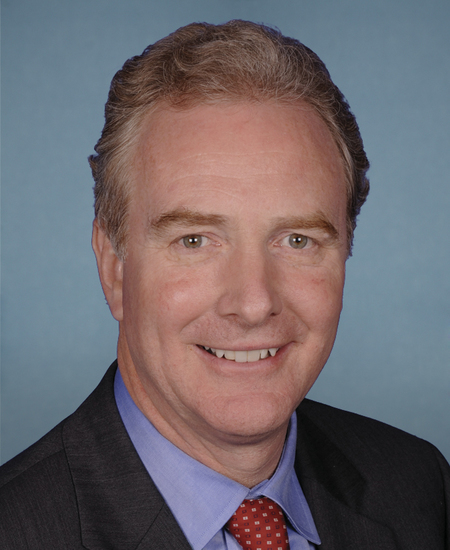
Chris Van Hollen
Chris Van Hollen Senate
D
Strong +
100% 3
Christopher Murphy
Christopher Murphy Senate
D
Strong +
100% 3
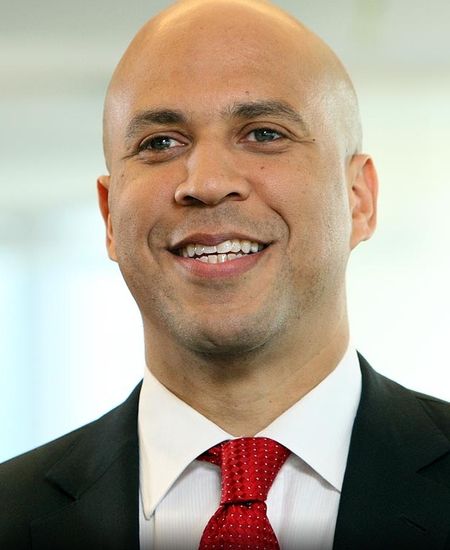
Cory A. Booker
Cory A. Booker Senate
D
Strong +
100% 3
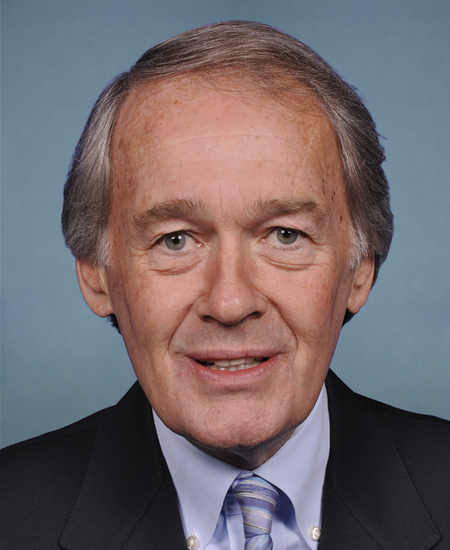
Edward J. Markey
Edward J. Markey Senate
D
Strong +
100% 3
Amy Klobuchar
Amy Klobuchar Senate
D
Strong −
0% 3
Andy Kim
Andy Kim Senate
D
Strong −
0% 3
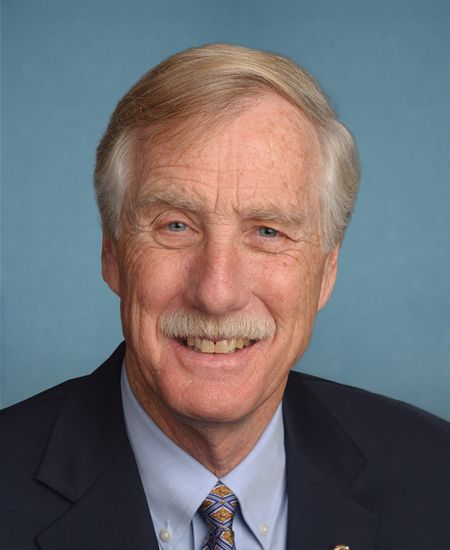
Angus S. King, Jr.
Angus S. King, Jr. Senate
I
Strong −
0% 3
Ashley Moody
Ashley Moody Senate
R
Strong −
0% 3
Ben Ray Luján
Ben Ray Luján Senate
D
Strong −
0% 3
Showing 101–110 of 146 bills

All criminal justice bills

in committee · United States · Senate Apr 9, 2025

S 1401: Targeting Child Predators Act of 2025

The Targeting Child Predators Act of 2025 amends federal law to strengthen confidentiality for ongoing investigations into child predators. It requires recipients of certain administrative subpoenas (issued by the Secretary of Homeland Security) to keep the subpoena's existence and details secret for up to 180 days, unless a federal official certifies disclosure would endanger the investigation (e.g., by threatening safety, causing flight, destroying evidence, or intimidating witnesses). The bill also establishes a new court process for reviewing these confidentiality orders, requiring federal officials to provide specific justifications and courts to rule quickly on whether disclosure would jeopardize the investigation. This directly affects entities like financial institutions and online platforms that may receive such subpoenas.
Sub-Topics Courts
in committee · United States · House Aug 1, 2025

HR 4831: ENFORCE Act

HR 4831 (ENFORCE Act) strengthens federal enforcement against specific child exploitation crimes. It removes the statute of limitations for offenses involving obscene visual representations of child sexual abuse, adds these crimes to sex offender registration requirements, and mandates courts to handle related evidence in ways that protect victims (e.g., keeping depictions with the government or court). The bill also creates a presumption for pretrial detention and extended supervised release for violations of these specific provisions. These changes directly affect individuals convicted under sections 1466A, 2252A, and related child exploitation laws, as well as federal courts handling such cases.
in committee · United States · House Feb 25, 2025

HR 1556: Eric’s Law

HR 1556, "Eric’s Law," changes federal jury procedures in capital sentencing cases. It requires a new jury to be impaneled if the original jury cannot unanimously recommend a sentence (death, life without parole, or a lesser sentence) for a defendant convicted of a capital offense. If the new jury also fails to reach unanimity, the judge must impose a sentence other than death. This law directly affects federal defendants in capital cases where juries deadlock on sentencing recommendations. The policy change ensures that unresolved sentencing deadlocks do not prevent a final sentence from being imposed.
Sub-Topics Courts Judges Sentencing
in committee · United States · Senate May 1, 2025

S 1574: Tribal Access to Electronic Evidence Act

S 1574, the Tribal Access to Electronic Evidence Act, allows tribal courts to legally request electronic evidence from service providers under the same rules as state courts. It directly affects tribal courts and tribal governments by adding "Tribal court" to the definition of "court of competent jurisdiction" in the Stored Communications Act. Key provisions require warrants for electronic evidence to follow specific tribal court procedures outlined in the Indian Civil Rights Act (25 U.S.C. 1302(a)(2)), rather than solely federal or state rules. This change ensures tribal courts can independently seek warrants for digital evidence stored for 180 days or less, aligning their authority with state courts. The bill makes no changes to the actual content of warrants but formalizes tribal courts' standing in electronic evidence requests.
Sub-Topics Civil Rights Courts Tags Tribal Nations
in committee · United States · House Jun 26, 2025

HR 4173: Preventing Pretrial Gun Purchases Act

The Preventing Pretrial Gun Purchases Act would prohibit firearm sales to individuals subject to a court order (released before trial) that specifically bans them from possessing or purchasing guns. It amends federal gun law to add such court orders as a new reason for barring firearm transfers, updating background check systems to require states to report these orders to the national database. The bill allocates $25 million annually from 2026 to 2030 to help states and tribes report these orders, ensuring gun dealers can check eligibility during background checks. This directly affects people under such court orders and gun dealers processing transfers.
Sub-Topics Courts Firearms
in committee · United States · Senate Jun 4, 2025

S 1955: Equal Access to Justice for Victims of Gun Violence Act

This bill repeals key protections in the Protection of Lawful Commerce in Arms Act that shielded gun manufacturers from civil lawsuits. It allows victims of gun violence to use federal gun trace data (from the Firearms Trace System database) as evidence in civil court cases against gun sellers or manufacturers. The law makes this trace information discoverable, admissible, and usable in any civil action in state or federal courts, including the District of Columbia. This change directly affects victims seeking legal recourse and gun industry entities previously protected by the repealed law.
Sub-Topics Courts Firearms
in committee · United States · House Feb 12, 2026

HR 7535: Second Chance Mental Health Access Act of 2026

This bill requires states to cover 12 annual telehealth mental health visits for Medicaid enrollees who were recently incarcerated in a public institution and are under court-ordered home confinement. It amends Medicaid law to mandate this coverage specifically for individuals released from prison and subject to home confinement, effective after the bill's enactment. The provision applies to all states operating under Medicaid plans or waivers, ensuring consistent access to mental health support during the reentry phase. It directly affects formerly incarcerated individuals transitioning from prison to home supervision, focusing on accessible mental health care through telehealth. The policy change is limited to Medicaid-covered telehealth visits during the period of home confinement, with no additional funding specified.
in committee · United States · Senate Feb 12, 2026

S 3882: Fair Legal Access Grants Act

This bill creates a federal grant program to provide legal resources for individuals seeking extreme risk protection orders (ERPOs), which temporarily remove firearms from people deemed a risk to themselves or others. It authorizes $50 million annually (2027-2031) for states, local governments, and tribes to fund legal counsel, multilingual resource centers, and training for legal and law enforcement staff on ERPO processes. The grants specifically aim to help "covered petitioners" (those eligible to request ERPOs) access representation and understand the legal process, including distinguishing ERPOs from domestic violence protection orders. The bill does not change ERPO standards or create new court jurisdiction but ensures petitioners have legal support.
passed · United States · Senate Nov 20, 2025

S 2379: Countering Threats and Attacks on Our Judges Act

S 2379, the "Countering Threats and Attacks on Our Judges Act," creates a new program to improve safety for state and local judges and court staff. It authorizes the State Justice Institute to fund eligible national nonprofits (with specific expertise in judicial security, courthouse design, and court operations) to establish State Judicial Threat Intelligence and Resource Centers. These centers will provide safety training, monitor threats, coordinate with law enforcement, develop standardized reporting systems, and create a national database for sharing threat information. The bill also requires an annual report to Congress on the number and types of threats faced by judges and court staff.
in committee · United States · Senate Jul 29, 2025

S 2522: Cell-Site Simulator Warrant Act of 2025

The Cell-Site Simulator Warrant Act of 2025 requires law enforcement agencies to obtain a court-issued warrant before using cell-site simulators (devices that mimic cell towers to track or intercept phone communications), with specific requirements to limit surveillance scope. Agencies must demonstrate other investigative methods have failed or would be too dangerous, specify the narrowest possible area and time frame for use, and disclose potential disruptions to emergency services like 911 calls. Exceptions exist for emergencies (requiring 48-hour warrant applications), certain research, and protective services, but information about people not under investigation must be minimized and destroyed. The bill also mandates annual reports to Congress on usage patterns and requires third-party testing of devices to verify accuracy before deployment.
Sub-Topics Courts Law Enforcement
Showing 101 to 110 of 146 bills
Previous 1 10 11 12 15 Next