Issue · Criminal Justice

Criminal Justice (Sentencing)

Every criminal justice bill, vote, and legislator stance in United States, automatically classified by Maddy, our AI policy reader.

Total bills
103
119th Congress
Top supporter
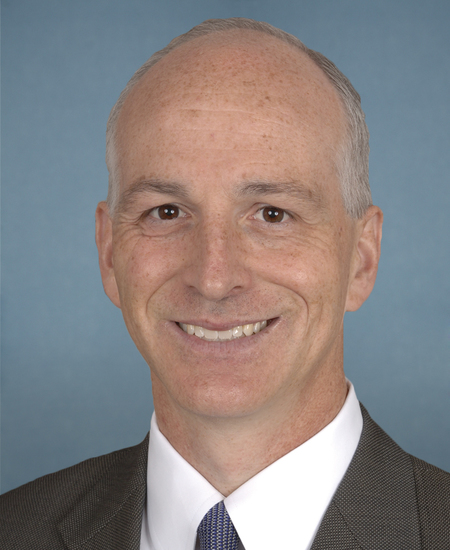
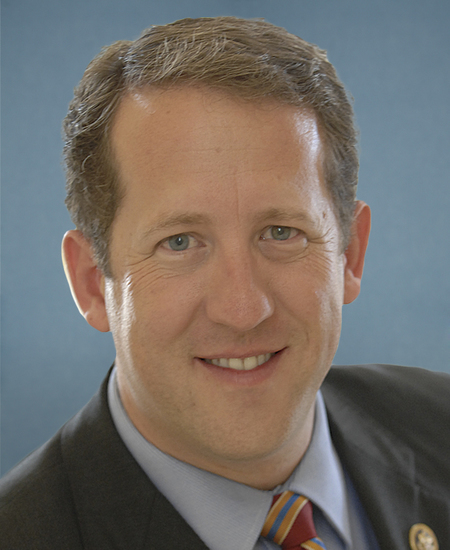
Adam Smith
100% support rate
Top opponent
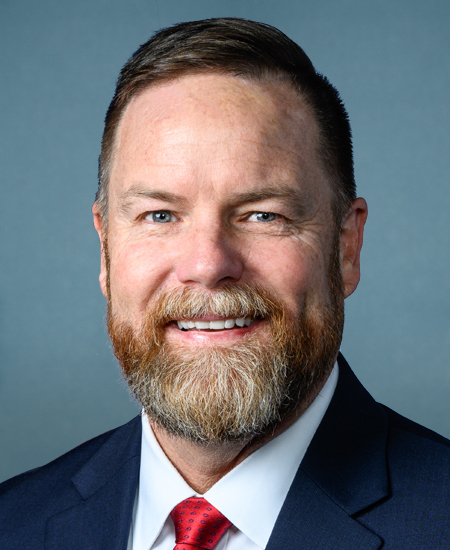
Aaron Bean
0% support rate
Ranked legislators
10
5 support · 5 oppose
Key legislators

Who's moving sentencing in United States

Legislators moving sentencing in United States
Legislator Party Stance Support rate Votes
Adam Smith
Adam Smith House · District 9
D
Strong +
100% 3
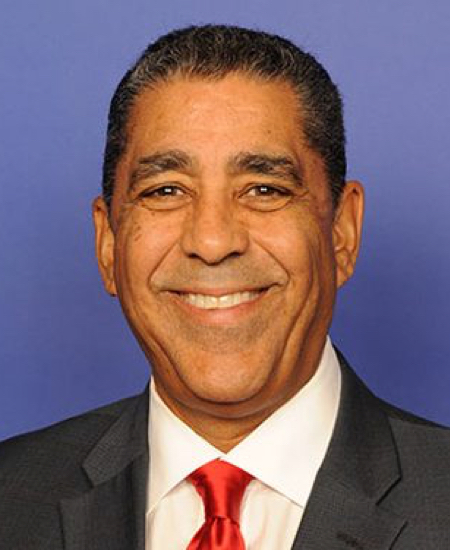
Adriano Espaillat
Adriano Espaillat House · District 13
D
Strong +
100% 3
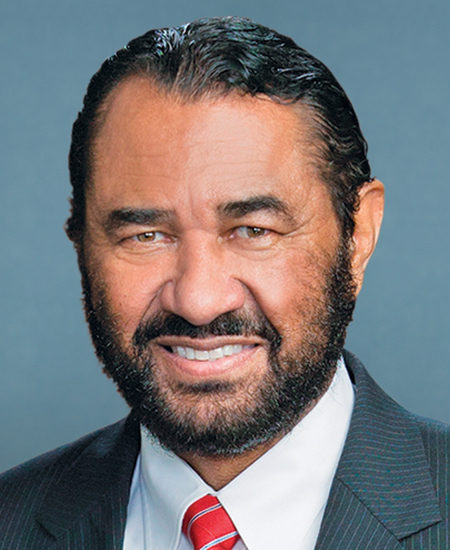
Al Green
Al Green House · District 9
D
Strong +
100% 3
Alexandria Ocasio-Cortez
Alexandria Ocasio-Cortez House · District 14
D
Strong +
100% 3
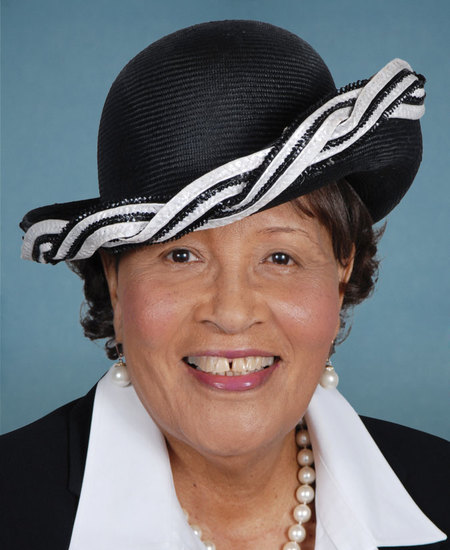
Alma S. Adams
Alma S. Adams House · District 12
D
Strong +
100% 3
Aaron Bean
Aaron Bean House · District 4
R
Strong −
0% 3
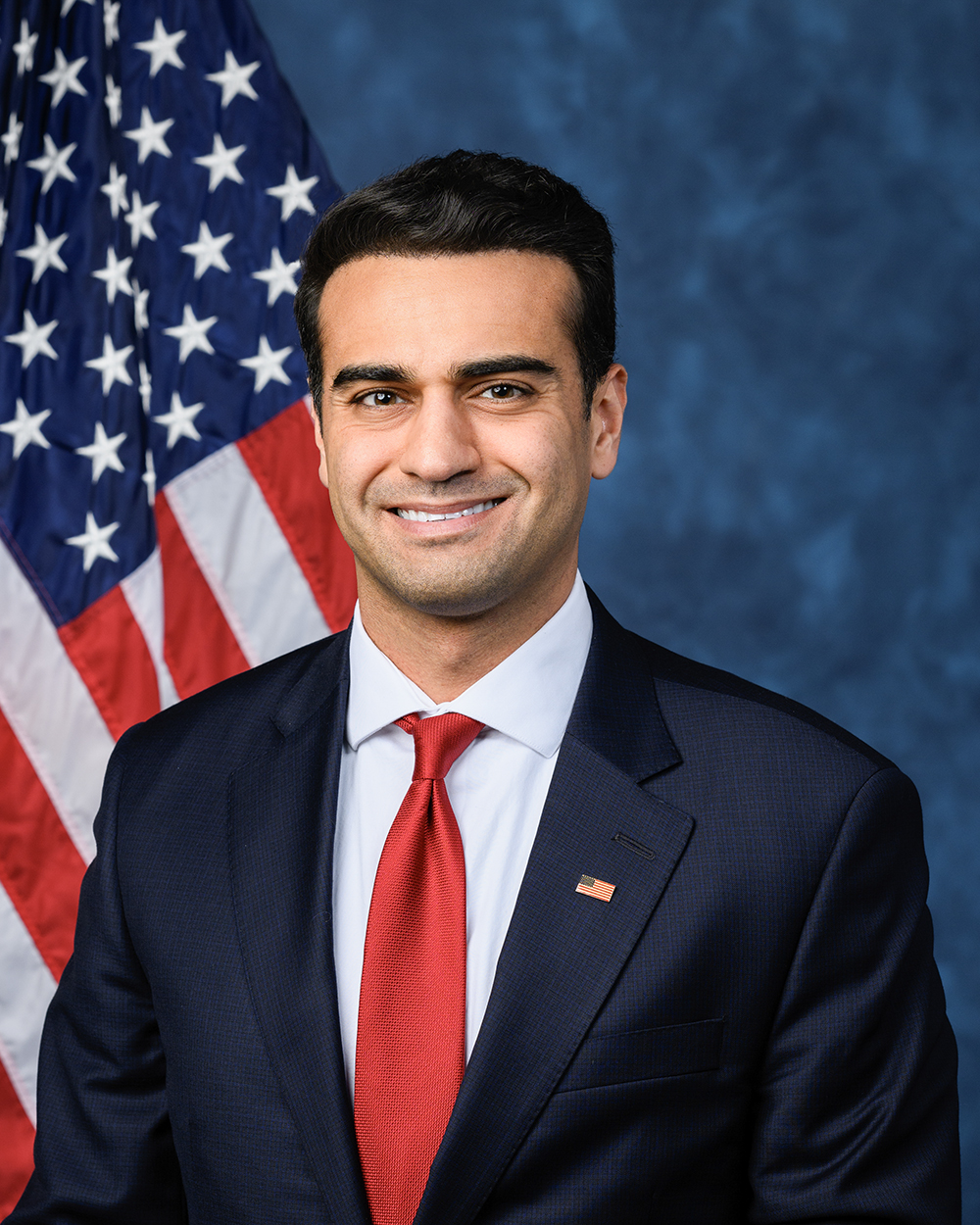
Abraham J. Hamadeh
Abraham J. Hamadeh House · District 8
R
Strong −
0% 3
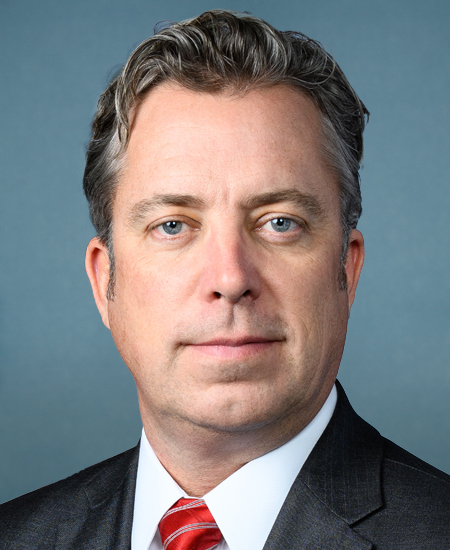
Adrian Smith
Adrian Smith House · District 3
R
Strong −
0% 3
Andrew Ogles
Andrew Ogles House · District 5
R
Strong −
0% 3
Andrew R. Garbarino
Andrew R. Garbarino House · District 2
R
Strong −
0% 3
Showing 91–100 of 103 bills

All criminal justice bills

in committee · United States · House Oct 17, 2025

HRES 818: Impeaching Deborah Boardman, Judge of the United States District Court for the District of Maryland, for high crimes and misdemeanors.

This resolution proposes impeaching Judge Deborah Boardman of the U.S. District Court for the District of Maryland, alleging she violated judicial standards by sentencing Nicholas John Roske - a man who attempted to assassinate Supreme Court Justice Brett Kavanaugh - to eight years (instead of the 30-year recommendation) - based on Roske’s transgender identity. The resolution claims Judge Boardman’s decision, which cited Roske as a "transgender woman" in sentencing, undermined the law and impartiality required of federal judges. It argues this conduct constitutes "high crimes and misdemeanors" by violating the constitutional standard for judicial "good behavior." The resolution is now referred to the House Judiciary Committee for further review.
Sub-Topics Courts Judges Sentencing
in committee · United States · House Jan 14, 2026

HR 7081: Sara’s Law and the Preventing Unfair Sentencing Act of 2026

This bill modifies federal sentencing for young people under 18 who were previously trafficked, abused, or assaulted before committing violent crimes. It allows judges to sentence below mandatory minimums and suspend parts of a sentence to account for the trauma the offender experienced. The law specifically applies to those convicted of violent offenses after the bill's enactment, provided the court finds clear evidence they were victimized under specific federal trafficking or abuse laws within the prior year. It directly affects minors with documented histories of victimization who commit violent acts, giving judges discretion to consider their trauma during sentencing.
in committee · United States · Senate May 21, 2025

S 1843: Second Chance Reauthorization Act of 2025

S 1843, the Second Chance Reauthorization Act of 2025, extends funding for existing federal reentry programs through 2030 instead of 2023. It updates timeframes across multiple programs, including state reentry demonstration projects (adding substance use disorder treatment and housing services), family-based substance abuse grants, prison education evaluations, career training for incarcerated individuals, and community mentoring programs. These programs directly support people returning from incarceration by providing critical services like recovery support, job training, and transitional housing. The bill makes no new policy changes but continues current federal funding mechanisms for reentry assistance.
in committee · United States · Senate Jul 10, 2025

S 2250: Restoring the Armed Career Criminal Act

This bill amends the Armed Career Criminal Act (ACCA) to reinstate stricter sentencing requirements for individuals with prior serious felony convictions. It mandates a minimum 15-year prison sentence (with no probation or suspended sentence) for anyone convicted under Section 922(g) who has three or more prior serious felony convictions, where each conviction was for an offense punishable by at least 10 years in prison under the statute. The bill defines "serious felony conviction" to include any offense with a statutory maximum sentence of 10+ years (regardless of actual sentencing guidelines) or consolidated convictions totaling 10+ years in a single proceeding. This applies only to offenses committed after the bill's enactment and affects individuals with three prior qualifying felony convictions who possess firearms.
in committee · United States · Senate Jan 7, 2026

S 3593: Punishing Health Care Fraudsters Act

S 3593, the "Punishing Health Care Fraudsters Act," increases penalties for healthcare fraud committed against federal programs like Medicare and Medicaid. It raises maximum prison sentences under federal law from 10 to 25 years and 20 to 30 years, and boosts fines from $100,000 to $250,000 per violation. The bill also requires the U.S. Sentencing Commission to update guidelines to better reflect the severity of fraud, considering factors like victim harm, financial loss, and privacy violations. This directly affects individuals or entities committing healthcare fraud, aiming to strengthen deterrence through harsher consequences.
in committee · United States · House Feb 13, 2025

HR 1292: Ensuring the Safety of Our Mail Act of 2025

HR 1292 increases the maximum prison sentence for mail theft from 5 to 10 years under federal law. It amends Title 18, U.S. Code, Section 1708 to raise penalties for stealing physical mail. This change directly affects individuals convicted of mail theft under current federal statutes. The bill modifies sentencing provisions without altering other aspects of mail theft law.
Sub-Topics Corrections Sentencing
in committee · United States · House Jan 6, 2026

HR 6953: Violent Insurrection Recidivist Enhancement Act of 2026

HR 6953, the Violent Insurrection Recidivist Enhancement Act of 2026, increases prison sentences for individuals convicted of repeat violent insurrection offenses. It directly affects people previously convicted of acts like unlawfully entering the Capitol, obstructing election certification, or damaging government property in response to election results. The bill mandates additional prison time (4 years minimum, up to 10 years for violent cases) if a defendant has a prior conviction for similar conduct, regardless of whether the earlier conviction was pardoned. For specific serious offenses like treason or murder of a federal official, it allows life imprisonment with a 15-year minimum if the defendant has a pattern of anti-democratic conduct.
Sub-Topics Corrections Sentencing
in committee · United States · House Aug 19, 2025

HRES 660: Recognizing that the United States has a moral obligation to meet its foundational promise of guaranteed justice for all.

This House Resolution (HRES 660) expresses the House of Representatives' position that the United States has a moral obligation to address the country's mass incarceration crisis. It identifies systemic issues including racial disparities in incarceration (Black people are incarcerated at 5 times the rate of White people), the disproportionate impact on women and LGBTQ+ individuals, and the economic burden of the justice system. The resolution calls for a "large-scale decarceration effort" that includes ending racial disparities, reducing prison populations through sentencing reform, ending cash bail, and investing in community-based safety solutions instead of punitive systems. While not legislation with binding effect, it serves as a statement of principles and framework for potential future policy changes to create a more just and humane justice system.
in committee · United States · House Jul 10, 2025

HR 4334: Restoring the Armed Career Criminal Act

HR 4334, "Restoring the Armed Career Criminal Act," amends federal sentencing rules for gun crimes. It requires a mandatory minimum 15-year prison sentence (with no probation or suspended sentence) for individuals convicted of violating gun laws who have three or more prior serious felony convictions. A "serious felony conviction" is defined as a prior offense punishable by at least 10 years in prison, including consolidated convictions totaling 10+ years. The bill applies to offenses committed after its enactment and does not create a right to challenge existing sentences under the new rules. It directly affects gun offenders with multiple prior violent or serious felony convictions.
in committee · United States · House Oct 31, 2025

HR 5883: Safer Supervision Act of 2025

The Safer Supervision Act of 2025 reforms federal supervised release by requiring courts to assess each defendant’s individual needs before imposing supervision, rather than automatically applying it. It establishes clear pathways for early termination after defendants serve 50% of their term (or 66.6% for certain drug/firearm offenses), provided they demonstrate good conduct, comply with conditions, and pose no public safety risk. The bill also mandates courts to document their supervision decisions and expands access to legal counsel for defendants seeking early release. These changes aim to reduce caseloads for probation officers, encourage rehabilitation, and improve public safety by tailoring supervision to actual risk.
Showing 91 to 100 of 103 bills