Issue · Criminal Justice

Criminal Justice (Corrections)

Every criminal justice bill, vote, and legislator stance in United States, automatically classified by Maddy, our AI policy reader.

Total bills
135
119th Congress
Top supporter
Adam B. Schiff
100% support rate
Top opponent
Frank J. Mrvan
0% support rate
Ranked legislators
10
5 support · 5 oppose
Key legislators

Who's moving corrections in United States

Legislators moving corrections in United States
Legislator Party Stance Support rate Votes
Adam B. Schiff
Adam B. Schiff Senate
D
Strong +
100% 3
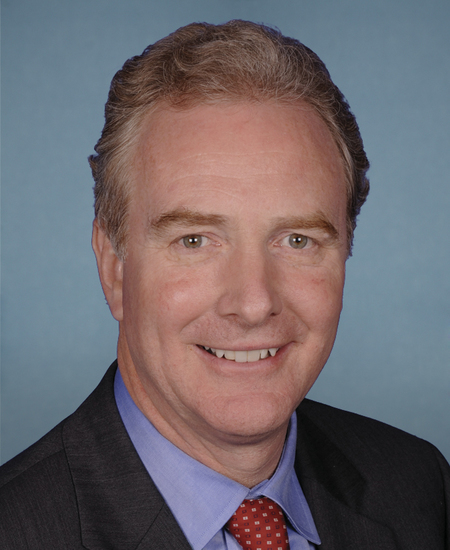
Chris Van Hollen
Chris Van Hollen Senate
D
Strong +
100% 3
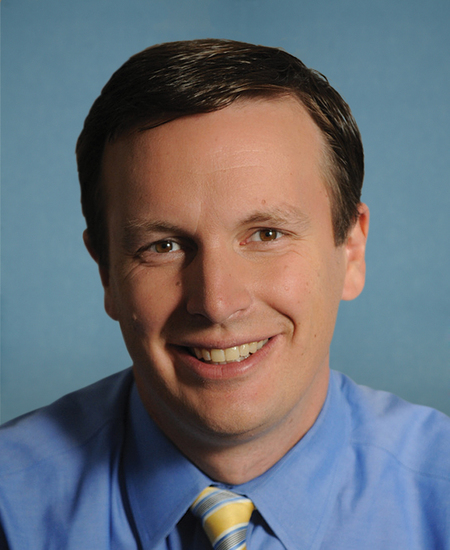
Christopher Murphy
Christopher Murphy Senate
D
Strong +
100% 3
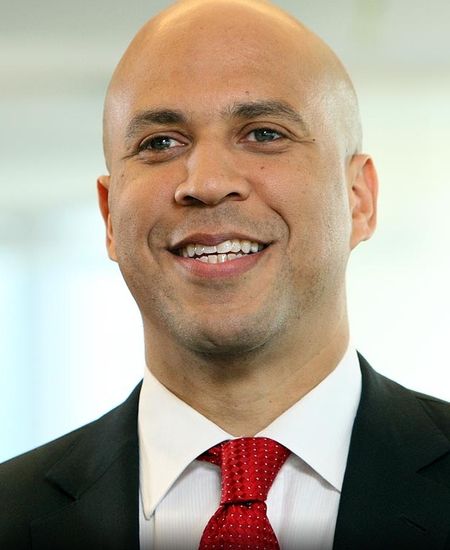
Cory A. Booker
Cory A. Booker Senate
D
Strong +
100% 3
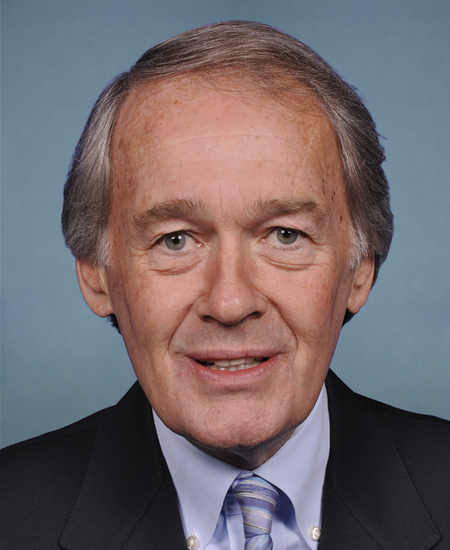
Edward J. Markey
Edward J. Markey Senate
D
Strong +
100% 3
Frank J. Mrvan
Frank J. Mrvan House · District 1
D
Strong −
0% 5
Amy Klobuchar
Amy Klobuchar Senate
D
Strong −
0% 3
Andy Kim
Andy Kim Senate
D
Strong −
0% 3
Angus S. King, Jr.
Angus S. King, Jr. Senate
I
Strong −
0% 3
Ashley Moody
Ashley Moody Senate
R
Strong −
0% 3
Showing 91–100 of 135 bills

All criminal justice bills

in committee · United States · House Oct 8, 2025

HR 5721: Protect Our Judiciary Act of 2025

HR 5721, the Protect Our Judiciary Act of 2025, amends federal law to prohibit protests near judicial buildings. It makes it illegal to picket, parade, or use loud vehicles like sound trucks near buildings occupied by judges, jurors, witnesses, or court officers. Violators face fines or up to one year in prison. The bill directly affects individuals engaging in demonstrations near these locations, expanding existing restrictions to specifically include noise-making devices and other public demonstrations.
in committee · United States · House Jun 27, 2025

HRES 561: Honoring the life and legacy of Father Stan, a prominent human rights activist who died while in custody of the Indian State on July 5, 2021, and encouraging India to pursue an independent investigation into his arrest, incarceration, and death.

HRES 561 is a symbolic resolution honoring Father Stan, a human rights activist who died in Indian custody on July 5, 2021. It urges the Indian government to conduct an independent investigation into his arrest, imprisonment, and death, which occurred after he was charged with sedition and incarcerated for advocating for Adivasi land rights. The resolution also calls for addressing the misuse of antiterror laws against activists and reaffirms support for freedom of expression as a fundamental human right. It directly affects India’s government by requesting accountability for the circumstances surrounding Father Stan’s death, which forensic reports linked to fabricated evidence. The resolution does not create new laws but expresses the U.S. House’s position on human rights protections.
Sub-Topics Corrections
in committee · United States · House Apr 1, 2025

HR 2586: Reentry Act of 2025

HR 2586, the Reentry Act of 2025, amends Medicaid rules to allow incarcerated individuals to receive Medicaid coverage during the 30 days immediately before their release from prison or jail. This directly affects people leaving correctional facilities, ensuring they can access health care as they transition back into communities. The bill requires a report within 18 months analyzing current health care standards in prisons, the number of people who would gain coverage, and current discharge practices to improve Medicaid enrollment for newly released individuals. The report will also assess how to better connect people with community health services and addiction treatment after release.
in committee · United States · House Feb 2, 2026

HR 7309: Reentry Resource Guide Act of 2026

HR 7309, the Reentry Resource Guide Act of 2026, creates a federal pilot program to fund states in developing digital resource guides for people returning to communities after incarceration. The bill requires states to create comprehensive, regionally sortable online guides listing contact information for 30+ essential services - including housing, employment, healthcare, crisis lines, substance abuse treatment, and disability support - available for download. States apply for 3-year grants (up to $8 million annually from 2027-2030) to build these guides, with funds covering planning, staffing, and maintenance. Grantees must report annually on fund use, and the Attorney General will evaluate the program’s impact on recidivism after the pilot ends. The direct beneficiaries are formerly incarcerated individuals seeking access to critical community resources.
in committee · United States · House Feb 26, 2026

HR 7733: Ensuring OB–GYN Care in Prisons Act

This bill requires the Bureau of Prisons to employ at least one full-time, board-certified OB-GYN at every federal prison housing female inmates. It mandates specific services including menstrual care, contraception, prenatal care, cancer screenings, and postpartum support, along with patient protections like informed consent and the right to refuse non-emergency care. The bill also requires initial OB-GYN visits within 14 days of incarceration and establishes a process for referrals to other specialists without delays. Annual reports to Congress will track facility compliance, staffing vacancies, and health outcomes like prenatal visits, childbirths, and pregnancy-related deaths.
in committee · United States · House Jan 14, 2026

HR 7072: FAIR Justice Act

HR 7072, the FAIR Justice Act, aims to prevent political interference in federal prosecutions by prohibiting certain high-level government officials from requesting criminal investigations or prosecutions for political reasons. It directly affects the President, Vice President, their senior staff, and specific executive branch appointees (as defined in federal law). The bill requires officials who receive such politically motivated requests to report them to the Department of Justice Inspector General within 45 days, and imposes penalties including fines or up to five years in prison for violations. This legislation creates new legal safeguards against using the Justice Department for political advantage.
Sub-Topics Corrections
in committee · United States · Senate Dec 15, 2025

S 3485: Safer Detention Act of 2025

This bill (S 3485) expands home detention options for elderly or terminally ill nonviolent offenders already serving prison sentences. It amends the Second Chance Act to allow courts, after considering sentencing factors, to substitute home detention for the remaining prison time if an offender meets specific criteria (e.g., age, nonviolent offense) and submits a request. Key changes include shortening the required sentence reduction from two-thirds to one-half of the original term (minus credits) and establishing clear timelines: courts must act within 30 days of a request or after exhausting all appeals regarding the Bureau of Prisons' failure to process the request. The bill directly affects eligible incarcerated individuals, not the general public.
Sub-Topics Corrections Sentencing
in committee · United States · Senate Jan 13, 2026

S 3626: Federal Correctional Officer Paycheck Protection Act of 2026

This bill increases base pay for Federal correctional officers by 35% above their current General Schedule or law enforcement officer rates, replacing their existing base pay for all compensation purposes. It directly affects Bureau of Prisons correctional officers whose duties involve inmate custody, control, or routine direct contact in custodial settings, including certain supervisory roles. The pay increase is capped at the rate for Executive Schedule Level V (for officers) or Level IV (for Federal Wage System employees), and expires after five years unless the Department of Justice Inspector General certifies progress in reducing non-custodial staff "augmentation" and excessive overtime. The law requires a review 180 days before expiration to assess staffing changes and impacts on recruitment, retention, and safety.
in committee · United States · House Feb 13, 2026

HR 7572: No Vigilante Checkpoints and Civil Rights Protection Act of 2026

HR 7572 prohibits private individuals or groups from setting up checkpoints, demanding identification, or conducting vehicle searches without legal authority, directly affecting those engaging in such activities. It creates a federal crime punishable by up to 5 years in prison (or 10 years if weapons or injury are involved) for actions interfering with law enforcement. The bill also allows victims to sue for $10,000 per violation plus additional damages, with no qualified immunity for defendants. This law aims to protect Fourth Amendment rights by preventing unauthorized checkpoint operations that undermine civil liberties and federal operations.
Sub-Topics Civil Rights Corrections Law Enforcement Tags Civil Liberties
in committee · United States · House Feb 12, 2026

HR 7535: Second Chance Mental Health Access Act of 2026

This bill requires states to cover 12 annual telehealth mental health visits for Medicaid enrollees who were recently incarcerated in a public institution and are under court-ordered home confinement. It amends Medicaid law to mandate this coverage specifically for individuals released from prison and subject to home confinement, effective after the bill's enactment. The provision applies to all states operating under Medicaid plans or waivers, ensuring consistent access to mental health support during the reentry phase. It directly affects formerly incarcerated individuals transitioning from prison to home supervision, focusing on accessible mental health care through telehealth. The policy change is limited to Medicaid-covered telehealth visits during the period of home confinement, with no additional funding specified.
Showing 91 to 100 of 135 bills
Previous 1 9 10 11 14 Next