Issue · Criminal Justice

Criminal Justice

Every criminal justice bill, vote, and legislator stance in United States, automatically classified by Maddy, our AI policy reader.

Total bills
301
119th Congress
Top supporter
Alan Armstrong
86% support rate
Top opponent
Amy Klobuchar
13% support rate
Ranked legislators
10
5 support · 5 oppose
Key legislators

Who's moving criminal justice in United States

Legislators moving criminal justice in United States
Legislator Party Stance Support rate Decisive votes
AA
Alan Armstrong Senate
R
Strong +
86% 28
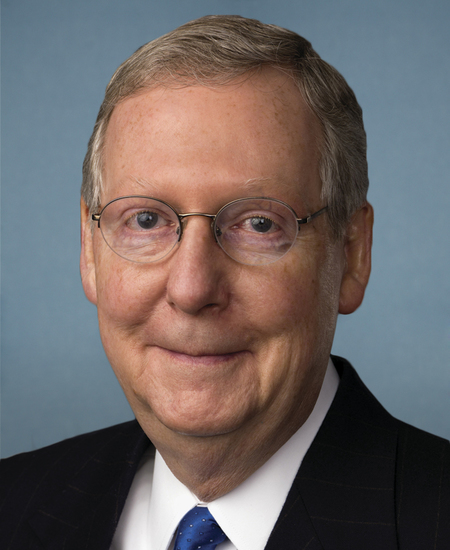
Mitch McConnell
Mitch McConnell Senate
R
Strong +
84% 31
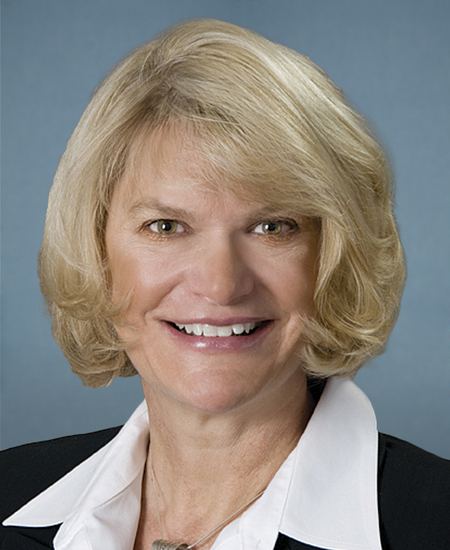
Cynthia M. Lummis
Cynthia M. Lummis Senate
R
Strong +
80% 30
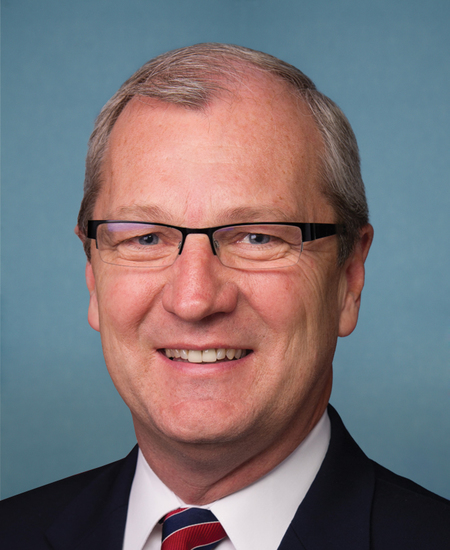
Kevin Cramer
Kevin Cramer Senate
R
Strong +
80% 30
Bernie Moreno
Bernie Moreno Senate
R
Support
77% 31
Amy Klobuchar
Amy Klobuchar Senate
D
Strong −
13% 31
Catherine Cortez Masto
Catherine Cortez Masto Senate
D
Strong −
13% 31
Margaret Wood Hassan
Margaret Wood Hassan Senate
D
Strong −
13% 31
Andy Kim
Andy Kim Senate
D
Strong −
16% 31
Angus S. King, Jr.
Angus S. King, Jr. Senate
I
Strong −
16% 31
Showing 91–100 of 301 bills

All criminal justice bills

in committee · United States · Senate Jul 9, 2025

S 2227: SPIES Act

S 2227, the SPIES Act, removes time limits for prosecuting specific espionage-related offenses under federal law. It eliminates statutes of limitations for violations of sections 951 (espionage), 794 (procurement of citizenship unlawfully), or 1425 (harboring persons to facilitate espionage), as long as the 1425 violation was used to aid a 951 offense. This change directly affects federal prosecutors, who can now bring charges for these crimes at any time, and individuals accused of such offenses. The bill amends Title 18 of the U.S. Code to add "Espionage offenses" as section 3302, clarifying the scope of these time-free prosecutions. It does not alter the definitions of the underlying crimes but changes the procedural timeline for their prosecution.
in committee · United States · House Mar 19, 2026

HR 8000: END 7-OH Act

This bill proposes to add 7-hydroxymitragynine to Schedule I of the Controlled Substances Act, classifying it as a controlled substance. The legislation specifically excludes naturally occurring 7-hydroxymitragynine found in kratom plants from this classification while including synthetic versions. This change would require federal regulation of synthetic forms of the compound but would not affect kratom products containing the substance in its natural state. The bill directly impacts pharmaceutical manufacturers and synthetic drug producers who would need to comply with new federal scheduling requirements.
Sub-Topics Drug Policy
in committee · United States · Senate Dec 3, 2025

S 3327: D.C. Shield Law Repeal Act

This bill repeals the D.C. Human Rights Sanctuary Amendment Act of 2022 (D.C. Law 24-257), restoring the District of Columbia's prior legal framework regarding immigration enforcement. It directly affects D.C. residents and local government operations by eliminating the 2022 law's restrictions on cooperating with federal immigration authorities. The key mechanism is a straightforward repeal, meaning all provisions of the 2022 law are removed and previous laws governing immigration enforcement in D.C. are reinstated as if the amendment never existed.
in committee · United States · House Mar 18, 2026

HR 7988: Safe Passage to the World Cup Act

This bill restricts the use of federal funds for immigration enforcement on public transit and at transit hubs during the 2026 FIFA World Cup. It directly affects the Department of Homeland Security and the Department of Justice by prohibiting civil immigration enforcement activities in metropolitan areas hosting World Cup matches or fan festivals from June 11, 2026, through July 19, 2026. The restriction applies except in cases of exigent circumstances, which include imminent threats of death or violence, national security risks, immediate arrest of dangerous individuals, or the need to prevent destruction of evidence. The law defines these exceptions to allow enforcement when there is an immediate risk to public safety or national security.
in committee · United States · House Jul 21, 2026

HR 7970: STOP Nitazenes Act

This bill, known as the STOP Nitazenes Act, directs the federal government to permanently classify nitazenes and related synthetic opioids as Schedule I controlled substances, placing them in the same legal category as heroin and fentanyl. The legislation specifically targets a broad range of chemical compounds, including etonitazene and other variants, by defining them as 2-benzylbenzimidazole opioids and requiring the Attorney General to publish a list of qualifying substances. Under the bill, any nitazene substance temporarily scheduled under emergency provisions would be made permanently scheduled upon enactment, ensuring long-term federal control. The law also mandates that the Attorney General issue implementing rules within one year, allowing for immediate interim enforcement while providing opportunities for public comment before final regulations are established.
in committee · United States · Senate Feb 26, 2026

S 3933: ICE Funding Accountability Act

S 3933, the ICE Funding Accountability Act, prohibits using funds from Public Law 119-21 to pay salaries for U.S. Immigration and Customs Enforcement (ICE) or U.S. Customs and Border Protection (CBP) agents hired after the bill's enactment date. It also bans spending those funds on recruiting, advertising for new hires, or offering retention or sign-on bonuses for such agents. This bill directly affects new ICE and CBP personnel by restricting salary and recruitment funding for roles filled after the law takes effect.
in committee · United States · Senate Dec 11, 2025

S 3458: Background Check Completion Act of 2025

This bill amends federal law to remove a specific deadline for completing background checks on firearm purchases. It deletes the requirement that background checks must be completed within 10 business days, as previously established under the Brady Handgun Violence Prevention Act. The change directly affects firearm sellers (such as licensed dealers) who conduct these checks, removing a strict timeline for completing the process. The bill focuses on technical adjustments to existing background check procedures without altering the underlying requirements for the checks themselves.
Sub-Topics Firearms
in committee · United States · Senate Dec 18, 2025

S 3567: Cartel Marque and Reprisal Authorization Act of 2025

This bill authorizes the President to issue "letters of marque and reprisal" to privately armed groups to target cartel members and associates outside U.S. territory. It requires a security bond for each commission and defines "cartel" using two existing legal references (a 2025 executive order and 21 U.S.C. 2341(5)). The measure directly affects individuals designated as cartel members by the President, enabling private groups to seize their property abroad. It does not create new penalties but authorizes specific enforcement mechanisms under constitutional authority. The bill focuses solely on targeting cartel-related threats outside U.S. borders, with no domestic application.
in committee · United States · House Jan 3, 2025

HR 62: WILLIS Act

HR 62, the WILLIS Act, prohibits all federal funding for the Fulton County District Attorney’s Office. It requires the office to repay all federal funds spent after January 1, 2021, and cancels any unobligated federal funds allocated to the office. The bill directly affects the Fulton County District Attorney’s Office by cutting its federal funding stream. It applies to all federal programs that previously provided money to this office, with no new funding allowed.
in committee · United States · House Sep 16, 2025

HR 5415: Nitazene Control Act of 2025

This bill permanently bans nitazenes and all structurally related synthetic opioids under federal law, creating a broad definition that covers numerous chemical variations designed to evade current restrictions. It directly affects anyone manufacturing, distributing, or possessing these substances without authorization, including illicit drug producers and users. The key mechanism is a class-wide Schedule I classification that includes specific structural features (like modified benzimidazole rings) and excludes new analogs from legal loopholes. This approach aims to prevent new nitazene variants from entering the illegal market and addresses their role in overdose deaths. Substances previously temporarily banned under similar rules will now be permanently prohibited as of the bill's enactment.
Sub-Topics Drug Policy
Showing 91 to 100 of 301 bills
Previous 1 … 9 10 11 … 31 Next