

Issue · Budget & Taxes
Budget & Taxes
Every budget & taxes bill, vote, and legislator stance in United States, automatically classified by Maddy, our AI policy reader.
Total bills
2,101
119th Congress
Top supporter
Clay Fuller
87% support rate
Top opponent
Eleanor Holmes Norton
0% support rate
Ranked legislators
10
5 support · 5 oppose
Key legislators
Who's moving budget & taxes in United States
| Legislator | Party | Stance | Support rate | Decisive votes |
|---|---|---|---|---|

Clay Fuller
House · District 14
|
R |
Strong +
|
87% | 46 |

Tina Smith
Senate
|
D |
Strong +
|
83% | 77 |

Andrew Ogles
House · District 5
|
R |
Strong +
|
83% | 65 |
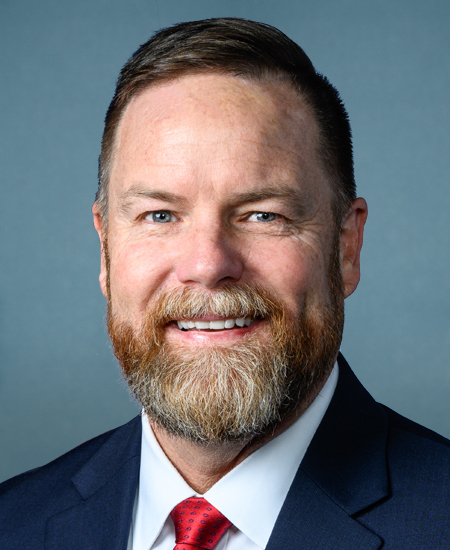
Aaron Bean
House · District 4
|
R |
Strong +
|
83% | 69 |
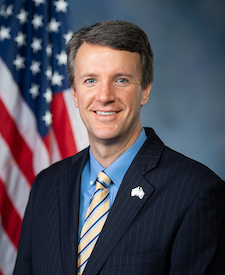
Ben Cline
House · District 6
|
R |
Strong +
|
83% | 69 |

Eleanor Holmes Norton
House · District At-Large
|
D |
Strong −
|
0% | 26 |

Pablo José Hernández
House · District At-Large
|
D |
Strong −
|
7% | 28 |

Analilia Mejia
House · District 11
|
D |
Strong −
|
13% | 45 |
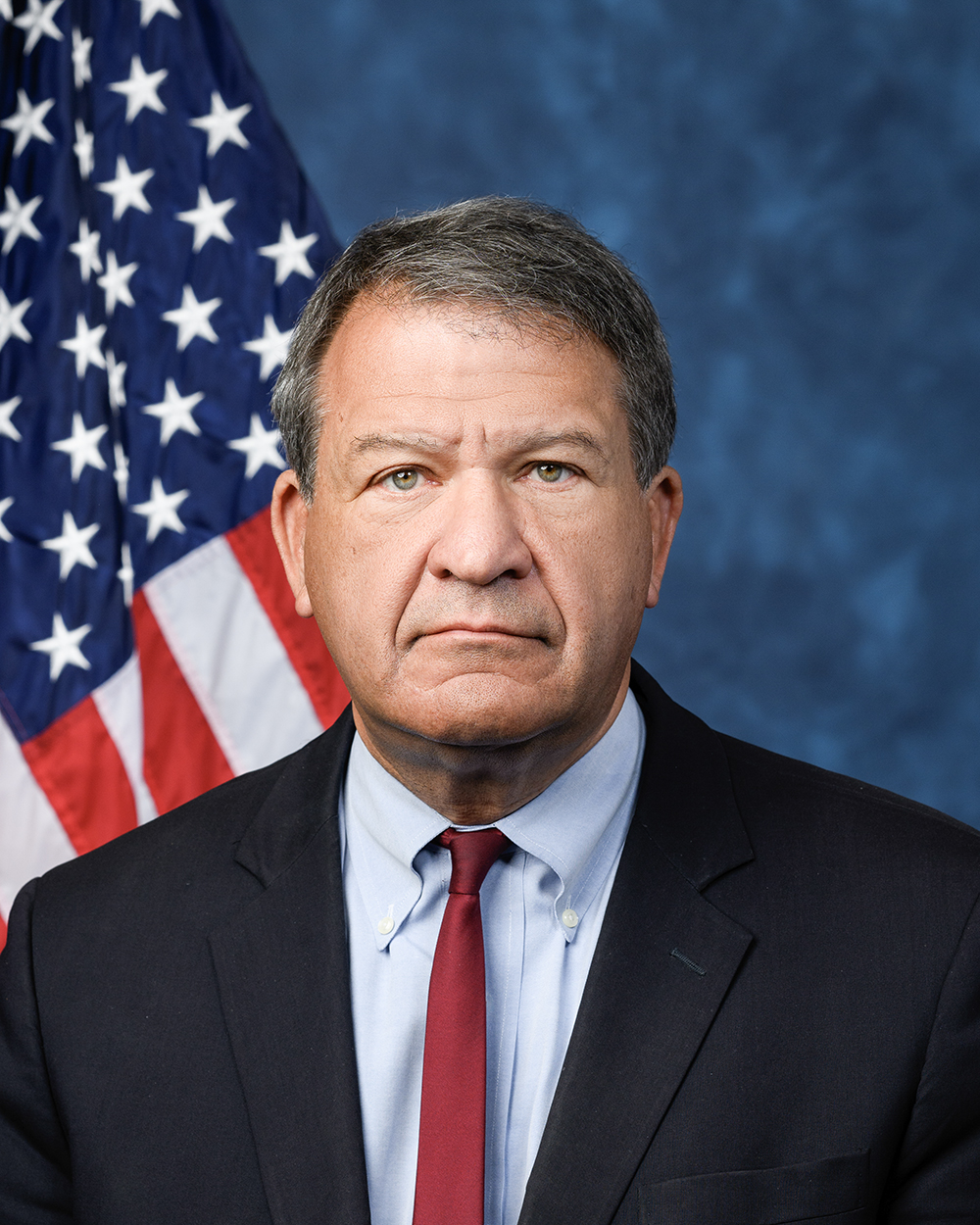
George Latimer
House · District 16
|
D |
Strong −
|
13% | 67 |
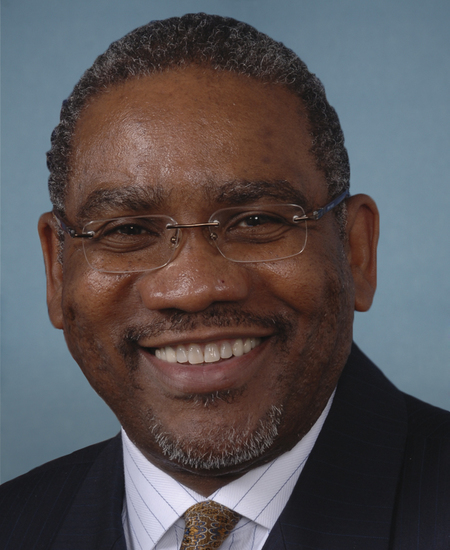
Gregory W. Meeks
House · District 5
|
D |
Strong −
|
14% | 66 |
Showing 961–970 of 2,101
bills
All budget & taxes bills
HR 1691: Employee Business Expense Deduction Reinstatement Act of 2025
Topics
✓ Budget & TaxesSupports Budget & TaxesReinstates employee tax deduction with 1% AGI floor (down from 2%), providing tax relief for lower-income workers through expanded deduction access.
✓ Labor & EmploymentSupports Labor & EmploymentRestores tax deduction for unreimbursed work expenses, lowers AGI floor to 1% for lower-income workers, directly advancing worker financial security and reducing out-of-pocket costs.
HR 1745: HOPE for Homeownership Act
Topics
✓ Budget & TaxesSupports Budget & TaxesImposes targeted taxes on hedge funds to encourage property sales, aligning with fiscal responsibility and closing potential loopholes for large investors.
✓ HousingSupports HousingTax on hedge funds owning excess properties incentivizes sales to increase housing supply, directly advancing affordable housing goals through market intervention.
HR 2279: No Tax on LOSAP Act
Topics
✓ Budget & TaxesSupports Budget & TaxesIncreases tax exclusion for employee awards from $50 to $1,000, providing direct tax relief to recipients by reducing taxable income for length-of-service awards.
✓ Labor & EmploymentSupports Labor & EmploymentBill expands tax exclusion for length-of-service awards, increasing employee benefits and protecting worker compensation.
HR 1868: Stop Tax Penalties on American Hostages Act of 2025
HR 1647: Tribal Climate Health Assurance Act of 2025
Topics
✓ Budget & TaxesSupports Budget & TaxesAuthorizes $110M annual funding for tribal climate health initiative, directly increasing government spending on public health preparedness.
✓ EnvironmentSupports EnvironmentBill authorizes $110M annually for Climate Ready Tribes Initiative to prepare for climate-related health threats, directly funding climate adaptation and environmental protection efforts.
✓ HealthcareSupports HealthcareAuthorizes $110M annually for CDC-led climate health preparedness with National Indian Health Board, directly funding tribal public health services to address climate-related health threats.
HR 1669: To amend the Public Health Service Act to reauthorize the Stop, Observe, Ask, and Respond to Health and Wellness Training Program.
Topics
✓ Budget & TaxesSupports Budget & TaxesBill extends federal funding for SOAR health training program (2026-2030), ensuring continued government spending on healthcare workforce development.
✓ HealthcareSupports HealthcareReauthorizes and extends funding for healthcare provider training program (SOAR) under Public Health Service Act, directly advancing provider capacity to address patient health behaviors.
Sub-Topics
Public Health
HR 1571: Bureaucratic Labor Adjustment and Downsizing Effort Act
Topics
✓ Budget & TaxesSupports Budget & TaxesBill reduces government spending by eliminating non-essential positions and blocking funding for abolished roles, promoting fiscal responsibility per Budget & Taxes indicators.
✗ Labor & EmploymentOpposes Labor & EmploymentBill eliminates non-essential federal positions, reducing executive branch workforce and weakening employment standards by preventing job replacement upon vacancy.
Sub-Topics
Public Employees
HR 1496: Rare Earth Magnet Security Act of 2025
Topics
✓ Budget & TaxesSupports Budget & TaxesBill creates tax credits ($20-$30/kg) for domestic rare earth magnet production, directly advancing fiscal incentives for manufacturing under Budget & Taxes.
✓ EnergySupports EnergyTax credits for domestic rare earth magnet production directly support renewable energy infrastructure (e.g., wind turbines, EVs), aligning with clean energy investment indicators.
✓ TechnologySupports TechnologyBill provides tax incentives for domestic rare earth magnet production, supporting technology supply chain security and manufacturing capabilities.
Sub-Topics
Tax Credits