

Issue · Budget & Taxes
Budget & Taxes
Every budget & taxes bill, vote, and legislator stance in United States, automatically classified by Maddy, our AI policy reader.
Total bills
2,101
119th Congress
Top supporter
Clay Fuller
87% support rate
Top opponent
Eleanor Holmes Norton
0% support rate
Ranked legislators
10
5 support · 5 oppose
Key legislators
Who's moving budget & taxes in United States
| Legislator | Party | Stance | Support rate | Decisive votes |
|---|---|---|---|---|

Clay Fuller
House · District 14
|
R |
Strong +
|
87% | 46 |

Tina Smith
Senate
|
D |
Strong +
|
83% | 77 |

Andrew Ogles
House · District 5
|
R |
Strong +
|
83% | 65 |

Aaron Bean
House · District 4
|
R |
Strong +
|
83% | 69 |
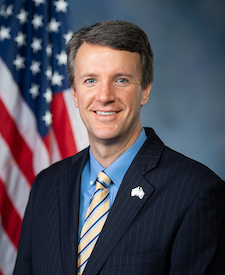
Ben Cline
House · District 6
|
R |
Strong +
|
83% | 69 |

Eleanor Holmes Norton
House · District At-Large
|
D |
Strong −
|
0% | 26 |

Pablo José Hernández
House · District At-Large
|
D |
Strong −
|
7% | 28 |

Analilia Mejia
House · District 11
|
D |
Strong −
|
13% | 45 |
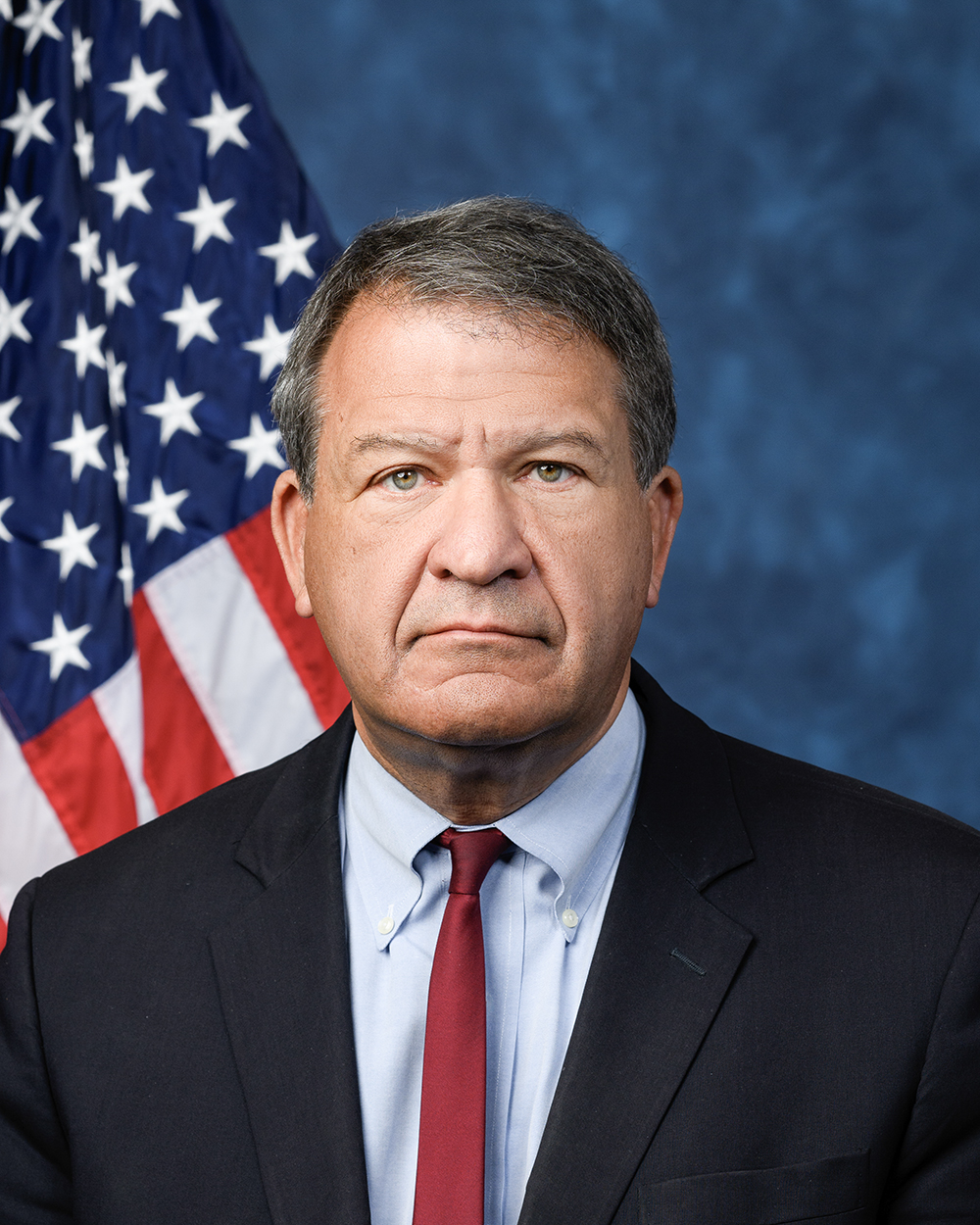
George Latimer
House · District 16
|
D |
Strong −
|
13% | 67 |
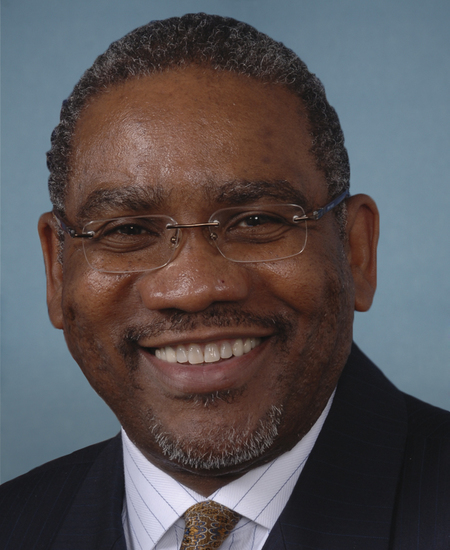
Gregory W. Meeks
House · District 5
|
D |
Strong −
|
14% | 66 |
Showing 841–850 of 2,101
bills
All budget & taxes bills
HR 363: Territorial Economic Recovery Act
Sub-Topics
Tax Incentives
HR 366: To amend the Internal Revenue Code of 1986 to cover into the treasury of the Virgin Islands revenue from tax on fuel produced in the Virgin Islands and entered into the United States.
Sub-Topics
Revenue
HR 445: Border Security Investment Act
Topics
✓ Budget & TaxesSupports Budget & TaxesImposes 37% fee on money transfers (tax) to fund border security trust funds, directly allocating tax revenue to government programs per bill's funding mechanism.
✗ ImmigrationOpposes ImmigrationFunds border security via fees on remittances to high-entry countries, directing funds to enforcement infrastructure and state reimbursements, aligning with restrictive immigration enforcement measures.
Sub-Topics
Border Security
HR 402: DEBT Act
HR 609: Assuring Medicare’s Promise Act of 2025
Topics
✓ Budget & TaxesSupports Budget & TaxesExpands tax base on high-income earners ($400k+) to fund Medicare Hospital Insurance Trust Fund, directly increasing revenue for essential healthcare program.
✓ HealthcareSupports HealthcareDirects tax revenue to Medicare Hospital Insurance Trust Fund, strengthening funding for Medicare services and preventing potential shortfalls.
HR 369: States’ Education Reclamation Act of 2025
Topics
✓ Budget & TaxesSupports Budget & TaxesBill provides annual federal grants for education requiring states to supplement existing budgets (not replace), promoting additive spending and fiscal accountability under government spending framework.
✓ EducationSupports EducationProvides annual federal grants for K-12/higher ed requiring states to add to, not replace, existing budgets, ensuring increased funding support while restructuring program management.
✓ Labor & EmploymentSupports Labor & EmploymentTransfers job training programs to Department of Labor, aligning with labor workforce development goals.
Sub-Topics
Audits & Accountability
Higher Education
K-12 Education
Student Financial Aid
Workforce Development
HR 262: Disaster Reforestation Act
Topics
✓ Budget & TaxesSupports Budget & TaxesCreates tax deduction for timber loss, reducing taxable income and aligning with tax relief indicators for property owners affected by disasters.
✓ EnvironmentSupports EnvironmentBill mandates reforestation within 5 years to maintain tax benefits for timber loss, directly promoting forest conservation and environmental restoration as a condition for tax deduction.
HR 266: Educational Opportunity and Success Act of 2025
Topics
✓ Budget & TaxesSupports Budget & TaxesAuthorizes $1.1B for TRIO programs, directly increasing public education funding allocation under state budget priorities for low-income student support.
✓ EducationSupports EducationBill increases funding for TRIO programs by $1.1B, expands access for low-income/first-gen students, and strengthens grant protections to advance educational opportunity.
HR 536: Agricultural Environmental Stewardship Act of 2025
Topics
✓ Budget & TaxesSupports Budget & TaxesExtends tax credit deadline for biogas property, providing continued tax relief to agricultural businesses under IRS provisions.
✓ EnergySupports EnergyExtends tax credit for biogas systems, a renewable energy source, directly promoting clean energy development and infrastructure.
✓ EnvironmentSupports EnvironmentExtends tax credit for biogas systems converting organic waste to renewable energy, promoting clean energy adoption and reducing emissions from agricultural waste.