Issue · Budget & Taxes

Budget & Taxes

Every budget & taxes bill, vote, and legislator stance in United States, automatically classified by Maddy, our AI policy reader.

Total bills
305
119th Congress
Top supporter
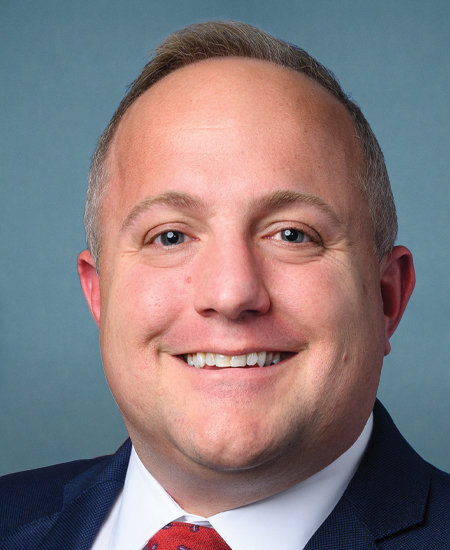
Clay Fuller
86% support rate
Top opponent
Eleanor Holmes Norton
0% support rate
Ranked legislators
10
5 support · 5 oppose
Key legislators

Who's moving budget & taxes in United States

Legislators moving budget & taxes in United States
Legislator Party Stance Support rate Votes
Clay Fuller
Clay Fuller House · District 14
R
Strong +
86% 55
Tina Smith
Tina Smith Senate
D
Strong +
83% 251
Andrew Ogles
Andrew Ogles House · District 5
R
Strong +
83% 175
Russell Fry
Russell Fry House · District 7
R
Strong +
82% 186
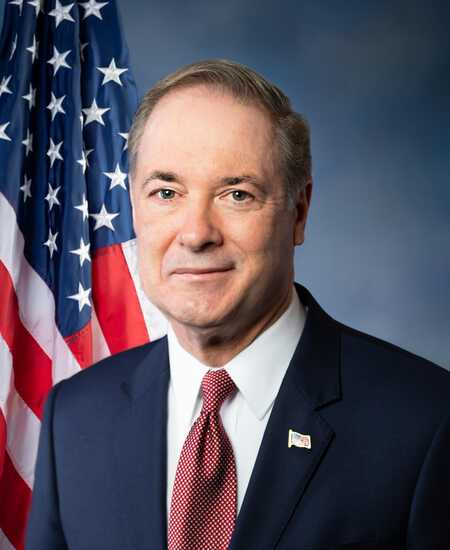
John Joyce
John Joyce House · District 13
R
Strong +
82% 185
Eleanor Holmes Norton
Eleanor Holmes Norton House · District At-Large
D
Strong −
0% 46
Pablo José Hernández
Pablo José Hernández House · District At-Large
D
Strong −
7% 46
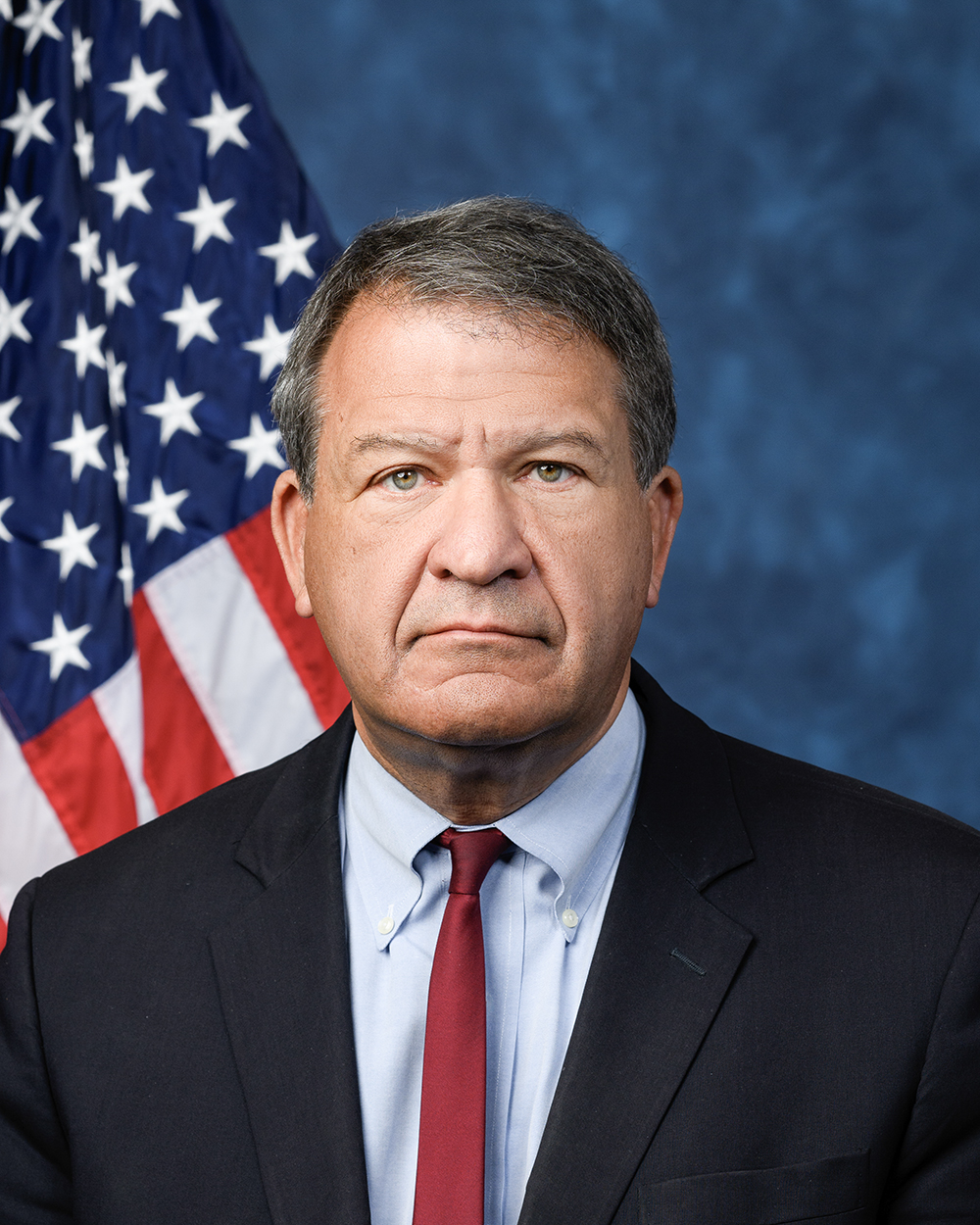
George Latimer
George Latimer House · District 16
D
Strong −
14% 181
Analilia Mejia
Analilia Mejia House · District 11
D
Strong −
14% 52
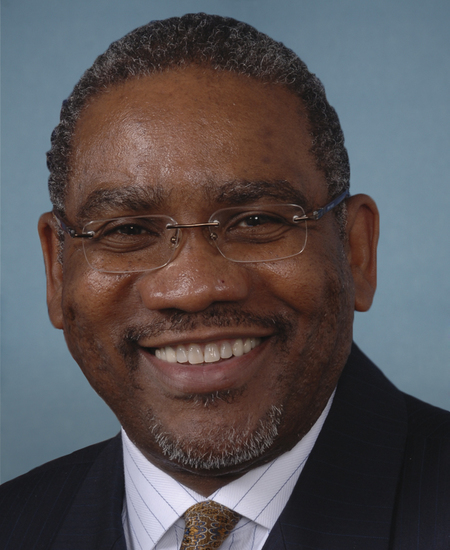
Gregory W. Meeks
Gregory W. Meeks House · District 5
D
Strong −
14% 181
Showing 51–60 of 305 bills

All budget & taxes bills

in committee · United States · House Apr 15, 2026

HR 8316: Donald J. Trump Wealth Tax Act of 2026

This bill, the Donald J. Trump Wealth Tax Act of 2026, proposes a one-time tax on the net worth of certain high-net-worth individuals and trusts. It levies a 14.25% tax on the portion of an applicable taxpayer's net worth that exceeds $10 million, as determined on the date of the bill's enactment. "Net worth" includes the fair market value of all assets minus bona fide liabilities, but excludes an individual's primary residence and associated mortgage debt. The bill's stated purpose, according to its findings, is to raise significant revenue to reduce the national debt.
in committee · United States · House Mar 26, 2026

HR 8108: End Polluter Welfare for Enhanced Oil Recovery Act of 2026

This bill, titled the "End Polluter Welfare for Enhanced Oil Recovery Act of 2026," eliminates federal tax credits related to enhanced oil recovery (EOR). It directly affects oil and gas companies that utilize or plan to utilize EOR methods. Specifically, the bill strikes Section 43 of the Internal Revenue Code, thereby ending the existing Enhanced Oil Recovery Credit. Furthermore, for new facilities constructed after the bill's enactment, it removes eligibility for the carbon capture tax credit (Section 45Q) when captured carbon oxide is used for enhanced oil recovery. These changes discontinue tax incentives that support specific oil extraction techniques.
Sub-Topics Tax Credits Oil & Gas
in committee · United States · Senate Apr 14, 2026

S 4287: GRATS Act

This bill, known as the GRATS Act, modifies federal tax law regarding certain types of trusts and wealth transfer strategies, primarily affecting individuals who use these tools for estate planning. It introduces new requirements for Grantor Retained Annuity Trusts (GRATs), mandating a minimum 15-year term, fixed payments that do not decrease, and a minimum value for the portion gifted to beneficiaries. The bill also changes how transactions between a grantor trust and its deemed owner are treated, making them taxable sales rather than being disregarded for income tax purposes. Additionally, it specifies that if an individual pays the income taxes for a non-revocable grantor trust they control and is not reimbursed by the trust, that payment will be considered a taxable gift to the trust's beneficiaries. These changes apply to trusts created or contributions made on or after the bill's enactment.
Sub-Topics Income Tax
in committee · United States · House Apr 13, 2026

HR 8252: Gas Tax Reduction Act

This bill, known as the Gas Tax Reduction Act, directs the federal government to withhold 8% of transportation funding from any state that raises its gasoline tax to $0.50 per gallon or higher. The affected states would receive reduced federal highway and transportation funds until they lower their gas tax below the specified threshold. The mechanism automatically triggers the withholding on the first day of each fiscal year following the tax increase, without requiring additional federal approval. This policy change directly impacts state budgets and transportation infrastructure projects by linking federal funding to state-level gas tax decisions.
in committee · United States · House Mar 26, 2026

HR 8112: Preserving Social Security and Medicare for Citizens Act of 2026

This bill proposes restricting Medicare and Social Security benefits to U.S. citizens and lawful permanent residents, excluding undocumented immigrants and other non-citizens from receiving these programs. It would also expand the Social Security payroll tax to cover wages paid to certain individuals currently exempt from such taxes. The changes would take effect for months beginning after the bill's enactment, directly affecting eligibility for federal retirement and healthcare benefits.
in committee · United States · House Mar 26, 2026

HR 8103: To prohibit the use of funds to use military force in or against Cuba, and for other purposes.

This bill prohibits the use of federal funds for military force in or against Cuba from its enactment until December 31, 2026, unless Congress declares war or passes specific statutory authorization. The restriction applies to all government funds and prevents military actions without congressional approval under the War Powers Resolution. An exception allows military force consistent with the War Powers Resolution's provisions for urgent situations requiring immediate action. The legislation directly affects the U.S. Department of Defense and federal budget processes by limiting how funds can be used for military operations targeting Cuba.
in committee · United States · House Jan 15, 2025

HR 422: No Subsidies for Wealthy Universities Act

HR 422, the "No Subsidies for Wealthy Universities Act," limits how federal research funds can cover indirect costs (like administrative expenses) at universities with large endowments. It prohibits institutions with endowments over $5 billion from using any federal research funds for indirect costs, caps indirect costs at 8% for those with $2-5 billion in endowments, and sets a 15% cap for all other institutions. The bill requires annual collection of endowment data by the National Center for Education Statistics and mandates public reporting of how indirect costs are used. It directly affects research funding for the wealthiest universities, reducing federal support for their administrative operations. The policy applies to new federal research awards starting one year after enactment.
Sub-Topics Higher Education
in committee · United States · House Jan 9, 2025

HR 254: American Science First Act

HR 254, the American Science First Act, prohibits the National Science Foundation (NSF) from providing grants or funding to any entity affiliated with Chinese military-linked companies listed in U.S. government sanctions. It directly affects Chinese entities on specific federal lists, including those tied to military ownership or control, as defined by Export Administration Regulations and prior defense authorization acts. The bill’s key mechanism blocks NSF funding for research partnerships, joint ventures, or contracts involving these listed companies or their affiliates. This policy change restricts federal science funding access for targeted Chinese military-connected entities without altering broader NSF grant eligibility.
in committee · United States · House Jan 3, 2025

HR 159: CLEAN Public Service Act

HR 159, the CLEAN Public Service Act, would end future retirement contributions and coverage for Members of Congress (excluding the Vice President) 90 days after enactment. It preserves all retirement benefits earned prior to the law's effective date under both the Civil Service Retirement System and Federal Employees Retirement System. The bill maintains current members' eligibility to participate in the Thrift Savings Plan. This policy change directly affects sitting and future members of Congress by altering their retirement benefits structure.
Sub-Topics Pensions
in committee · United States · Senate Feb 12, 2025

S 534: Presidential Allowance Modernization Act of 2025

The Presidential Allowance Modernization Act of 2025 increases annual financial benefits for former U.S. Presidents and their surviving spouses. It sets a $200,000 annual annuity and a $200,000 annual allowance for former Presidents (replacing prior rates), and raises the surviving spouse allowance from $20,000 to $100,000 per year. Both the annuity and allowance for former Presidents will adjust annually for inflation using Social Security's cost-of-living formula. The allowance for former Presidents may be reduced if their income exceeds $400,000, but the reduction is structured to ensure the allowance remains sufficient for security costs.
Showing 51 to 60 of 305 bills
Previous 1 5 6 7 31 Next